REVIEW · CRETE
Chania Sourdough Bread Class – Olive Oil Tasting
Book on Viator →Operated by Chania Cooking Class · Bookable on Viator
Bread and olive oil work well together.
In Chania, this sourdough bread class turns hands-on baking into a full-on Crete food day, starting with a warm welcome like Greek coffee or a homemade drink and cookies. I like how the session blends bread making with real local flavors, then caps it with herb-flavoured extra-virgin olive oil and plenty of local wine.
One thing to think about: it’s a semi-private setup with shared transport in a 9-seat van/E.V., and it runs only with good weather. If you’re the type who hates group timing, plan for some waiting while dough rests and loaves bake.
In This Review
- Quick Hits
- Chania Sourdough Class With Olive Oil Tasting: What This Day Is Really About
- How the 4 Hours Usually Feel: A Practical Itinerary Walkthrough
- Bread Making That Actually Lets You Customize: From Dough to Your Loaf
- Olive Grove Storytelling: Harvesting, Trees, and Herb-Mixed Olive Oil
- The Meal: Cretan Salad, Fava, Ash-Roasted Potatoes, and Pork
- Olive Oil Tasting With Your Bread: How to Get More From It
- Wine and Lunch Rhythm: What’s Included and How It Adds Value
- Price and Value Check: What $108.13 Buys You
- Logistics That Matter: Pickup, Group Size, and Weather
- Who Should Book This Cooking Class in Chania?
- Should You Book Chania Cooking Class for Sourdough and Olive Oil?
- FAQ
- How long is the Chania sourdough bread class and olive oil tasting?
- What’s included in the price?
- Is pickup available?
- What language is the class offered in?
- Does it run in any weather?
- Is transportation included from public transit or by your own means?
Quick Hits
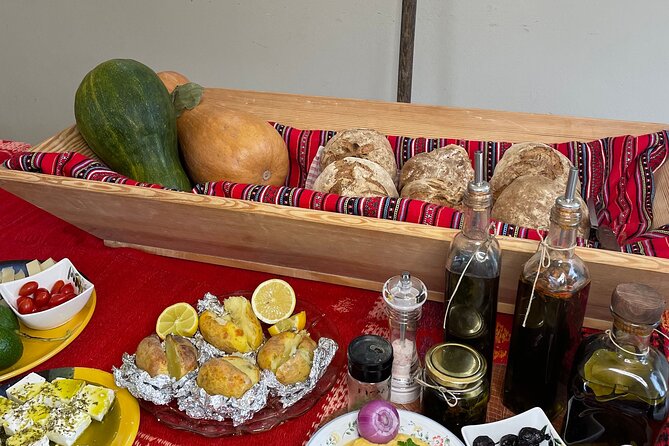
- Your own loaf: make dough, choose mix-ins like olives, sun-dried tomato, and seeds, then bake it in an outdoor brick oven setup.
- Olive grove visit during rest time: learn olive oil harvesting and how they mix olive oil with herbs.
- Real farm-to-table lunch: Cretan salad, Greek fava, ash-roasted potatoes, and pork, with seasonal sides.
- Olive oil tasting included: you’ll taste different olive oil creations alongside your bread.
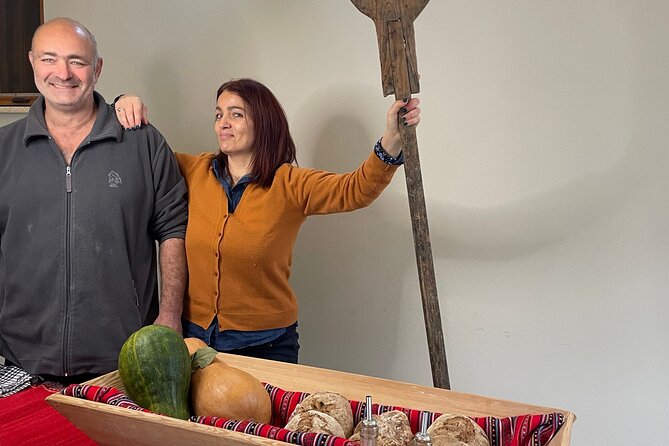
- Family-led warmth: the hosts (Nikos and Alex, plus family members like Veerna and Kostas in the mix) make the whole thing feel personal.
Chania Sourdough Class With Olive Oil Tasting: What This Day Is Really About
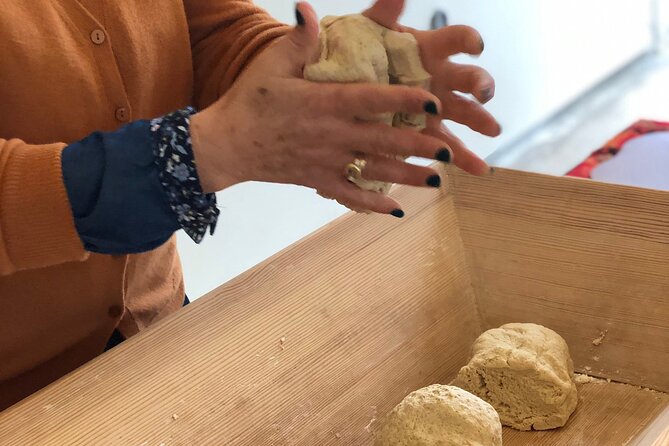
This experience is less like a cooking demo and more like a family day built around food. You start with a simple welcome—Greek coffee or a homemade refreshment—then you move straight into sourdough basics. The pace is relaxed, but you stay busy: mix ingredients, shape your loaf, add your preferred extras, and then watch it finish in the oven while the rest of the meal gets rolling.
What I like most is the pairing. Bread isn’t treated as a separate activity. It’s your edible centerpiece, then you taste it with herb-flavoured extra-virgin olive oil. You also get to see how the olive story connects to the table, not just how it tastes.
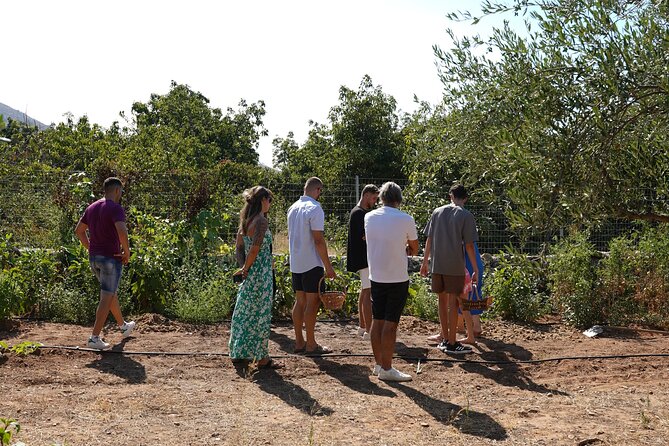
The other big win is the setting. Between baking and eating, you visit an olive grove and a farm where you’ll harvest veggies and help connect the dots between what goes into Crete’s food and where it comes from. That matters because it makes the meal feel earned, not assembled.
You can also read our reviews of more tours and experiences in Crete.

How the 4 Hours Usually Feel: A Practical Itinerary Walkthrough
Expect about four hours. The rhythm goes like this:
First, you meet at the Chania Cooking Class location (Nerokouros area) and get a welcome drink with cookies. While you’re sipping and settling in, you get a clear explanation of the sourdough bread making process—enough structure to feel confident, without turning it into a chemistry lecture.
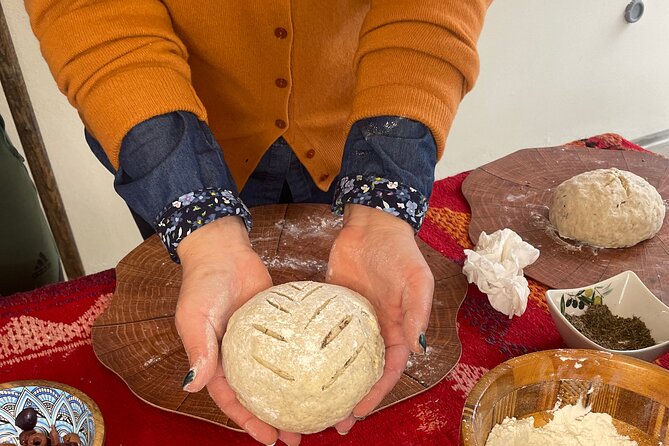
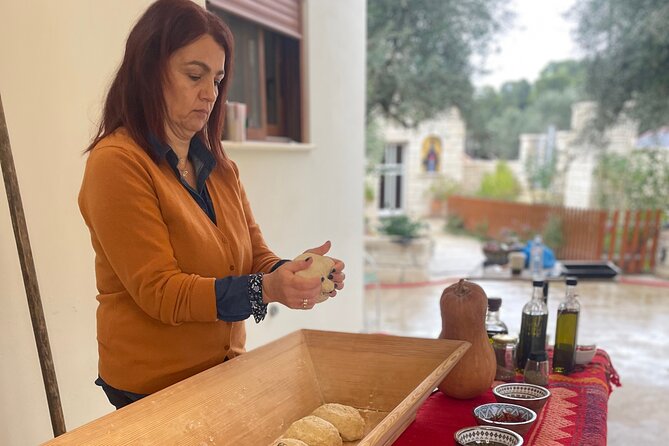
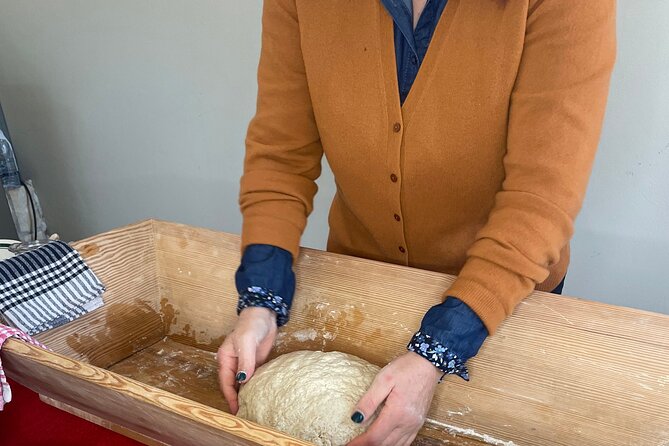
Next comes the dough stage. You’ll mix your ingredients to prepare the dough. Once it’s ready, each person prepares their own loaf. This is where you can be creative: you add things you like inside the loaf such as olives, sun-dried tomato, and seeds. Then comes the waiting part—because dough needs time to rest and develop.
That rest time is used well. Instead of making you stand around, the group goes to the olive grove, where you learn about olive oil harvesting and the way herbs get mixed into olive oil. When the timing works out, you return as your loaves go into the oven.
After baking, the food schedule takes over. You visit the farm to harvest veggies and prepare the Cretan salad, along with extra sides like Greek fava beans and other seasonal appetizers. Then you sit down for the meal: bread straight from the oven, Cretan salad, ash-roasted potatoes, pork meat, and olive oil tasting, plus copious local wine. Dessert follows at the end—Greek yogurt with spoon sweet.
It’s a lot packed into four hours, but the stops are logically spaced around the baking and resting steps.
Bread Making That Actually Lets You Customize: From Dough to Your Loaf
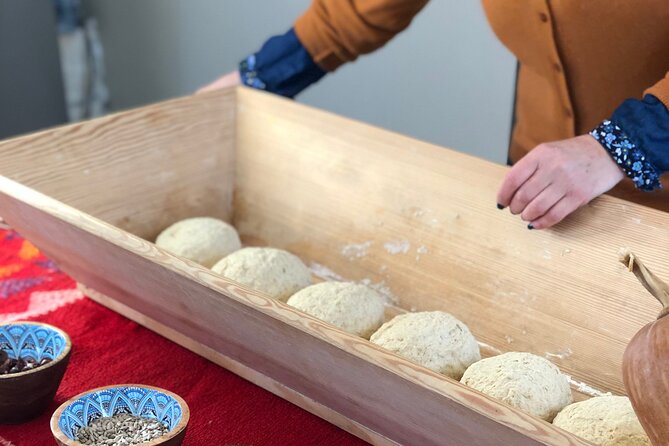
This class isn’t about watching someone else work. You’ll do the key parts yourself, from mixing ingredients to preparing your loaf. The “own loaf” piece is central because it changes how you taste at the end. Instead of bread being a product, it becomes your project.
Here’s the core flow you should expect:
- You mix sourdough ingredients to prepare the dough.
- When the dough is ready, you shape your loaf and add extra flavors from options like olives, sun-dried tomato, and seeds.
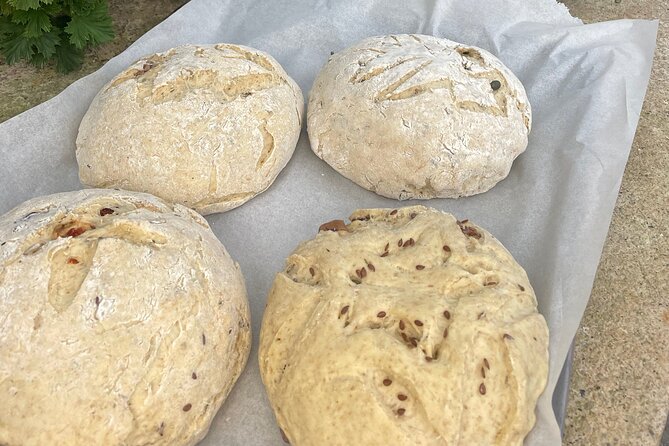
- After the dough rests, the loaves head to the oven.
- Later, you eat your bread with herb-flavoured extra-virgin olive oil and the full meal.
A practical tip: if you’re unsure what to add, choose one stronger flavor and one lighter texture. For example, olives plus seeds tends to work because the salt and depth of olives pair well with the herbal olive oil, while seeds add crunch. If you love tangy flavors, sun-dried tomato can be a great choice, especially with a bread that’s still warm when you slice it.
Also note the time structure. Dough rest is non-negotiable, so your job is to relax and enjoy the olive grove and farm stops while the bread does what bread does.
Olive Grove Storytelling: Harvesting, Trees, and Herb-Mixed Olive Oil
One of the best parts of this day is that olive oil isn’t just poured. You learn the story behind it.
During the dough rest, you visit the olive grove and hear about olive oil harvesting. The tour explains how they keep the trees healthy and producing, and you pick up the kind of details that usually get skipped in quick tastings. You also learn about the process of mixing olive oil with herbs—how the flavors get balanced rather than just dumped on top.
In real terms, this turns your tasting into something you can follow. When herb-flavoured olive oil shows up later, it won’t feel like a random garnish. It’ll feel like the payoff to the grove lesson.
And the grove stop is useful for another reason: it breaks up the class so you don’t feel trapped in one kitchen room. You get movement, fresh air, and context for why olive oil is such a big deal in Crete.
The Meal: Cretan Salad, Fava, Ash-Roasted Potatoes, and Pork
Food here doesn’t arrive in a small, delicate “cooking class portion.” You get a proper Crete-style spread.
The lunch menu you can expect includes:
- Traditional Cretan Salad with tomato, cucumber, pepper, olives, rusks, capers, and soft goat cheese.
- Greek fava as a starter.
- Your own bread loaf straight from the oven.
- Jacket potatoes cooked whole and roasted in the ash.
- Pork meat as a main.
- Dessert: Greek yogurt with spoon sweet.
A few words on why this matters:
- Cretan salad sets the stage with salty, tangy, herb-friendly flavors. It’s the kind of dish that works whether you’re eating slowly or you’re in your bread-slicing moment.
- Ash-roasted potatoes add the smoky, comforting side that anchors the meal. You’ll feel it in your appetite, especially if the bread is warm and aromatic when served.
- Pork gives the main protein structure, while fava keeps it distinctly Greek.
The salad ingredients are specific enough to give you a strong expectation. The rest of the sides are described as seasonal appetizers, which means you should expect some variety depending on what’s ready on the farm.


Olive Oil Tasting With Your Bread: How to Get More From It
Olive oil tasting can turn into a slow “judge notes like wine” performance. This one is more grounded. You taste olive oil creations alongside the bread you made, and you learn about herb mixing as part of the day.
You should expect tasting of different olive oil types (one key detail from the experience is that you can taste multiple types, not just one). You also get herb-flavoured extra-virgin olive oil to pair with your loaf.
If you want to taste like a local (without turning it into a class), here’s a simple approach:
- Taste olive oil on its own first.
- Then take a bite of your bread, and taste again.
- Notice how herbs change the impression—herbs tend to push the experience toward green, grassy, and aromatic notes.
Also remember: olive oil is part of the meal logic here. It’s not a separate event. It’s something you use while eating.
Wine and Lunch Rhythm: What’s Included and How It Adds Value
The class includes lunch, soda/pop, and alcoholic beverages. You’ll also have copious amounts of local wine with the meal. That’s a real value factor, because it shifts the experience from a pure activity to a full dining event.
If you’ve ever paid for a tour that ends at the kitchen door and then expects you to find lunch elsewhere, this is different. Here, you’re fed fully as part of the program. The bread, salad, fava, potatoes, pork, dessert, wine, and soda/pop all land within the four-hour window.
One practical consideration: because alcohol is part of the included lunch, you may want to skip planning anything intense right afterward. This is best paired with a calm rest of the day in Chania.
Price and Value Check: What $108.13 Buys You
At $108.13 per person, this is not a bargain snack class. But it also isn’t just a one-room lesson.
The value comes from the combination of:
- Hands-on sourdough baking with your own loaf
- Olive grove visit tied to olive oil harvesting and herb mixing
- Farm time connected to harvesting veggies and salad prep
- A full lunch spread (Cretan salad, fava, ash-roasted potatoes, pork, bread, dessert)
- Olive oil tasting
- Included soda/pop and alcoholic beverages (local wine)
A lot of cooking classes charge similar money but give you only part of that package. Here, you’re paying for the full experience: food, context, and hospitality, all stitched together in a family-run format.
Two costs to factor in:
- Transfer service is available with an extra fee depending on your location.
- Public transportation costs €10.00 per person are not included.
If you’re already planning a meal in Chania and a separate olive-related stop, this one-day food program can feel like a smart “do it all” use of time.
Logistics That Matter: Pickup, Group Size, and Weather
The meeting point is at Chania Cooking Class in the Nerokouros area, and the activity ends back at the meeting point. Pickup is offered with an extra fee depending on where you’re staying.
Transportation is described as semi-private. You might be in a 9-seat van and/or an EV, and you may share the vehicle with other guests joining the class. The group size is capped at a maximum of 16 travelers, which usually keeps things from feeling chaotic.
Timing note: the experience requires good weather. If it’s canceled due to poor weather, you’ll get a different date or a full refund. There’s also a minimum number of travelers requirement, and if that isn’t met, you’ll get a different date or refund.
So when should you book? If you’re traveling in peak season, earlier booking helps. This class is often reserved about a month in advance on average.
Who Should Book This Cooking Class in Chania?
This is a great fit if you want:
- A hands-on sourdough experience where you actually shape and bake your own loaf
- Real olive oil education through an olive grove visit, not just a tasting table
- A food-forward afternoon with a full lunch and dessert
- A warm, family-led atmosphere where the hosts (including Nikos and Alex, and family members like Veerna and Kostas) add personality to the meal
It may be less ideal if you:
- Hate any group timing and want total control of your schedule
- Have strict dietary needs and need a fully guaranteed alternative menu (the menu includes pork meat, so you should ask directly in advance if you have concerns)
Should You Book Chania Cooking Class for Sourdough and Olive Oil?
If you’re choosing between a short activity and a full Cretan food experience, I’d steer you here. The best reason to book is the structure: you learn bread, you see olive oil where it starts, and you eat everything together while it’s still in season and still tied to the steps you took.
Book it if you care about flavor details, enjoy being active in class, and want a meal that goes beyond salad and coffee. Skip it only if you’re determined to keep your day rigid and quiet, because this is meant to be shared, paced, and social.
FAQ
How long is the Chania sourdough bread class and olive oil tasting?
It lasts about 4 hours.
What’s included in the price?
The price includes lunch, soda/pop, and alcoholic beverages. Dessert is also part of the meal.
Is pickup available?
Yes, pickup/transfer service is offered, but there is an extra fee depending on your location. You request it in your booking form.
What language is the class offered in?
The experience is offered in English.
Does it run in any weather?
It requires good weather. If it’s canceled due to poor weather, you’ll be offered another date or a full refund.
Is transportation included from public transit or by your own means?
Public transportation is not included and costs €10.00 per person. Transfer service is available for an extra fee depending on your location.