REVIEW · MONTEVERDE
Monteverde Night Tour with a Certified Tour Guide (6 PM or 8 PM)
Book on Viator →Operated by MonteTours Costa Rica · Bookable on Viator
Night in Monteverde feels like a different park. This certified, small-group night walk at Monteverde Wildlife Refuge (El Refugio) is built for finding nocturnal animals when most visitors are long gone. I like that you’re guided through the same dark paths locals know, and I also like the size cap of up to 10 people, which means you’re not fighting for a view.
You’ll start with an introduction, then walk the refuge grounds looking for sleeping birds, plus the less-famous stars: insects, frogs, and the mammals that move when the air cools. I especially appreciate that the tour includes flashlights and the entrance fee, so the price feels less nick-and-dime once you’re there.
One drawback to plan for: wildlife sightings are never guaranteed. Some nights you get more variety than others, and a few reviews point out that the provided flashlights may not be bright enough to rely on alone—so go in ready for a lot of looking, not a checklist.
In This Review
- Key things to know before you go
- Monteverde at night: why this tour works
- Where you start: meeting at El Refugio and getting your bearings
- The 2-hour night walk: what you’re actually searching for
- Sleeping birds and the “wait for movement” phase
- Insects that steal the show
- Frogs: the most common (and still cool) catch
- Rare mammals: porcupines, opossums, olingos
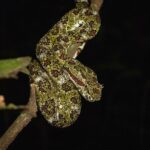
- Snakes and frogs depending on conditions
- The “eyeshine” moment (rare, but real)
- 6 PM vs 8 PM: which time gives you better odds?
- Guides and the photo problem: how to get sharp memories
- Price and value: what $54.69 buys you
- What to bring (so the night feels easy)
- Who this tour suits best (and who should skip it)
- Should you book the Monteverde Night Tour?
- FAQ
- How long is the Monteverde night tour?
- What time options are available?
- Where do I meet for the tour?
- What’s included in the price?
- Do I need my own transportation?
- Is this tour suitable for young children?
- What if the weather is bad?
Key things to know before you go
- Small group (max 10): easier listening, more space on narrow trails
- Two departure times (6 PM or 8 PM): pick based on when you want the best odds
- Refuge grounds at night: you’re not just walking through “the dark,” you’re searching from animal-heavy areas
- Nocturnal targets are specific: insects, frogs, porcupines/opossums/olingos, and sometimes snakes depending on weather
- Flashlights + scope-style spotting help: guides use light and finding skills to get you eyes-on
- Sightings vary: some nights feel frog-and-insect heavy, others run into more surprises
Monteverde at night: why this tour works
Monteverde’s daytime appeal is easy: cloud forest views, birds in daylight, and crisp hikes. At night, the whole rhythm changes. The trails become a listening game, and your eyes adjust to what you’d normally miss. That’s where this tour is strong: you’re not expecting a perfect show, you’re learning how to look in the dark.
The setting matters too. You’re meeting at El Refugio / Monteverde Wildlife Refuge, then walking the grounds where animals come to sleep or rest. That means your “search zone” is designed for wildlife viewing, not just a random after-dark stroll.
I also like that the tour is run by a certified guide and kept to a small group. In practice, this makes a difference on narrow forest paths. You hear more of the guidance, you can ask questions, and you’re less likely to get separated from the group.
If you’re the type who enjoys details—what’s moving, what’s staying still, and how animals behave when it’s dark—this is a great fit.
You can also read our reviews of more tours and experiences in Monteverde.
Where you start: meeting at El Refugio and getting your bearings
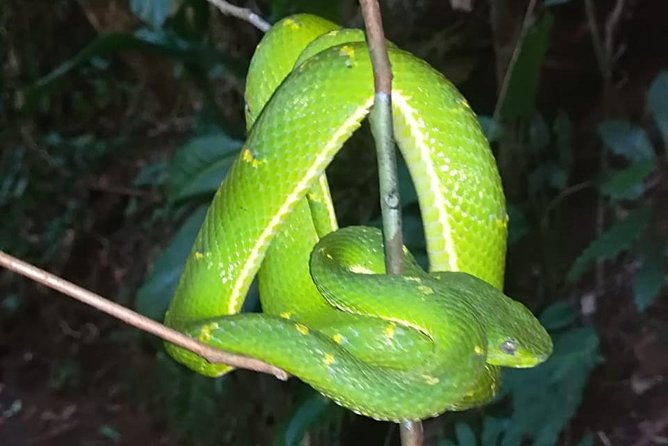
The tour begins at the meeting point near Monteverde Wildlife Refuge (El Refugio). You’ll meet your guide, then get a quick introduction. This isn’t just a formality. A good night guide helps you understand the “rules” of night spotting: how to scan without blinding yourself, how to watch for eye-shine in the trees, and how to slow down so you don’t miss the small stuff.
From there, you’ll head into the refuge grounds. You’re walking on paths where animals are likely to be resting. You’re also surrounded by the kind of jungle darkness that turns every rustle into a mystery. That’s fun, but it also means you should wear shoes that won’t slip when the ground is damp.
You’ll head back toward reception at the end, and the activity finishes back at the meeting point.
The 2-hour night walk: what you’re actually searching for
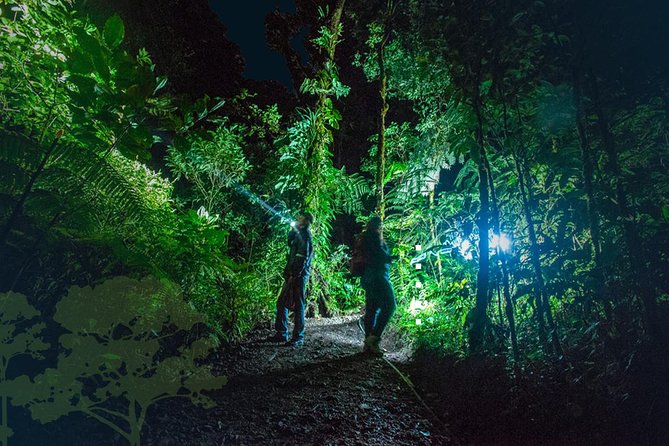
This tour is basically one main loop: introduction, then a guided walk around El Refugio grounds, then back to wrap up. The difference from a generic night hike is that the guide is actively looking for nocturnal animals and has a trained way to spot them.
Here’s what you can reasonably expect to find, based on the targets the tour is designed around:
Sleeping birds and the “wait for movement” phase
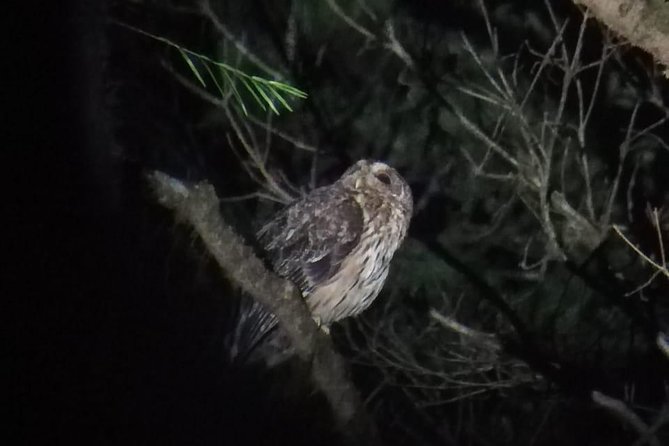
Early on, many of the sightings come from animals that are already settled—especially birds perched or resting. Guides often time their scanning to moments when animals shift or react to movement nearby. Expect more “watching and waiting” than rapid chasing.
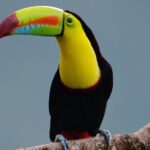
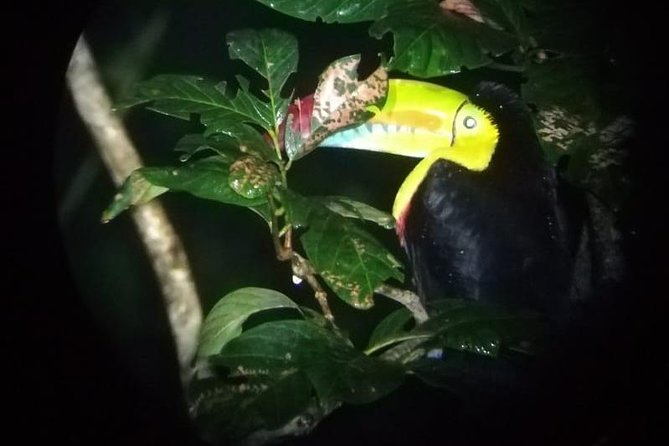
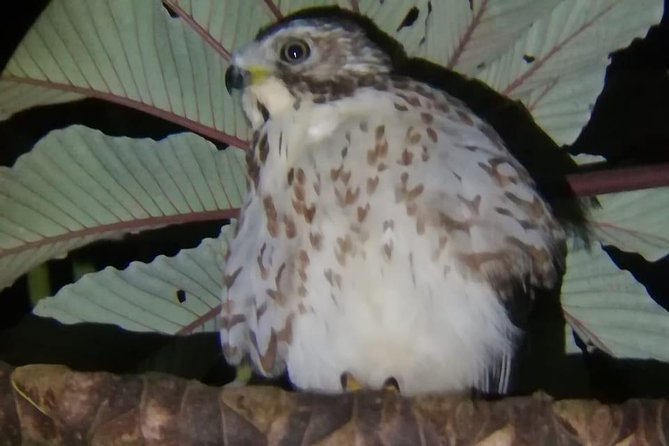
A couple of experiences in the feedback mentioned guides finding sleeping birds (including a sleeping toucan), which fits the idea of searching from rest points rather than sprinting after active wildlife.
Insects that steal the show
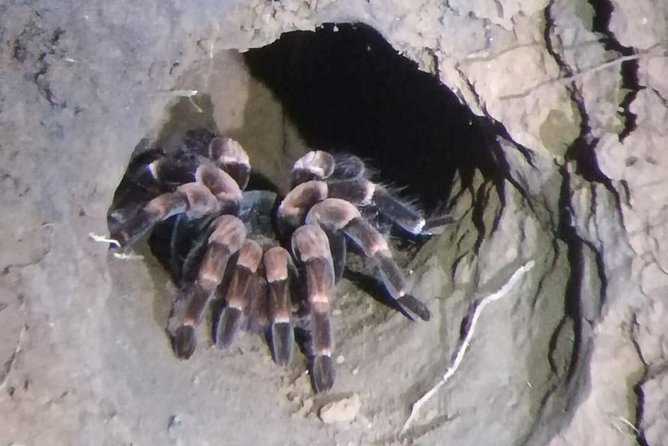
Night in Monteverde is insect country. You may see walking sticks, tarantulas, and leafcutter ants. These sightings can be surprisingly emotional because you get close enough to see the details you’d never notice in daylight.
If you love macro-level nature—tiny movements, odd shapes, and “how does that creature survive here?” moments—this part is why the tour is worth it. Even on nights with fewer larger animals, insects can keep the pace interesting.
One review praised seeing tarantulas and a wide mix of critters, and another mentioned the tour’s ability to show frogs alongside insects.
Frogs: the most common (and still cool) catch
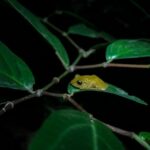
Frogs are often a highlight on Monteverde night walks. They’re active, they’re relatively visible compared to many mammals, and they’re part of what makes the night feel alive.
That said, this is also why the tour can feel uneven. If your personal dream is snakes or mammals, you might end up with more frogs/insects than you hoped on a slower night. The good news: frogs are still fascinating once your guide helps you notice what to look for.
Rare mammals: porcupines, opossums, olingos
The tour is set up for the possibility of spotting rare mammals like porcupines, opossums, and olingos. These are not guaranteed—night wildlife is naturally unpredictable—but the refuge environment increases the odds.
A standout comment mentioned a Mexican porcupine and several other species in the same night. Another experience highlighted animals like porcupine/opossum-style sightings.
Snakes and frogs depending on conditions
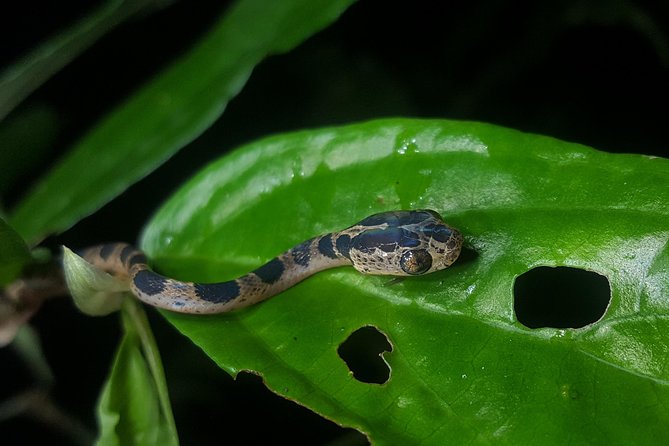
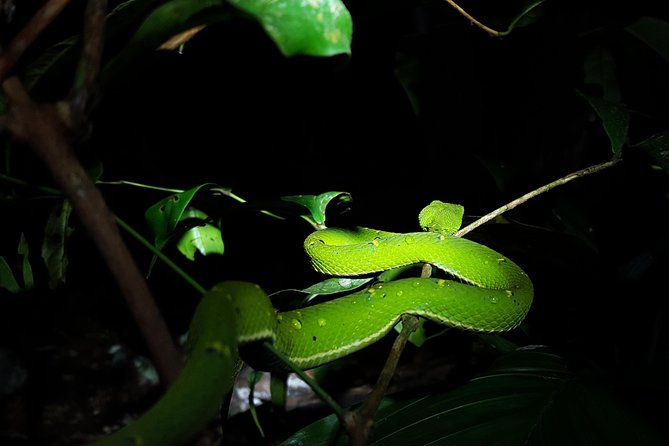
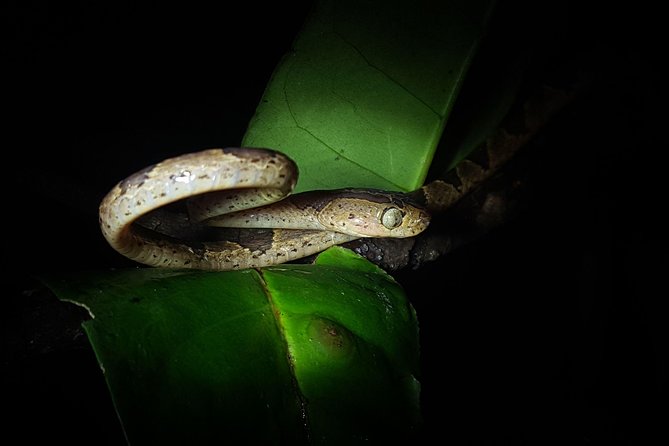
Snakes are explicitly described as possible depending on weather conditions. That matters because cold, heavy rain, or very dry nights can change animal movement.
If the weather isn’t supportive, you might still have an excellent walk—just with a different mix of animals. This is one of those cases where your guide’s skill matters more than the animal “headline” you’re hoping for.
The “eyeshine” moment (rare, but real)
One of the reviews described seeing reflective eyes of a wild cat at close range—something difficult to observe in the wild. I’m not counting on this for your plans, but it’s a reminder: sometimes the most dramatic moment happens quietly, and you only notice because your guide’s been training your attention all night.
6 PM vs 8 PM: which time gives you better odds?
You can choose between two departure times: 6 PM or 8 PM. Both work, but they feel different.
I’d lean toward 8 PM if you want the guide to have extra context. One review noted that choosing the 8 PM slot gave the guide time to scout animals during the 6 PM tour, and that helped with what they looked for later. If that planning carries through, 8 PM can simply mean better odds of finding the animals currently in the area.
That said, 6 PM can still be great—especially if you’re traveling with limited schedule. Early evening can be nice because the light fades gradually, and you may catch different activity patterns.
My practical advice: pick the time that fits your night. Don’t stress too hard over 6 vs 8. In the rainforest, nature decides how the evening goes. Your guide decides how well you experience it anyway.
Guides and the photo problem: how to get sharp memories
This tour lives and dies by the guide’s ability to spot and explain. The feedback you have here is full of praise for guides who find animals and help people see them clearly.
Two guide names stood out: Dio (sometimes written as Deo) and Sergio. Dio’s name came up with a specific compliment: the guide helped take great photos on a personal phone, and guided the group to a wide variety of wildlife. Sergio was also called out positively as a great guide, even in an instance where the wildlife variety wasn’t what the couple hoped for.
Here’s what I’d do to make photos easier on yourself:
- Bring your phone charged and ready, then keep it in a protected pocket until you’re close to the sighting.
- Use the guide’s light direction and stop moving when the guide is scanning. Handheld footage gets shaky fast on forest paths.
- If your guide offers to help with a scope-style view, take the offer. One review mentioned a small scope that made birds and details easier to see.
One more “real world” note: because you’re on a dark trail, you may find the tour flashlights don’t provide enough light by themselves. Some groups ended up relying more on the guide’s flashlight for the trail. That’s not a reason to skip the tour—it’s a reason to stay close and follow the guide’s lead.
Price and value: what $54.69 buys you
At $54.69 per person for about 2 hours, this isn’t a budget-only activity, but it can be solid value because several costs are already handled. The tour includes:
- Flashlights
- All fees and taxes
- Entrance fee
So you’re paying primarily for two things: a guided night search and access to the refuge grounds.
What’s not included is transportation. If you’re staying near Monteverde center, you’ll likely drive and park, since parking lots are available. If you’re relying on transfers, you’ll want a plan before you show up.
Also remember: wildlife tours are about probability. When the night is active, the value feels higher because you’ll see more species and more behaviors. When the night is quiet, you’ll still get something worth having—your ability to look for nocturnal life and understand what you’re seeing.
In other words: this tour is best when you treat it as a nature-guidance experience, not a guaranteed checklist.
What to bring (so the night feels easy)
You don’t need much, but night in Monteverde punishes sloppy choices.
Bring:
- Comfortable closed-toe shoes with good grip
- A light layer (nights can feel cooler in the cloud forest zone)
- Your phone with enough battery for photos
- Bug protection if you’re sensitive (the tour is outdoors, and insect contact is part of the environment you’re there to see)
The tour provides flashlights, but I’d still plan on being dependent on the guide’s spotting skills rather than expecting your flashlight to do everything. If you have a small headlamp you’re comfortable with, that can help you move carefully and keep your hands free, though it’s not listed as required.
Who this tour suits best (and who should skip it)
This is a strong pick for:
- Night-owl nature lovers who enjoy insects, birds, and “small wonders”
- Photographers who want help finding and framing critters at night
- Couples and small groups who like calm, guided walks over big-bus chaos
It may not be ideal for:
- Kids under 5 (the tour is explicitly not appropriate for that age)
- Anyone who needs guaranteed wildlife variety like in a zoo
- People who dislike slow, quiet scanning and prefer high-speed hiking (this is more “search and watch” than “race down a trail”)
The small-group limit to 10 people helps a lot with comfort. Still, if you’re sensitive to crowding or communication, you’ll want to make sure the whole group can hear the guide clearly during tight trail moments.
Should you book the Monteverde Night Tour?
I’d book it if you want a genuine night-in-the-jungle experience with a trained guide and a chance—sometimes a strong one—to see frogs, insects, and rare mammals around El Refugio. The mix of real nocturnal targets and the small group size makes it feel more personal than a mass wildlife walk.
I would not book it expecting a guaranteed lineup of “billboard animals.” The best nights happen when nature is active, and some evenings skew toward frogs/insects more than snakes or mammals. If you can accept that, you’ll enjoy the walk for what it is: guided, quiet, and full of moments where you realize you were blind to half the forest before night.
If you do book, consider choosing the 8 PM option for stronger odds, and if Dio/Deo is available, it’s worth requesting him based on the praise for spotting and phone photo help. If Sergio is the guide, you can still go in confident you’ll get good guiding—even when the wildlife variety is lighter.
FAQ
How long is the Monteverde night tour?
It runs for about 2 hours (approx.).
What time options are available?
You can choose either a 6 PM or an 8 PM start time.
Where do I meet for the tour?
Meet at Night walk Monteverde Finca Lantana in Monteverde at the refuge area. The tour ends back at the meeting point.
What’s included in the price?
Flashlights, all fees and taxes, and the entrance fee are included.
Do I need my own transportation?
Transportation is not included. There are parking lots available.
Is this tour suitable for young children?
It is not appropriate for kids under 5.
What if the weather is bad?
This experience requires good weather. If it’s canceled due to poor weather, you’ll be offered a different date or a full refund.