REVIEW · MOOREA
Moorea: Whale Swimming Boat Trip
Book on GetYourGuide →Operated by Moorea Expedition · Bookable on GetYourGuide
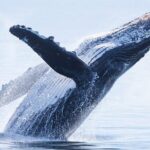
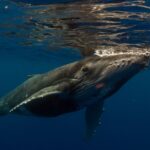
Moorea’s humpbacks are hard to forget. This 4-hour tour mixes in-water humpback whale encounters with lagoon snorkeling, guided interpretation, and plenty of chances to photograph Moorea’s coast. The guides also share both facts and local legends about what’s happening in these waters, so it feels more like a nature lesson than a typical sightseeing boat ride.
I like that it’s built as a small group (up to 6), which makes it easier to manage in the water and easier to ask questions. I also like the safety-first approach: you get a proper briefing on how to respect the animals before you enter the water. The main drawback is simple and real—whales are wild, so some days you may do more watching than swimming, and the day still depends on where the whales show up.
In This Review
- Key Things to Know Before You Go
- Moorea Humpbacks in a Small-Group Boat Setting
- Who This Tour Fits (and Who Should Skip It)
- Before You Enter the Water: Briefing, Respect, and Real Safety
- The In-Water Whale Encounter: How It Plays Out
- What Else You Might See: Dolphins, Pilot Whales, and Turtles
- Snorkeling Gear, Towels, and What You Should Actually Pack
- Photography and Moorea’s Coast: When the Lagoon Gives You Great Light
- Guides, Facts, Legends, and the Why Behind the Rules
- Price and Value: Is $295 Worth It?
- Getting the Most From Your 4 Hours in Moorea
- Should You Book This Moorea Whale Swimming Trip?
- FAQ
- How long is the Moorea whale swimming trip?
- When are humpback whales typically in Moorea?
- What’s included in the price?
- What should I bring with me?
- What languages will the guide speak?
- Is the tour allowed for people who get seasick?
- What’s the cancellation policy?
Key Things to Know Before You Go
- Small group of up to 6: more personal guidance, less crowding when whales are close.
- In-water humpback whale experience is permitted in French Polynesia, which is a major reason this spot is so famous.
- Other wildlife may appear such as spinner dolphins and pilot whales, plus chances at other sea life depending on conditions.
- Professional guide with facts and legends: you’ll learn both what scientists track and the storytelling tied to the area.
- 4 hours with hotel pickup/drop-off and drinks included, so you’re not juggling extra logistics.
Moorea Humpbacks in a Small-Group Boat Setting
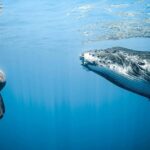
Moorea has a way of making the ocean feel close. On this trip, you’re not just looking from a distance—you’re out on the lagoon, watching humpbacks in their natural world, and you may get the rare chance to be in the water with them.
The tour is designed around that moment. You’ll start with a guided briefing, then you’ll head out to where the whales are active. If conditions line up, you’ll observe them playing with one another and possibly see other species moving through the same area. And because the trip stays focused on wildlife rather than a long schedule of unrelated stops, it can feel efficient—like the full 4 hours are meant to serve the whale experience.
Two details matter here. First, the operator limits the group to a maximum of 6 people. Second, the guides are live and bilingual (French and English). Both improve your odds of getting clear instructions and having a calmer experience when you’re in the water.
You can also read our reviews of more tours and experiences in Moorea.

Who This Tour Fits (and Who Should Skip It)
This tour has clear limits for a reason: getting in the water near whales takes coordination, comfort in the ocean, and respect for strict rules.
It’s not suitable if you:
- don’t swim
- get motion sickness or are prone to seasickness
- have epilepsy or serious pre-existing medical conditions
- have mobility impairments, need a wheelchair, or have back problems
- have had recent surgery or have low fitness for this kind of activity
- weigh over 280 lbs (127 kg)
If you’re a generally healthy swimmer and you know you tolerate boat rides, you’ll likely enjoy it much more. If you’re on the fence because of seasickness, be honest with yourself—this is the kind of experience where discomfort can steal the magic.
One more practical note: the tour lists many things not allowed (including drones and weapons, plus restrictions on touching marine life). If you’re the type who needs to bring a lot of gear, plan to travel light.
Before You Enter the Water: Briefing, Respect, and Real Safety
The best part of whale encounters is also the most delicate. You’re sharing space with large animals in an environment you don’t control, so the tour sets expectations before anyone gets in.
You’ll receive a briefing from the professional guide covering:
- how to stay safe
- how to respect the whales
- what to do once you’re near the animals
That sounds obvious, but it changes the whole tone of the tour. With the right guidance, you’re not panicking about what to do next—you’re focusing on watching, listening, and following the moment’s rules.
This is where the guide style can matter. One passenger named Jérôme from France highlighted that the activity felt magical while still respecting the environment and the whales. That lines up with the way the tour is structured: the goal is not just to get a photo. It’s to have an experience that doesn’t treat animals like attractions.
The In-Water Whale Encounter: How It Plays Out
Here’s what you can reasonably expect: humpback whales in the lagoon can be unpredictable. The tour is built around the humpbacks, but not every day works the same.
When whales are present, you’ll typically:
- observe them from the boat first
- wait for the right moment
- enter the water under guide instructions
- watch them interact and move through the area
French Polynesia is known as one of the best places in the world for an in-water humpback experience where swimming is permitted. That permission alone makes this tour special. But what makes it memorable is what you notice up close: the whales’ calm, their playful interactions, and the sense that you’re seeing part of their real routine rather than a staged performance.
A useful reality check: one traveler noted that on their day it felt more like boating than swimming or watching closely. They still understood that luck plays a role. So go in with the right mindset. You’re paying for access and guidance, not for a guaranteed length of time with whales right in front of you.
When the whales do stick around, it’s thrilling. Brandon from the United States, who said it was his fourth time doing the tour, shared that the whale stayed with the group the entire time, and he described the day as his best. That’s the dream scenario—but it’s the kind of dream that only happens because everyone follows safety steps and stays ready.
What Else You Might See: Dolphins, Pilot Whales, and Turtles
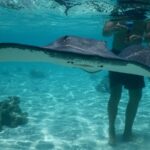
Whales are the headline, but the ocean can add extras. The tour notes that you may have the opportunity to observe spinner dolphins, pilot whales, and other wildlife during the day.
This matters because it turns a single-species outing into something more like a moving nature classroom. Even if your time in the water is brief, you can still come away with multiple sightings, and you’ll likely spend time photographing the coast and lagoon views between wildlife moments.
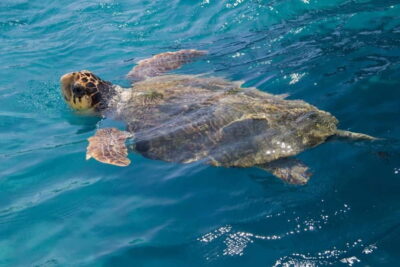
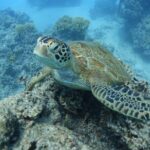
There’s also a practical detail from a review: Brandon said that Max and the captain took his group to see turtles on request. That’s not something you should count on, but it tells you the crew may try to respond to reasonable requests when conditions allow. If you care about turtles specifically, ask during the day when it makes sense—just remember ocean conditions decide what’s possible.




Snorkeling Gear, Towels, and What You Should Actually Pack
The tour includes snorkeling gear, plus drinks. That’s a solid value add because it saves you from renting or hunting down supplies at the last minute.
Still, the info you’re given also lists snorkeling gear on the bring list. That’s worth treating as a reminder to double-check what you’re getting. If you already have your own mask or snorkel, you’ll likely feel more comfortable using it. If not, bring the gear they specify is included and confirm your size/fit before you get in the water.
What you should bring for sure:
- swimwear
- a towel
- sunscreen
And one common-sense tip: this is ocean time. Dry off when you can, keep sunscreen ready, and plan for the fact that you’ll be wet and sun-exposed for part of the day.
Photography and Moorea’s Coast: When the Lagoon Gives You Great Light
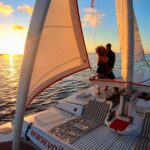
Moorea’s shoreline and lagoon are built for photos. The tour is intentionally timed around wildlife observation, but you’ll also get chances to capture the scenery while you’re cruising between whale sightings.
If you like wildlife photography, focus on two things:
- steady moments when whales surface or drift near the group
- shoreline views when the boat slows down
You’ll also want to respect the animal rules, especially the restriction on touching marine life. That’s not only about ethics; it also protects the encounter quality for everyone.
Guides, Facts, Legends, and the Why Behind the Rules
The guide experience is a big part of why this tour feels meaningful. You’ll learn facts and legends about the area, and you’ll get guidance on how whales are migrating and behaving.
That background helps you do more than just react. When you understand what you’re seeing—why whales move, what their interactions might mean—you pay attention longer and enjoy the experience more. Even if you’re not the science type, the guide framing gives your brain something to hold onto besides amazement.
It also helps you respect the limits. The activity has clear rules like no drones, no fishing, no feeding animals, and strict “do not touch” expectations (the info explicitly lists touching marine life as not allowed). These rules keep the encounter respectful and safer.
And because the group is capped at 6, the guide can manage everyone’s behavior without turning the experience into a rush.
Price and Value: Is $295 Worth It?
Let’s talk money plainly. At $295 per person for about 4 hours, you’re paying for three things at once:
- specialized access to an in-water humpback area where swimming is permitted
- a small-group format (up to 6 participants)
- services that would cost extra elsewhere, like hotel pickup/drop-off, snorkeling gear, and drinks
For some people, the value is emotional and unforgettable. When you’re face-to-face with a humpback whale in the water, you’re not shopping for a photo spot—you’re buying an experience that only happens in a few places on earth.
For others, the value question is practical: what if the whales don’t show up close enough, or you get more boat time than water time? That risk exists because the ocean isn’t a schedule. One review specifically pointed out that sometimes it can feel more like boating than swimming or watching closely, and that luck matters.
My balanced take: if you’re already in Moorea during humpback season (typically mid-July to mid-November, though dates can vary), and you’re a confident swimmer who can handle boat time, this price can feel reasonable for what you’re getting. If you’re seasick-prone or you’re uncomfortable in the ocean, skip it—even if the whales are out there. The experience is made for the right conditions and the right kind of participant.
Getting the Most From Your 4 Hours in Moorea
This tour is short on purpose. You’re not doing a half-day of random stops. You’re giving yourself the best chance to match the whales’ location and behavior during that window.
To make the most of it:
- Be ready to follow instructions quickly. The moment matters.
- Pack the essentials: swimwear, towel, sunscreen.
- Expect that “whale time” can shift. Stay patient during waiting periods.
- Bring a camera plan that works in bright sun and wet conditions.
If you have a specific wildlife wish (like turtles), it’s worth mentioning you’d like to see them, because the captain and guide may try when conditions allow. Just keep expectations flexible. The ocean decides.
Should You Book This Moorea Whale Swimming Trip?
If you want an authentic humpback whale encounter and you’re comfortable swimming, I’d strongly consider booking. The small group size, the professional briefing on safety and respect, and the fact that this is an in-water experience where permitted are the big reasons. When it goes well, it feels like you’re witnessing something real, not just consuming a checklist.
Don’t book if you fall into the “not suitable” categories—especially if you don’t swim, get seasick easily, or have mobility/medical constraints that could make the water portion stressful or unsafe. In that case, you’ll lose more than you gain, even if the whales are present.
FAQ
How long is the Moorea whale swimming trip?
The tour runs for 4 hours.
When are humpback whales typically in Moorea?
Humpback whales are typically present from mid-July to mid-November, though the exact dates can vary.
What’s included in the price?
Hotel pickup and drop-off, snorkeling gear, and drinks are included.
What should I bring with me?
Bring swimwear, a towel, sunscreen, and snorkeling gear.
What languages will the guide speak?
The live tour guide speaks French and English.
Is the tour allowed for people who get seasick?
No. It’s listed as not suitable for people prone to seasickness or motion sickness.
What’s the cancellation policy?
You can cancel up to 24 hours in advance for a full refund.
If you tell me your travel month and whether you’re a confident swimmer, I can help you decide if the timing and conditions will fit your comfort level.