REVIEW · MOOREA
Whale watching 6 people half day
Book on Viator →Operated by Mori Ora · Bookable on Viator
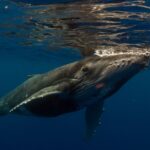
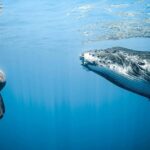
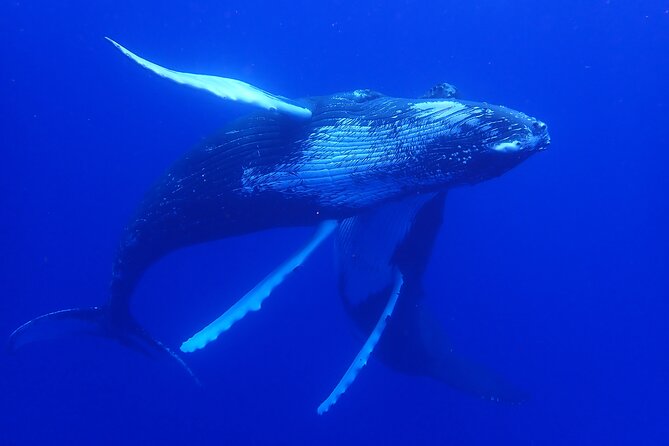
Whale watching here feels personal. This Moorea half-day trip mixes small-group searching with an expert crew that reads humpback behavior and (when conditions permit) makes gentle approaches. You might see whales at rest, hear singing males, or catch the drama of love parades.
I especially like the focus on animal-friendly interactions and the way the crew explains what you’re seeing. Guides such as Doris, Jay, and Anaïs are described as respectful, patient, and big on safety briefings—exactly what you want when you’re getting in the water. I also like that the trip is built for more than one whale moment: you could spot humpbacks with calves, plus other marine mammals like dolphins and even sperm whales, depending on what nature serves up.
One consideration: swimming with wildlife is never guaranteed, and the experience expects comfort in open water with fins, mask, and snorkel. If you get motion sick, plan ahead too—one guest called out getting extremely seasick but still feeling it was worth it.
In This Review
- Key highlights you’ll care about
- Moorea whale watching with a six-person max
- Animal-friendly rules: gentle approaches that keep the mood calm
- How the 3–4 hour half-day actually plays out
- Starting at Moorea Marina
- Heading out to find the whales
- If conditions permit: launching and entering slowly
- Watching from the boat if you’re not swimming
- The payoff: multiple encounters and behaviors
- What you might see: humpbacks plus dolphin and whale extras
- Crew and boats: what a respectful guide does for your experience
- Your guide names you might hear
- Price and value: is $273.29 per person reasonable?
- Seasickness and the fin-swimming requirement
- Who should book this Moorea whale swim tour (and who should skip the water)
- Should you book this whale watching half day in Moorea?
- FAQ
- How many travelers are on the tour?
- How long does the whale watching take?
- Do I have to swim with fins to participate?
- Is swimming with humpback whales guaranteed?
- Where is the meeting point in Moorea?
- What happens if weather is poor?
Key highlights you’ll care about
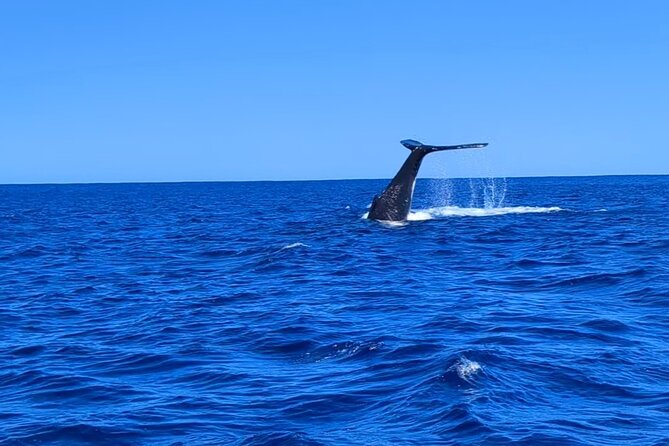
- Max 6 travelers for more time with the guide and less crowding around the whales
- Gently approached encounters when the crew can safely launch and read whale behavior
- Naturalist-guided whale behavior plus a safety briefing before anyone enters the water
- Snorkeling with fins is part of the plan, but non-swimmers can stay on the boat and watch
- Possible bonus sightings including dolphins, sperm whales, flying fish, and hunting seabirds
Moorea whale watching with a six-person max
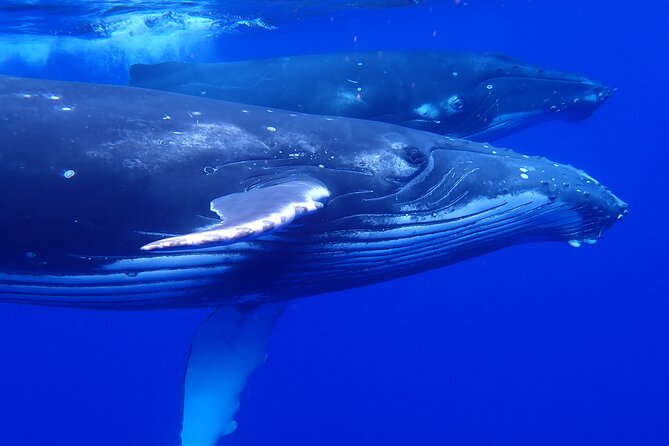
This tour is designed for people who don’t want a big floating zoo. With a maximum of 6 travelers, the crew can keep eyes on the animals, explain what matters, and adjust quickly as whales move. It also makes the whole thing feel more like a focused expedition than a checkout-line attraction.
In Moorea, humpback whales can show up in different moods—alone, in groups, resting, or doing the showier stuff. The smaller size helps you notice those details, because you’re not constantly trying to see over someone else’s head.
You can also read our reviews of more tours and experiences in Moorea.
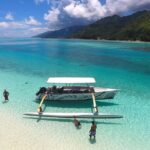

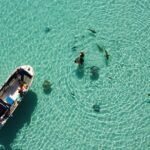
Animal-friendly rules: gentle approaches that keep the mood calm
The main theme here is respect. The crew aims for gentle approaches and pays attention to whale behavior, not just whale sightings. That matters because whales aren’t props—you want a plan that protects their comfort as much as yours.
You’ll get a safety briefing and clear guidance on how to enter the water and act once you’re there. In the past, guides like Doris and Jay have been praised for being patient, careful, and quick to make sure everyone understands the rules before the first snorkel moment. Even if you never swim, this kind of calm, professional setup makes the whole experience feel trustworthy.
How the 3–4 hour half-day actually plays out
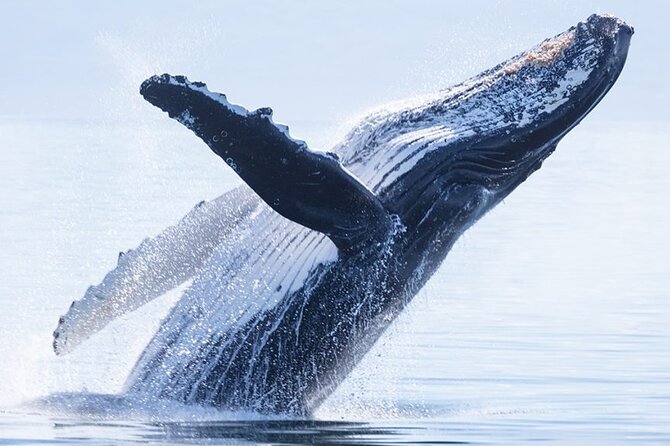
The schedule is flexible, which is the honest truth of whale watching. The trip runs about 4 hours, but the time in the water can be 3 to 4 hours depending on weather and whale activity.
Here’s the rhythm you can expect:
Starting at Moorea Marina
You meet at Moorea Marina, BP 1173, Opunohu 98729, French Polynesia. The activity returns back to the same meeting point, so you’re not dealing with complicated end-of-day logistics.
Heading out to find the whales
Once on the water, the crew searches with an eye for where whales are likely to be active—singing males, groups, and situations where whales are interacting naturally. One guest described an early departure with rougher sea conditions, and that’s common in open water. The vibe stays practical: get where the whales are, then follow the plan.




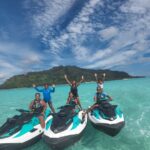
If conditions permit: launching and entering slowly
If conditions allow, the crew launches and makes gentle approaches. Then comes the important part: guidance on entering and behaving in the water. The goal is to let the whales set the pace. You might find a whale that comes close, or you might get a longer “read from the boat” moment while the crew watches and waits.
Watching from the boat if you’re not swimming
Swimming with wildlife is never guaranteed, and neither is entry for everyone. Non-swimmers can observe the animals from the boat with the captain. This is a solid option if you want whale content without committing to fins and open-water swimming for long stretches.
The payoff: multiple encounters and behaviors
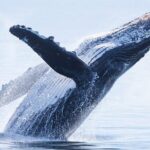
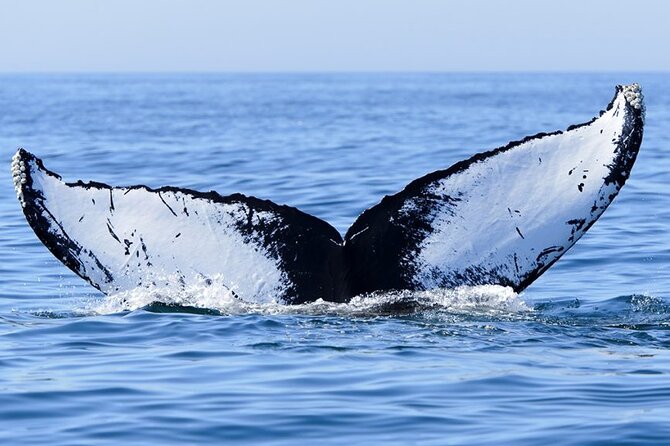
A big reason guests love this trip is that it’s not just one sighting. You may encounter more than one situation—breaching far away, circling behavior, whales showing off, or a mother and calf moment right at the start. One guest mentioned hearing whale singing while staying on the boat, then seeing a range of surfacing behaviors from there.
What you might see: humpbacks plus dolphin and whale extras
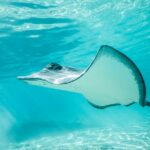
Humpbacks are the main target, but the ocean doesn’t always follow a script. Based on the tour description, you might also encounter other marine mammals such as globicles, long-billed dolphins, narrow-billed dolphins, and sperm whales. You may also see flying fish and hunting seabirds.
That matters because it makes the half-day feel like a real ocean watch, not a one-trick pony. If humpbacks are calm or farther out, you still might get dolphin action or seabird hunting behavior that tells you the ecosystem is “alive” right there.
And when humpbacks are active, the variety is the fun part. The crew looks for situations like lone individuals, groups with or without calves, singing males, and male behavior during mating season moments (including “love parade” behavior).
Crew and boats: what a respectful guide does for your experience
The quality of whale watching lives or dies on the guide. Here, the tone is consistently described as respectful, gentle, and safety-first.
You’ll likely meet a naturalist guide who shares knowledge about cetaceans and answers questions. That’s not just for trivia—when you understand what you’re seeing (singing, rest behavior, or social interactions), your time on the water becomes more meaningful. It’s the difference between spotting a whale and understanding what the whale is doing right then.
Boat stability also matters. One review described a zodiac-type boat that was stable even when seas were rough with high waves. Stability doesn’t stop motion, but it reduces the feeling that you’re fighting the ride while trying to watch whales.
Your guide names you might hear
From past departures, guests have mentioned Doris as a whale guide, Jay as a guide, Anaïs as a guide, and a captain named Sebastian. You can’t assume the exact same team every day, but it’s a good signal that the crew has real whale skills and a gentle approach.
Price and value: is $273.29 per person reasonable?
At $273.29 per person for a ~4-hour outing, this isn’t a budget activity. But the value isn’t just “you saw whales.” The value is:
- A small group (max 6), meaning better attention and less chaos
- A specialized approach focused on whale behavior and gentle interaction rules
- Naturalist guidance rather than a just-drive-and-hope search
- Multiple possible outcomes: whales, singing, calves, and even dolphin or sperm whale sightings depending on conditions
In Moorea, whale watching isn’t only about location—it’s about conditions, timing, and how the crew responds. Paying for a crew that takes safety and animal welfare seriously can make the difference between a rushed encounter and a calmer, more satisfying one.
Seasickness and the fin-swimming requirement
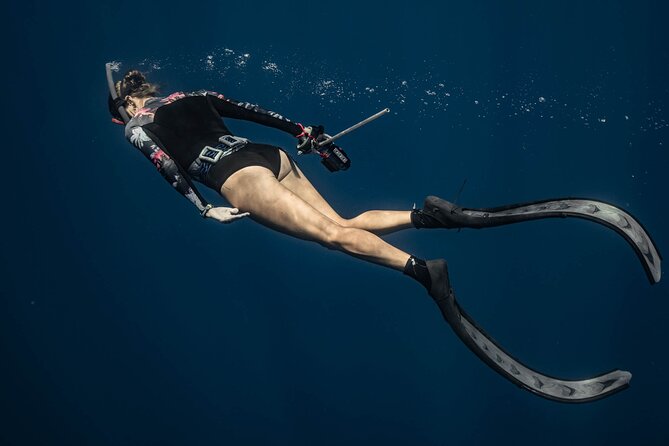
This tour asks more of your body than many “stay on the deck” outings.
Comfort in open ocean with fins, mask, and snorkel is recommended, and good physical condition is required, including swimming with fins. A moderate physical fitness level is also noted. If that’s not your thing, you can still join—you’ll just spend more time observing from the boat.
Motion sensitivity is the other big factor. One guest mentioned getting extremely seasick despite wanting the experience. Their practical advice: if you tend to get motion sick, take pills beforehand (and don’t wait until you’re already uncomfortable). I’d treat this as standard prep for any open-water whale day in Moorea.
Who should book this Moorea whale swim tour (and who should skip the water)
This works best for people who:
- Want a smaller-group whale watching experience
- Are okay with open-water conditions and time in the ocean
- Enjoy learning about animal behavior, not just chasing sightings
- Are comfortable using fins, mask, and snorkel, even if you’re not a strong swimmer
It might be a tougher fit if:
- You’re not comfortable in the ocean for long enough stretches
- You know you get seriously seasick and haven’t planned for it
- You want zero uncertainty about swimming with whales (because swimming with wildlife is never guaranteed)
Also, if you’re the kind of traveler who’s happy on a boat observing—listening to singing from above water—you’ll still get plenty of “this is real” moments.
Should you book this whale watching half day in Moorea?
If you want a whale watching outing with gentle, animal-respectful behavior and a crew that teaches you what’s happening, I think this is a strong pick. The small group size is a big deal here, especially for a half-day when you don’t want to waste time waiting.
Book it if you’re comfortable with open ocean and you’re willing to be flexible about outcomes—because the best plan is the one the whales allow. If swimming is your priority, understand that the tour is built to try, not to promise, and conditions can change the plan.
If you’d rather stay purely on the boat and watch, you can still have a great day—especially with a guide who keeps the search focused and the safety briefing clear.
FAQ
How many travelers are on the tour?
The tour has a maximum of 6 travelers, and it includes a small crew to guide the experience.
How long does the whale watching take?
The trip lasts about 4 hours, and the duration is typically between 3 and 4 hours depending on weather conditions and animal activity.
Do I have to swim with fins to participate?
You’re recommended to be comfortable swimming with fins, mask, and snorkel. Non-swimmers can stay on the boat and observe the animals with the captain.
Is swimming with humpback whales guaranteed?
No. Swimming with wildlife is never guaranteed, though the crew will do everything possible to make the experience incredible.
Where is the meeting point in Moorea?
The meeting point is Moorea Marina, BP 1173, Opunohu 98729, French Polynesia. The tour ends back at the meeting point.
What happens if weather is poor?
This experience requires good weather. If it’s canceled due to poor weather, you’ll be offered a different date or a full refund.