REVIEW · MONTEVERDE
Hiking to Curi-Cancha Reserve
Book on Viator →Operated by Three Brothers Tours · Bookable on Viator
A quiet walk can still feel like a nature safari. This Monteverde hike into Curi-Cancha Reserve is built around slow spotting in primary and secondary forest, with a bilingual guide helping you catch what you’d miss alone. I like that the tour is priced as a guide-led experience, not a mystery bundle, but plan on paying the reserve entrance fee separately.
The best part is the format: a small group with time to scan and ask questions, which matters when you’re hunting for fast little birds. I also love the chance to target headline species like the quetzal, especially when conditions and timing line up.
In This Review
- Key things to know before you go
- Entering Curi-Cancha: what this 3-hour hike is really about
- Where to meet at Reserva Curi Cancha (and what to plan for)
- The walking part: primary and secondary forest birding in real time
- Wildlife targets you can actually hope for (quetzal, sloths, and more)
- Why the guide quality matters more than you think
- What to bring for Monteverde rain forest comfort
- Price and value: $39 is for the guide, not the reserve
- Who should book this hike (and who might want a different plan)
- A simple booking checklist before you head out
- Should you book Curi-Cancha with Three Brothers Tours?
- FAQ
- How long is the Curi-Cancha hiking tour?
- What is included in the tour price?
- Is the reserve entrance fee included?
- Does the price include transportation?
- Where does the tour start?
- Where does the tour end?
- Is this tour suitable for most people?
- What is the group size limit?
- Are service animals and infants allowed?
- What happens if the weather is poor?
Key things to know before you go
- Bilingual guide included for clear bird and natural history explanations
- Primary + secondary forest route for more variety in plants and animals
- Bring patience for wildlife spotting since animals don’t show on command
- Expect telescopes/scopes to help you find small birds up close
- Quetzal timing can matter if you’re hoping for that specific sighting
- Entrance ticket is separate from the $39 tour price
Entering Curi-Cancha: what this 3-hour hike is really about
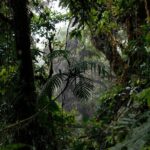
Curi-Cancha Reserve is the kind of place where you don’t just walk—you watch. The route moves through both primary and secondary forest, which is a big deal in a birding hike. Primary forest tends to feel denser and more stable in tone, while secondary growth often brings different plant structure and openings that can change what birds you see and where you spot them.
You’re on the clock for about 3 hours, so the guide keeps things moving at a natural pace. This is not a marathon hike, but it’s also not a flat stroll through a park. Expect uneven forest ground, wet patches, and the kind of footing that rewards good shoes.
The “nature history + bird watching + mammals” mix is the point. If you love birds, you’ll get focused attention. If you’re hoping for mammals, you’ll also have time to scan trunks, branches, and movement on the forest edge. And if you just want to learn, the bilingual guide turns random sightings into names and stories you can repeat later.
You can also read our reviews of more tours and experiences in Monteverde.
Where to meet at Reserva Curi Cancha (and what to plan for)
Your meeting point is Reserva Curi Cancha, about 300 meters northwest of Fabrica de Quesos Monteverde in Monteverde, Puntarenas Province. The tour ends back at the meeting spot, so you can treat this as a contained half-day plan.
One practical note: the start location is listed as near public transportation, which is useful if you’re not renting a car. Still, Monteverde can mean short trips with foggy conditions and slippery sidewalks around town. If you arrive a little early, you’ll have time to find the exact entrance area without rushing.
Since this tour is weather-dependent, don’t plan it as your only outdoor activity. If conditions are poor, you may be offered a different date or a full refund. That flexibility matters in Monteverde, where the weather can switch from light mist to full-on rain fast.
The walking part: primary and secondary forest birding in real time
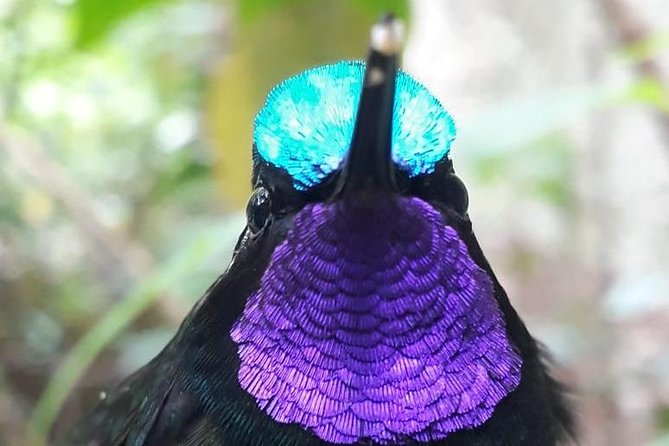
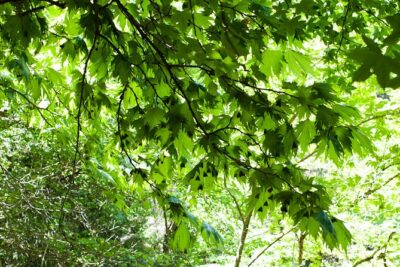
The on-the-ground experience is a guided walk where the guide periodically stops, looks up, and listens. That rhythm is everything in a bird reserve. Many of the birds in cloud forest sound louder than they look, and the “look up” skill is where a guide earns their fee.
As you move through the forest, you’ll get:
- Scans and pauses for canopy birds and quick movements
- Group staying together so you’re not separated while the guide calls attention
- Natural history explanations tied to what you’re seeing at that moment
The forest is typically shaded and walkable, and the best sightings often come during those stop-and-scan moments. If your only plan is to enjoy scenery, you might think you’re not doing much. But once the guide points out a call or a flicker on a branch, the hike turns into a hunt with rewards.
Wildlife targets you can actually hope for (quetzal, sloths, and more)
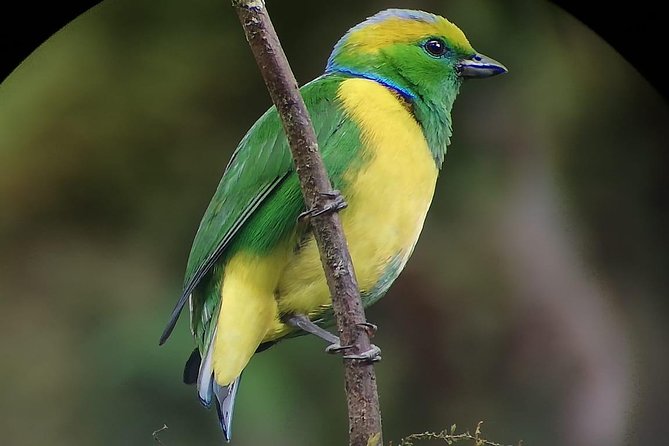
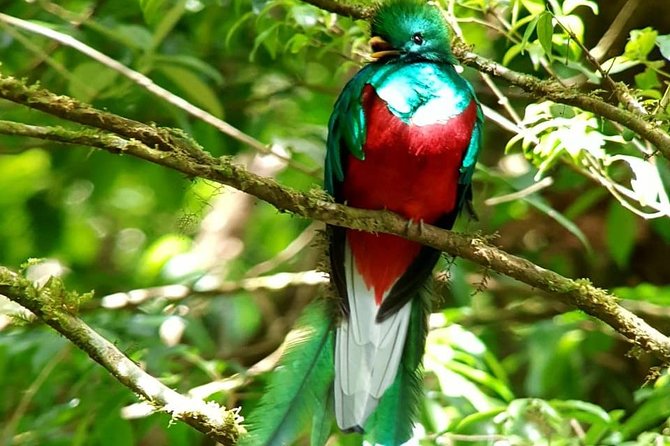
Curi-Cancha has a reputation for putting birding on the map, and the reserve’s star is the quetzal. There’s a strong tip from past experiences: quetzals are more likely in the morning, then they move away later. If you’re coming specifically for that bird, try to prioritize a morning slot and be ready to wait patiently for a glimpse.
Beyond quetzals, you may see:
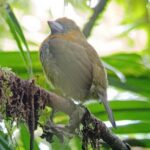
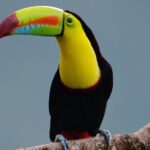
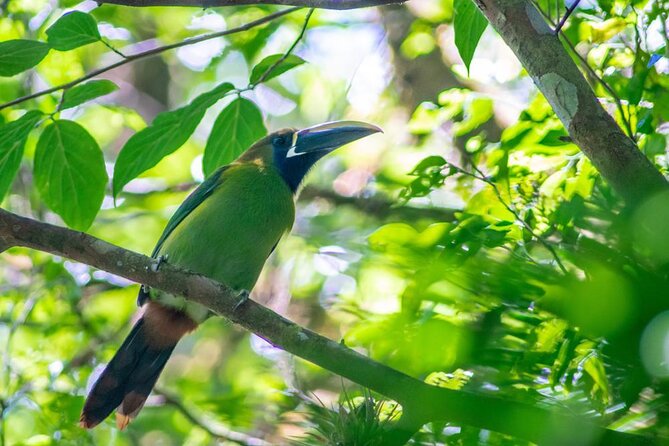
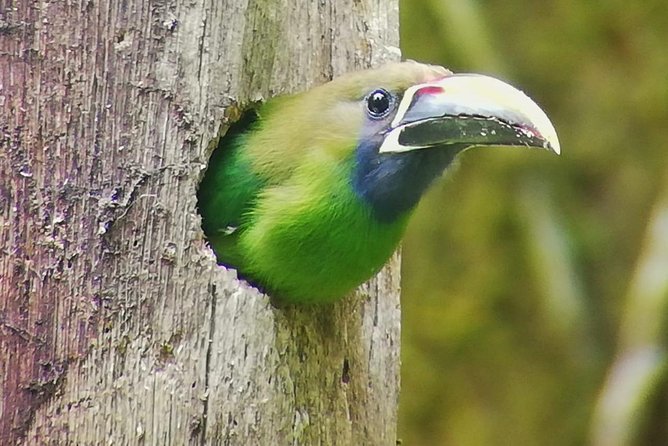
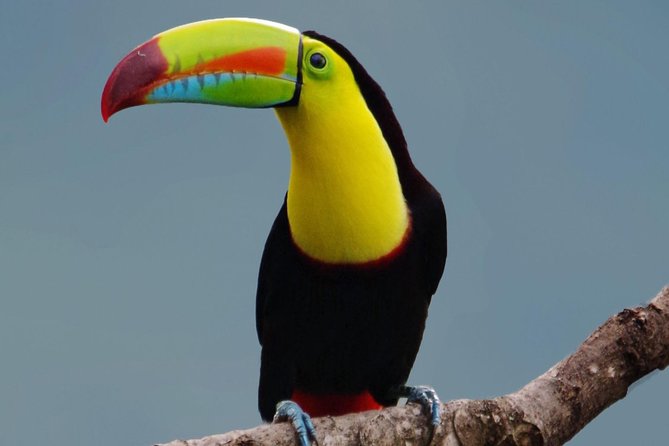
- Toucans
- Hummingbirds
- Other birds such as sparrows
- Mammals like sloths
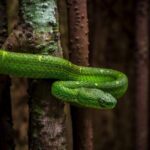
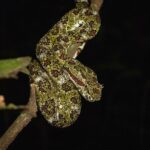
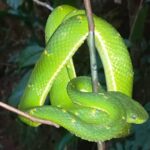
Some experiences have included rarer surprises such as a viper and even a small owl discovered near the end of the walk. You can’t bank on specific animals, but the pattern is consistent: when the guide has time to scan, sightings tend to show up—sometimes in the last stretches, not only at the start.
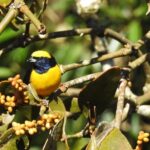
Also, don’t ignore the “small bird” angle. If you can see feathers and not just shapes, the hike feels far more satisfying. That’s where a scope can help a lot, especially for tiny, quick-moving birds that don’t stay in your line of sight.
Why the guide quality matters more than you think
The tour includes a bilingual guide, and that matters for more than language. A good guide doesn’t just name species. They help you understand what you’re looking at—why that bird is there, what to listen for, and how to interpret motion in the canopy.
In past small-group experiences, guides like Mauricio, Johnny, Eliar, Roy, Adam, and Elberth have been highlighted for wildlife spotting skills and clear explanations. You’ll often hear guide stories tied to local ecology—how plants and animals interact, and what makes cloud forest different from other habitats.
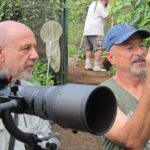
The scope factor is another real value point. When your guide can point, identify, and then help you see the details through a telescope/scope, your “I saw a bird” turns into “I finally saw the bird’s features.” That tends to be the difference between a nice walk and a memorable one.
One fair caution: if the group is large for the space or if multiple people are looking at the same sighting at once, scope time can feel rushed. The tour is listed with a maximum of 9 travelers, so you should generally get workable attention, but if you’re the type who hates waiting, come mentally ready to share the moment.
What to bring for Monteverde rain forest comfort
This is a forest hike, not a city stroll. Even when the sky looks okay at the start, Monteverde can put moisture on everything—leaves, rocks, benches, and your shoes.
I’d plan for:
- Rain jacket (even light drizzle can soak through)
- Good hiking shoes with grip
- Bug protection, because mosquitoes can be intense in this area
- A way to keep essentials dry (small pack cover or zip bag)
A breeze and shade can make the hike pleasant, but the humidity still affects you. If you run cold easily, bring a light layer for when you stop for long scans.
If your goal is birding, also consider a simple camera setup you can use one-handed. You’ll be raising it often, and fumbling with gear while the guide has birds in view is a fast way to miss the moment.
Price and value: $39 is for the guide, not the reserve
Here’s the math. The tour price is $39 per person for the guided hike. The Curi-Cancha reserve entrance fee is $25 per person and is not included in that $39.
So the real all-in cost is about $64 per person, assuming you pay the standard entrance price. Is it worth it? For me, the value comes down to two things:
- You’re paying for eyes + direction, not just walking into the forest. Bird spotting in cloud forest is hard without help.
- The small group format gives the guide a chance to manage scanning, scope time, and questions within the tour window.
If you were doing this alone, you could still walk the trails and enjoy the forest. But you’d likely miss the subtle stuff: calls, movement, and how to locate small birds that don’t hold still.
Who should book this hike (and who might want a different plan)
This tour fits best if you want:
- A guided birding walk with explanations
- A manageable 3-hour nature outing
- A small group setting where you can ask questions
- The best odds at meaningful wildlife sightings, especially with the guide’s spotting skills
It’s also generally described as suitable for most travelers. The reserve trails are often described as walkable, and the experience is kept at a pace that works for a wide range of people.
Where I’d adjust expectations:
- If you need guaranteed wildlife, no guide can promise sightings. The reserve is alive, but animals set the schedule.
- If you’re ultra-sensitive to delays or noise, remember that other people and occasional schedule hiccups can happen in nature tours. In one case, a guide didn’t show up, so I’d recommend arriving early and using clear confirmation details before you set off.
A simple booking checklist before you head out
To get the smoothest experience, I’d do three things:
- Confirm what you’re paying for: the $39 is the guided tour, and the $25 reserve ticket is separate.
- Pick shoes and rain gear first. The forest will decide the comfort level.
- If quetzals are your top goal, try for a morning time slot when possible.
Also, if you’re traveling with kids or anyone who needs animal support: service animals are allowed, and infants must sit on laps. That’s good to know ahead of time so there are no surprises at the start.
Should you book Curi-Cancha with Three Brothers Tours?
If you want more than a generic nature walk, I think this is a solid booking. Paying for a bilingual guide in a bird-rich reserve is usually the fastest way to turn “nice forest” into “I learned something and I saw something specific.” The small-group feel and focus on bird watching and mammals are exactly what you want in Monteverde.
Book it if you’re:
- Bird-curious and want help spotting birds high in the canopy
- Interested in natural history explanations
- Happy to bring rain gear and wait for wildlife
Skip or rethink if:
- You’re only looking for a short, easy stroll with no need for identification
- You can’t handle wet conditions or bugs
- You’re counting on a single guaranteed species like the quetzal regardless of timing
FAQ
How long is the Curi-Cancha hiking tour?
The hike is about 3 hours (approx.).
What is included in the tour price?
The tour includes a guided tour with a bilingual guide.
Is the reserve entrance fee included?
No. The Curi-Cancha reserve entrance fee is $25.00 per person and is not included.
Does the price include transportation?
No, transportation is not included.
Where does the tour start?
It starts at Reserva Curi Cancha, 300 m noroeste Fabrica de Quesos Monteverde, Provincia de Puntarenas, Monteverde, 60109, Costa Rica.
Where does the tour end?
The activity ends back at the meeting point.
Is this tour suitable for most people?
Yes, most travelers can participate.
What is the group size limit?
This tour/activity has a maximum of 9 travelers.
Are service animals and infants allowed?
Service animals are allowed. Infants must sit on laps.
What happens if the weather is poor?
This experience requires good weather. If it’s canceled due to poor weather, you’ll be offered a different date or a full refund.