REVIEW · MONTEVERDE
Sunset And Night Walk Guided Tour
Book on Viator →Operated by Woodpecker Educational Tours · Bookable on Viator
Night falls fast in Monteverde. One moment you’re watching the low mountains and the Gulf of Nicoya fade into evening, and the next you’re hunting the nocturnal world with your guide through the dark.
I love how practical this feels: you get flashlights to help you spot movement, and there’s a telescope too, so sunset turns into real observation time instead of just taking pictures and leaving. Before you start, there’s coffee or tea plus a small snack, which makes the early evening timing feel easier.
One thing to consider: part of the walk includes a steep incline, and the pace can’t fully avoid that. If you have knee or mobility limits, tell your guide early so they can set a gentler rhythm.
In This Review
- Key things you’ll notice on this Monteverde night walk
- A 5:30 pm start that turns sunset into a guided transition
- Monteverde panoramas: low mountains and the Gulf of Nicoya at sunset
- Finding the nocturnal world with flashlights (and realistic expectations)
- Telescope time: why the included gear actually helps
- Trails, pacing, and the steep section you should plan for
- A more personal feel: why a family-owned property changes the vibe
- What you’re paying for: value of a $50 guided night walk in Monteverde
- Who should book this sunset-and-night walk?
- Booking smart: popular timing and weather that actually matters
- FAQ
- FAQ
- How long is the Sunset And Night Walk Guided Tour?
- What time does the tour start?
- Where does the tour take place and where do I meet?
- What’s included in the price?
- Is transportation included?
- What’s the group size?
- What if the weather is bad?
- Is there free cancellation?
- Should you book this guided sunset and night walk in Monteverde?
Key things you’ll notice on this Monteverde night walk
- Small group size (max 10 travelers) keeps the guide attentive and makes it easier to slow down when you spot something
- Flashlight-led searching helps you actually see what’s active after dark, not just hope for it
- Telescope included means you can scan at sunset and late light, when spotting is often best
- A family-run setting gives a more personal feel than a big, polished park experience
- Marked trails and wide paths make it simpler to follow the group in the dark
A 5:30 pm start that turns sunset into a guided transition
This tour starts at 5:30 pm, right when Monteverde begins shifting from day activity to night behavior. That timing matters. A lot of wildlife goes quiet as the light drops, then gradually wakes up as conditions change. By arriving before full dark, you get that useful “in-between” window when you’re ready for both fading scenery and what appears after it.
The whole experience runs about 2 hours 30 minutes. That’s long enough to settle into night mode, take a real guided walk, and still have time to enjoy the sunset views without feeling rushed.
Also, keep your scheduling realistic. Many people reserve ahead of time (on average, this is booked about 41 days in advance), so if you’re traveling in high season, don’t wait until the last minute.
You can also read our reviews of more tours and experiences in Monteverde.
Monteverde panoramas: low mountains and the Gulf of Nicoya at sunset
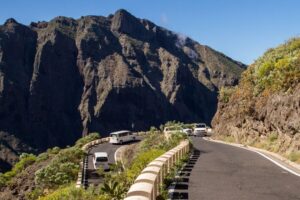
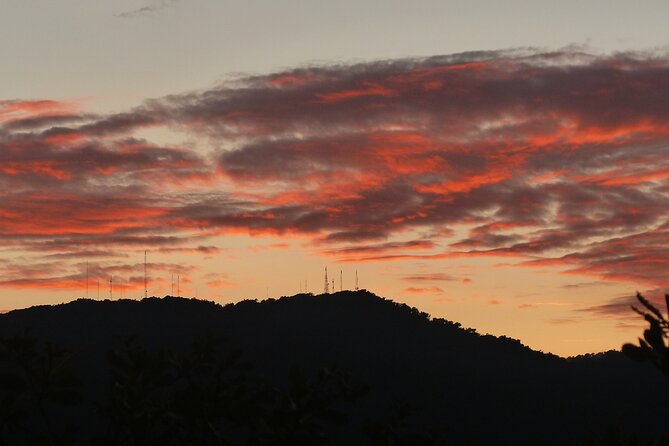
Before you go fully nocturnal, you get the best gift Monteverde offers: a dramatic view. Expect panoramic lookouts over the low mountains and out toward the Gulf of Nicoya as the day cools off and the sky changes color.
What I like here is that the views are not just backdrop. Your guide uses this moment to set context for what you’ll see after sunset—where animals hide, how nocturnal activity starts, and why your eyes need a minute to adjust. It’s a better way to experience Monteverde than speeding to the next stop.
Practical tip: bring your phone or camera, but don’t stare through it the whole time. Watch for the moment your eyes adapt. When you’re scanning for movement at night, that habit carries over.
Finding the nocturnal world with flashlights (and realistic expectations)
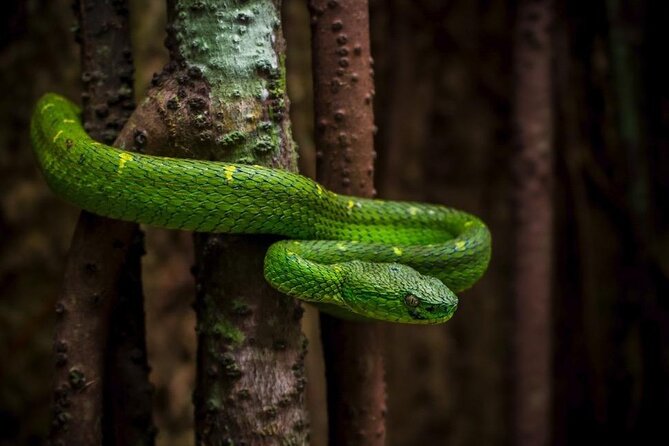
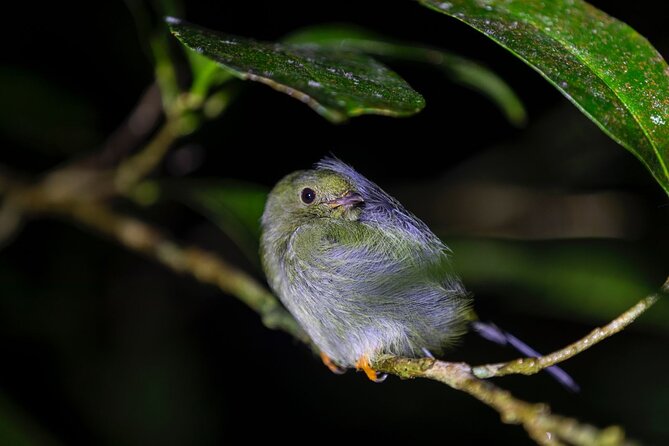
Once it’s dark enough, the tour becomes a guided wildlife search. You’ll explore a nocturnal world with species that usually stay out of sight during daylight hours. Your guide also provides flashlights, and the experience is interactive—you’ll be part of the process of spotting and finding what the guide points out.
What you might see (no guarantees, but these are in the mix):
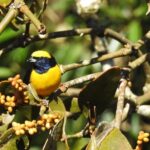
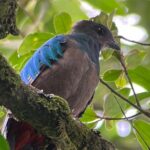
- birds that sleep and other birds that are easier to notice after dark
- owls
- nocturnal mammals like raccoons and other nighttime mammals/rodents
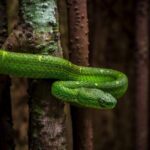
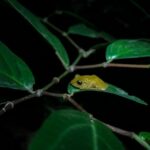
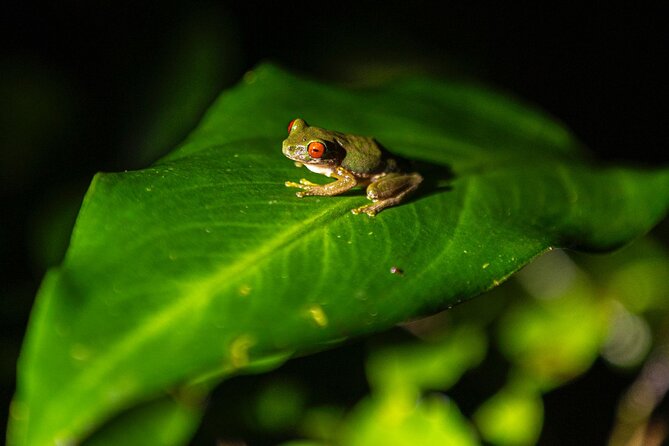
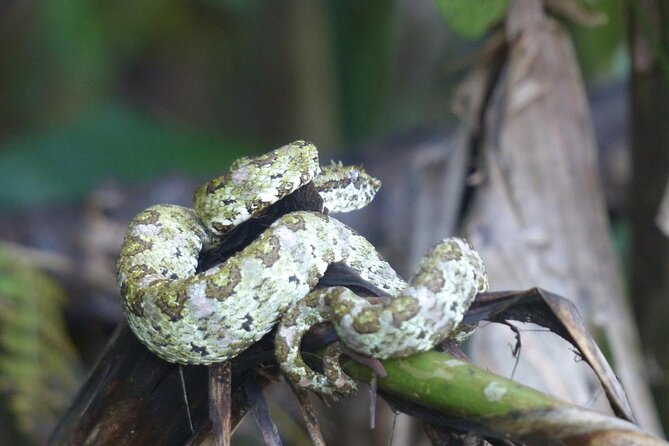
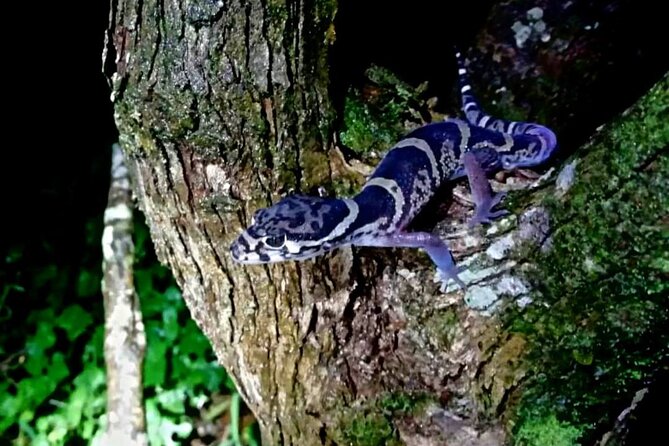
- insects and reptiles such as snakes, plus toads and frogs
From a realism standpoint, this is wildlife, not a zoo. If you’re expecting nonstop action every minute, you’ll probably feel disappointed. Some nights are quiet. Some nights are busy. The win is learning how to look, so every sighting feels meaningful instead of random.
One more caution: in popular areas, you can end up seeing other groups’ beams sweeping the trails. It can make the scene feel more like a nighttime show than a jungle expedition. Try to stay focused on your own group’s direction, and let your guide manage where the light goes.
Telescope time: why the included gear actually helps
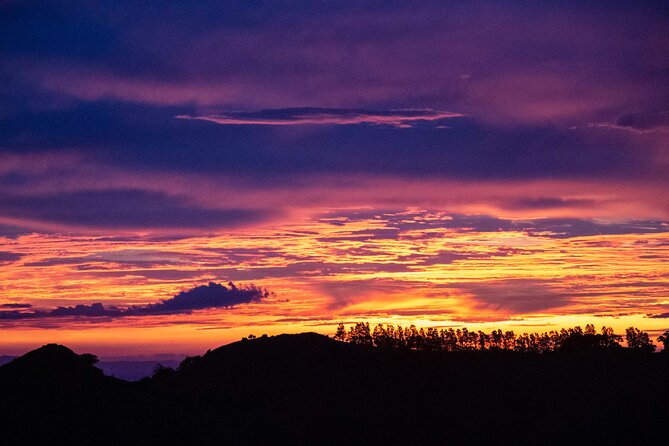
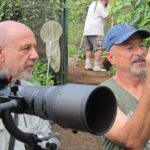
This tour includes a telescope, which is a thoughtful detail for a sunset-to-night experience. Sunset is the easiest time to use it because you still have enough light for the “look again” moments—then you shift into wildlife searching once it gets darker.
Even if you’re not a serious bird watcher, this helps you slow down. You’re not just walking; you’re observing. In Monteverde, that change in pace is half the value.
Trails, pacing, and the steep section you should plan for
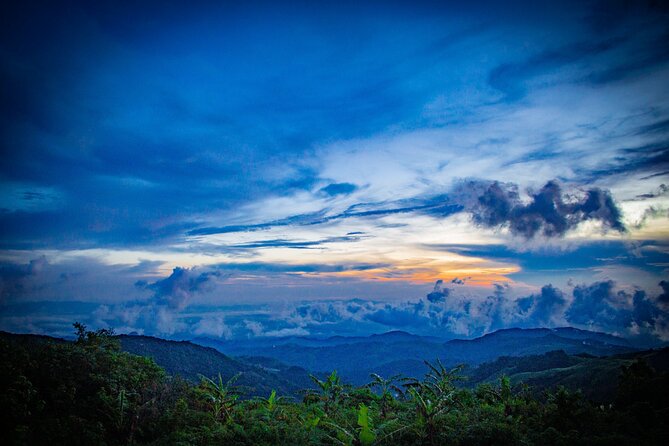
The paths are described as wide and marked, and the overall terrain is straightforward for walking as a group. That said, there is at least one steep incline segment.
The key here is pacing. A good guide will read the group and adjust speed when needed. One guide named Donald was specifically praised for using a gentle pace for older walkers and keeping the experience comfortable while still getting everyone to the best spots.
So here’s the smart move: if you have mobility concerns, mention it before you start. Ask what the incline section will be like and whether there’s room to take short breaks. You’ll get the most out of the tour when you’re not rushing yourself through the hardest part.
What to wear: choose shoes that work well on uneven natural ground, and plan for it to be dark. You’ll be walking as a group while using your flashlight, so stable footing matters more than fancy gear.
A more personal feel: why a family-owned property changes the vibe
This isn’t set up like a giant, industrial nature park. The experience has a family-owned property feel, which changes the tone.
Smaller, more personal settings tend to work better for night walks for two reasons:
- the guide can manage where you stand and how light moves across the trail
- you’re less likely to feel like you’re in a crowd pushing from one platform to another
That matters when you’re trying to see wildlife. Quiet helps. Good guiding helps more.
What you’re paying for: value of a $50 guided night walk in Monteverde
At $50 per person, this tour sits in a mid-range bucket for guided wildlife experiences—but the value comes from what’s included.
Included items:
- flashlights
- telescope
- entrance ticket
- professional guide
- coffee or tea
Not included:
- air-conditioned vehicle
- private transportation
That pricing makes sense if you’re already in the area or using local transport. The tour is near public transportation, so you’re not forced into buying a pricey transfer just to reach the trail.
Where the money really goes: paying for a guide who knows what to look for at night and can keep the group moving safely without wasting the dark time. Night spotting is timing plus technique. You’ll feel that difference during the walk.
If you’re comparing options, don’t just compare cost. Compare how much hands-on guidance you get, and how likely the itinerary is to maximize the transition period from day to night.
Who should book this sunset-and-night walk?
This is a great fit if you like:
- guided nature experiences with real stopping points
- animals that are active at night (and the kind of looking that takes patience)
- the switch from views to wildlife searching in one outing
- a small group setting where the guide can tailor pace and attention
It’s also a decent choice for groups of friends or couples who want something outdoorsy without signing up for a full-day hike.
Who should think twice:
- If the steep incline is a big deal for you, ask about difficulty level before booking. The walk has marked paths and group pacing, but the incline is still an incline.
- If you need constant action or lots of guaranteed sightings, treat this as a nature observation experience, not a vending machine for wildlife.
Booking smart: popular timing and weather that actually matters
Two practical points to plan around:
- Book ahead
With an average booking window around 41 days, this tour can fill, especially when many people want that early evening start.
- Weather matters
The experience requires good weather. If it gets canceled due to poor conditions, you’ll be offered another date or a full refund.
That’s the kind of policy that matters on a night walk. Night wildlife viewing is already unpredictable. You don’t want to show up to muddy trails or reduced visibility.
FAQ
FAQ
How long is the Sunset And Night Walk Guided Tour?
It runs about 2 hours 30 minutes (approx.).
What time does the tour start?
The start time is 5:30 pm.
Where does the tour take place and where do I meet?
The start is at bajo cebadilla, Guanacaste Province, Abangares, Costa Rica, and the tour ends back at the meeting point.
What’s included in the price?
Flash lights, a telescope, an entrance ticket, a professional guide, and coffee or tea are included.
Is transportation included?
No. An air-conditioned vehicle and private transportation are not included.
What’s the group size?
The tour has a maximum of 10 travelers.
What if the weather is bad?
This experience requires good weather. If it’s canceled due to poor weather, you’ll be offered a different date or a full refund.
Is there free cancellation?
Yes. You can cancel up to 24 hours in advance for a full refund.
Should you book this guided sunset and night walk in Monteverde?
Yes, if you want a guided Monteverde experience that focuses on the day-to-night transition and gives you the tools to actually spot wildlife. The flashlights, telescope, and included entrance make it feel like a complete outing rather than just a walk with directions.
If you’re sensitive to inclines or mobility limits, confirm details and be ready for a steep section. And if your dream is nonstop animal sightings, adjust expectations. The payoff here is learning how to look at night—and then enjoying the surprises when Monteverde’s nocturnal residents show themselves.