REVIEW · TENERIFE
La Gomera Day Trip from Tenerife
Book on Viator →Operated by Pindoria Viajes SL · Bookable on Viator
La Gomera feels like a shortcut to another Canary world. This day trip swaps Tenerife’s roads for a ferry crossing and a full island look—starting in the misty Garajonay laurel forests and ending back with a guided walk in San Sebastián. I like how it handles the big logistics for you, so you can focus on scenery instead of schedules.
Two things I’d call out right away: you get hotel pickup and drop-off (not at every hotel, but arranged by a close meeting point), and you also get a structured plan with a local guide, lunch, and a glass of local wine. The main consideration is the pacing: it’s a long day with plenty of coach time, and some stops are intentionally short, so you won’t linger in the way you might with a rental car.
In This Review
- Key Highlights You’ll Care About
- Price and Logistics: Does $126.15 Actually Make Sense?
- Morning Pickup in Tenerife: Where the Day Starts
- Crossing to La Gomera: The Ferry Part Is More Than Transit
- Garajonay National Park: Laurel Forest Views You Won’t Get From a Bus Window
- San Sebastián de La Gomera: Medieval Defense and a Town-Walk Rhythm
- Torre del Conde Park (About 20 minutes)
- Iglesia de la Asunción (About 20 minutes)
- Roque de Agando: A Quick Nature Stop With Big Story Energy
- Lunch and Local Wine: Where the Whistling Language Happens
- The Big Wrap: Returning by Ferry and Getting Back to Your Hotel
- The Human Part: Guides, Driver Skills, and What Language Doings Mean
- Who This Tour Fits Best (and Who Might Skip It)
- Should You Book La Gomera From Tenerife?
- FAQ
- How long is the La Gomera day trip?
- What’s included in the tour price?
- Do I need a passport for the ferry?
- Where does pickup start?
- What are the main stops on the island?
- What time does the tour start?
- What should I bring for the day?
Key Highlights You’ll Care About
- Ferry-first itinerary: travel to La Gomera without renting a car and dealing with parking
- Garajonay National Park: photo stops in the laurel forest with Atlantic viewpoints
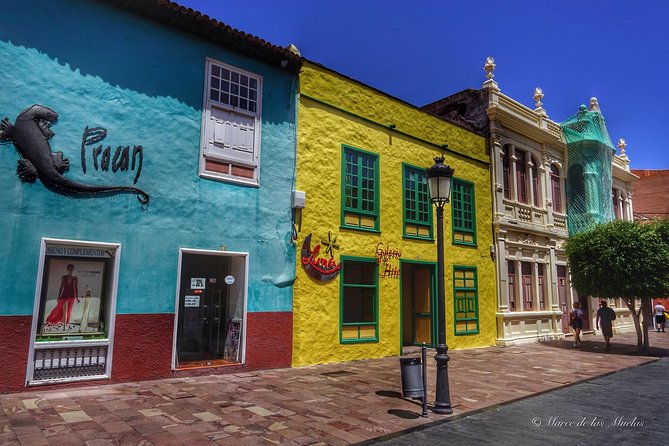
- San Sebastián walking stops: Torre del Conde and Iglesia de la Asunción in town
- Roque de Agando: quick look at one of La Gomera’s most emblematic natural monuments
- Lunch with local wine: plus cultural flavor like the whistling language (silbo) experience at the meal
- Group size up to 34: big enough for value, small enough to move together on the ground
Price and Logistics: Does $126.15 Actually Make Sense?
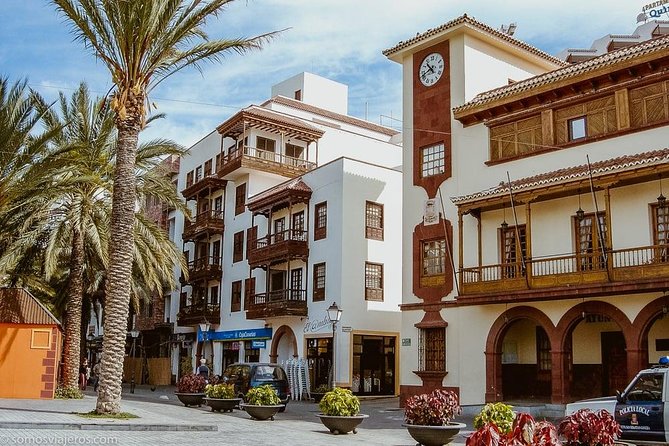
At $126.15 per person for about 10 hours 30 minutes, the value depends on whether you were already thinking ferry + food + guidance. One review notes that the return ferry alone can run around €90 per person. If that lines up with what you’d pay on your own, this tour price starts to look more like paying for the ferry plus the day on La Gomera (guide, town walks, lunch, and local wine).
The other pricing advantage is that your day is bundled. You’re not hunting for tickets, figuring out check-in timing, or doing a “how do I get there from here” puzzle on an island with limited driving options from Tenerife. In practice, it’s a clean choice if you want a big taste of La Gomera without turning your vacation into a navigation exercise.
Still, you should go in knowing this is a “single-day circuit.” Expect travel time to eat up hours. The upside is you see a lot; the downside is you won’t slow down for extra hikes or long museum-style visits.
You can also read our reviews of more tours and experiences in Tenerife.



Morning Pickup in Tenerife: Where the Day Starts
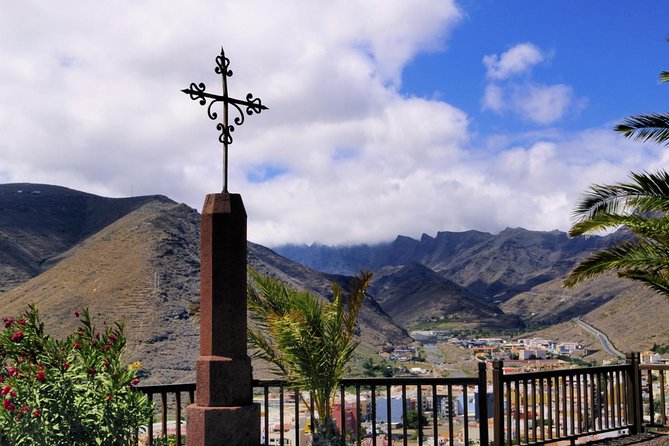
Your tour starts at 8:30am, and the ferry plan begins from the south of Tenerife. Pickup is offered, but not from every hotel. You’ll be assigned a meeting point that should be within a short walk from where you’re staying, and that detail comes through your confirmation email rather than the ticket itself.
If you’re staying in a rural area or farther from the main pickup zone, you may not be collected at your door. Also, pickup is not in the Santa Cruz area of Tenerife. If you’re unsure, you’re expected to call, so do that early rather than waiting until the morning of the trip.
Once you’re in the group, you’ll ride toward the ferry. This is where travel partners and pacing matter: coach travel on a long day can feel great if you’re set up for it (water, comfy shoes), but it can drag if you’re expecting endless time out of the bus.
Crossing to La Gomera: The Ferry Part Is More Than Transit
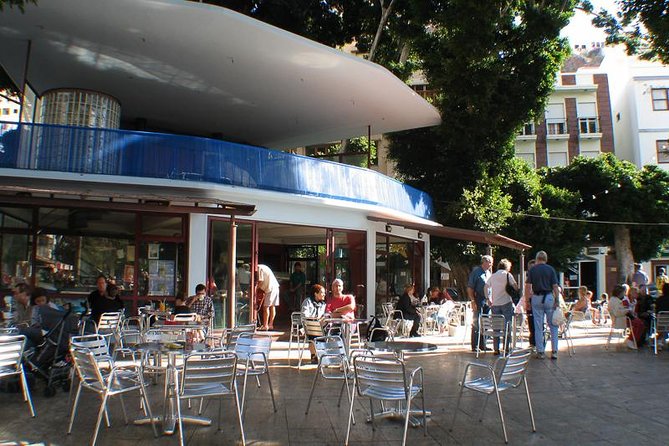
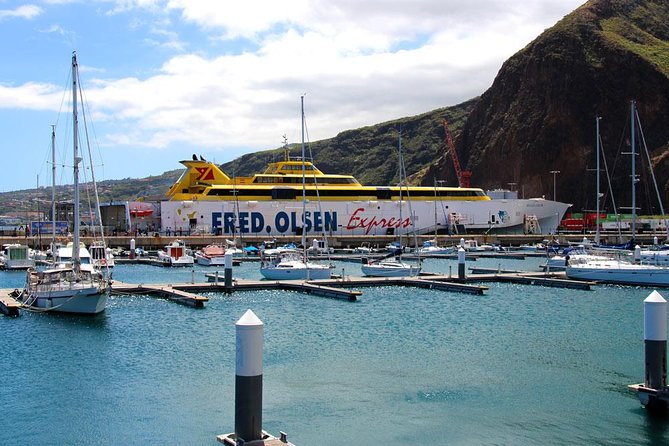
This is one of those trips where the ferry ride is part of the experience, not just a line item. You’ll sail from Tenerife to La Gomera, then return to Tenerife at the end of the day.
Two practical things to take seriously:
- Bring your passport or travel ID. Ferry crossings require it.
- Bring a little weather readiness. Even when Tenerife is bright, La Gomera can bring cooler air, clouds, and mist.
If you’re the kind of traveler who likes stepping onto a different island before you even start walking, you’ll appreciate this. The day feels like it moves in chapters: Tenerife → ferry → island tour → ferry → Tenerife.
Garajonay National Park: Laurel Forest Views You Won’t Get From a Bus Window
Garajonay National Park is the showpiece stop, and it shows in the time you get there: about 40 minutes with room for photo stops and viewing. Admission here is free.
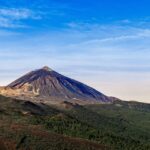
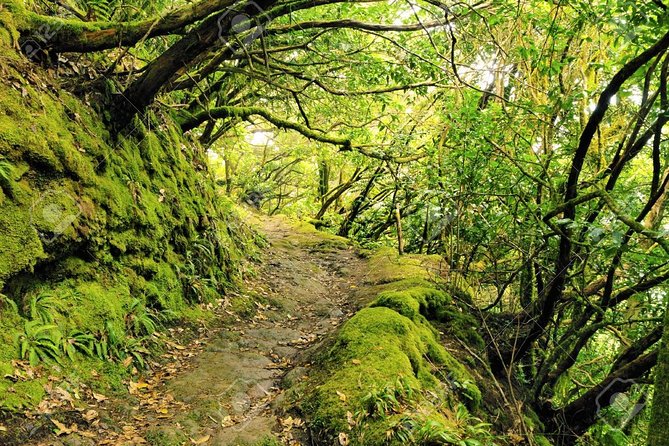
What you’re hunting for is the laurel forest atmosphere. Expect dark, lush-looking greenery and that “cloudy mystery” feel—especially if the weather is doing its thing. You may also get Atlantic views that put Tenerife’s Mount Teide into the mix, which gives you a satisfying sense of geography: islands looking at islands, not isolated blobs on the horizon.
The catch is the short stay. This is not a full hike tour. You’re there to see and photograph, not to trek for hours through the forest. If you want big walking mileage, you’ll likely want a separate hiking day. If you want a strong first taste of Garajonay, this stop does its job.
My best advice: wear shoes you trust on uneven ground, and plan for light changes. A warm layer is smart, because forest air can feel cooler than the coast.
San Sebastián de La Gomera: Medieval Defense and a Town-Walk Rhythm
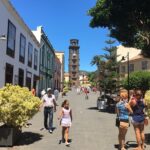
After Garajonay, the tour spends time in San Sebastián, the island’s capital. Here the itinerary shifts from nature to town history, with a guided walking approach plus short windows to wander.

Torre del Conde Park (About 20 minutes)
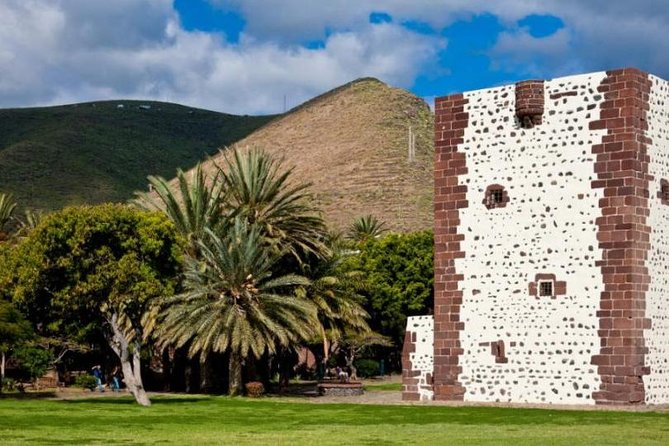
You’ll have around 20 minutes to see Torre del Conde, a medieval fortification built around 1470 as a defense for the island. Admission is listed as not included for this specific stop, but you’ll still get time for photos and a quick look.
This is a good pause because it breaks up the “coach → viewpoint → coach” rhythm. Even if you only catch a few angles, the tower gives you a visual anchor for why San Sebastián matters historically.
Iglesia de la Asunción (About 20 minutes)
Next comes Iglesia de la Asunción de San Sebastián de La Gomera. You’ll get another about 20 minutes, and admission is free.
Canary Islands churches often have a different character from mainland Spain: bright, grounded, and built for local life. Even if you’re not a church superfan, this one is a simple, worthwhile stop if you enjoy architecture and old-town mood.
One note: the town free time is just that—short. If you want to browse shops or sit for coffee, plan on doing it fast and smart.
Roque de Agando: A Quick Nature Stop With Big Story Energy
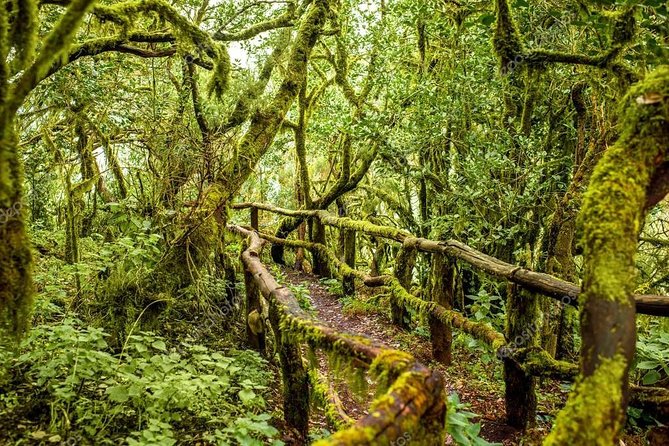
Roque de Agando is short on time—about 10 minutes—but it’s treated as a standout natural monument. Admission is free here.
What makes this stop memorable is the legend attached to it: the site where, in ancient times, the witches of the island met. Even if legends aren’t your main travel fuel, this is still a meaningful way to experience La Gomera’s sense of place. You’re not just looking at a rock; you’re hearing how locals explained the island long before modern maps took over.
Because the time is limited, your success at this stop will depend on weather and how quickly the group moves. If visibility is low and the viewpoint is misty, it can still feel magical—just temper expectations for dramatic panoramic clarity.
Lunch and Local Wine: Where the Whistling Language Happens
Lunch is included, along with a glass of local wine. This matters more than it sounds, because the day is long. Feeding you at the right moment reduces the chance you’ll lose time hunting for food after a ferry and a full morning of stops.
In real-world terms, you can expect a plated meal at a restaurant serving local touches. One example described lunch choices like soup, beef or fish, and pudding, along with red wine and local entertainment. Another mentioned bread rolls and mojo as part of the meal experience. If you’re picky, I’d treat lunch as a good default meal but not something you should build a perfect food day around.
A special cultural moment you might get with lunch is the silbo whistling language demonstration. It’s one of those things that turns a meal break into an island memory.
My practical tip: if you get hungry between stops, bring a small snack. Some parts of the day can compress, and you don’t want your energy tank to dictate your mood.
The Big Wrap: Returning by Ferry and Getting Back to Your Hotel
After your last island stop, you return to San Sebastián for the ferry. The return crossing brings you back to Tenerife, then you’re taken to your pickup area in reverse.
The ride home is usually when people feel the day most. Even when everything runs on time, a 10+ hour total outing can leave you ready for a shower and an early dinner. It’s the kind of day where comfortable shoes and basic hydration habits pay you back.
Also, because pickup points are staggered, your exact return timing can vary depending on where you started. If you’ve booked a reservation that night, give yourself buffer time.
The Human Part: Guides, Driver Skills, and What Language Doings Mean
What can make or break a day trip like this is how it’s narrated. The tour uses a local guide, and the experience is designed to be in English.
In the real world, some guides may speak multiple languages for different segments. That can mean you catch the important pieces in English, but sometimes the explanations feel like they break into snippets. Still, you should expect effort: guides such as Enrico, Paolo, Alex, and Tony are referenced for strong storytelling and island context, and drivers like Fernando and Gustavo are praised for safe handling on tight, winding roads.
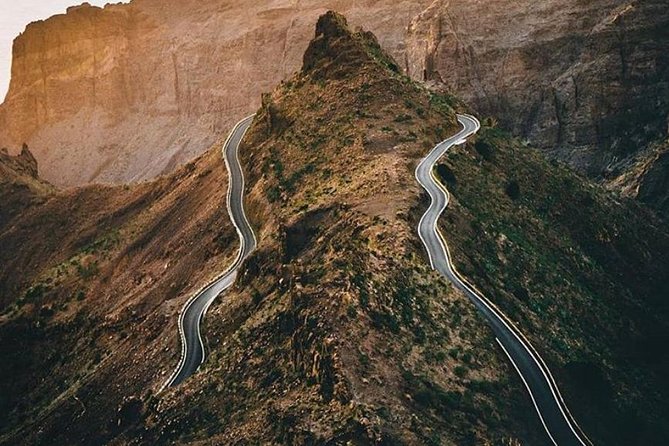
Why this matters for you: La Gomera’s roads can be tight and high up. A calm driver makes the trip easier on everyone’s nerves and backsides. A good guide makes short stops feel meaningful instead of rushed.
Who This Tour Fits Best (and Who Might Skip It)
This tour is built for broad participation, and most travelers should be able to handle it. It’s ideal if:
- you want a car-free way to see La Gomera from Tenerife
- you like structured sightseeing and don’t want to plan ferry logistics
- you enjoy quick town stops plus nature viewpoints in one day
- you’re happy with a “see a lot, move on” pace
It may be less ideal if:
- you struggle with long coach days and multiple transfers
- you have mobility needs that make bus steps and restaurant stairs harder
- you’re sensitive to language switching during narration
- you want long hikes or long stays at each site
One more reality check: even when the itinerary is well organized, the day includes time on the coach and time on and off the ferry. If you hate waiting, pack patience (and water).
Should You Book La Gomera From Tenerife?
If you want a solid first look at La Gomera—Garajonay forests, San Sebastián landmarks, and a memorable natural stop—this tour is a very practical way to do it. The combination of ferry transport, guide time, and lunch with local wine turns a complicated day into something you just show up for.
I’d book it if you’re the kind of traveler who likes clean logistics and a “great overview day.” I’d skip or reconsider if you need a lot of time at one stop, want minimal coach time, or have mobility constraints that would make bus boarding and restaurant steps difficult.
If you do book: bring warm layers, walking shoes, sunscreen, and a small snack. That’s how you’ll enjoy the day instead of getting worn down by it.
FAQ
How long is the La Gomera day trip?
It runs for about 10 hours 30 minutes, approximately, from the morning departure through the return to your pickup point.
What’s included in the tour price?
Hotel pickup and drop-off, a local guide, lunch with a glass of local wine, and the ferry crossing are included.
Do I need a passport for the ferry?
Yes. You’ll need your original passport or travel ID for the ferry crossing.
Where does pickup start?
Pickup is not from every hotel. You’ll be given a meeting point within a short walk from your accommodation, issued in your confirmation email. The start point reference is Submarne Safari PickUp point in Los Cristianos (Av. Juan Carlos I, 24).
What are the main stops on the island?
You’ll visit Parque Nacional de Garajonay, Torre del Conde Park in San Sebastián, the Iglesia de la Asunción, and Roque de Agando. Photo and viewing breaks are built into the schedule.
What time does the tour start?
The start time is 8:30am.
What should I bring for the day?
Wear walking shoes, and bring warm clothes, water, and sunscreen. The tour encourages being prepared for changing conditions.