REVIEW · TENERIFE
Tenerife: Sunset Night Tour and Stargazing at Teide + Dinner
Book on GetYourGuide →Operated by La Excursion · Bookable on GetYourGuide
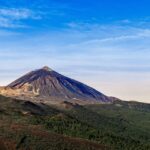
Teide at night feels unreal. This sunset-and-stargazing tour takes you into Teide National Park for dark-sky astronomy, using telescopes and laser pointers to make the night sky feel close.
I like two parts a lot. First, there’s a sunset viewing stop with panoramic views and La Gomera on the horizon, plus chocolates at sunset. Second, the star session is built for real viewing: telescopes, laser pointers, and astronomical binoculars help your guide show planets, constellations, and even galaxies when conditions allow.
One thing to plan for: this is weather-dependent. If clouds roll in, you may get less sky detail than you hoped, and it can still get chilly up there, so warm layers matter.
In This Review
- Key points to know before you go
- Teide’s Night Sky: Why This Tour Feels Different Than Casual Stargazing
- South Tenerife Pickup From the Mirador: The Most Important Logistics
- The Coach Ride Rhythm: How You Stay Comfortable Before the Stars
- Sunset in Teide National Park: The 45-Minute Photo Stop That Sets the Tone
- The Main Star Session (105 Minutes): Telescopes, Lasers, and Real Explanations
- What You Might Actually See Through the Glass (When Conditions Cooperate)
- Dinner Timing: When You Eat in Winter vs Summer
- Price Value: Is Around $39 Good for Teide Sunset and Stargazing?
- What to Bring: Warmth, Shoes, and Camera Readiness
- Photo Stops Without the Rush: How the Schedule Helps
- Who This Tour Fits Best (and Who Might Want a Different Plan)
- Should You Book This Teide Sunset and Stargazing Tour?
- FAQ
- How long is the Teide sunset night tour and stargazing?
- Is dinner included?
- What languages are the guides?
- Do you pick up from anywhere on Tenerife?
- What should I bring for the tour?
- Is it suitable for small children?
Key points to know before you go
- Teide National Park dark skies: you leave the light pollution behind and focus on the sky.
- Sunset + La Gomera view: you’re not waiting until it’s fully dark to enjoy the night.
- Telescopes and lasers, not just talk: guides use tools so you can actually see what they describe.
- Multiple stops, including a local café break: the evening is paced so you’re not running on fumes.
- Guider-led constellation myths and questions: the talk is interactive, not a one-way lecture.
- Dinner timing changes by season: in winter it’s at the end; in summer it starts the experience.
Teide’s Night Sky: Why This Tour Feels Different Than Casual Stargazing
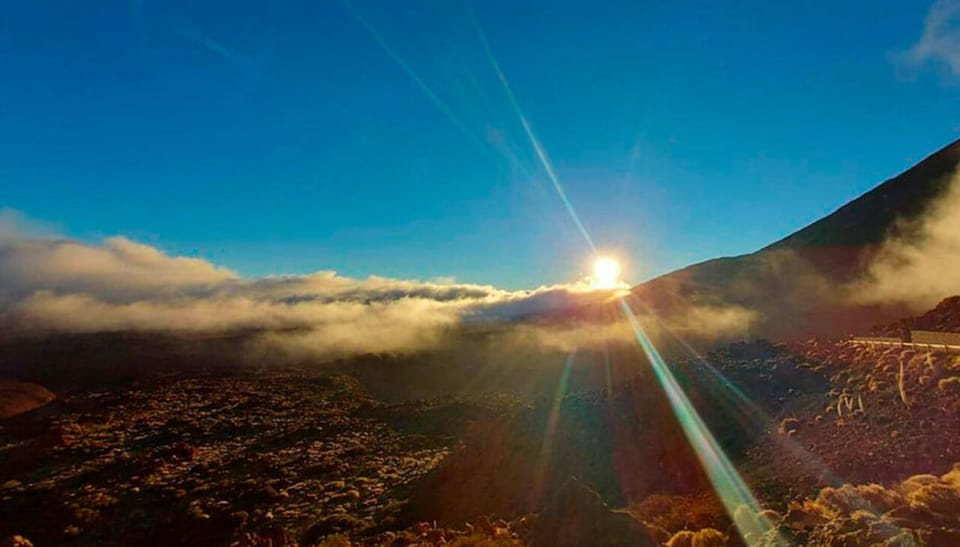
Teide National Park is famous for night skies that stay clearer than what you’d see near town. The tour is designed around that fact: you get transported into the park, you get scheduled photo stops, and then you get time at the main stargazing location when it’s dark enough to matter.
This matters because stargazing is mostly about timing. When you arrive too late, you miss the best moment for a good sky reveal. When you arrive too early, you’re stuck waiting with little to see. This tour builds in both a sunset moment and then a longer guided session once the sky has had time to settle.
You can also read our reviews of more tours and experiences in Tenerife.
South Tenerife Pickup From the Mirador: The Most Important Logistics
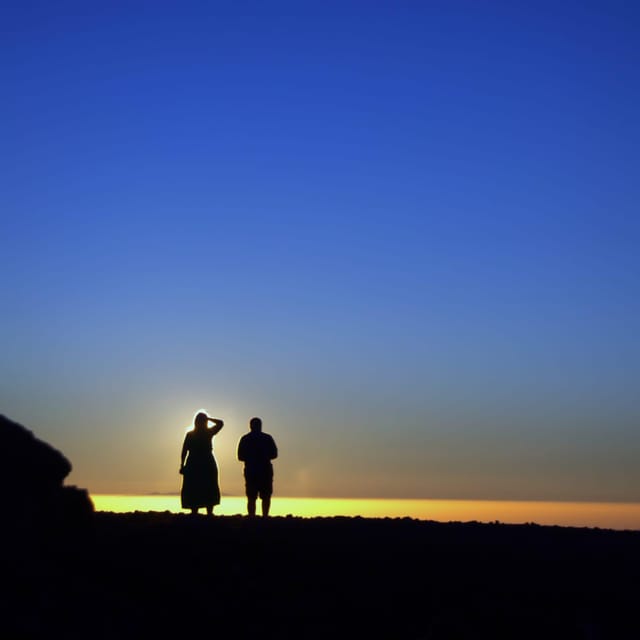
The experience starts at a Mirador meeting point. A guide will greet your group there and confirm your reservation, and you’ll get the guide’s name by message in the morning of your tour so you can spot the right person.
Pickup is optional, and it’s limited to the south of Tenerife. Also pay close attention: the pickup time shown on your voucher is not necessarily your actual pickup time. La Excursion confirms your exact pickup time and location by email or message (often with a map link), and the route timing can shift depending on sunset.
Practical tip: be at the pickup point at least 5 minutes early. The guide will wait no longer than 3 minutes after the scheduled pickup time, so treat the message you receive as the rule, not your first printed time.
The Coach Ride Rhythm: How You Stay Comfortable Before the Stars
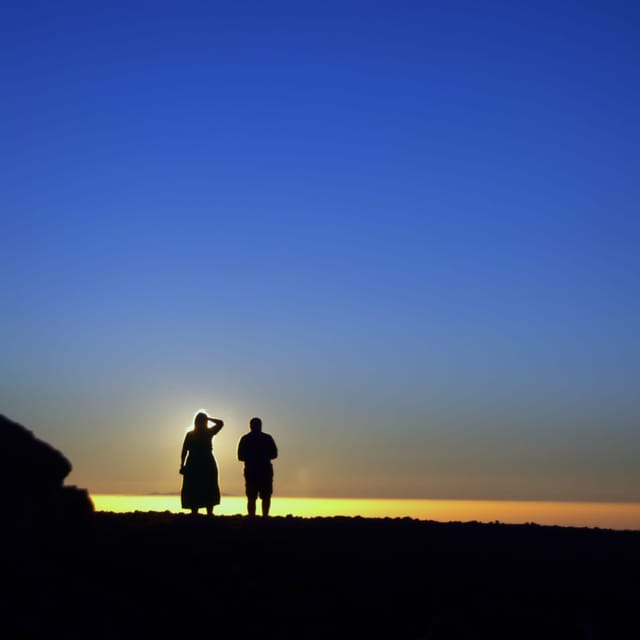
After pickup, you’ll spend time on the coach—then you’ll reach a local café for a short break. This isn’t just a random stop. It’s time to reset before the park gets colder and darker, and it gives you a bathroom break before the longer viewing segments.
Expect multiple coach segments throughout the evening, including a couple of short rides between photo and viewing stops. If you’re prone to getting restless on buses, bring a light distraction (download something offline) and keep your water and snacks simple. You’re traveling, then you’re standing outside while the sky does its thing.
A small reality check: it’s a shared experience on a coach. Based on what people describe, some evenings feel noisier during transit until the guide gets everyone settled. If you need quiet, plan to use headphones or keep your conversation short while you’re still on the road.
Sunset in Teide National Park: The 45-Minute Photo Stop That Sets the Tone
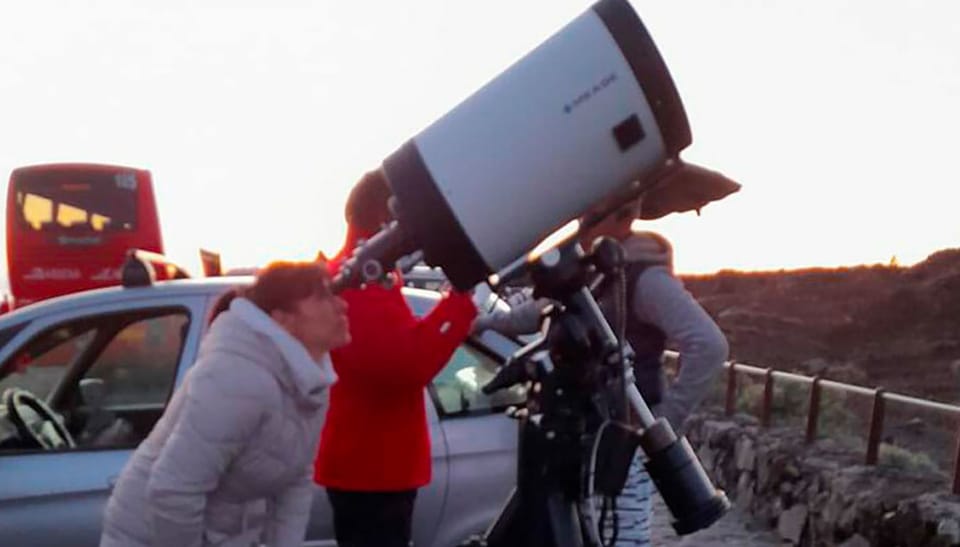
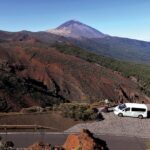
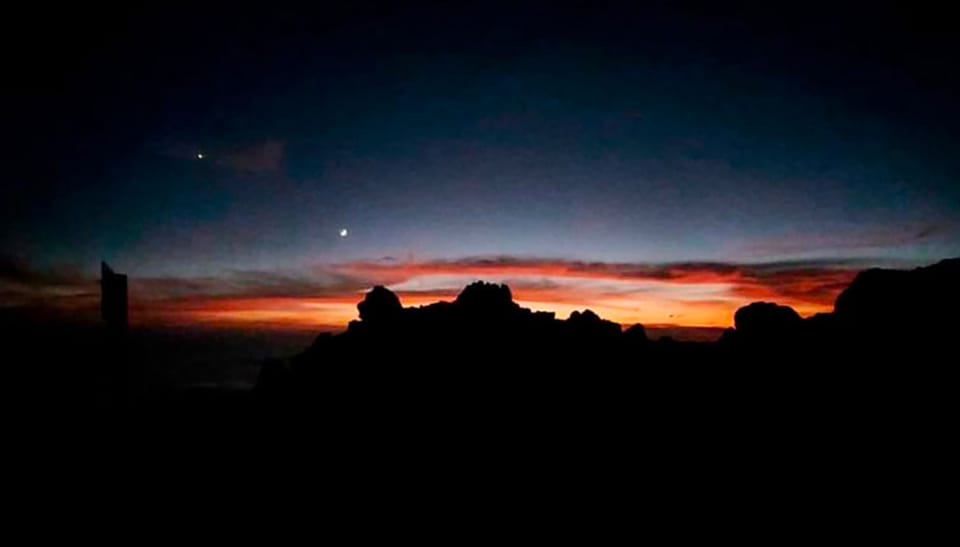
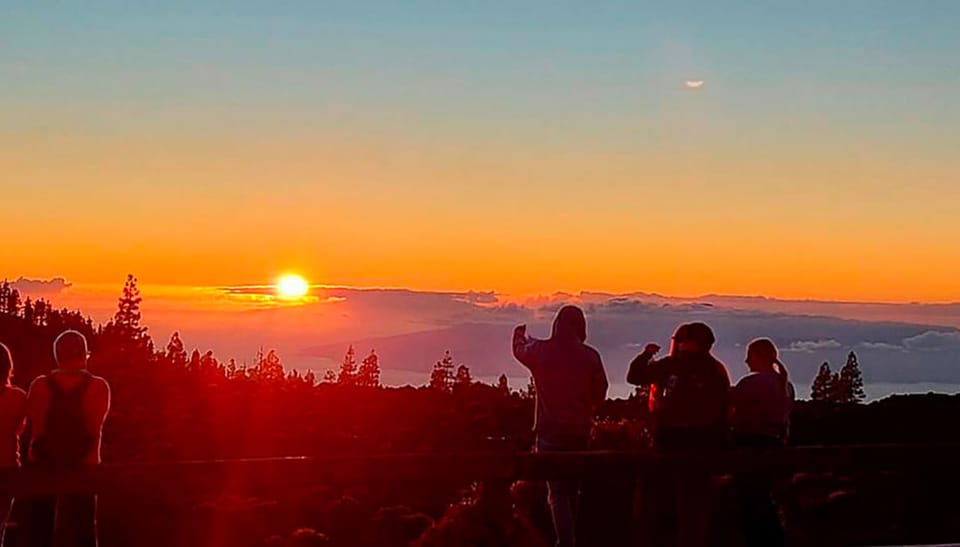
One of the best parts of this tour is that the “main event” starts before it’s fully dark. You get a photo stop and sightseeing time in Teide National Park with a 45-minute sunset window, positioned for views back toward the island of La Gomera.
This is where the emotional payoff begins. Even if you’re not a hardcore astronomy person, watching the sky change color over the volcanic terrain and coastline makes the later star session feel more rewarding. And yes, you’ll get chocolates at sunset, which is exactly the kind of small touch that turns a stop into a moment.
Don’t over-plan your photos here. The sky will move fast, and the goal is to enjoy the view first. If you want photos, just make sure your camera is ready and your jacket is on before sunset hits—because once it’s dark, you’ll be handling equipment with cold hands.
The Main Star Session (105 Minutes): Telescopes, Lasers, and Real Explanations
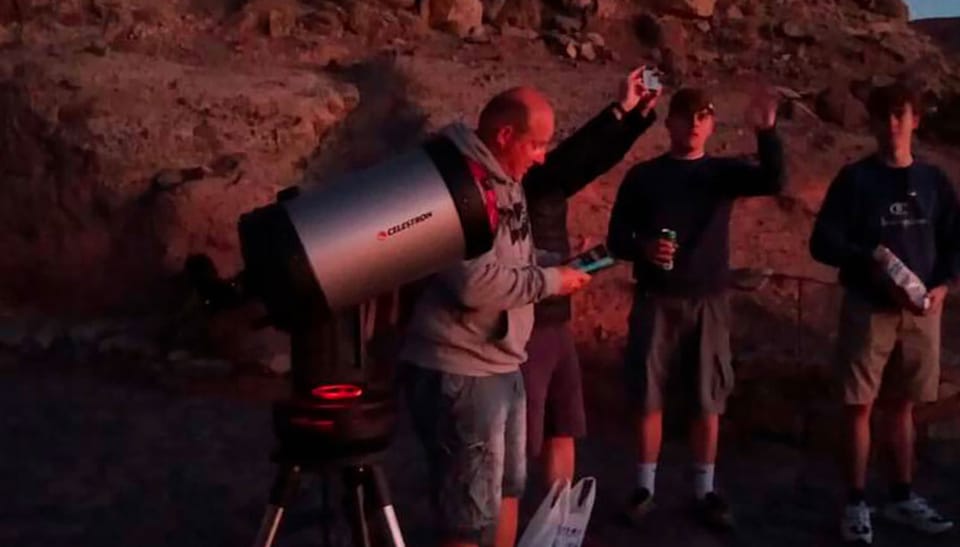
After another short ride, you settle into the main area for a longer 105-minute guided tour. This is the part most people remember, because it’s not only about stories—it’s about seeing.
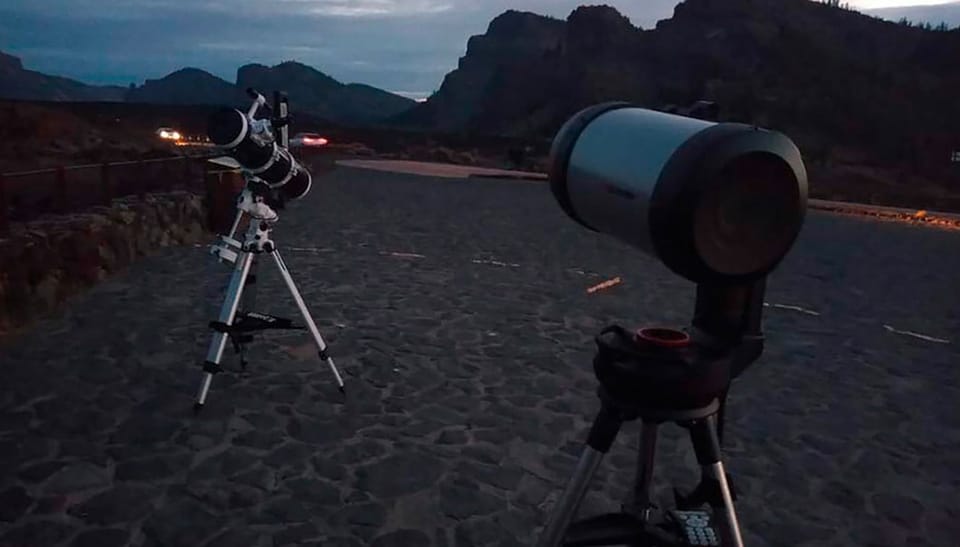
You’ll use telescopes to view the sky through the guide’s explanation, and laser pointers help connect the myths and facts to what you’re actually looking at. You’ll also have access to astronomical binoculars, which are great when you want to scan the sky between telescope turns.
What makes the guidance feel practical is that the tour mixes sky facts with constellations and their legends. You get a sense of where to look and what to name, so the night sky stops being random dots. If you ask questions, the guides are there to answer, and that turns your viewing into a learning session instead of a passive show.
In the comments connected to this kind of tour, guides named Maria and Roberto show up as standouts for explaining planets, constellations, and what you can see through the equipment. One guide was even praised for helping people see detail like Jupiter’s satellites and Saturn’s rings—exactly the kind of outcome you’re paying for when the timing and tools line up with clear conditions.
What You Might Actually See Through the Glass (When Conditions Cooperate)
Stargazing outcomes vary with weather, but the tour’s toolset points toward high-impact targets. Telescopes and binoculars are ideal for seeing bright planets, moon details, and constellation structures that help you orient quickly.
If the night is clear, guides can often help you spot objects beyond just the Moon and the brightest stars. Comments on this experience describe seeing Saturn’s rings and Jupiter’s satellites, which is a huge deal because those are not easy sights from streetlight-heavy areas.
A helpful way to think about this: you’re not booking a guarantee. You’re booking an organized night designed to maximize your odds. When the sky behaves, the equipment and the guidance turn “wow, stars” into “I can name what I’m seeing.”
Dinner Timing: When You Eat in Winter vs Summer
Dinner is included only if you choose the dinner option. If you do, the schedule shifts by season: in wintertime, dinner happens at the end of the experience, while in summertime it’s at the beginning.
The restaurant is described as typical and family-style, and people note it as a cozy stop that complements the cold, dark experience. There’s also mention of a vegetarian option, which is a good sign if your group has dietary needs.
One practical note for your planning: don’t treat dinner as your only comfort break. The tour already includes a local café break earlier, and you’ll spend long enough outside at night that you should still plan to manage warmth and hydration. Think of dinner as part of the evening’s comfort, not as a substitute for preparation.
Price Value: Is Around $39 Good for Teide Sunset and Stargazing?
At about $39 per person, you’re paying for more than just entry into a view spot. You’re paying for transport by air-conditioned coach (when the option is selected), an astronomer-led experience, and the equipment: telescopes, laser pointers, and binoculars.
That value adds up because astronomy nights are expensive in the time-and-tools department. Your guide also shares structure: where to look, how to interpret constellations, and tips for photos. Those “in-the-moment” explanations often make the difference between leaving with a few blurry photos and leaving with a real understanding of what you saw.
If you’re comparing alternatives, the most cost-effective choice is often the one that handles the logistics for you. This tour does the pacing with multiple stops and gives you a route with pickup/drop-off points across the south—so you don’t have to drive yourself into the dark or time sunset and stargazing correctly.
What to Bring: Warmth, Shoes, and Camera Readiness
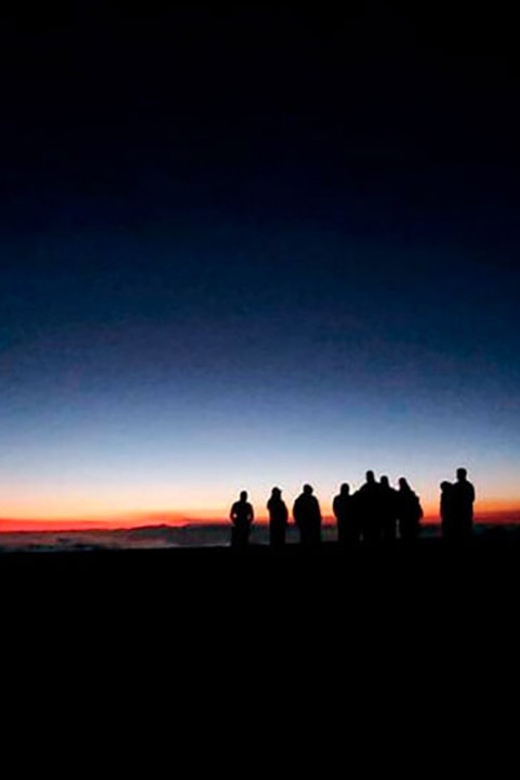
This is an evening in the open. Even if you’re used to mild beach weather, bring clothing that handles cold. The tour specifically suggests warm clothing, comfortable shoes, and a camera.
A lot of people mention packing practical extras like a hat and warm layers. If you forget long trousers or a jacket, you’ll spend part of the stargazing session thinking about your body instead of the sky.
Also pack:
- A camera you already know how to use (no last-minute learning)
- Any comfortable layers you can remove if you get warm on the coach
- Weather-appropriate clothing in case conditions change quickly
If you’re doing photos, take the photo tips seriously. The tour includes tips for photos, which likely means you’ll get guidance on what to aim for and how to think about timing.
Photo Stops Without the Rush: How the Schedule Helps
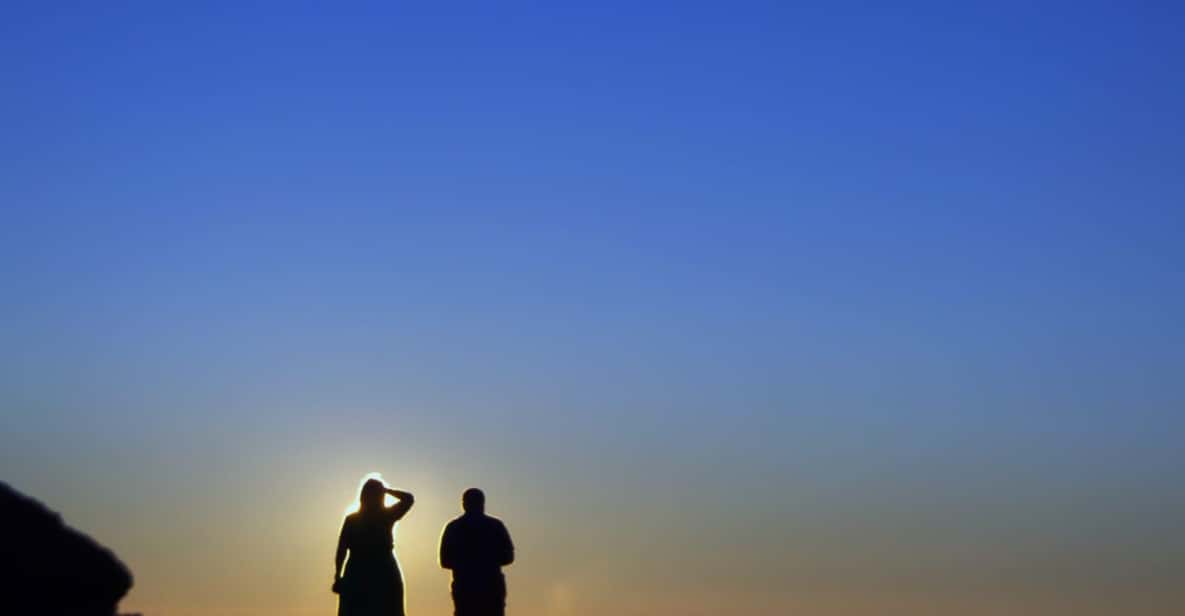
You get at least two photo opportunities in Teide National Park: one at sunset and another during the longer main session. The photo stops matter because it gives you a chance to capture the sky before you’re fully dependent on telescope sessions.
The big trick is balancing viewing and shooting. If you try to do everything yourself, you’ll lose time and you’ll miss the guide’s cues. If you listen closely, you’ll know when a constellation is rising, when the guide is switching focus, and what object to try next.
The included advice for photos helps most because it reduces guesswork. You’re not just hoping your settings are correct—you’re being guided toward what will actually look good once you frame it.
Who This Tour Fits Best (and Who Might Want a Different Plan)
This tour is a great match if you like:
- Nature and volcanic scenery paired with a science lesson
- A guided way to learn constellations and their stories
- Using equipment (telescopes, lasers, binoculars) rather than only looking around
- Optional dinner, especially if you want the evening to feel complete
It can be less ideal if you get uncomfortable on buses or you hate cold weather. Also, if your priority is maximum time staring through a telescope with zero waiting, note that the evening is built with multiple segments and photo stops. You’ll have plenty of viewing time, but it’s structured as a complete experience, not just one long telescope session.
Should You Book This Teide Sunset and Stargazing Tour?
If you want an organized, high-value night in Teide National Park, I think this is a strong pick—especially at around $39. The combination of sunset views, expert-led astronomy, and real telescopes makes it more than a casual stargazing trip.
Book it if you:
- Can handle cold evenings and will dress for it
- Want help finding things in the sky (not just seeing stars)
- Appreciate a schedule that gets you into the right places at the right times
Skip it or adjust expectations if:
- You’re extremely sensitive to weather changes and low light (clouds can reduce results)
- You hate shared bus rides and want total quiet throughout
In short: if you’re here for a night that mixes scenery with science tools, this is the kind of tour that usually pays off.
FAQ
How long is the Teide sunset night tour and stargazing?
The duration is listed as 2.5 to 6 hours, and starting times vary by availability.
Is dinner included?
Dinner is included only if you select the dinner option. In winter it’s at the end of the experience, and in summer it’s at the beginning.
What languages are the guides?
The live tour guide is offered in Spanish, English, and Russian.
Do you pick up from anywhere on Tenerife?
Pickup is optional and only available from the south of Tenerife. Your exact pickup time and location are confirmed by message or email before the tour.
What should I bring for the tour?
Bring comfortable shoes and warm clothing, plus a camera and comfortable clothes suitable for the weather.
Is it suitable for small children?
The tour is not suitable for children under 2 years.