REVIEW · SARDINIA
Culurgiones Cooking Class Cagliari
Book on Viator →Operated by Damiano Usala · Bookable on Viator
Making culurgiones in Cagliari feels like learning a family ritual. This 3-hour class in a home-style setting (max 8 people) teaches the dumpling technique step by step while you cook a Sunday-style lunch.
I especially like that the lesson is practical, not just watch-and-walk. You work with durum wheat dough while potato and sauce simmer in the background, and you’re part of the pacing instead of waiting around.
The one thing to consider is how filling works in a group. You may make your own stuffing and seasoning, but the end lunch can end up with pastas shared together, so if you really don’t like cheese it’s smart to think twice.
In This Review
- Key things to know before you wrap culurgiones
- Getting to the class in Cagliari (and why the meeting matters)
- Inside the kitchen: how the culurgiones class starts
- Dough basics: the durum wheat difference you’ll notice
- The filling: potatoes, mint, and cheese (and why it’s Sardinian)
- Sealing the dumplings: the hands-on skill that makes or breaks it
- The lunch part: apps, wine, and eating what you made
- Dessert liquor: myrtle (Mirto) at the end of the meal
- How long it takes and what the pacing feels like
- Price and value: is $96.79 a good deal?
- Who this class is best for (and who should skip it)
- Should you book Culurgiones Cooking Class Cagliari?
- FAQ
- What time does the class start, and how long is it?
- Where is the meeting point?
- Is the class offered in English?
- How many people are in the group?
- Is there a minimum age?
- What’s included in the meal?
- Can I cancel for a full refund?
- FAQ
- Do I get a mobile ticket?
- Is confirmation sent right after booking?
- Are service animals allowed?
- What if I’m sensitive to cheese?
- Is it near public transportation?
- What happens during the cooking portion before lunch?
- Is the class always at the same location?
Key things to know before you wrap culurgiones
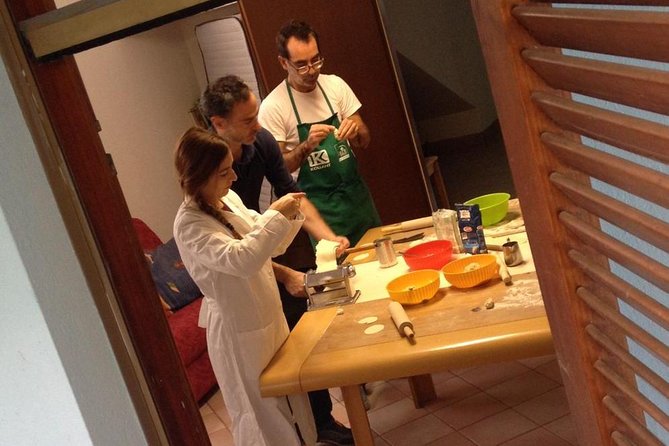
- Small group (up to 8) means you get real attention while sealing dumplings
- Hands-on sealing is the core skill, not just shaping for photos
- Local ingredients are emphasized: potatoes, mint, and cheese, plus durum wheat flour
- Lunch is included with appetizers, wine, and the culurgiones you helped make
- English-led instruction makes it easier to follow technique and timing
Getting to the class in Cagliari (and why the meeting matters)
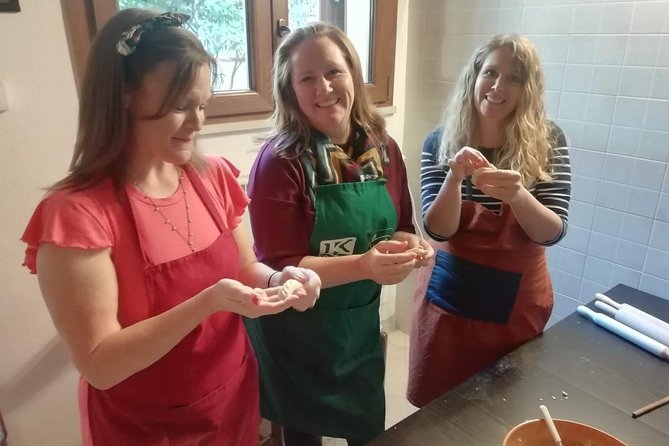
The class meets at Via Cettigne, 20, 09129 Cagliari and starts at 11:00 am. It ends back at the meeting point, so you’re not stuck figuring out transport after lunch.
Because this is near public transportation, it’s easy to slot into a day without turning your plans into a scavenger hunt. And since it’s described as taking place within the host’s home, arriving a few minutes early helps you settle in and get oriented.
That home-kitchen setting changes the feel of a cooking class. You’re not in a demo hall, you’re in the real rhythm of a meal: table set, ingredients ready, and a group learning together at the same pace.
You can also read our reviews of more tours and experiences in Sardinia.


Inside the kitchen: how the culurgiones class starts
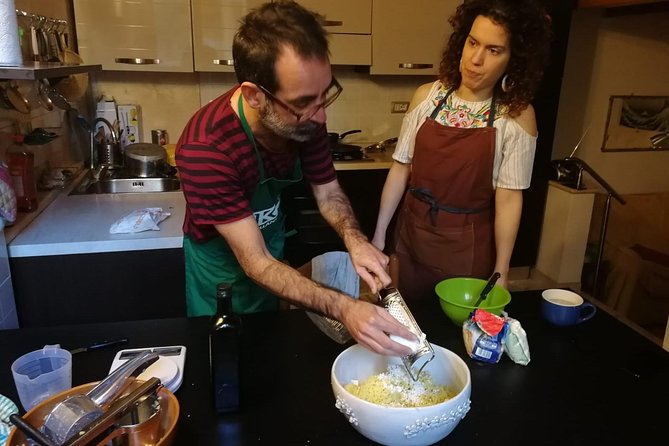
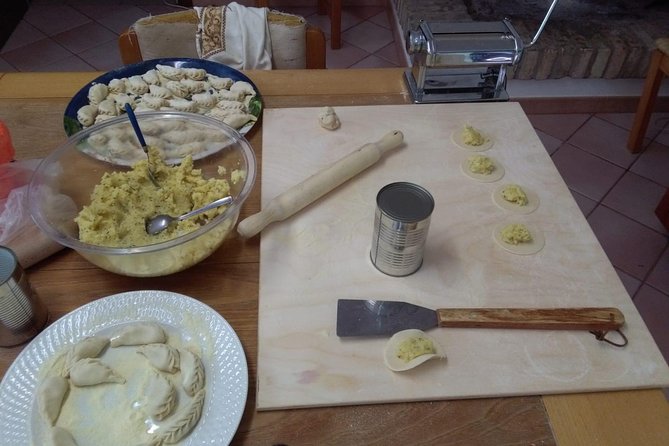
You begin cooking while key elements are already moving—potatoes and tomato sauce get started, then you join in with the pasta prep. The instruction centers on making the dough and getting everything organized so the timing stays friendly.
You’ll use durum wheat flour from a Sardinian local producer, which matters more than it sounds. Durum has a different texture and bite than some softer flours, so it helps the dough feel workable while you shape and seal.
After the dough and filling groundwork, the table gets set and the group shifts into lunch mode. That transition is one reason this class feels like more than a hobby workshop: it’s training you for the whole Sardinian meal flow, not just one step.
Dough basics: the durum wheat difference you’ll notice
The class starts you on the pasta dough process, using durum wheat flour. Even if you’ve made pasta before, you’ll likely notice how this dough behaves when you’re working it for stuffing and sealing.
In culurgiones, the dumpling skin has to be thin enough to wrap cleanly but sturdy enough to hold during cooking. Learning in a structured way—rather than trying to freestyle at home later—makes your shapes far more reliable.
As you work, you get guidance so you’re not guessing at whether your dough is too dry, too soft, or not sealing fully. That’s a big deal if you’re a first-timer who’s worried about ruining a whole batch.
The filling: potatoes, mint, and cheese (and why it’s Sardinian)
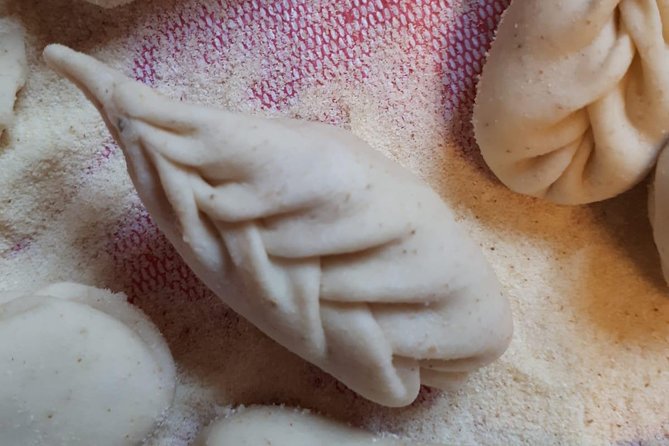
The heart of culurgiones is the filling. Here, you’re working with ingredients rooted in the island style: potatoes, mint, and cheese. The emphasis on local farmers shows up in how they describe the ingredients, and it also shapes the flavor balance.
Potato makes the filling cohesive, mint brings a cool herbal note, and cheese adds the creamy saltiness that gives culurgiones their comfort-food identity. If you like savory dumplings with a bright edge, this class points you straight at that.
One small consideration: cheese shows up repeatedly across the menu and the experience. If you love cheese, you’re in luck. If you avoid it, check in carefully about how your portion will be handled during shared lunch.
Sealing the dumplings: the hands-on skill that makes or breaks it
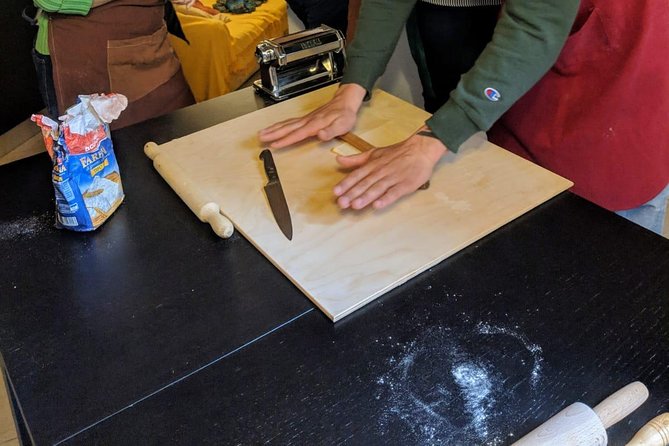
This class is built around one main skill: preparing and sealing each dumpling. You’re not just making pasta; you’re learning how to close it so it stays intact.
When people talk about why culurgiones are special, it often comes down to the details of sealing—getting edges to adhere, shaping so the dumpling holds together, and learning the technique well enough to repeat it. In this session, that’s what you practice.
You’ll get hands-on instruction while you shape and seal, and the group size helps here. With up to 8 people, you’re more likely to get specific feedback instead of general pointers everyone hears at once.
And yes, there’s an easygoing vibe. The best cooking classes teach technique, but the good ones also keep you from panicking when a seam doesn’t want to stick.


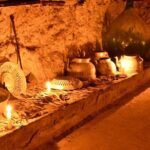


The lunch part: apps, wine, and eating what you made
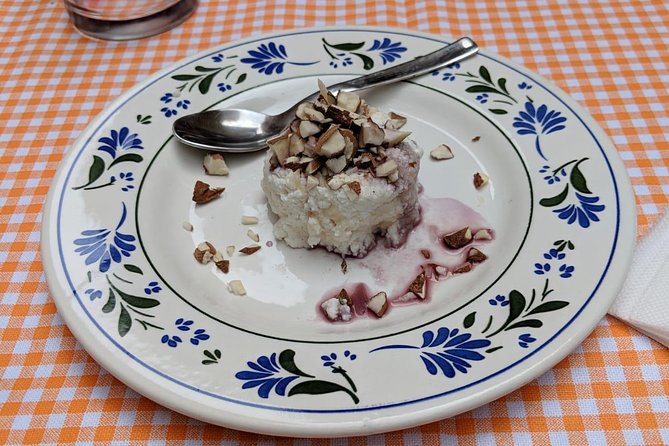
Lunch is included, and it’s structured like a proper Sardinian meal: appetizers first, then the culurgiones you made, then a local digestif. Expect a glass of local wine, plus an appetizer spread that sets the stage.
For starters, the menu includes a selection of Sardinian cheese (minimum of two types) and a seasonal vegetarian appetizer such as pickled vegetables or vegetables in oil. This is a helpful pairing system: you taste the island’s dairy and then move into dumplings that carry similar flavors through potato, mint, and cheese.
For the main course, you’ll eat the result of the class—your own culurgiones, plus the group meal. The description also notes a fun payoff: the more dumplings you prepare, the more there is to enjoy.
In at least some sessions, culurgiones have been served with simple finishes like a drizzle of extra virgin olive oil and a sprinkle of Parmiagiano Reggiano, and there’s also mention of tomato sauce pairings. That variety is useful because it shows you how the same dumpling can taste different depending on the sauce approach.
Dessert liquor: myrtle (Mirto) at the end of the meal
Dessert is a local touch: dessert liquor made with myrtle (Mirto). If you’ve never tried it, think of it as a digestif—something at the end that rounds out the meal rather than turning it into a heavy dessert course.
This ending matters because it turns the class into a full experience. You’re not just leaving with a recipe; you’re tasting the island’s rhythm: cook, eat, talk, sip, and then wrap up.
How long it takes and what the pacing feels like
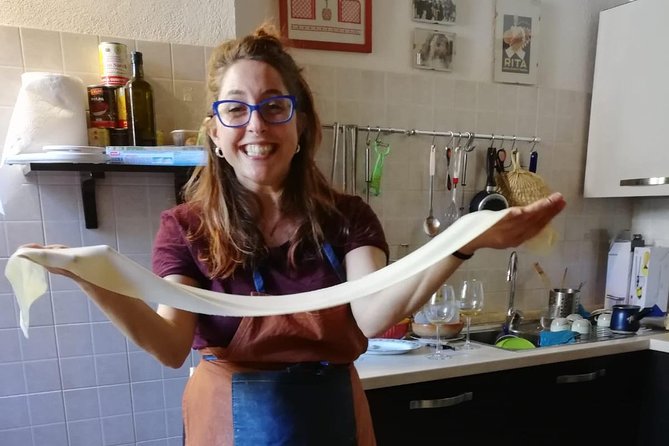
The class runs about 3 hours and starts at 11:00 am, so you’re likely eating lunch around midday, not late afternoon. That timing is ideal if you want a food experience that doesn’t steal your entire day.
The structure also helps beginners. Instruction begins with dough and prep tasks while other elements cook, so you’re learning in parallel rather than one complicated step at a time.
The experience is described as family friendly with a minimum age of 4 years, which suggests the teaching pace is not overly rushed. Still, it’s hands-on cooking, so little kids will want patience and adult support.
Also, since instruction is offered in English, you should feel comfortable following technique explanations. The group format (max 8) makes it easier for instructors to spot where you’re stuck.
Price and value: is $96.79 a good deal?
At $96.79 per person, this class sits in the mid-to-upper range for cooking experiences. The value comes from what’s bundled together.
You get:
- instruction on making and sealing culurgiones
- ingredients that are described as local (durum wheat flour, potatoes, mint, cheese)
- appetizers and wine
- the culurgiones meal tied to what you helped produce
- a traditional ending with myrtle liquor
That’s not just a cooking demonstration; it’s a ticket to a complete meal plus a skill. If you’re the type who likes to learn one signature technique you’ll actually use later, the price starts to make sense fast.
If you’re only looking for a light snack or a quick tasting without getting hands dirty, you might feel the cost more than the learning. But for anyone who wants a real, repeatable pasta skill, this looks like strong value.
Who this class is best for (and who should skip it)
This is a great fit if you:
- want a real Sardinian food experience tied to a specific dish
- love cheese-forward flavor (the menu and dumplings lean that way)
- want hands-on instruction with a small group
- travel as a couple, friends, or a small family and want a shared activity
It may be less ideal if:
- you strongly avoid cheese or mint flavors
- you don’t want to do tactile tasks like dough handling and sealing
- you prefer large tourist-style classes where you watch more than you make
Should you book Culurgiones Cooking Class Cagliari?
I’d book it if your priority is learning a technique with strong local grounding. The combination of small-group attention, hands-on sealing, and a full lunch (apps, cheese selection, wine, and Mirto) makes it feel like more than an afternoon activity.
Book with extra confidence if you’re excited by potato-and-cheese dumplings and want a Sardinia-specific dish you can talk about for years. If cheese is a hard no for you, double-check how the shared lunch is handled before you commit.
If you’re aiming for a memorable Cagliari meal that teaches you something concrete, this one deserves your slot.
FAQ
What time does the class start, and how long is it?
It starts at 11:00 am and runs for about 3 hours.
Where is the meeting point?
The meeting point is Via Cettigne, 20, 09129 Cagliari CA, Italy. The activity ends back at the meeting point.
Is the class offered in English?
Yes, the experience is offered in English.
How many people are in the group?
The class has a maximum of 8 travelers.
Is there a minimum age?
Yes. The minimum age is 4 years.
What’s included in the meal?
You’ll have appetizers, wine, the culurgiones you help make, and a dessert liquor made with myrtle (Mirto).
Can I cancel for a full refund?
Yes, free cancellation is available. You can cancel up to 24 hours in advance for a full refund.
FAQ
Do I get a mobile ticket?
Yes, a mobile ticket is provided.
Is confirmation sent right after booking?
The info says you’ll receive confirmation at the time of booking.
Are service animals allowed?
Yes, service animals are allowed.
What if I’m sensitive to cheese?
The class and lunch include Sardinian cheese selection and culurgiones with cheese-based filling described in the experience. If you avoid cheese, consider whether you can comfortably eat what’s included.
Is it near public transportation?
Yes, it’s listed as near public transportation.
What happens during the cooking portion before lunch?
You start preparing pasta while potato and tomato sauce are cooking, then you move into setting up and finishing the dumplings for lunch.
Is the class always at the same location?
The meeting point is fixed at Via Cettigne, 20, and the activity ends back there. The cooking is described as taking place in the host’s home setting.