REVIEW · CRETE
From Chania: Wine and Olive Oil Tasting Tour with Snacks
Book on GetYourGuide →Operated by GS tours · Bookable on GetYourGuide
Crete’s flavors start uphill. This Chania wine-and-olive-oil tour takes you out toward the Kissamos region, with guided tastings at family producers and a stop at one of the world’s oldest olive trees. I like that you’re not choosing between wine or olive oil—you get both, with actual explanation behind what you’re tasting.
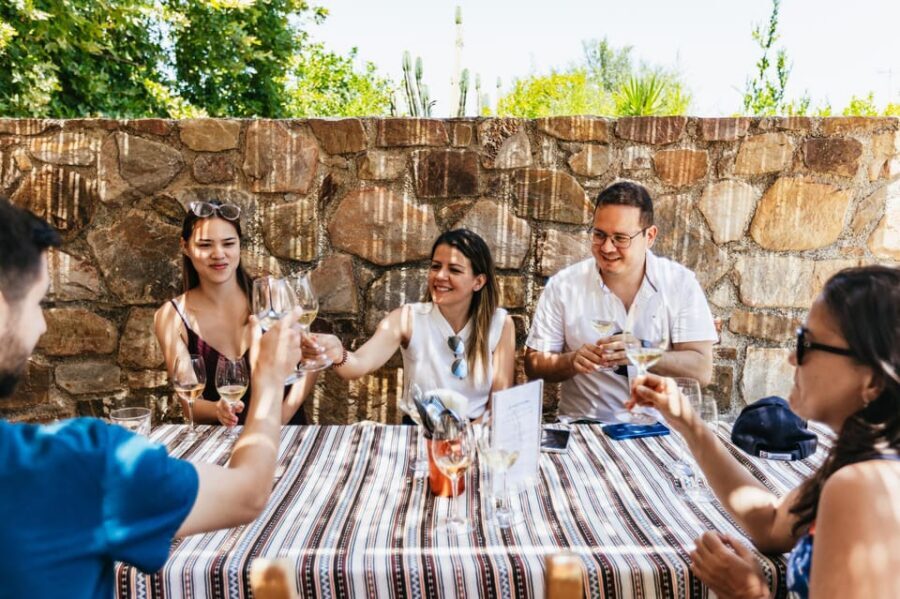
Two things I really like: the way the wineries focus on specific local grapes like Vidiano and Muscat of Spina, and the fact that your tastings are paired with food so it doesn’t turn into straight-down drinking. There’s also a real mix of wine styles, including some international varieties such as Grenache rouge, Syrah, and Mourvèdre.
One consideration: the included meal is more “snacks between tastings” than a full sit-down lunch, so go in hungry-but-not-starving. Also, wine tasting isn’t for kids, with under 18 receiving water or fresh orange juice instead.
In This Review
- Key highlights you’ll care about
- Why this Chania wine-and-olive-oil tour makes sense
- The drive from Chania to Kissamos: where the day starts feeling “different”
- Winery stop #1: a family operation with modern ideas and real grape tasting
- The traditional village stop and the oldest olive tree moment
- Winery stop #2: white wine blends made from local varieties
- Olive oil factory visit: where you finally understand the taste
- Snacks, lunch pacing, and the Cretan goodbye with Tsikoudia
- Price and value: is $141 for 6 hours a fair deal?
- Guides make the difference: what you should expect from the people running it
- Who should book this tour, and who might skip it
- Should you book the Wine and Olive Oil Tasting Tour from Chania?
- FAQ
- How long is the tour from Chania?
- What does the tour include?
- Do I need to bring anything?
- Are kids allowed?
- Can children taste the wine?
- What kinds of wine will I taste?
- Do you stop at the oldest olive tree?
- What language is the tour guide in?
- What are the cancellation and payment options?
Key highlights you’ll care about
- Vidiano and Muscat of Spina tastings plus international varieties like Grenache rouge, Syrah, and Mourvèdre
- A “3,000-year-old” olive tree stop in a traditional village setting
- Extra virgin olive oil factory visit with production info and olive oil tasting
- Two winery stops in the Kissamos region, including a white blend featuring Vilana, Vidiano, and Assyrtiko
- Tsikoudia at the end—a Cretan goodbye that makes the day feel complete
- Air-conditioned pickup-and-dropoff from Chania, often praised for smooth transport and comfort
Why this Chania wine-and-olive-oil tour makes sense
This is a tight, well-planned day that hits Crete’s two biggest agricultural identities: grapes and olives. The format is simple—drive, learn, taste, move on—so you get variety without spending your whole day zigzagging by yourself.
The big value is context. You don’t just sip. You learn how local grape varieties respond to the island’s growing conditions, and you see how extra virgin olive oil is made before you taste it.
And the pacing fits a half-day mindset. At 6 hours, you still get back to Chania with time to shower, reset, and head out for dinner without feeling like your whole vacation has been swapped for wine glass tourism.
You can also read our reviews of more tours and experiences in Crete.
The drive from Chania to Kissamos: where the day starts feeling “different”
You leave Chania with pickup in the region (typically 30–60 minutes before departure). Then the bus heads toward the mountains and countryside around Kissamos, which is a nice change from staying stuck near the coast.
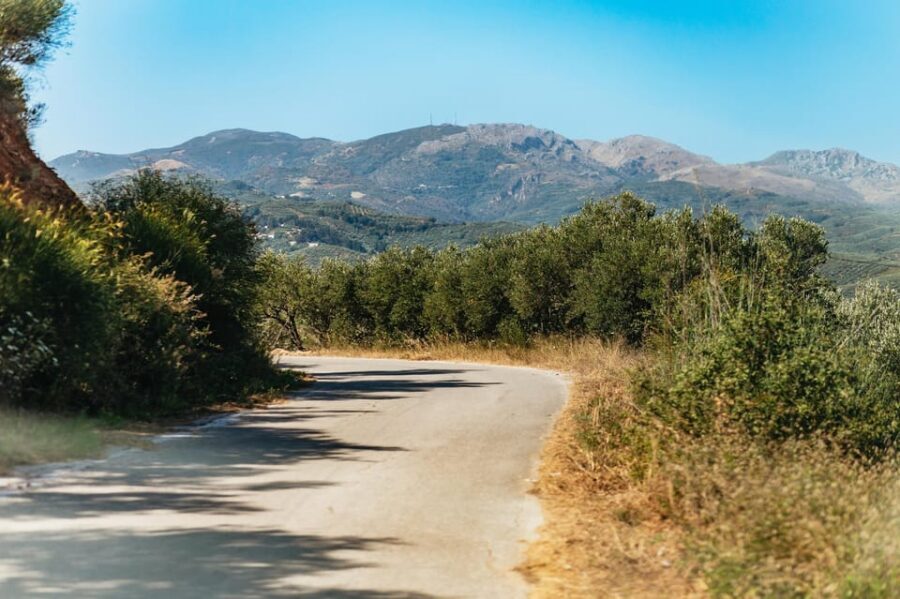
This travel time matters more than it sounds. Crete’s wine and olive culture isn’t “beach view” culture. Getting up into the hills sets the stage for what you’ll see later: vineyard plots, olive trees, and working agricultural spaces rather than just storefront tastings.
It’s also one of the reasons the tour works for first-timers. If you’re new to Crete, you’ll get a guided thread that connects the scenery to the products—why these crops grow here, how farming has evolved, and what local producers focus on.
Winery stop #1: a family operation with modern ideas and real grape tasting
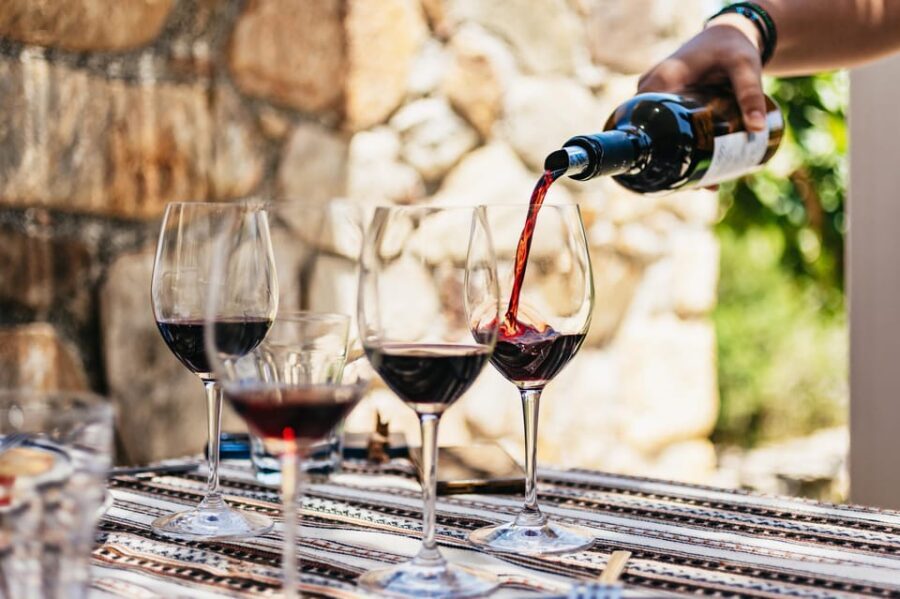
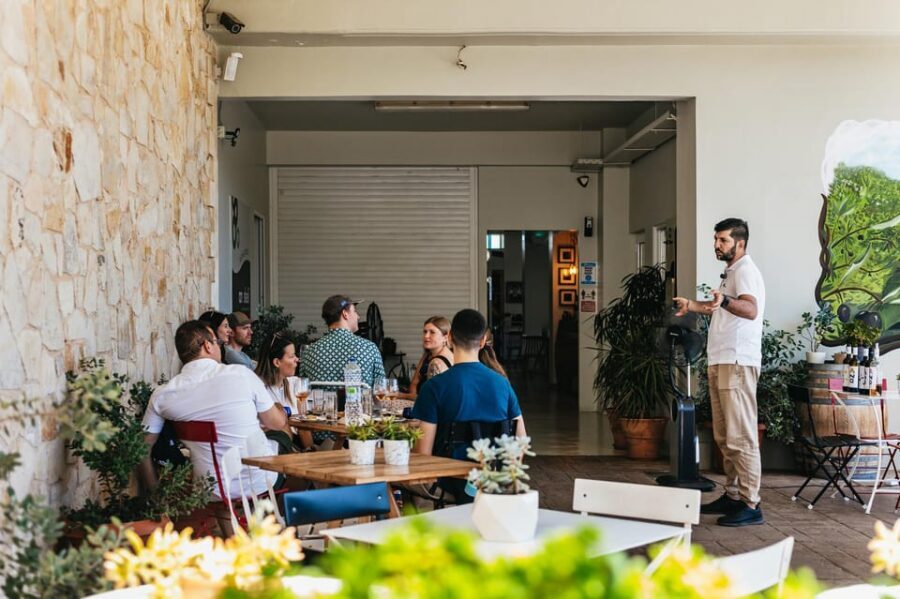
Your first winery visit is at a traditional family producer established in 1993. Expect a guided walk-through of what they grow and how they produce wine, including ideas for more modern farming and production approaches.
Then comes the part most people book for: the tasting. You should expect award-winning local pours such as Vidiano and Muscat of Spina, plus some international varieties like Grenache rouge, Syrah, and Mourvèdre. That mix is great because it lets you compare flavors coming from Cretan terroir against grapes people recognize from elsewhere.
What I like about this stop is that it’s not just a “try everything quickly” situation. The variety is wide, but the explanations give you hooks to remember what you liked—and why. If you’re the type who wants to understand what’s in your glass, this stop is built for you.
Small practical tip: taste slowly at the beginning. The day can turn into a long series of sips, and your favorites get easier to spot if you don’t rush the first tasting.
The traditional village stop and the oldest olive tree moment
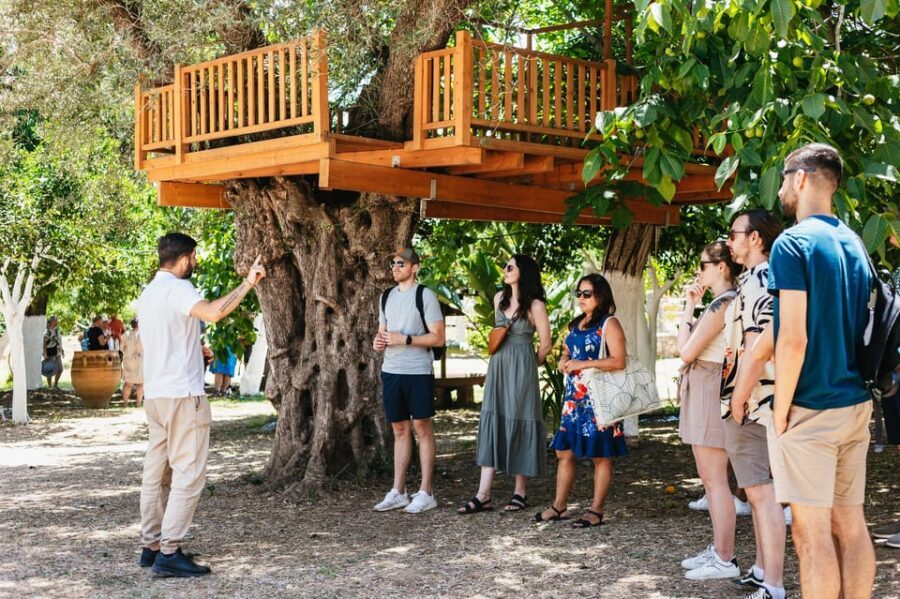
After the first winery, you head to a traditional village area and see the oldest olive tree in the world, estimated to be around 3,000 years old.
This isn’t just a quick photo stop. The point is to connect the age of the tree to the idea that olive culture here isn’t new—it’s deeply rooted. Seeing something so old changes the way you perceive the olive oil later in the day. It’s harder to treat it like a generic product.
Also, the village stop adds a human pace to the itinerary. You’re not in another production room back-to-back. You get a breather, and it helps break up the sensory day.
Winery stop #2: white wine blends made from local varieties
Next you visit another winery in the Kissamos region for a tasting that centers on a special local white blend. You’ll see varieties named like Vilana, Vidiano, and Assyrtiko, which is a fun combo because these grapes carry distinct character rather than tasting like “one-note white wine.”
The second tasting is also where you can recalibrate. If stop one made you focus on reds and comparison with international grapes, stop two brings you back to what Crete does well with whites—crisper profiles, different aromatics, and flavors that pair naturally with olive oil and local bites.
If you’re shopping in your head for souvenirs, this is a good moment to slow down and pick one or two styles you want to bring home. You’ll usually have a clearer sense of what you genuinely prefer by the second winery.
One more thing: in multiple day-tours like this, the buying pressure can be annoying. Here, the overall tone tends to be relaxed—more about sharing the products than forcing a purchase.


Olive oil factory visit: where you finally understand the taste
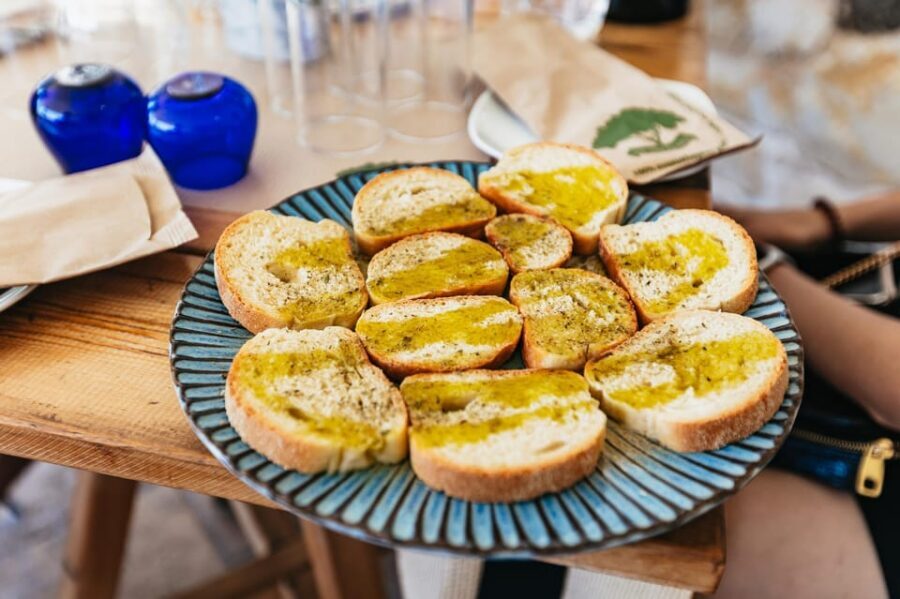
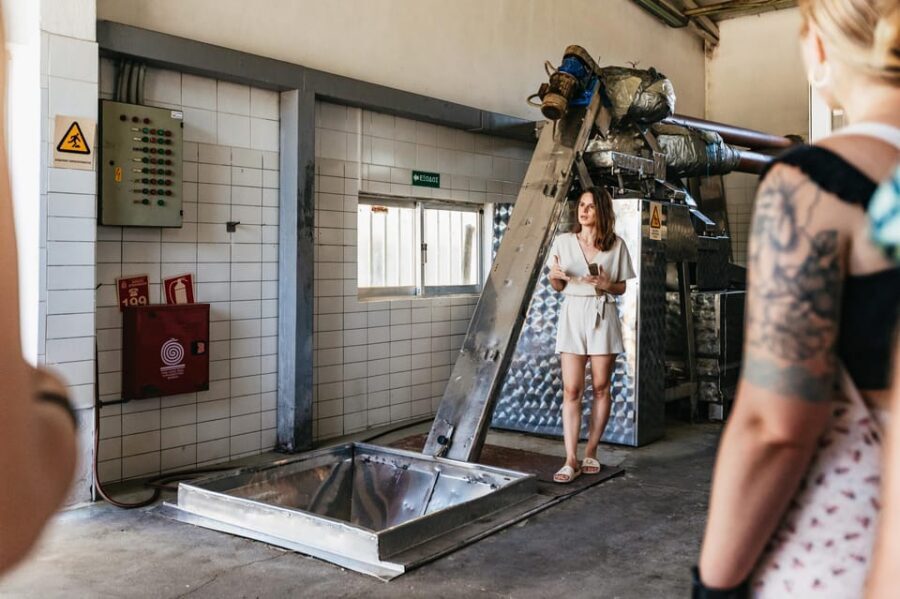
Then the tour moves from wine to olives in a very concrete way: a local olive oil factory visit. You’ll learn about how extra virgin olive oil is produced, and you’ll taste olive oils along with local products.
This stop is a key reason the tour is worth it if you’re the type who likes food education. Wine tasting is enjoyable, but olive oil tasting teaches you something more “daily-life practical.” You start noticing differences in flavor, and you can imagine using those oils back home for bread, salads, or finishing vegetables.
You may also get the chance to taste olive oil in a more guided way—rather than just “here’s oil, good luck.” The focus on extra virgin is important because it affects flavor intensity and freshness.
If you want one takeaway from the day, it’s this: olive oil isn’t just one taste. Once you’ve tasted it after seeing production, it’s easier to spot what you like and buy with confidence.
Snacks, lunch pacing, and the Cretan goodbye with Tsikoudia
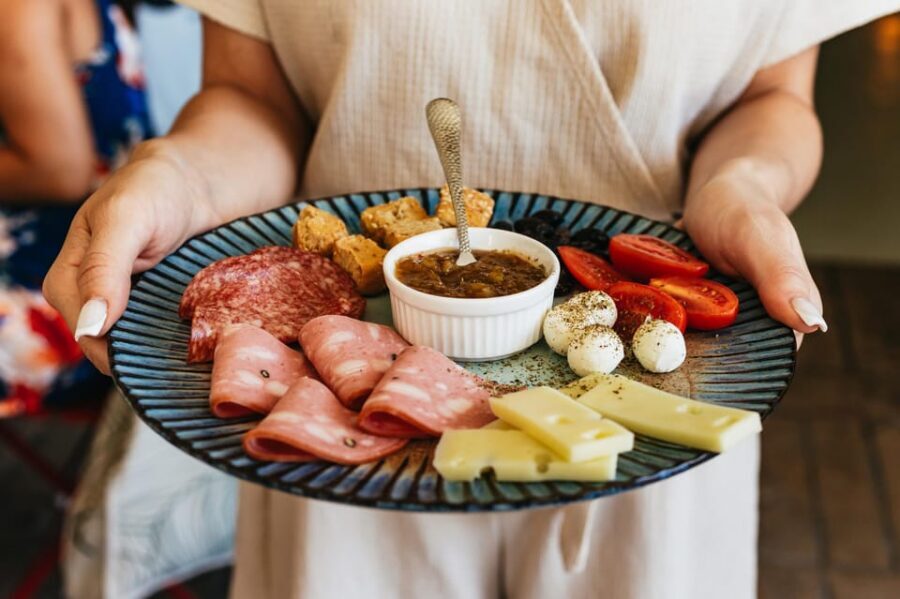
The tour includes light lunch/snacks, which show up to keep you going between tastings. Based on the way the day is structured, think of the food as support: enough to keep things comfortable, not enough to replace a proper restaurant meal.
If you have dietary needs, you’ll want to mention them in advance. There’s evidence of veggie and vegan-friendly accommodations being handled during the day, but don’t assume—ask first.
At the end, you’ll get to drink tsikoudia as a Cretan-style goodbye before heading back to Chania. It’s a small moment, but it signals that you’re not just doing tastings for fun—you’re participating in a local ritual of hospitality.
Price and value: is $141 for 6 hours a fair deal?
At about $141 per person for a 6-hour tour, this sits in the mid-range for organized food experiences. The value hinges on what you want out of the day.
If you enjoy tastings and want to learn something beyond a quick sip—wine varieties, olive oil production, the reason local growers do what they do—this price starts making sense. You’re paying for guided stops, transportation, and multiple tastings across wineries and an olive oil factory, plus snacks to keep you steady.
If you mainly want views and don’t plan to care about wine or olive oil specifics, it could feel like a lot of time spent in tasting rooms. That’s the main reason some people question the value: the meal is light, and the day is organized around consumption and production visits.
Also consider this: transport is part of the deal. Getting picked up and dropped back in Chania, with air-conditioned comfort, keeps the day smooth. It’s one less thing to coordinate after you’ve already driven yourself around Crete.
One extra practical upside: it’s set up with flexibility options (including reserve now, pay later and free cancellation up to 24 hours), which lowers risk if your Chania schedule is still a bit fluid.
Guides make the difference: what you should expect from the people running it
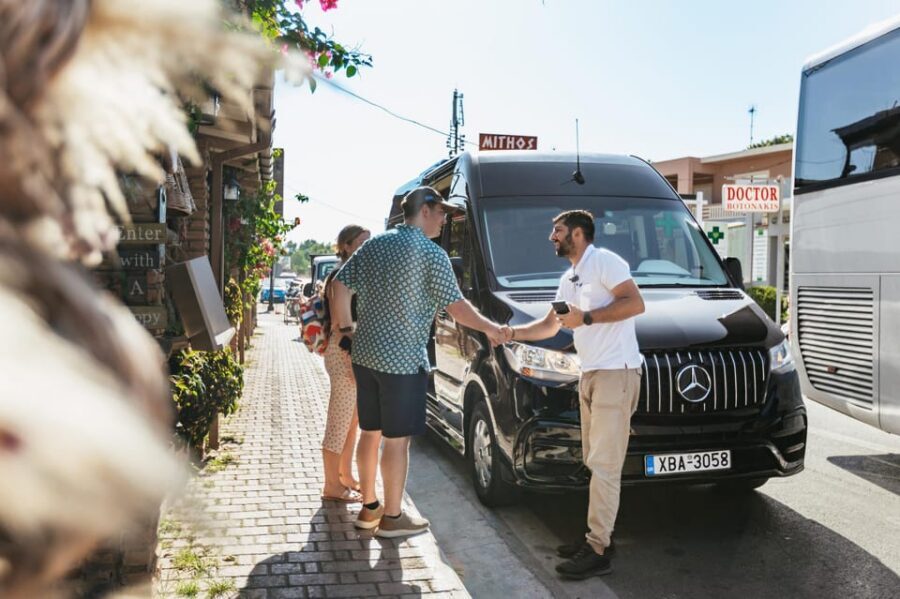
A standout pattern is how much personality and storytelling the guides bring. Names you may see on departures include Alexandros (Alex), Andy, Andreas, Kostas, Nikos, and Thanassi. Many guides also double as driver/guide and bring a strong focus on wine and olive oil culture.
What that means for you: you’re not stuck with a script. The best moments tend to come from the questions you can ask—what makes a specific grape work here, why olive oil tastes the way it does, and how farming changes over time.
Also, the pace of the day depends on the guide’s style. In the praised trips, the tone is friendly and patient, with time to experience each stop instead of rushing through it.
Who should book this tour, and who might skip it
This tour is a strong match if:
- You want a guided wine-and-olive-oil day from Chania without renting a car
- You like local products and want to understand how they’re made
- You’d enjoy seeing both wineries and an olive oil factory in one go
You might choose something else if:
- You’re not interested in wine or olive oil tasting and want mostly sightseeing
- You prefer long meal breaks rather than light snacks between production visits
- You’re traveling with someone who can’t drink—wine tasting isn’t allowed for under 18, but water/fresh orange juice is provided instead
Should you book the Wine and Olive Oil Tasting Tour from Chania?
If you’re in Chania for a few days and want one “food culture” day that’s efficient and genuinely Cretan, I’d book it. The combination of wineries, an olive oil factory, the 3,000-year-old olive tree stop, and the tsikoudia goodbye gives you a full arc rather than scattered tastings.
My advice: go into it with a plan to taste slowly, pay attention to the variety names (Vidiano, Muscat of Spina, Vilana, Assyrtiko), and think about what you’d actually buy back home. If you do that, the day feels worth the cost.
And if you’re unsure, the flexibility options help. Grab your spot, then lock in the rest of your Chania itinerary around it.
FAQ
How long is the tour from Chania?
The tour duration is 6 hours.
What does the tour include?
It includes pickup and drop-off in the Chania region, air-conditioned transportation, entrance fees, wine tasting, olive oil tasting, a light lunch/snacks, and a driver/guide.
Do I need to bring anything?
You should bring a passport or ID card.
Are kids allowed?
Unaccompanied minors are not allowed. Children must be accompanied by an adult.
Can children taste the wine?
Wine tasting is not allowed for children under 18. Water or fresh orange juice will be offered instead.
What kinds of wine will I taste?
You can expect local award-winning wines, including Vidiano and Muscat of Spina, and some international varieties like Grenache rouge, Syrah, and Mourvèdre. You’ll also taste a white blend featuring Vilana, Vidiano, and Assyrtiko.
Do you stop at the oldest olive tree?
Yes. You’ll visit a traditional village area where you can see the oldest olive tree in the world, estimated to be about 3,000 years old.
What language is the tour guide in?
The live tour guide speaks English.
What are the cancellation and payment options?
You can cancel up to 24 hours in advance for a full refund, and you may be able to reserve now and pay later depending on availability.