REVIEW · CRETE
Heraklion: Beginner Scuba Diving Lesson with PADI Instructor
Book on GetYourGuide →Operated by CRETANDIVERS · Bookable on GetYourGuide
First breath underwater is a big deal. This PADI Discover Scuba lesson in Agia Pelagia gives you guided skills, a controlled small-group experience, and a chance to feel safe while exploring Mediterranean fish below the surface. One thing to think about: the activity includes footage viewing, but photo/HD video sessions aren’t included in the price.
I like how the program stays structured and patient. You get multimedia teaching, then hands-on practice with pro gear, then an easy open-water outing with a depth limit of 6 meters (or less, based on your comfort). That pacing shows up in the reviews too, especially the way instructors keep checking that you’re okay before moving on.
If you’re expecting a long, deep adventure right away, this isn’t that. It’s an introduction built for confidence, not for pushing limits.
In This Review
- Key things to know before you go
- Heraklion to Agia Pelagia: why the meetup matters
- Your PADI classroom intro: what you practice before you go underwater
- Gear fit and safety briefing: why the details feel reassuring
- Agia Pelagia Bay: the calm open-water experience you’re actually paying for
- The pace and group size: how Cretandivers keeps it beginner-friendly
- Break time and that Agia Pelagia free time window
- Price and value: what $88 really covers (and what it doesn’t)
- Who should book this first-scuba experience (and who should skip it)
- What to pack and how to prepare so you feel comfortable
- Should you book this beginner scuba session in Agia Pelagia?
- FAQ
- How long is the Heraklion beginner scuba lesson?
- What equipment is included?
- How deep will I go as a beginner?
- Where does the underwater session take place?
- What languages are available for the instructor?
- What should I bring and what isn’t allowed?
Key things to know before you go
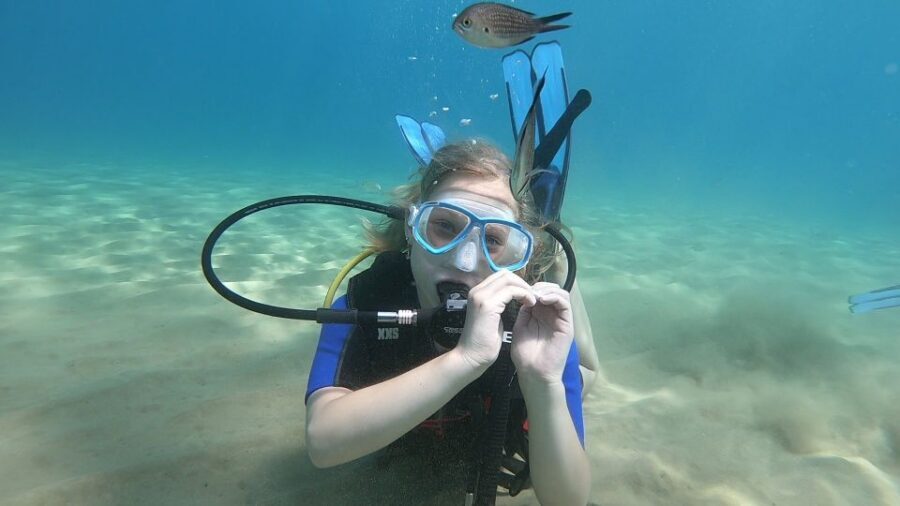
- PADI standards and close supervision: You’re coached step-by-step and kept under constant instructor watch.
- Small groups of up to 6: Less waiting, more personal attention, and easier feedback when you get nervous.
- Agia Pelagia bay is the training ground: Calm, clear water for first-timers who want an easier start.
- New, full professional equipment: Wetsuit and scuba kit are provided in a range of sizes.
- 6-meter depth limit for your first outing: You’ll stay where you feel comfortable and safe.
- You’ll get video to review after: Professional cameras capture the session, and you can watch the footage afterward.
Heraklion to Agia Pelagia: why the meetup matters
This experience is built for people staying in and around Heraklion. You can get hotel (or a specific address) pickup in the supported areas, and then you’ll ride by coach toward the dive center meeting point near Agia Pelagia.
That pickup and staging is more than convenience. For a first underwater lesson, the less you have to figure out at the start, the more energy you can put into calming your nerves and focusing on the instructions. The day typically moves at a relaxed pace rather than a rush.
Once you reach the center, plan on meeting your team and getting oriented before anything touches the water. A lot of the calm, confidence-building vibe comes from this early “you’re in good hands” moment. Several recent participants specifically called out how welcoming and accommodating the crew is once you arrive.
You can also read our reviews of more tours and experiences in Crete.


Your PADI classroom intro: what you practice before you go underwater
Before you’re anywhere near open water, you’ll get a multimedia introduction in multiple languages, plus a “teach it like you’re new” explanation of how scuba works. For beginners, this step is huge because it removes the mystery.
You’ll also do a slow basic preparation and practice session. Expect to learn the core skills and signals you’ll need later, including regulator breathing and underwater communication basics. If you’re worried you’ll freeze when things get unfamiliar, this is the part that helps you get your brain caught up before you start moving in the water.
In the reviews, many people highlight the same pattern: instructors don’t just tell you what to do. They break it down at a pace where you can actually follow, even if you struggle with the basics at first. Names that show up often include Petros as an instructor/guide, and in some bookings Pedro and Armando are mentioned as well, depending on the group.
Gear fit and safety briefing: why the details feel reassuring
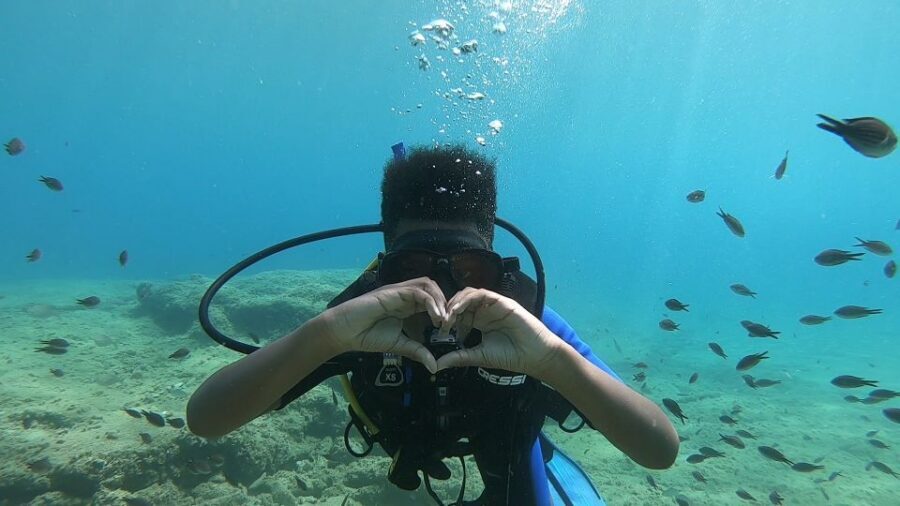
With any first scuba experience, the equipment stage can be awkward. Here, it’s handled with professional, full gear provided, including a new set of scuba equipment and a wetsuit in your size. That matters because fit affects comfort, buoyancy, and how controlled you feel in the water.
After equipment prep, you get a safety briefing guided by your PADI instructor. The point isn’t to scare you with rules. The point is to make sure you understand what “normal” feels like and what you do if something feels off.
This is also where your comfort gets prioritized. Multiple reviews mention that nervous first-timers were taken slowly and supported through the early skills without rushing the rest of the group. That’s the kind of operational discipline you want with a beginner course.
And yes—there’s a good sense of humor in the mix sometimes. It helps more than people expect. When you’re calm, you breathe better, you move smoother, and you enjoy the experience instead of managing fear.
Agia Pelagia Bay: the calm open-water experience you’re actually paying for
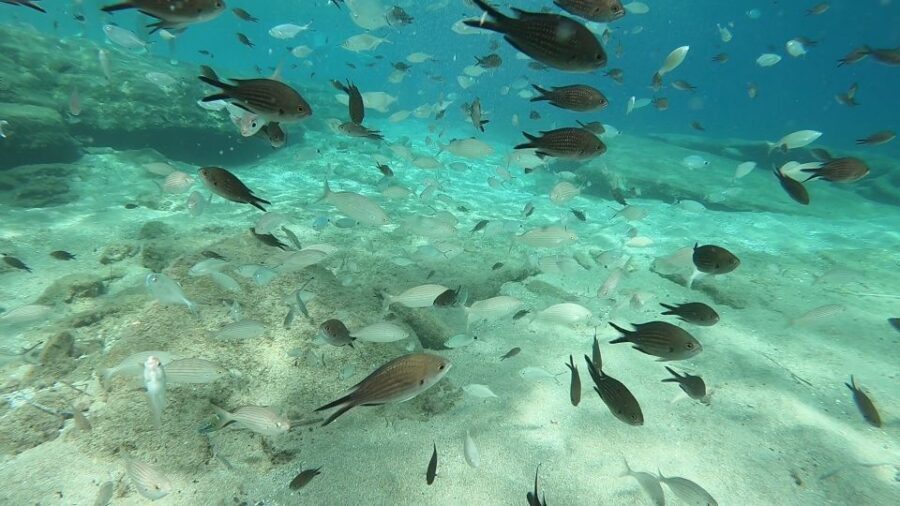
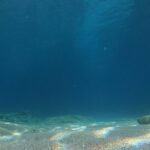
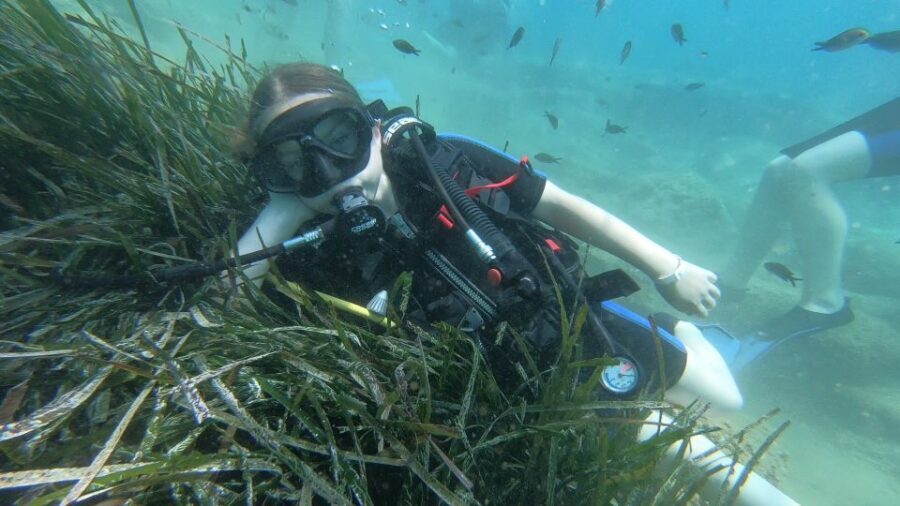
Agia Pelagia bay is the star setting for this lesson. It’s chosen specifically for first-timers: calm conditions, clear water, and an easy place to focus on breathing and buoyancy without constant battling for control.
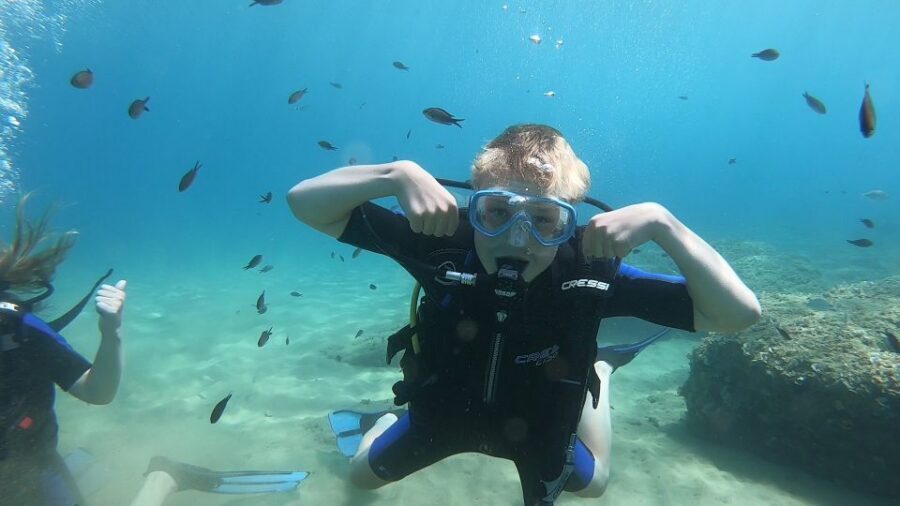
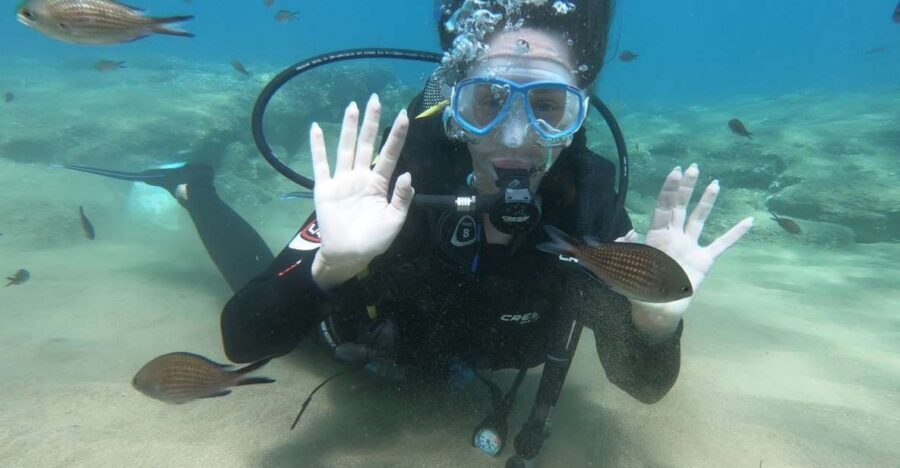
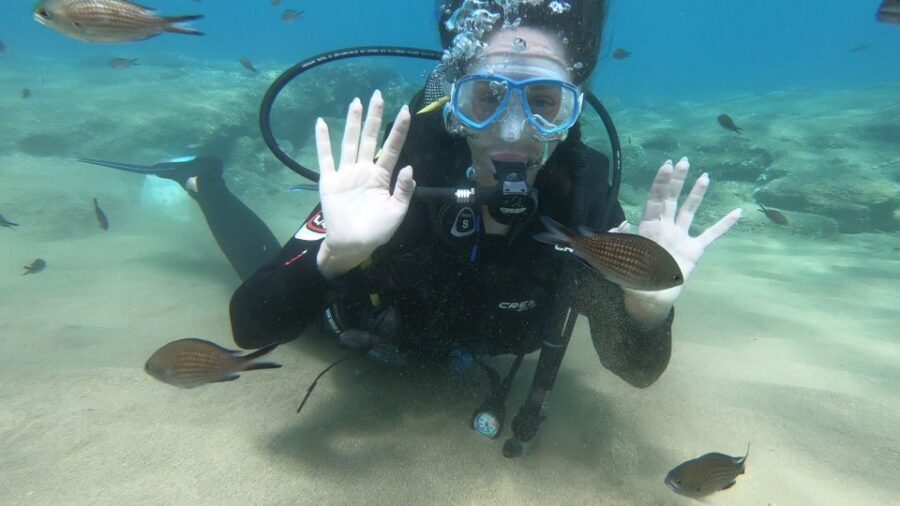
Your first actual time in the water is designed to feel manageable. You’ll follow instructor guidance through the underwater skills, and you’re allowed to reach up to 6 meters, though the team takes you only where you feel safe and comfortable. That flexibility is key. The goal is not to hit a number. The goal is to build skills while you’re relaxed enough to learn.
What you’ll notice quickly is how different it feels from swimming. Once you get the breathing rhythm down, you’re not “working” the water the same way. You’ll float, you’ll move slowly, and you’ll get to look around.
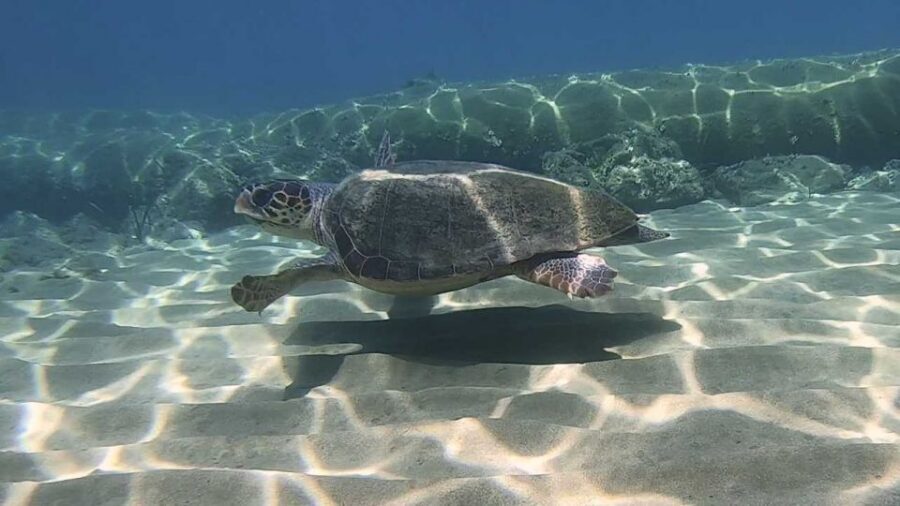
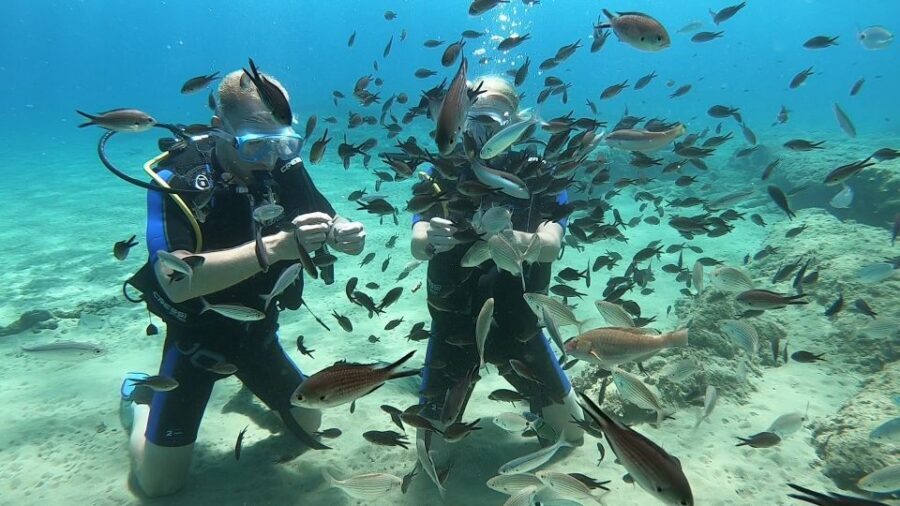
And the marine life can be a pleasant surprise. Several recent participants mention seeing lots of fish and colorful underwater life, including comments about barracuda sightings and even a baby stingray in one group. Even if you don’t see the same highlights, the point is that you’re in a real underwater environment, not a shallow, boring pool exercise.
Also, pay attention to how the instructor talks about being autonomous. You’re taught to enjoy the experience without having someone constantly pull or drag you around. That independence is part of what turns a first-timer outing into a memory you’ll want to repeat.
The pace and group size: how Cretandivers keeps it beginner-friendly
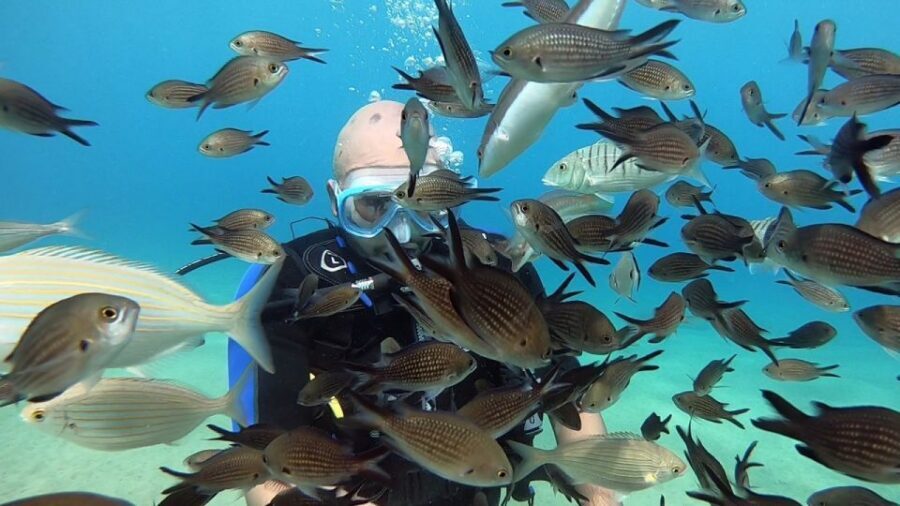
This is a small group course, limited to 6 participants. That’s a practical advantage, not a marketing line. With fewer people, instructors can watch your body position, your breathing, and your hand signals in real time.
It also means feedback can happen quickly. If you struggle with a basic skill—like holding a steady buoyancy level—your instructor can correct it before it becomes a bigger worry. Many reviews repeat the same theme: patient teaching, step-by-step guidance, and reassurance when someone feels apprehensive.
The other advantage: the group dynamic stays supportive. When everyone is new, the day doesn’t turn into a performance. You can go at your own pace, learn what you need, and still finish with the same sense of “I did it.”
If you’re traveling as a couple, this also works nicely because you can often stay together in the experience while still receiving individualized attention.



Break time and that Agia Pelagia free time window
After your underwater session, you’ll return to the center and take a short break. Then there’s time in Agia Pelagia that you can use however you like—shopping, sightseeing, or just taking a breather after an activity that’s oddly tiring in a fun way.
This matters because first scuba experiences can create a mix of emotions: excitement, relief, and sometimes a bit of sleepy calm afterward. Having time on the beach or in town lets you process it and still enjoy Crete instead of rushing straight back to the hotel.
One more small perk that shows up in the program flow: you return after your session to watch footage from the day. That helps you understand what you did well and what to try if you book a future experience or certification.
Price and value: what $88 really covers (and what it doesn’t)
At $88 per person for about 2.5 hours, this is a full beginner experience package. You’re not just paying for the water time. The price covers the structured learning setup, including:
- pickup/drop-off in designated areas on request
- multimedia introduction
- complete basic preparation and practice
- new professional equipment
- an easy, safe, autonomous open-water outing
- continuous supervision by a PADI instructor
- bottled water
That’s the value part: the course is designed to reduce risk and reduce stress. In real life, that means you spend less energy figuring things out and more energy on the actual underwater wonder.
What’s not included is a photo/HD video session. The program does include watching footage captured during the activity, but if you want upgraded media deliverables, you should be ready for optional add-ons.
So, is it expensive? It can feel like it at first glance, especially if you compare it to shorter “try scuba” experiences that don’t include as much instruction time. But when you factor in PADI-standard supervision, small group size, gear, and the learning steps before you go underwater, the value looks stronger.
Who should book this first-scuba experience (and who should skip it)
Book this if:
- you’re a true beginner with no prior experience
- you want a calm, confidence-building introduction rather than a push for adventure
- you like structured instruction and want an instructor who stays focused on safety
- you feel anxious about trying something new and want a patient team
You should also know this is not for everyone. The experience isn’t suitable for children under 10, pregnant women, or people with heart problems, respiratory issues, epilepsy, or recent surgeries. If any of those apply, don’t gamble with it—ask a doctor first, then check with the operator.
And bring the right mindset. You’ll do best if you listen to the team, follow instructions carefully, and treat the training steps like part of the fun.
What to pack and how to prepare so you feel comfortable
For this lesson, bring:
- swimwear
- a change of clothes
- a towel
- flip-flops
You can also have breakfast before the activity if you want. That simple option helps if you’re someone who gets lightheaded when you’re hungry.
Avoid alcohol and drugs. It’s a safety thing and it also affects how your body responds underwater.
Finally, if you’re worried about the gear fit or your body type: wetsuits and gear come in multiple sizes, so you shouldn’t assume you’ll be excluded or uncomfortable based on height/weight.
Should you book this beginner scuba session in Agia Pelagia?
If your goal is a safe, guided first-time scuba experience with real instruction and a calm place to learn, I think this one is a solid bet. The combination that earns the high marks is small group size, PADI-led teaching, and instructors who keep things paced to the slowest learner in the best way.
I’d skip it if you want deep, fast, adrenaline-heavy underwater time, or if you’re mainly chasing a big photo package included in the price. Also, if you have any medical conditions listed as not suitable, don’t assume it’ll be okay.
Otherwise, if you want to leave Crete with a first underwater story you can actually talk about confidently, this course is set up for exactly that.
FAQ
How long is the Heraklion beginner scuba lesson?
It runs about 2.5 hours total.
What equipment is included?
You get use of a new full set of professional scuba equipment, plus a wetsuit in your size.
How deep will I go as a beginner?
You’re allowed to reach up to 6 meters, but you’ll only go as far as you feel comfortable and safe with the instructor.
Where does the underwater session take place?
The open-water experience happens in the crystal-clear bay of Agia Pelagia.
What languages are available for the instructor?
Instructors can work in English, French, Greek, and German.
What should I bring and what isn’t allowed?
Bring swimwear, a change of clothes, a towel, and flip-flops. Alcohol and drugs are not allowed.