REVIEW · SICILY
Etna – Trekking to the summit craters (only guide service) experienced hikers
Book on Viator →Operated by Guide Vulcanologiche Etna Nord · Bookable on Viator
Etna in your face, not behind glass. This guided hike on the north side is built for people who want summit craters up close, with licensed volcanology guidance and small groups. I like that you start at Piano Provenzana, a quieter base on the Etna Nord side, then work your way from about 1,800m up to the crater zone. Guides (Paolo, Nikos, Raphael, Daniele, Poldo, Vincenzo—depending on your date) also keep the pace steady and explain what you’re seeing as conditions change.
Two things I really value here: the day includes the core gear (trekking poles, shoes, helmet, warm jacket, extra socks), and the route is designed around active volcano reality, not a fixed script. The main drawback is also the reality check: it’s a serious altitude + footing hike, and the descent can feel tougher on your knees than the climb.
In This Review
- Key Things To Know Before You Go
- Piano Provenzana: The calmer base for Etna’s north summit
- 4×4 Ride to 2,960m: A northern track with big views
- Crater-Edge Trek to Summit: Four main craters and a route chosen for safety
- The Descent From the Craters: Why your knees will log overtime
- Gear and Safety on a Live Volcano: What’s included and what you must bring
- Price and Value: What $139.13 really covers on Etna Nord
- Timing Your Day: Early start, summit time, and how long it takes
- Who Should Book This Etna Nord Summit Craters Hike (and who should skip)
- Should You Book It?
- FAQ
- What time do I need to meet for the Etna North summit hike?
- How long should I plan for the full experience?
- What does the tour price include?
- Do I need to rent hiking shoes or poles?
- Is parking included?
- Is there an extra cost for transportation up the mountain?
- How high do you hike to on summit day?
- Is this tour suitable for children or pregnant travelers?
- Can the tour be canceled due to conditions?
Key Things To Know Before You Go
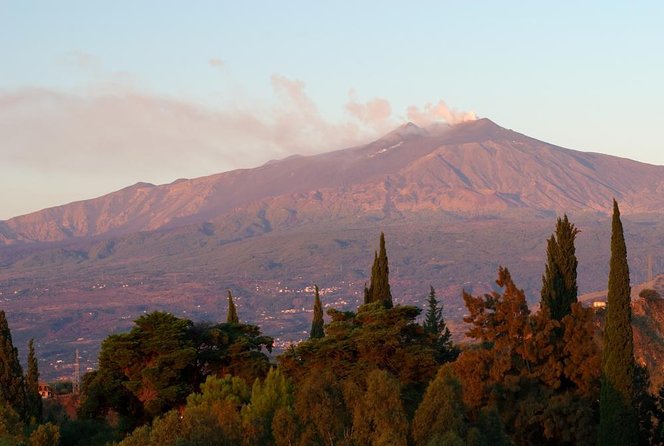
- Piano Provenzana’s north-side vibe: less crowded than Etna’s most famous southern stations, with an authentic volcanic setting shaped by the 2002 eruption.
- Authorized 4×4 access saves your energy: you gain altitude fast and get panorama views before you start walking.
- You hike to summit craters, but the exact height can vary: the guides choose the safest, most active-yet-secure crater route.
- Total distance is usually 12–13 km: plan for real time on your feet, not a casual stroll.
- The descent is long and steep: expect big negative gain and some sand/scoria on the trail.
Piano Provenzana: The calmer base for Etna’s north summit
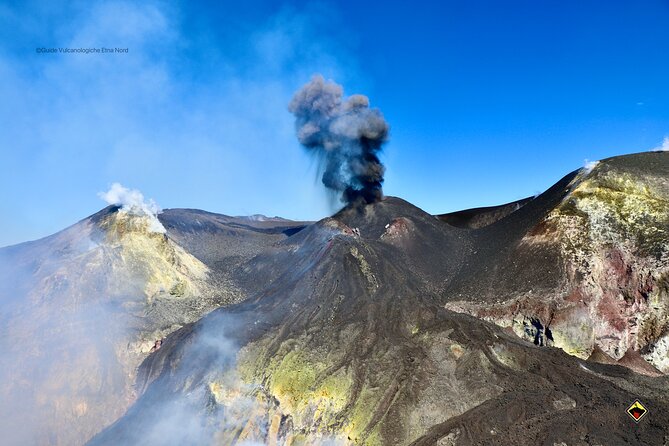
Your day starts at the meeting point near Chiosco Bar Mareneve di Ferraro in Etna Nord, Piano Provenzana (meeting at 7:45am). Even before you hike, Piano Provenzana sets the tone: pine forest nearby, wide-open volcanic ground, and plenty of practical services like restrooms plus a café where you can grab coffee/tea and a pastry before briefing.
One detail I like: the meeting area sits right in the volcanic aftermath of the Oct 27, 2002 eruption, when the original facilities were destroyed and the terrain was reshaped into something you can actually walk through later in the day. The access road is drivable, so getting to Piano Provenzana is straightforward with your own car—but if you’re visiting in winter, bring the right tires or snow chains.
This is also where you meet the guides and get your setup done. They provide the hike gear and give a short briefing so you know how the day will work before the ascent starts. That matters on Etna, because the volcano is active and the itinerary can adjust.
You can also read our reviews of more tours and experiences in Sicily.
4×4 Ride to 2,960m: A northern track with big views
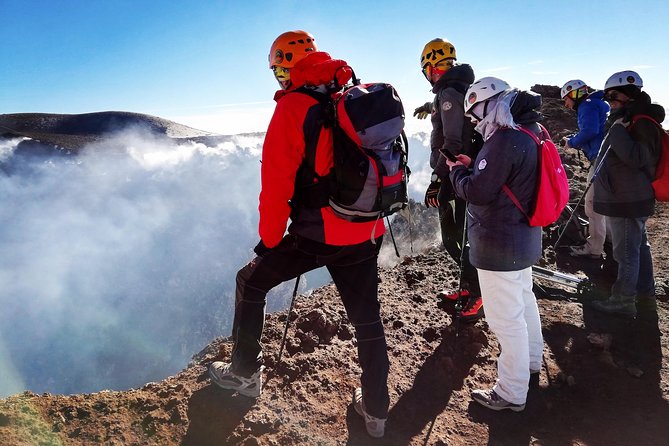
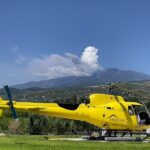
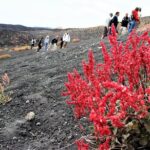
Once you’re briefed, you board authorized 4×4 vehicles with the guides. Part of the route climbs via lava fields and around lateral craters, and you’re driven up to about 2,960m before your summit hiking begins. Think of it as energy management: you’re not wasting hours grinding uphill before the crater edges.
The north-slope drive is also a big part of the “why this tour” story. The journey uses a 9.5 km panoramic track and climbs from roughly 1,800m to 2,960m, crossing forests, recent lava flows, a lava-flow channel, eruptive fractures, and deep lateral craters (over 40 m). Along the way, you may get wide views across northern Sicily and out toward the Aeolian Islands and the Strait of Messina. On rare clear days, people can even see ranges like the Madonie plus multiple coastlines (Ionian and Tyrrhenian) and places like Catania and Syracuse.
A key practical upside: the guide is with you during the drive, not just the hike. That means you’re not left guessing what you’re looking at. And because this is on the north flank with groups kept smaller, you generally feel less like you’re herding through a tourist funnel.
Crater-Edge Trek to Summit: Four main craters and a route chosen for safety
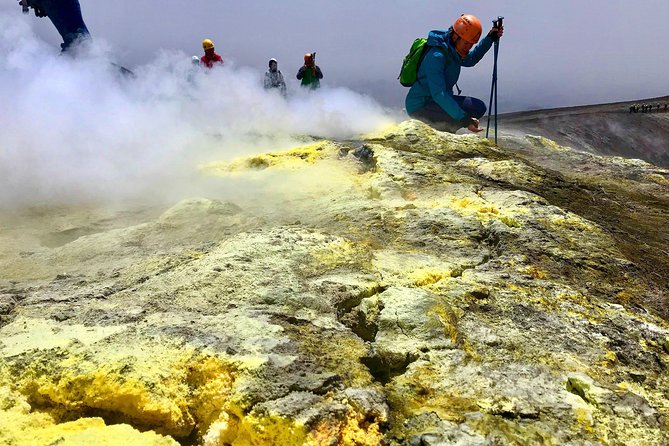
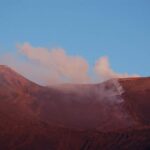
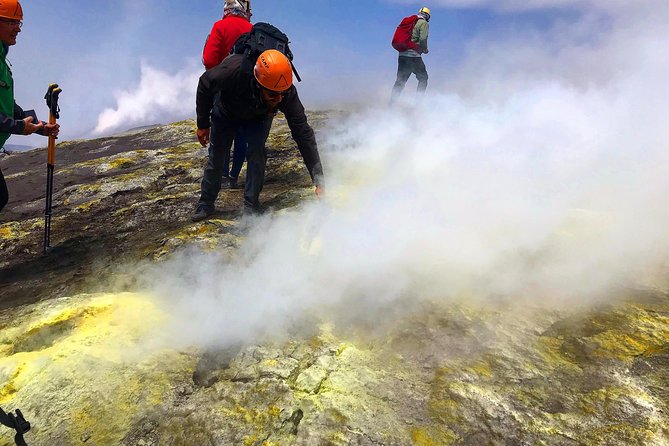
From about 2,960m, the summit hike starts. You’re looking at a trek of roughly 5 km with around 550 m ascent to the crater area. The day’s highlight is getting close to Etna’s four main craters: North-East, Voragine, Bocca Nuova, and South-East.
Here’s the honest part: Etna activity changes. So instead of promising one exact crater every time, the guides choose the safest route toward the crater area that’s most active yet still secure. They adjust if gas, heat, or fractures make a different direction safer.
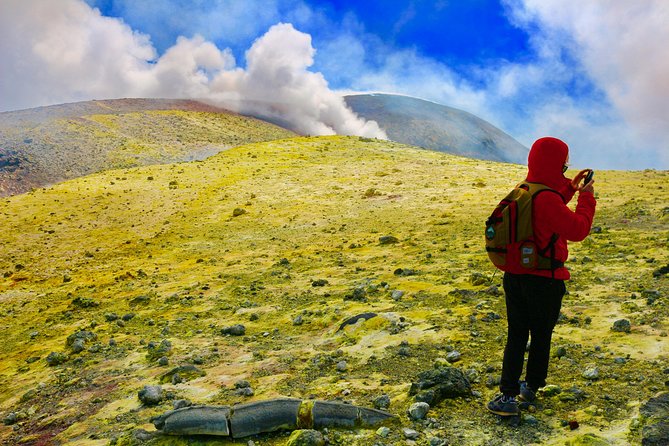
Altitude matters. You’re operating in the 2,960–3,323m range. Expect that you’ll feel the altitude more than you do at sea level, even if it’s mild for you. If you’re prone to dizziness, note that walking along crater edges can trigger that. Slow breathing, steady footing, and asking the guide to pace you matters more than powering through.
What I appreciate from how the guides are described is the blend of professionalism and encouragement. Some guides are called out by name for being supportive and funny while staying focused—like Nikos and Poldo in particular—and for giving explanations that connect the geology to what you can literally see from where you stand. That turns the hike from scenery into understanding.
And if the weather is good, the payoff is huge: you’re not just looking at Etna—you’re walking onto terrain that puts the active volcano in your immediate world.
The Descent From the Craters: Why your knees will log overtime
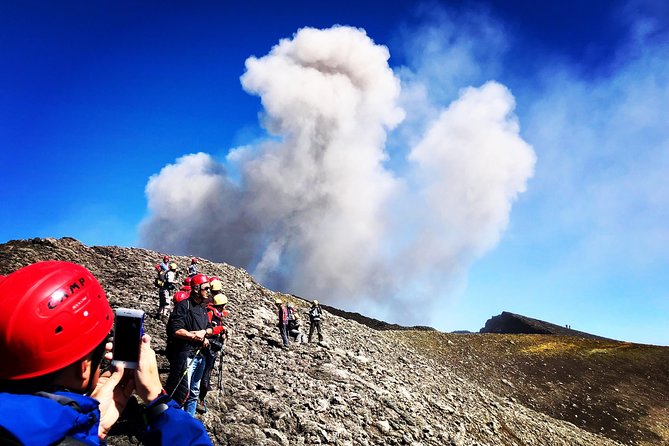
The hike doesn’t end when you reach the crater area. After the summit walk, you do a long descent on foot from roughly 3,300m back down toward 1,800m. The numbers are what you should plan around: about 7 km and roughly 1,500 m negative gain.
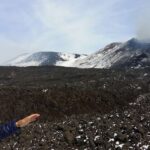
That combination is the real reason experienced hikers still feel it. The downhill can be harder than the climb, especially on loose ground. Expect the path to include soft scoria and sandy gullies, plus walking across the Piano delle Concalze area. Later you also cross about 2.5 km of ski slopes, where the ground can be rough and stony.
Practical tip that shows up again and again: plan for sand and grit. Small stones and sand can end up in your shoes, especially on the descent. This is where long socks and pants that cover your boot ankles help a lot. Even with provided footwear, your legs will thank you for extra coverage when the trail turns irritating.
Also, weather at 3,000m can shift fast. Wind and cold are common enough that you should dress like you’re going to be outside for a while in mountain conditions, not like you’re at the Sicilian coast.
Gear and Safety on a Live Volcano: What’s included and what you must bring
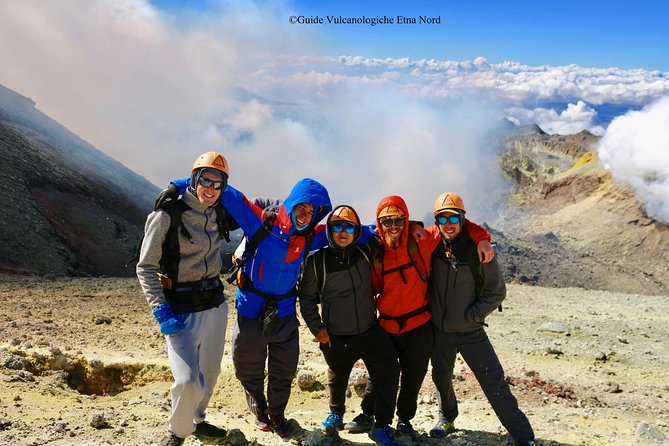
This tour is serious about safety. You’ll get a licensed volcano guide, plus equipment like trekking poles, trekking shoes, helmets, a warm jacket, extra socks, and an extra backpack. There’s also insurance coverage in case of accidents, and entry to Mount Etna is included.
Still, there are a few things you should bring or consider yourself:
- Hat and gloves are not included (especially in autumn/winter/spring).
- You should avoid contact lenses because of volcanic gases and ash.
- Your fitness matters. This hike is not for people with breathing issues or hypertension, and it isn’t a good fit if you struggle with exertion at altitude.
- You should wear the right footwear. The safety note is direct: without adequate shoes, you’re not covered by insurance.
The other safety reality: this excursion can change. Guides must follow local rules set for volcanic activity and may stop short or reroute if conditions make it unsafe for the whole group. In practice, that means you should mentally accept that “up to the summit craters” can sometimes mean “as high as it’s safe that day,” not a guaranteed exact height.
If you’re the type who panics at uncertainty, this tour might still be fine as long as you trust the guides and you keep your expectations flexible.



Price and Value: What $139.13 really covers on Etna Nord
At $139.13 per person, you’re paying for more than just someone walking next to you. The price includes:
- Licensed volcanology guide
- Entry/admission to Mount Etna
- A full set of trekking support gear (poles, shoes, helmet, warm jacket, extra socks, extra backpack)
- Accident insurance for the activity
For many people, that’s where the value sits: gear and access aren’t easy or cheap to piece together yourself, and on Etna you don’t want to show up underprepared.
What is not included:
- Transport from your accommodation
- Parking ticket (listed as €5 on weekdays, €8 on Sundays/holidays)
- Off-road vehicle upgrade/route from about 1,800m up to 2,825m, quoted as €50 per person paid on the spot
- Seasonal personal items like hat and gloves
- If you plan to return by bus from 2,850m to 1,800m, the cost is listed as €70 instead of €50 (so check which return option you’re choosing)
One more detail: this is booked about 40 days in advance on average, which is a clue that the dates do fill up—especially when weather is promising. If your trip dates are fixed, book early.
Bottom line: this price tends to make sense if you want the summit-crater experience on the north side and you’d rather let a guide handle the logistics, gear, and safety decisions.
Timing Your Day: Early start, summit time, and how long it takes
The standard start is early. You meet at 7:45am, and the drive/tour activity departs around 8:00–8:15am. There’s also an afternoon option that runs from May to October, starting at 1:00pm.
The tour is listed at about 5 hours 30 minutes (approx.), but the real-world rhythm can stretch, especially with safety stops, wind, or slow group pacing. You should plan for a full hiking block. The hike itself is described as roughly 6 hours overall with walking distance totaling about 12–13 km.
That matters because you’re not just doing one climb. The day includes:
- Getting geared up
- 4×4 movement up to the hike start
- Crater-area walking
- A long, demanding descent to lower altitude
If you schedule a late dinner immediately after, keep it flexible.
Who Should Book This Etna Nord Summit Craters Hike (and who should skip)
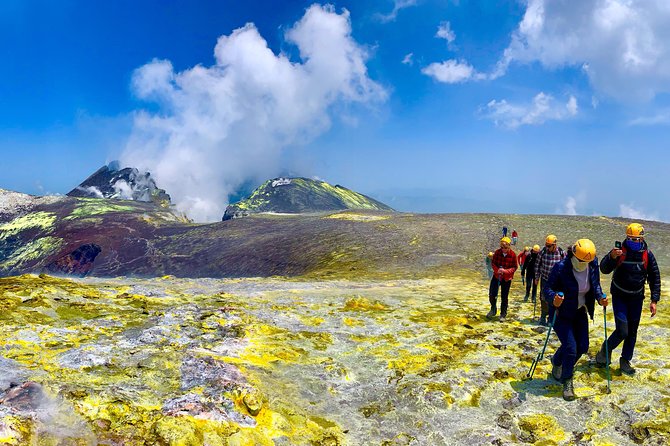
This tour is built for experienced hikers with strong stamina and strong knees. If you handle steep downhill well and you’re comfortable hiking at high altitude, you’ll likely enjoy the challenge and the sense of being on the active mountain itself.
You should skip or choose a gentler Etna option if:
- You have breathing issues or hypertension
- You’re pregnant after the third month (not allowed)
- You’re traveling with children under 12 (not suitable)
- You know you have trouble with dizziness on exposed edges
I also recommend this for people who love practical geology. The best guides make what you see click: fractures, lava channels, crater edges, and why the north flank feels different from the south.
Should You Book It?
Yes, book this if you want the closest, most hands-on Etna experience possible, and you’re ready for a real hike rather than a viewpoint tour. The biggest reasons I’d pick it are the small-group north-side approach, the summit-crater focus, and the fact that you get the essential equipment plus licensed guidance.
Skip it if you’re chasing an easy day or if you can’t handle altitude and a steep descent. On an active volcano, the experience also depends on conditions—so your best move is to show up flexible, dressed for wind and cold, and ready to trust the guide’s safety calls.
FAQ
What time do I need to meet for the Etna North summit hike?
You meet at 7:45am at the meeting point near Chiosco Bar Mareneve di Ferraro in Etna Nord, Piano Provenzana, and the tour departs around 8:00–8:15am.
How long should I plan for the full experience?
It’s listed at about 5 hours 30 minutes on average, and the overall hike time is described as roughly 6 hours depending on conditions and the safest route chosen.
What does the tour price include?
Included items are a licensed volcano guide, trekking poles, trekking shoes, helmets, a warm jacket, extra socks, an extra backpack, insurance in case of accidents, and entry/admission to Mount Etna.
Do I need to rent hiking shoes or poles?
No. The tour includes trekking poles and trekking shoes as part of the provided gear. You should still bring seasonal basics like gloves/hat if needed.
Is parking included?
No. Parking is not included. The cost listed is €5 for the entire day on weekdays and €8 on Sundays and public holidays.
Is there an extra cost for transportation up the mountain?
Yes. An off-road vehicle one-way from about 1,800m up to 2,825m is listed as €50 per person paid on the spot.
How high do you hike to on summit day?
The hike begins around 2,960m and operates in the 2,960–3,323m altitude range. The exact crater route and height can vary based on volcanic activity and safety conditions.
Is this tour suitable for children or pregnant travelers?
No. It’s not suitable for children under 12 and pregnant women who have passed the third month are not allowed.
Can the tour be canceled due to conditions?
Yes. The experience requires good weather, and it may be canceled or adjusted if volcanic activity, environmental, or climatic conditions affect safety.