REVIEW · SICILY
2002 Crater Excursion – Northern Etna
Book on Viator →Operated by Guide Vulcanologiche Etna Nord · Bookable on Viator
Mount Etna has a way of getting into your head fast. This 3-hour north-side crater hike takes you over the trail of the 2002 eruption, including old lava flows, crater edges, and explosive vents, in a smaller, calmer setting. I especially love how Piano Provenzana keeps the day grounded: real parking, real café stops, and an easy meet-up right where your guide expects you.
I also love the human side of the outing. Guides like Giuseppe (equal parts facts and comedy) and Luca (friendly, steady, and great at pacing) make the hike feel doable, with breaks timed so you can actually enjoy the views. One thing to think about: the route crosses crater edges and volcanic ground that can feel loose, so bring proper shoes for your accident insurance coverage and be cautious if you have vertigo.
In This Review
- Key highlights you’ll care about
- Northern Etna crater hikes: why the north side feels different
- Meet in Linguaglossa at 9:15: the small-group setup that keeps things smooth
- Piano Provenzana: coffee, water refill, and a calmer Etna start
- The 2002 eruption hike: lava flow, crater shafts, vent views, and ash descent
- What you’ll walk
- What makes it interesting (not just scenic)
- The descent is where the technique matters
- Vertigo caution is real here
- Gear and safety: what’s covered, what costs extra, and what you should not skip
- What you’ll likely pay for
- Health and readiness checks
- Price and value: how $43.55 stacks up for a Northern Etna crater excursion
- Who should book this Etna North crater hike, and who should pause
- Should you book the 2002 Crater Excursion – Northern Etna?
- FAQ
- Where does the tour start?
- What time does the excursion run?
- Is the tour in English?
- How long is the hike and how far do you walk?
- Are trekking shoes included?
- Is parking included?
- What should I bring for weather?
- What if it’s snowy?
- What if the tour is canceled due to weather?
- What’s the cancellation window for a refund?
Key highlights you’ll care about
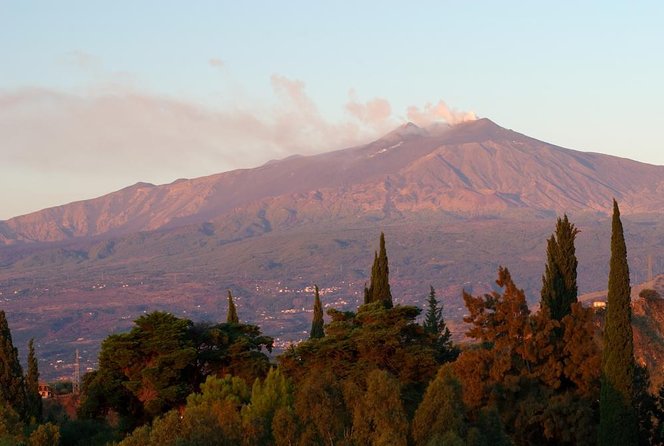
- North slope, less crowded: Piano Provenzana feels quieter than the more famous south-side areas.
- 2002 eruption route: you’ll walk across major 2002 lava flow ground plus the fracture area and vent zones.
- Small group vibe: max group size is 20, which makes pacing and safety feel more controlled.
- Solid guide-led structure: expect breaks and practical tips for steep and sandy bits.
- Easy distance, real altitude changes: around 5 km round trip with about 300 m total ascent/descent in roughly 2.5–3 hours.
Northern Etna crater hikes: why the north side feels different
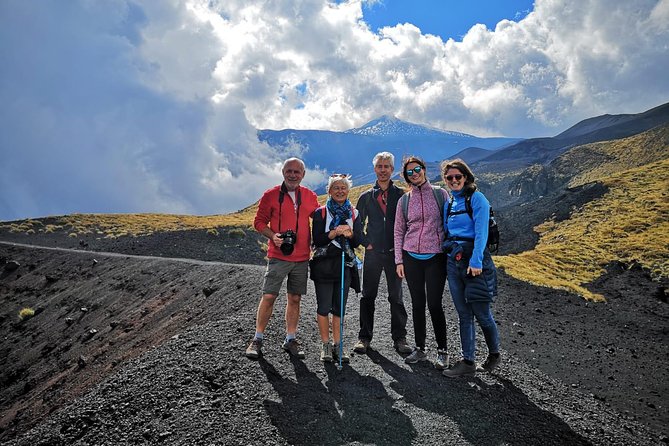
If you’re picturing Etna as one big tourist conveyor belt, the north side can change that. Starting from Piano Provenzana puts you in a quieter, pine-forest-and-lava zone where the hike feels like it’s about the volcano, not the crowd.
On this route, you’re not just looking at Etna from a distance. You get to put your feet on the results of the 27 October 2002 eruption, including areas tied to buried infrastructure (you’ll see where buildings were covered, with only part remaining in view). The north side also gives you a better chance to hear the guide over the noise of your surroundings, which matters when you’re trying to connect what you’re seeing with what caused it.
There’s another practical upside: the north-side start area is straightforward to reach by road, and you’ll have services nearby (coffee, snacks, water refill). That reduces the “hike panic” that hits when you realize you forgot something.
You can also read our reviews of more tours and experiences in Sicily.
Meet in Linguaglossa at 9:15: the small-group setup that keeps things smooth
This excursion starts at Ufficio Guide Vulcanologiche Etna Nord, Via Provenzana, 35, 95015 Linguaglossa CT. Your start time is 9:15 am, and the activity ends back at the meeting point.
A few details matter for how the day will feel:
- It’s offered in English, and you’ll get a mobile ticket.
- It’s capped at 20 people, so your guide can manage walking pace and safety without turning it into a herd.
- Accident insurance is included, but coverage depends on having adequate shoes. No shoes that actually grip = you’re taking on more risk than you think.
If you’re driving, you’ll find blue-lined parking spaces in the Piano Provenzana area. Still, parking isn’t free: plan on a parking ticket cost day rate (weekday vs Sunday/holiday). If you’re traveling in winter, you may also run into snow conditions where extra rentals can be needed.
The bottom line: the schedule is simple, the meeting is clear, and the group size is small enough that your questions don’t get ignored.
Piano Provenzana: coffee, water refill, and a calmer Etna start
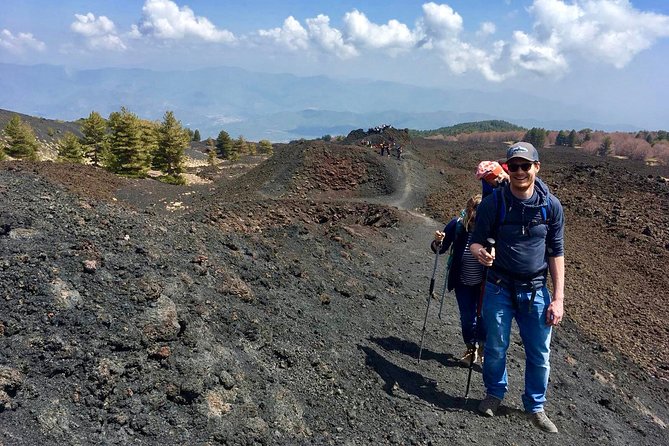
Piano Provenzana sits on Mount Etna’s north side and is easy to access on paved public roads. It’s also a practical staging area shaped by the 2002 eruption. In the October 2002 event, the eruption destroyed the earlier facilities, and what remains is a dramatic volcanic setting that’s still meaningful in a historical sense.
You’ll have about 30 minutes there during the start portion. This is your buffer for things like:
- grabbing a coffee or quick breakfast bite,
- topping up water bottles,
- and getting your bearings before stepping onto volcanic ground.
It also helps that this spot isn’t always packed. Some Etna stations get crowded. Piano Provenzana tends to stay quieter, so you’re not fighting for space to get ready.
Season matters here. In winter it functions as a ski resort. In summer, it’s a common starting point for guided hikes. That seasonal shift can explain why the terrain sometimes includes ski-slope zones on the way down.
The 2002 eruption hike: lava flow, crater shafts, vent views, and ash descent
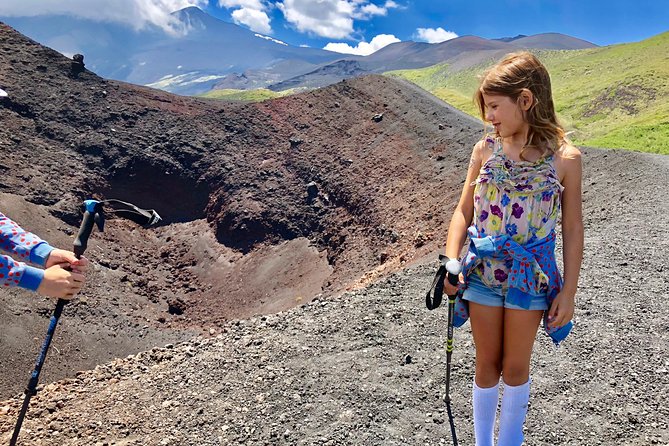
This is the heart of the experience, and it’s built like a guided “greatest hits” walk of the eruption.
What you’ll walk
The hike is about 5 km round trip with roughly 300 m of ascent and descent, typically lasting 2.5–3 hours. You’ll cross a broad section of volcanic terrain that includes:
- the vast 7.2 km lava flow from the eruption of 27 October 2002,
- areas tied to older flows (including 1911 and 1923),
- a chain of 1911 craters with shafts estimated at 7–40 m deep,
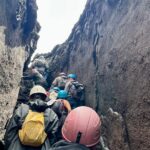
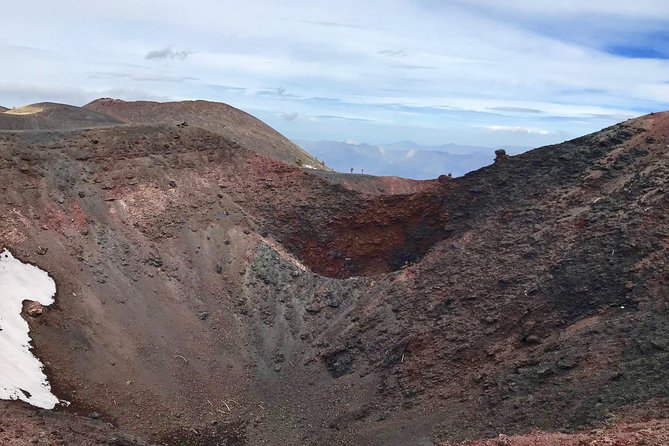
- and the crest of the huge 2002 eruptive fracture, a canyon-like stretch scattered with volcanic bombs.
You’ll reach the area of the vent that produced the destructive flow and also see other large explosive mouths up to around 2,100 m.


What makes it interesting (not just scenic)
The route gives you a way to “read” the volcano. You’re not only seeing rock. You’re tracing how material moved: flow paths, explosion points, and the edges where the ground changes. When you learn how those pieces connect, Etna stops being a single mountain and becomes a working system.
One unforgettable detail is that you’ll pass places connected to buried structures from 2002. It’s a small, visual reminder that eruptions don’t just happen in textbooks.
The descent is where the technique matters
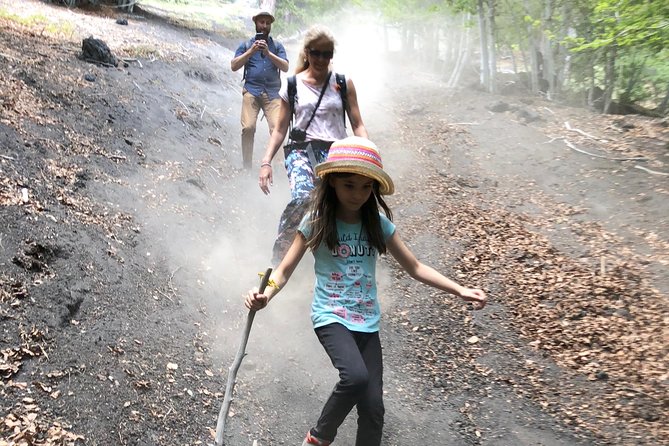
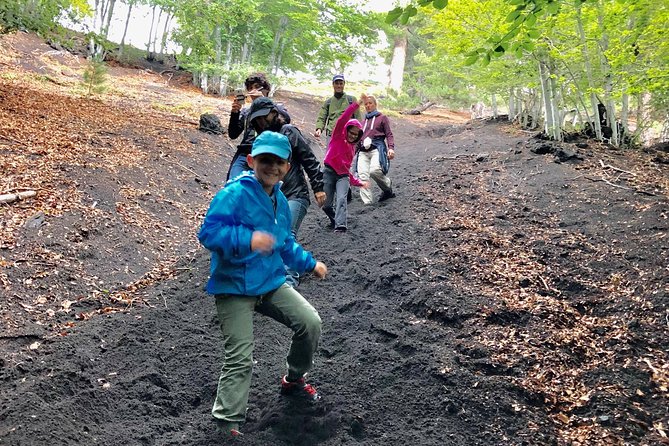
On the way down, you go through soft ash channels and then into beech forest and ski-slope areas back toward the start. This is where people with poor footwear feel it first. Volcanic soil can be incoherent and unstable, and ash can shift underfoot.
Guides typically adjust pacing and give tips for steep or sandy spots. It helps a lot if you listen on those sections rather than rushing through.
Vertigo caution is real here
Your route includes passage along crater edges. If you’re sensitive to heights, take that seriously. You might feel fine until the first real edge moment, then suddenly want more distance from the drop. Go slow, keep your focus on the guide’s instructions, and don’t force bravery.
Gear and safety: what’s covered, what costs extra, and what you should not skip
This tour includes:
- Accident insurance
- An authorized volcanological guide
But your safety isn’t only “insurance paperwork.” The rules matter:
- Without adequate shoes, you may not be covered by accident insurance.
- Volcanic ground can be loose. You need stable traction and attention, not just enthusiasm.
What you’ll likely pay for
Not included:
- Bottled water
- Trekking shoes (you can rent on site for €5 per pair)
- Hat and gloves (especially in winter, spring, and autumn)
- Trekking poles
- Snowshoe rental in the winter period (cost €15 per person, paid on the spot)
A practical note: even if the day feels mild, long pants can be a smart move. Lava rock and uneven ground have a habit of being rough on bare legs.
If you want better stability, trekking poles can help on the downhill and uneven sections, but poles aren’t included. If you already have them, bring them. If not, rent shoes well and use careful steps.
Health and readiness checks
This hike is suited for people in good physical health without particular cardio, respiratory issues, or hypertension concerns. Trekking also isn’t recommended if you usually do little motor activity.
The good news: the walking isn’t described as technical. The tricky part is footing on volcanic soil, not rock-climbing moves.
Price and value: how $43.55 stacks up for a Northern Etna crater excursion
At $43.55 per person, the value is strong if you want a guided walk where you actually reach eruption features and not just viewpoints.
Here’s what you’re paying for:
- an authorized volcanological guide,
- accident insurance,
- access to a structured, crater-and-flow route on the north side,
- and a time-efficient half-morning format (starting at 9:15 am and done the same day).
The extra costs that can nudge your budget are mainly basic: shoes rental (€5) and maybe hat/gloves, water, and parking. If you’re hiking in snow season, snowshoes add €15 on the spot. Still, even with those extras, you’re not paying for a private car transfer or a fancy on-mountain lodge.
One more thing: this hike is popular. It’s often booked in advance (an average booking window of about 19 days), so grabbing a date that matches your weather window can save stress.
Who should book this Etna North crater hike, and who should pause
This is a great fit if:
- you want the north slope experience with fewer crowds,
- you like guided explanations that match what you’re physically walking through,
- you can handle a moderate hike (about 5 km round trip) and are okay with altitude gain and uneven ground,
- you prefer a small group setting.
Families can do well if the kids are comfortable walking and the adults keep a steady pace. The route can be managed, but it’s still outdoors and still volcanic terrain.
Think twice if:
- you have vertigo concerns (crater edge sections are part of the route),
- you generally avoid regular walking or you know you’ll struggle with sustained effort,
- or you have health limitations noted for cardio/respiratory/hypertension.
If you fall into a gray zone physically, ask your guide beforehand about your situation. It’s better to get clarity before your shoes hit the ash.
Should you book the 2002 Crater Excursion – Northern Etna?
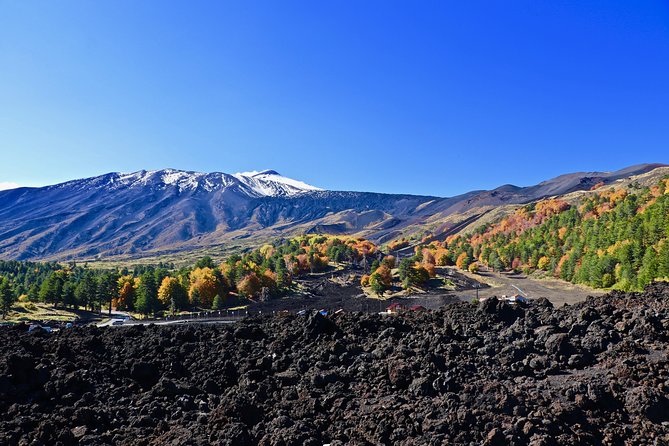
I’d book it if your goal is a real, feet-on-the-rock Etna experience. The north-side setting at Piano Provenzana is quieter, the hike is designed around meaningful eruption features, and the guides bring the learning without making it feel like a lecture.
Skip it if you’re strongly height-sensitive or if you know you can’t handle uneven, volcanic ground even with good shoes. Also be ready to pay for basics like water and the shoes if you need them.
If you can handle that, this is one of those Sicily tours where the volcano feels close enough to understand. And by the end, you’ll know what you walked over, not just what you saw.
FAQ
Where does the tour start?
The meeting point is Ufficio Guide Vulcanologiche Etna Nord, Via Provenzana, 35, 95015 Linguaglossa CT, Italy. The activity ends back at the same meeting point.
What time does the excursion run?
Start time is 9:15 am. The overall duration is about 3 hours (including the hike portion and time at the meeting area).
Is the tour in English?
Yes. The experience is offered in English.
How long is the hike and how far do you walk?
The hike is approximately 5 km round trip and usually takes about 2.5–3 hours, with around 300 m of total ascent and descent.
Are trekking shoes included?
No. Trekking shoes are not included. You can rent them on site for €5 per pair. Adequate shoes are required for accident insurance coverage.
Is parking included?
No. Parking fees are not included. A parking ticket is required (weekday rate differs from Sundays and public holidays).
What should I bring for weather?
You should bring a hat and gloves, especially in winter, spring, and autumn. Bottled water is also not included.
What if it’s snowy?
Snowshoe rental is not included. In winter periods, snowshoe rental costs €15 per person and is paid on the spot.
What if the tour is canceled due to weather?
This experience requires good weather. If it’s canceled due to poor weather, you’ll be offered a different date or a full refund.
What’s the cancellation window for a refund?
You can cancel for a full refund up to 24 hours in advance of the experience’s start time. If you cancel less than 24 hours before, the amount paid is not refunded.