REVIEW · GRAN CANARIA
Sunset Hike and Stargazing Experience in Roque Nublo Mountains
Book on Viator →Operated by RockNatour Experiences · Bookable on Viator
Stars over volcanic peaks. This 3-hour sunset hike and stargazing experience takes you from a forest walk into the mountains above the clouds, aiming straight at the iconic Ventana del Nublo views toward Roque Nublo and Teide. You’ll get a real mountain setup too: a guide, plus a pack with a mat, blanket, and a front light to make the night-sky part comfortable and easy to manage.
I love how the guiding focuses on you understanding the sky, not just looking at it. You’ll practice identifying constellations and planets while the sky darkens, and the experience even includes chances to spot the Milky Way some nights. One catch: you need your own car to reach the meeting point, because public transport doesn’t work in these zones.
In This Review
- Key Highlights You’ll Feel Fast
- Ventana del Nublo: Why This Spot Hits for Sunset and Stars
- Getting There Works Best With Your Own Car
- The 3-Hour Flow: Forest Walk to Stargazing in One Shot
- Your Mountain Comfort Kit: Mat, Blanket, Front Light
- Astronomy Without Telescopes: Learning to Read the Sky
- Stop at Ventana del Nublo: What to Watch For
- What’s Included, and What Isn’t (So You Plan Right)
- Price and Value: $70.70 for 3 Hours Up in the Mountains
- Who This Tour Fits Best (And Who Might Want Another Option)
- Should You Book Sunset Hike and Stargazing in the Roque Nublo Mountains?
- FAQ
- Do I need a car to reach the meeting point?
- How long is the experience?
- What language is the tour offered in?
- What do I receive for the night-sky part?
- Are telescopes used during stargazing?
- What if the weather is bad?
Key Highlights You’ll Feel Fast
- Ventana del Nublo views timed for sunset over Roque Nublo and Teide
- A short forest hike with a geology lesson from a local guide
- A built-in mountain comfort kit: mat, blanket, front light
- No telescopes required—you learn how to read the sky yourself
- Snacks and hot drinks served during the night-sky watching
- Small group size of up to 10 travelers for a calmer experience
Ventana del Nublo: Why This Spot Hits for Sunset and Stars
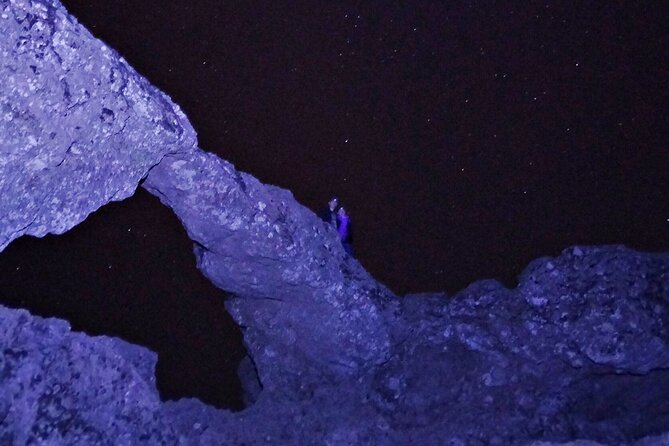
Ventana del Nublo is the kind of place you understand quickly. One moment you’re hiking through the island’s high-country feel; the next, you’re at a viewpoint designed for watching the light change. The payoff is the wide, dramatic line of sight toward Roque Nublo and across the skies where Teide can come into view, so sunset isn’t just pretty—it’s anchored to major landmarks.
This timing matters. As the sun drops, you’ll shift gears from orange light to deep twilight to full night-sky viewing, and your guide will pace the night so you aren’t scrambling to get comfortable. You’ll also get astronomy basics while there’s still enough light to take it in. That’s a big deal because stargazing works best when you start learning before it’s fully dark.
You can also read our reviews of more tours and experiences in Gran Canaria.
Getting There Works Best With Your Own Car
Here’s the practical part: you must have your own car to reach the meeting point. The tour explicitly notes that public transport doesn’t work in these zones. The start location is at Zona de Acampada de Bailico, GC-600, 35369, Las Palmas, Spain, and the activity ends back at the same place.
If you’re planning this from Las Palmas or from another coastal area, don’t treat it like an easy “hop on a bus and go” excursion. Instead, plan for a direct drive and arrive early enough to settle in. This is also why the “short” 3 hours feels like more than it sounds: your time is used for the climb, the viewpoint window, and the dark-sky teaching.
The 3-Hour Flow: Forest Walk to Stargazing in One Shot
The experience runs about 3 hours, and the structure is simple and effective. First comes a hike across the forest where your guide connects what you’re seeing to how Gran Canaria’s geology shaped these mountains. That geology chat makes the hike feel more purposeful than a quick stroll; it’s the difference between taking photos and actually understanding what you’re standing on.
Next, you reach Ventana del Nublo and watch the sunset. This is when the group slows down and the viewpoint becomes the center of the story. You’ll talk about basic astronomy as the sky darkens, so you’re building mental references while conditions are still friendly.
Then the night-sky observation starts. You’ll identify constellations, planets, and on some nights the guide will help you look for the Milky Way. The experience is designed for learning-by-doing, and the pace leaves you enough time to actually see the change from a star-sprinkled sky to a sky that feels full of structure.
Finally, you hike back to the meeting point. It’s not a long, endurance-style trek, but it is a real mountain session after sunset—so wear footwear you trust on uneven ground.
Your Mountain Comfort Kit: Mat, Blanket, Front Light
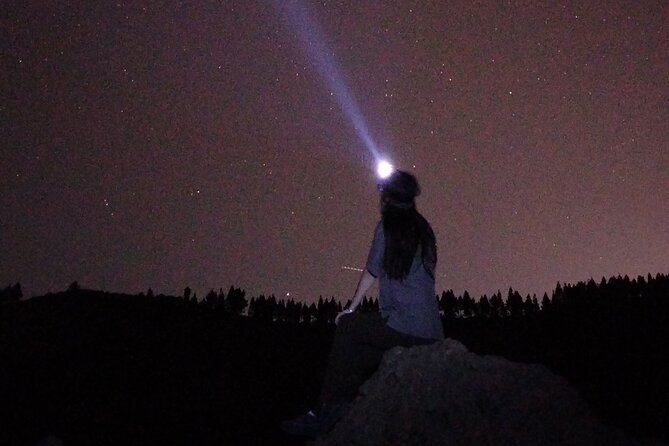
One of the most thoughtful details is the equipment pack you receive at the start: a mat, blanket, and a front light. This matters more than it might sound. When you’re watching stars, you want to stay put for stretches of time. A mat and blanket help your body relax instead of doing the usual vacation shuffle from foot to foot.
The front light also keeps things sane. When it’s dark, you’ll need to move safely and still see what you’re doing—like checking your guide’s directions, finding your spot again if you shift positions, or handling your own gear without blinding the rest of the group.
On top of that, you’ll get snacks and hot drinks while you watch the sky. It’s a small comfort boost, but it also helps the experience feel like a planned evening, not an endurance test.
Astronomy Without Telescopes: Learning to Read the Sky
This is not a telescope show. Telescopes aren’t used in this activity, and that’s exactly why it can be worth your time. A telescope can wow you, sure—but it doesn’t teach you how to navigate the sky on your own. Here, the goal is interpretation. You learn a method for identifying what you’re seeing and connecting it to constellations and planets.
Your guide will walk you through basic astronomy as the night darkens, and you’ll practice identifying targets as conditions improve. That approach turns the experience into a skill you can reuse even on other nights, whether you’re back on the island or traveling elsewhere.
Some nights, you may also get a Milky Way glimpse, and the guiding emphasis makes it easier to recognize what’s happening rather than just wondering if you’re looking at the right thing. If you’re someone who loves astronomy but hates feeling lost, this is the right style.
Stop at Ventana del Nublo: What to Watch For
At Ventana del Nublo, the key experience is the combination: sunset first, then the sky’s gradual reveal. The view is built around big Canary Island icons—Roque Nublo and Teide appear in the perspective depending on visibility—so you’re not stuck staring at darkness with no context.
Also, don’t overlook the guidance during the shift from sunset to night. The plan is to discuss astronomy fundamentals before full dark, which helps your brain lock onto patterns instead of chasing random points of light.
A practical note: because this is a mountains-above-clouds area and you’re stopping for sunset and stars, the experience is weather dependent. If conditions are poor, the activity can be canceled and you’ll be offered a different date or a full refund—so it’s worth booking with some flexibility.
What’s Included, and What Isn’t (So You Plan Right)
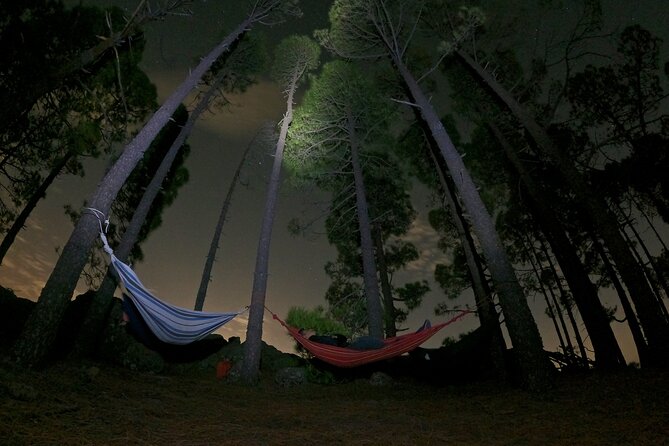
Here’s what you can count on based on the experience details:
- A local guide in English
- Backpack equipment: mat, blanket, front light
- Snacks and hot drinks
- A forest hike with geology explanations
- Night-sky identification: constellations and planets, with Milky Way possibilities some days
- No telescopes (you learn the sky instead)
What you should not assume: you won’t be handed a “big scope” and dropped into a quick look. Instead, you’ll spend time learning how to point out the sky yourself. If you want a passive, sit-and-watch show only, this format might feel more educational than you expected.
Price and Value: $70.70 for 3 Hours Up in the Mountains
At $70.70 per person for about 3 hours, this isn’t a bargain bus tour, but it also isn’t trying to be a premium, long-haul expedition. The value sits in the mix: a small group (max 10), a guide-led geology walk, a viewpoint sunset session, plus astronomy teaching while you’re comfortable (mat, blanket, front light) and fed (snacks, hot drinks).
This is the kind of price that starts making sense once you realize what’s included. If you had to recreate this yourself, you’d still be paying for transportation up there, time, and probably renting or bringing your own comfort gear. Here, the experience packages it for you—and it’s paced for night-sky learning rather than rushing through a highlight list.
One more value hint: it’s often booked around 8 days in advance on average. That doesn’t mean you can’t find space later, but if stargazing is a priority, earlier booking is smart.
Who This Tour Fits Best (And Who Might Want Another Option)
This experience is a strong match if you:
- Want a short evening that combines nature, viewpoint time, and astronomy teaching
- Like hikes but don’t want a full-day trek
- Enjoy learning patterns and skills you can use again (instead of only looking through equipment)
- Appreciate small groups—this one caps at 10 travelers, which keeps the vibe calmer
It may be less ideal if:
- You don’t have a car and can’t easily arrange one
- You prefer public-transport-friendly outings
- You want a purely passive viewing experience with lots of tech (because telescopes aren’t used)
Good to know: service animals are allowed, and most people can participate, but the core experience does rely on walking and sitting outside in the dark for stargazing.
Should You Book Sunset Hike and Stargazing in the Roque Nublo Mountains?
I’d book it if you’re coming to Gran Canaria for real moments: a guided sunset at a landmark viewpoint, then a night-sky session that helps you understand what you’re seeing. The star education angle is the big strength—no telescopes, no guessing—just guidance that turns the sky into something you can recognize.
I’d think twice if you’re not set up for a mountain drive. The requirement for your own car is firm, and public transport doesn’t cover these zones. If you can handle the drive and you’re okay with an outdoors evening, this is the kind of tour that leaves you feeling like you learned something, not just watched something.
FAQ
Do I need a car to reach the meeting point?
Yes. You need your own car because public transport doesn’t work in these zones. The meeting point is Zona de Acampada de Bailico on GC-600 (35369, Las Palmas, Spain).
How long is the experience?
It lasts about 3 hours.
What language is the tour offered in?
The experience is offered in English.
What do I receive for the night-sky part?
You’ll get a backpack with a mat, blanket, and a front light, plus snacks and hot drinks while you watch the sky.
Are telescopes used during stargazing?
No. Telescopes are not used. You’ll learn to interpret the sky on your own.
What if the weather is bad?
This experience requires good weather. If it’s canceled due to poor weather, you’ll be offered a different date or a full refund.