REVIEW · SAN JOSE
Rio Celeste Waterfall at Tenorio Volcano and Sloth Watching Tour From San Jose
Book on Viator →Operated by AyE Tours Travel Costa Rica · Bookable on Viator
Rio Celeste turns a long drive into a reward. This day trip pairs a hike in Tenorio Volcano National Park with real wildlife spotting during a dedicated sloth-watching stretch, plus hotel pickup and included meals so you are not managing logistics all day. If you get a clear-weather window, the payoff is the famous Celeste turquoise river and waterfall setting.
I love the practical pacing: the park trails are described as easy, and your guide helps you find the natural details that you would otherwise walk right past. I also like that guides often bring local animal knowledge into the hike and the forest viewing, with names like Luis Molina and John showing up in customer stories. One consideration: the official time is listed at about 8 hours, but the road time from San Jose can stretch the day, especially when traffic gets heavy.
In This Review
- Key highlights that make this tour a smart bet
- Leaving San Jose Early: When the Day Starts to Make Sense
- Tenorio Volcano National Park and Rio Celeste: What You’re Actually Hitting
- The hike: easy by Costa Rica standards, not a flat stroll
- The waterfall moment: why it feels special
- What a good guide adds here
- Wildlife Watching and the Sloth Forest: How You Get Real Sightings
- Why sloth watching is a different skill than hiking
- The other animals you might see
- Expect narration and animal-spotting help
- Food, Coffee, and the Comfort Stuff That Saves the Day
- Transportation and Timing: What You Should Budget Realistically
- Price and Value: Is $185 Reasonable?
- Who Should Book This Tour (and Who Might Not)
- Should you book Rio Celeste and Sloth Watching from San Jose?
- FAQ
- How long is the Rio Celeste and sloth watching tour from San Jose?
- What time does pickup start in San Jose?
- What’s included in the tour price?
- Is the Rio Celeste hike difficult?
- What animal viewing can I expect during the sloth watching part?
- What happens if the weather is bad?
- Is swimming allowed at Rio Celeste?
Key highlights that make this tour a smart bet
- Early start, early payoff: pickup runs from 5:30 AM to 6:30 AM, which helps you get to the park when conditions are best
- Rio Celeste is the main event: about 4 hours in Tenorio Volcano National Park with admission included
- Easy trails for most walkers: the hike is commonly considered easy, with some muddy spots depending on the season
- Sloth watching with serious spotting help: guides focus on locating animals, not just walking through trees
- Meals and coffee handled: breakfast and lunch are included, plus coffee or tea
- Small group size: maximum of 20 travelers, so you are not stuck behind a crowd
Leaving San Jose Early: When the Day Starts to Make Sense
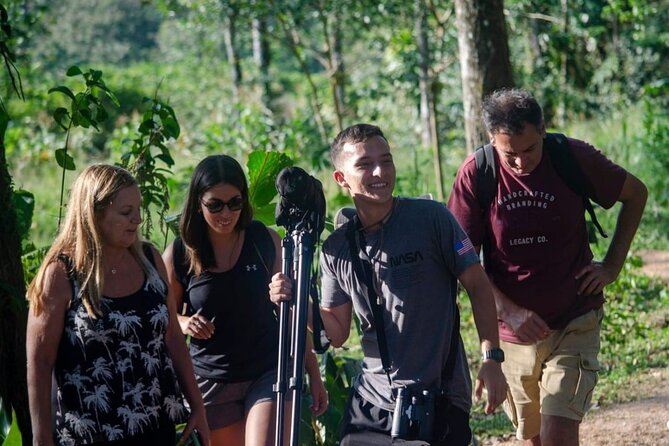
This tour starts before the city fully wakes up. Pickup is scheduled within the 5:30 AM–6:30 AM window, and that matters more than it sounds. The earlier you leave, the better your odds of arriving at Tenorio Volcano National Park with daylight to enjoy viewpoints and to keep your hike comfortable.
And yes, you should plan this as a full-day outing. Even if the itinerary is advertised as about 8 hours, the practical reality is that getting from San Jose to Tenorio takes time. People describe roughly three hours each way depending on conditions, so you might end up feeling like you booked a long day rather than a quick excursion.
The upside is that the tour is built for one-shot efficiency. You get air-conditioned transportation, hotel pickup and drop-off, and a plan that strings together the waterfall hike and the sloth watching without you needing to coordinate separate tickets, buses, and meeting points.
You can also read our reviews of more tours and experiences in San Jose.



Tenorio Volcano National Park and Rio Celeste: What You’re Actually Hitting
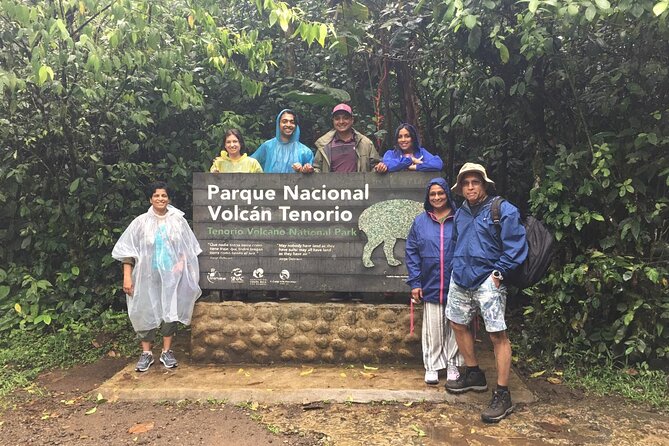
The heart of the day is the Rio Celeste portion inside Tenorio Volcano National Park, including the admission ticket. You spend about 4 hours here, and the big focus is the hike through forest trails to reach the Celeste River and waterfall viewpoints.
The hike: easy by Costa Rica standards, not a flat stroll
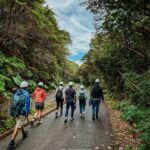
The trails through the park are commonly described as easy, which is great news if you are not looking for a technical climb. Still, easy does not mean effortless. Expect uneven ground, and depending on weather and season, you can run into slippery mud. Hiking shoes are a better choice than flip-flops, because the ground can be wet.
One thing I like about this part of the tour is that you are not just chasing a single photo. You are moving along forest paths long enough to notice vegetation and changes in the river color. Some guides also point out spots where you can see color transitioning across the river, which makes the Celeste effect feel less like a magic trick and more like a natural process you can understand.
The waterfall moment: why it feels special
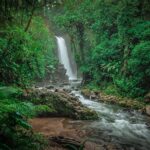
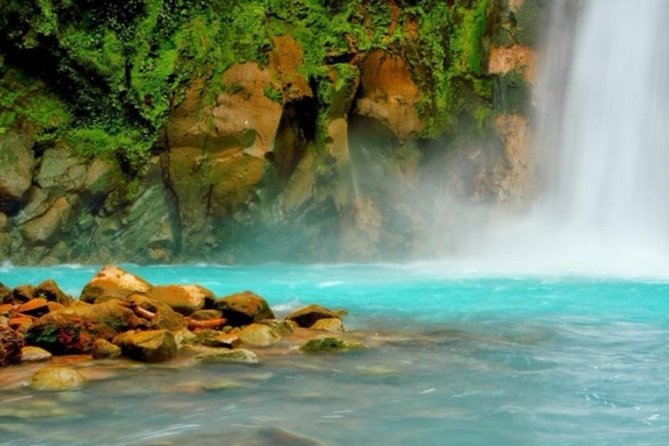
The Rio Celeste experience is known for the turquoise color, but what makes the stop land is the full sequence: forest hike, river views, then the waterfall setting. You come to see why so many people call it uniquely Costa Rica, not just because of the color, but because the whole environment feels like a living ecosystem.
Also, keep one rule in mind. Swimming in Rio Celeste is prohibited by the government. You will be able to enjoy the water from viewpoints and trails, but don’t expect a dip.
What a good guide adds here
A guide can turn this hike from scenic to memorable. In customer stories, guides like Luis Molina and Yancy are praised for explaining what you are seeing and for spotting animals you might miss. That can mean small movements in the canopy, birds in the edges of the path, or details around the river corridor that add meaning to the hike beyond photos.





Wildlife Watching and the Sloth Forest: How You Get Real Sightings
After Rio Celeste, the day shifts from hiking to wildlife searching with a focus on sloths. This portion is what many people remember long after the waterfall photos fade, because sloths require patience and skilled eyes to locate.
Why sloth watching is a different skill than hiking
Sloths are not like a zoo animal that is guaranteed to be in front of you. They can be high up, still, and easy to overlook. This is why the guide approach matters. You’re not just standing in a random patch of forest; you’re being guided through the best opportunities for spotting.
In at least one account, sloths were pointed out using a telescope setup, with another guide assisting. That kind of method tells you what you are paying for: a process designed to increase your chances.
The other animals you might see
Sloth watching in Costa Rica rainforest habitat also tends to come with surprises. People describe spotting things beyond sloths, including toucans, butterflies, frogs, and even snakes. Other outings mention monkeys as well. Your exact sightings depend heavily on luck and conditions, so I treat this as a wildlife experience where the sloths are the headline, not the only feature.
Expect narration and animal-spotting help
One of the strongest themes in customer feedback is how guides narrate nature and connect animal sightings to the local environment. Luis Molina is specifically mentioned as combining humor with real knowledge, and guides like Fernando are praised for helping people see animals clearly during the sloth portion.
Food, Coffee, and the Comfort Stuff That Saves the Day
This tour includes breakfast and lunch, plus coffee and/or tea. That matters because you are starting early and likely spending long hours on the move. It also means you can focus on enjoying the forest rather than hunting for food once you are already tired.
People consistently describe the breakfast and lunch as tasty and filling, with meals often served near the activity area. The practical benefit is simple: you avoid the hunger-crash that ruins hiking and wildlife spotting.
Alcohol is not included. You may be able to purchase it, but if you want the best chance of enjoying the long return drive and early start, I’d keep it minimal.
Transportation and Timing: What You Should Budget Realistically
You are on the road for a reason: this part of Costa Rica is not around the corner from San Jose. The tour uses an air-conditioned vehicle and offers hotel pickup and drop-off, which is a big convenience win when you are tired and you want to avoid complicated transfers.
The main timing risk is traffic and distance. Even when the itinerary says roughly 8 hours, I’d plan for a later return day. One account notes getting back close to 8:30 PM, and multiple mentions point to a long total day from pickup to drop-off.
If you already booked afternoon plans in San Jose or a night tour, you’ll want a buffer. This tour is the kind of activity that can swallow your schedule, not because it is poorly managed, but because Costa Rica roads take time.
Price and Value: Is $185 Reasonable?
At $185 per person, this tour is not a budget add-on. But it can be good value if you look at what you get together: round-trip hotel transport, admission for Rio Celeste, a full hike portion, a dedicated wildlife/sloth segment, plus breakfast and lunch.
Small group size also affects value. With a maximum of 20 travelers, you generally get more room for a guide to actually see you and manage the pace. If you’ve ever been on tours where you cannot hear the guide or you can’t get to the front for photos, you know why group size matters.
To judge value the right way, compare the cost of:
- getting transportation out to Tenorio,
- paying for admission,
- and paying separately for guided wildlife spotting,
then add the comfort of meals included.
If you want a guided day that covers the famous Rio Celeste experience and pairs it with sloth watching, this price can pencil out. If you are already spending your day far from San Jose, you might consider whether you need both segments packaged together, but from San Jose, this format is efficient.
Who Should Book This Tour (and Who Might Not)
This tour is a strong fit if you:
- want the classic Rio Celeste waterfall area without managing logistics,
- enjoy nature hikes but prefer them not strenuous,
- care about wildlife spotting and want a guide to help you find animals,
- like having meals handled so you can start early and stay focused.
It may be less ideal if you:
- hate long travel days and want strict timing,
- have very tight afternoon commitments in San Jose,
- expect a guaranteed sloth sighting like a theme park.
The physical requirement is listed as moderate fitness. That usually means you should be comfortable walking uneven terrain for several hours, including potential muddy trail sections.
Children must be accompanied by an adult, and the experience is guided with a group cap, so families who plan around early pickup and a long day often find it workable.
Should you book Rio Celeste and Sloth Watching from San Jose?
I’d book it if you want one day that delivers two headline experiences: Rio Celeste’s color-and-waterfall drama and a serious attempt at rainforest wildlife spotting focused on sloths. The inclusion of admission, meals, and round-trip hotel pickup makes it feel less like you’re buying tickets and more like you’re buying a plan.
Book with eyes open about timing. You should treat it as a full-day outing, not a short half-day. If you can handle early pickup and plan a relaxed evening back in San Jose, this tour can be a genuinely satisfying way to see why people rave about Tenorio Volcano country in the first place.
FAQ
How long is the Rio Celeste and sloth watching tour from San Jose?
The tour is listed at about 8 hours, though travel time can make the day feel longer depending on road conditions.
What time does pickup start in San Jose?
Pickup runs between 5:30 AM and 6:30 AM (daily).
What’s included in the tour price?
The price includes breakfast, lunch, hotel pickup and drop-off, air-conditioned transportation, admission for Rio Celeste, and coffee and/or tea.
Is the Rio Celeste hike difficult?
The trails in the park are described as easy, though you should still have a moderate physical fitness level and be ready for uneven, potentially slippery ground.
What animal viewing can I expect during the sloth watching part?
Sloths are the focus, and you may also spot other rainforest wildlife like birds and insects during the viewing session.
What happens if the weather is bad?
This experience requires good weather. If it gets canceled due to poor weather, you should be offered a different date or a full refund.
Is swimming allowed at Rio Celeste?
Swimming is prohibited by the government, so you’ll want to stick to viewpoints and trails.