REVIEW · CORFU
Small-Group Food and Cultural Tour in Corfu
Book on Viator →Operated by Corfu Walking Tours · Bookable on Viator
Corfu has a way of turning history into something you can actually taste. This small-group food and cultural tour pairs a tight walk through the UNESCO Old Town with real bites: brunch, tastings, and a seated lunch. I love that the group stays small (max eight), and you get a guide who connects what you see—like Spianada and the English-era palace—with what you eat.
One thing to plan for: it’s still a walking tour. You’ll cover a fair bit of Old Town streets, and the experience depends on good weather, so sturdy shoes matter.
In This Review
- Key Things to Know Before You Go
- Walking Corfu’s UNESCO Old Town with Food in Your Hands
- Old Fortress Meeting Point: A Clear Start for a Compact Tour
- Spianada and Liston: The Square Where Power Becomes Party Time
- Palace of St. Michael and St. George: English Rule You Can Still Walk Through
- Holy Church of St. Spyridon: Patron Saint Energy in a Short Stop
- Old Town Hall (San Giacomo Theatre): Venetian Neighborhood Life to Theatre to City Hall
- Evraiki (Jewish Quarter): Old Venetian Streets and a 20th-Century Disruption
- Brunch, Spices, Olive Oil, and Pastitsada: The Food Part That Actually Feels Local
- Greek brunch to start
- Snacks and tastings between sights
- Lunch: Pastitsada, Greek salad, ouzo
- Small-Group Size and Guides Like Nausica, Alice, and Valia
- Pace, Weather, and What to Wear in Corfu Town
- Price and Value: Why This Feels Fair at $108.89
- Who This Corfu Food and Culture Tour Fits Best
- Should You Book This Tour?
- FAQ
- How long is the Corfu small-group food and cultural tour?
- What’s the price per person?
- How many people are in the group?
- Where does the tour start?
- Where does the tour end?
- What foods are included?
- Is admission included for the church and Old Town Hall?
- What language is the tour offered in?
- Is the tour suitable for most travelers?
- What happens if the weather is poor?
Key Things to Know Before You Go
- Max 8 on the walk: intimate pacing, easy questions, and fewer bottlenecks at the food stops
- UNESCO Old Town focus: you’re not wandering randomly; you’re moving through the core landmarks
- Actual Corfu flavors: pastitsada, olive oil tasting, Greek yogurt, pies, and ouzo
- Two main departure windows: morning or early evening options fit more schedules
- Multiple historic layers: Venetian, English rule, and Jewish quarter history in the same loop
- Food-first itinerary that still makes sense: you’ll eat in a way that keeps the cultural stops moving
Walking Corfu’s UNESCO Old Town with Food in Your Hands
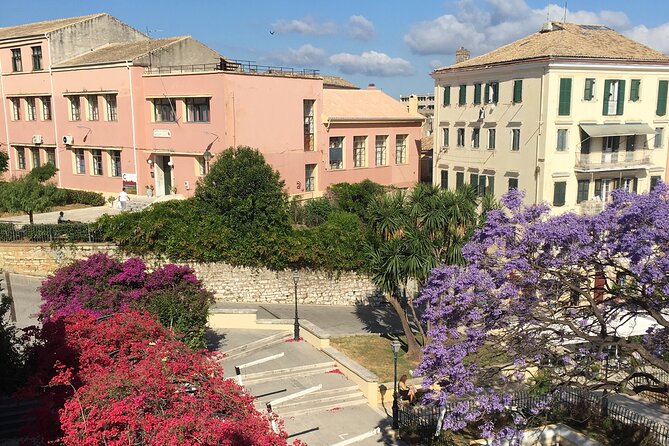
Corfu Town’s Old Town is famous for a reason: it’s compact, walkable, and full of visible history. What makes this tour work is that you don’t just look at buildings. You connect the architecture and street layout to the foods you’re sampling.
I like that you start with big “orientation” landmarks—the Old Fortress area and the central squares—so later stops feel easier to place. Then the food keeps landing right when you understand the setting. It turns the afternoon into something like a guided “how Corfu got this way” lesson, but you’re eating while you learn.
You can also read our reviews of more tours and experiences in Corfu.


Old Fortress Meeting Point: A Clear Start for a Compact Tour
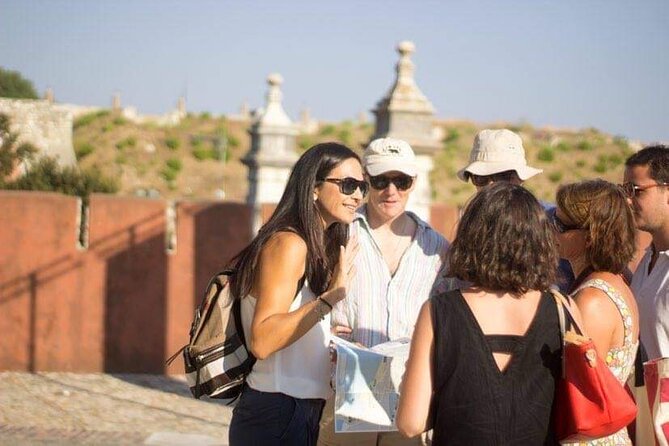
You meet in front of the Old Fortress at the statue of Schulemburg. From there, your accredited guide gives context about the monument from outside, then you move into the historical center on foot. The tour ends back at the same meeting point, which is helpful when you’re trying to plan the rest of your day.
This start location is a plus if you want to get your bearings fast. It’s also a practical choice because Corfu Town’s core sights cluster close together. If you’re arriving by public transportation, you’re in a walk-friendly area (the tour is listed as near public transportation), so you’re not stuck hunting for a faraway pickup.
Spianada and Liston: The Square Where Power Becomes Party Time
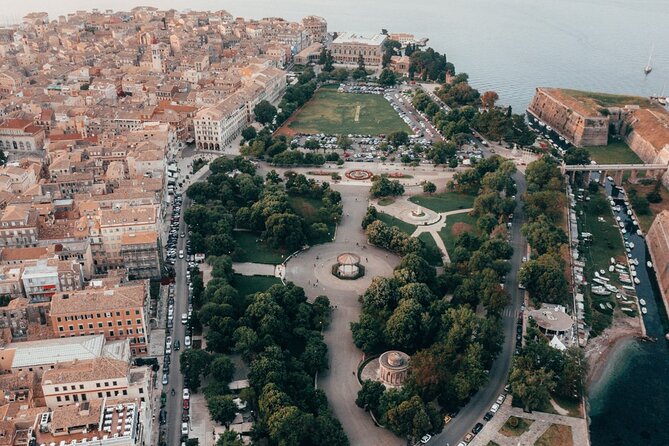
Your walk hits Spianada, the central square and one of Corfu Town’s signature spaces. The name comes from the Venetian word for an open flat area, and people say it’s the largest square in the Balkans. Even if you don’t chase every statistic, you’ll feel the scale instantly—this is the town’s open-air living room.
Liston lines part of the square with fine cafes and restaurants, and the square became a proper public space during the French period. Earlier than that, it functioned more defensively—an empty open lot used for protection.
A small but fun detail: cricket matches are played on the Esplanade, and it’s the only place in Greece where the sport is played. That kind of fact is exactly why a guide helps—suddenly the square isn’t just pretty stone; it’s tied to real cultural imports.
Palace of St. Michael and St. George: English Rule You Can Still Walk Through
Next you head toward the Palace of St. Michael and Saint George, on the northern side of the Corfu Town historical center square. This building matters because it’s the largest and most significant structure from the English rule period, which ran from 1814 to 1864.
The palace was built at the request of British Lord High Commissioner Sir Thomas Maitland. In other words: this isn’t a random grand building. It was intended as a luxurious residence and the administrative headquarters for the High Commissioner.
Today, it houses the Corfu Museum of Asian Arts, described as the only museum of its kind in Greece, focused on art and antiquities of the Far East and India. The collection is said to include about 15,000 works, founded in 1928. Even if you don’t linger for a deep museum visit during the walk, the stop gives you a surprising “wait, what?” moment—and that’s valuable when you only have a few hours.
Holy Church of St. Spyridon: Patron Saint Energy in a Short Stop
The tour includes a visit to the Holy Church of Saint Spyridon, the patron saint of the island and a miracle worker. The stop is listed at about 15 minutes, and admission is free.
This is a good checkpoint stop. You get a change of pace from streets and squares, and it adds a spiritual-cultural layer to the walk. It’s also a reminder that Corfu Town’s identity isn’t only political history—belief and local tradition matter too.



Old Town Hall (San Giacomo Theatre): Venetian Neighborhood Life to Theatre to City Hall
As you move through narrow streets, you pass Town Hall Square and see the building tied to the Old Town Hall and the San Giacomo Theatre. The area was once an exclusive Venetian neighborhood with an opera house and villas.
What I appreciate here is the building’s “career.” Early on it was used as a club for noblemen. In 1720 it hosted the Noble Theatre of Saint Giacomo of Corfu. Then in 1903, it became the Town Hall.
That timeline is the point: Corfu’s architecture often reflects who held power at the time. You’re not just admiring a facade; you’re looking at how public space evolved.
The listed time here is about 30 minutes, and admission is free.
Evraiki (Jewish Quarter): Old Venetian Streets and a 20th-Century Disruption
One of the most meaningful parts of the route is the Jewish quarter, known as the old Venetian ghetto and still called Evraiki in Greek. It stretched across the southeast section of the city near the Venetian fortifications, with alleyways and faded, multistoried houses—very similar to what you’d expect in Venice.
The route also notes that the ghetto lost its urban unity due to bombings during World War II. This isn’t a “cute photo stop.” It’s a sober historical moment built into the walk.
If you like your cultural tours to feel honest rather than postcard-only, this is the portion you’ll remember most.
Brunch, Spices, Olive Oil, and Pastitsada: The Food Part That Actually Feels Local
This is the reason most people book: you eat. And not just tiny samples that tease you for later. The tour includes multiple tastings and then a seated meal at the end.
Greek brunch to start
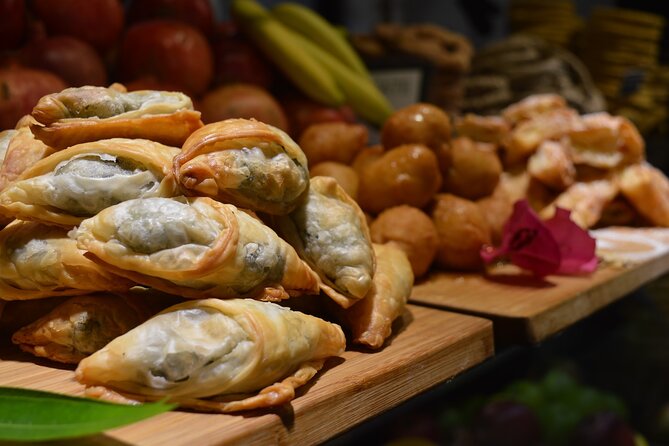
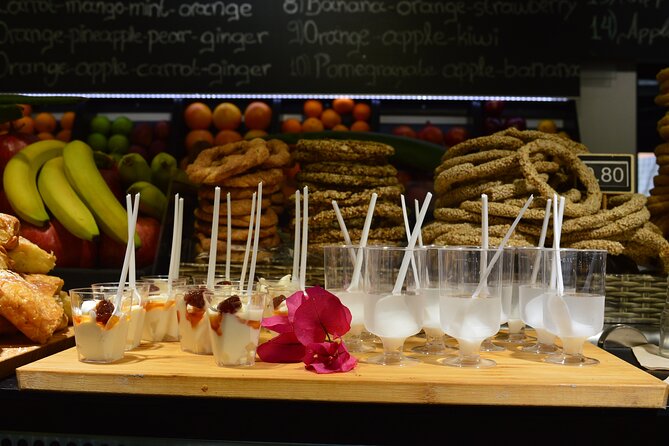
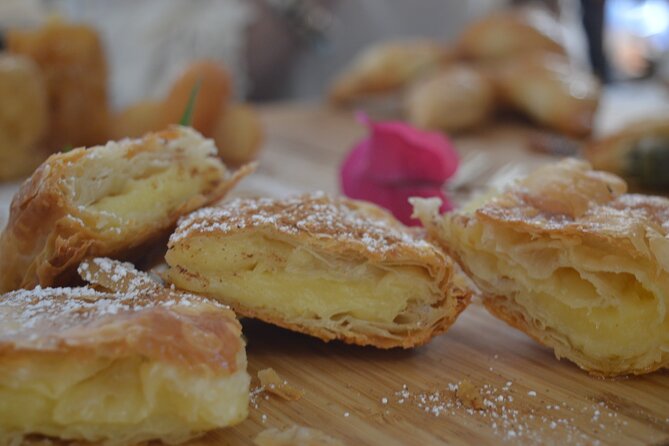
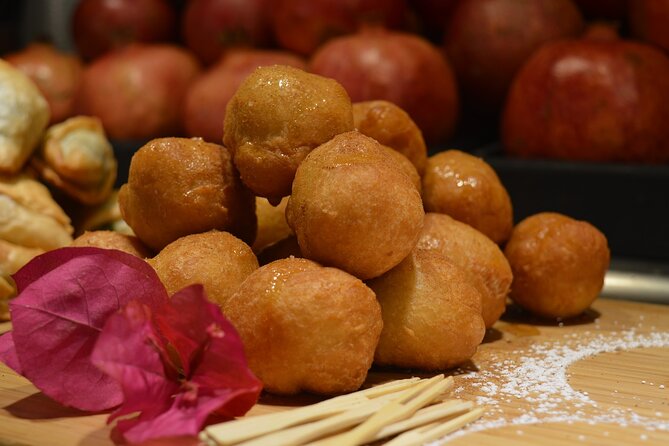
After meeting your accredited guide, the first food stop starts with a Greek brunch. You can expect items like spinach pies, cheese pies, Greek yoghurt, and ginger beer.
This matters because you’re not starting with dessert or something easy to snack on. You’re getting flavors that fit Corfu’s daily food culture—savory, comforting, and very “breakfast-to-late-day” friendly.
Snacks and tastings between sights
Along the way, you’ll also do an olive oil tasting. Your local vendor introduces you to local spices and the history of olives. It’s the kind of stop that pays off even after the tour, because you learn what to look for if you’re buying olive oil or spices later.
From past experiences with this style of tour, I find olive oil tastings are where you get the biggest flavor difference for the smallest effort. Here, it’s paired with context, so it doesn’t feel random.
Lunch: Pastitsada, Greek salad, ouzo
The main meal is a seated lunch. The featured main dish is pastitsada, a beef stew with tomatoes and spices like cinnamon, cloves, black pepper, sweet and hot paprika—served with pasta.
You’ll also have Greek salad and ouzo. In some real-world tour moments, you may also find wine or liqueurs showing up as part of the overall food-and-drink progression, but what’s consistently described in the tour info is that lunch is full and includes ouzo.
A practical tip: come hungry. People often feel like they’re “finally eating” halfway through, then realize they’ve already had pies, yogurt, and drinks. One reviewer even said show up with an empty stomach, and honestly, that’s the right vibe.
Small-Group Size and Guides Like Nausica, Alice, and Valia
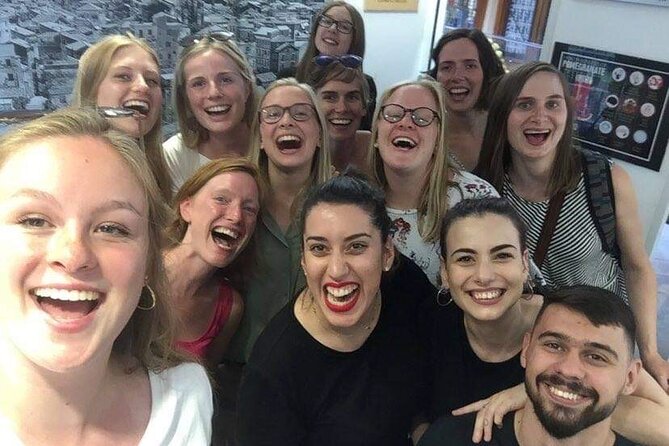
The tour runs with a guide and stays small: maximum eight on the walking portion, and the overall group size is listed as a maximum of 20. That tighter cap shows up in how the tour feels—less waiting around, more time to ask what you’re actually curious about.
Guide names you may encounter include Nausica, Alice, Valia, Electra, Alkistis, and Vilia. Different people bring different energy, but the common thread is friendly, high-engagement guiding. For example, one guide (Valia) is described as speaking English well, while another (Alice) is noted for exceptionally good English.
This is also a tour where the guide’s “tone” matters. The best versions of these tours don’t just list facts. They explain why you should care about the place you’re standing in.
Pace, Weather, and What to Wear in Corfu Town
The route is built on walking through tight streets. One review described a rainy day and said they managed to dodge the heaviest showers, but walking is still walking. If rain hits hard, you’ll want shoes with grip and clothes you can handle in sudden weather changes.
Also consider the departure timing. You can choose morning or early evening departures, which helps if you’re planning around cruise port schedules or dinner reservations. Since the tour requires good weather, having an alternate plan for the day is just smart.
Price and Value: Why This Feels Fair at $108.89
At about $108.89 per person for roughly three hours, you’re paying for more than sightseeing. You’re paying for:
- guided storytelling in the Old Town core
- multiple tastings (including brunch and olive oil/spice context)
- a seated lunch with a local signature dish (pastitsada), plus Greek salad and ouzo
If you’ve ever tried to cobble together food stops on your own in Corfu Town, you’ll notice two problems: it’s hard to know what’s truly local and worth your time, and you end up spending just as much after drinks and meals. This tour bundles it, keeps you moving efficiently, and adds the cultural explanations you’d otherwise have to research later.
Who This Corfu Food and Culture Tour Fits Best
This tour is a strong fit if you:
- want a fast, guided introduction to Corfu Town’s Old Town landmarks
- like your history tied to real everyday food
- prefer small-group pacing over big-bus chaos
- only have a few hours and want lunch handled for you
It’s less ideal if you want a low-walking experience or you’re specifically hunting for long museum time. The stops are structured and timed, so you’ll get the highlights without turning the day into a marathon.
Should You Book This Tour?
I’d book it if you want Corfu in one package: UNESCO Old Town landmarks plus a meal that tastes like the island, not like a tourist menu. The combination of small-group walking, real Corfu food stops, and guided context (including the church, the English-era palace, and Evraiki) makes it feel efficient without feeling rushed.
If you’re sensitive to walking or weather, plan your footwear and bring a simple rain plan. Otherwise, this is exactly the kind of tour that makes your first day in Corfu Town smarter, tastier, and way less guesswork.
FAQ
How long is the Corfu small-group food and cultural tour?
It’s about 3 hours.
What’s the price per person?
The price is $108.89 per person.
How many people are in the group?
The Old Town walking is in a group of maximum eight, and the overall maximum is 20 travelers.
Where does the tour start?
The tour meets in front of the Old Fortress at the statue of Schulemburg, in Corfu.
Where does the tour end?
It ends back at the same meeting point.
What foods are included?
You get a Greek brunch (spinach pies, cheese pies, Greek yoghurt, ginger beer), snacks including an olive oil tasting with spice introductions, and a seated lunch featuring pastitsada, Greek salad, and ouzo.
Is admission included for the church and Old Town Hall?
Yes. The Church of Saint Spyridon is listed as free admission, and the Old Town Hall (San Giacomo Theatre) is also listed as free admission.
What language is the tour offered in?
The tour is offered in English.
Is the tour suitable for most travelers?
It’s listed as suitable for most travelers.
What happens if the weather is poor?
The experience requires good weather. If it’s canceled due to poor weather, you’ll be offered a different date or a full refund.