REVIEW · PICO ISLAND
Pico Island: Wine Tasting, Independent Producers & Culture
Book on GetYourGuide →Operated by Oh! My Cod Tours & Trips · Bookable on GetYourGuide
Pico wine isn’t made by accident. This small-group tour mixes UNESCO lava vineyards, local food, and an independent-producer tasting into one easy-going day. You start in Madalena, walk where the vines grow in lava soil, and finish with wine that’s shaped by a stubborn island environment.
I especially like that you get more than a tasting flight. You also get the “why” behind Pico Wine, including how hand work has stayed consistent for centuries and how the result is mineral and salty in the glass.
One consideration: the walk includes parts on uneven volcanic lava rock, so it’s not suitable for wheelchair users or people with mobility impairments.
In This Review
- Key things you’ll notice on this Pico tour
- Why Pico Wine Feels Different Than Any Other Tasting
- Start In Madalena: Meeting Point And A Calm 5-Hour Pace
- The Vineyards Walk Through Lava Terrain (And How To Prepare)
- Lunch-Style Stops: Food Tastings That Actually Pair With The Wine
- The Independent Winery Tasting: Limited Editions And Real Makers
- Natural Pool Reset: A Weather-Dependent Detour That Changes The Feel
- Price And Value: What $165 Buys On Pico
- The Role Of Your Guide (Silvia Shows Up A Lot For A Reason)
- Who Should Book This Pico Wine Experience (And Who Should Skip It)
- Tips To Pack For A Smooth Day On Pico
- Should You Book This Pico Wine Tour?
- FAQ
- How long is the Pico Island wine tasting tour?
- What’s the starting meeting point?
- Is hotel pickup included?
- How many drink and food tastings are included?
- Do I get to visit a natural swimming pool?
- How long is the winery tasting?
- What languages is the tour guide available in?
- Is the walking portion easy?
- Is this tour wheelchair accessible?
- What are the booking and cancellation options?
Key things you’ll notice on this Pico tour
- Small group (up to 8): easier conversation at tastings and less time herding people around.
- UNESCO Pico vineyard walk: you see the vines up close, not just from a viewpoint.
- Independent producers, not the cooperative tasting room: you get access to places and people you’re less likely to find on your own.
- Up to 5 drink tastings and up to 5 food tastings: the day is built around pairing, not just sipping.
- Natural pool stop (if weather allows): a proper reset between wine and food.
Why Pico Wine Feels Different Than Any Other Tasting
Pico isn’t trying to imitate anywhere else. The wine here is shaped by serious nature—vineyards tucked into a volcanic setting where lava soil and salt air do the heavy lifting.
The big idea behind this experience is simple: once you walk the vineyards and hear how the work is done by hand, the wine makes sense. Pico Wine is described as having a mineral and salty character, and the manual farming tradition has stayed largely the same for about 500 years since grape growing began with the first settlers.
That matters because it changes how you taste. Instead of treating wine like a product, you start tasting the place: rock, heat, wind, and patience. Add in the fact that Pico’s vineyard landscape has been recognized as UNESCO World Heritage since 2004, and you get a deeper context fast—without turning it into a classroom lecture.
You can also read our reviews of more tours and experiences in Pico Island.
Start In Madalena: Meeting Point And A Calm 5-Hour Pace
You meet at the ferry area in Madalena, at the João Quaresma Maritime Ferry Terminal area. The exact meeting spot is a small statue of Gilberto Mariano da Silva—look for it across the street from the CW Azores water sports shop (blue turquoise).
From there, the day stays pleasantly structured for a 5-hour format. You get a scenic drive early, then a focused walk, then tastings that take their time. The pacing is important because it keeps you from feeling like you’re sprinting between stops while everyone else is drinking faster than you.
Transport is private, and that’s a quiet win on Pico. You’re not stuck waiting around for a big coach. And with a group capped at 8 participants, it feels like you can actually talk, ask questions, and get real answers instead of getting squeezed through the experience like a stampede.
The Vineyards Walk Through Lava Terrain (And How To Prepare)
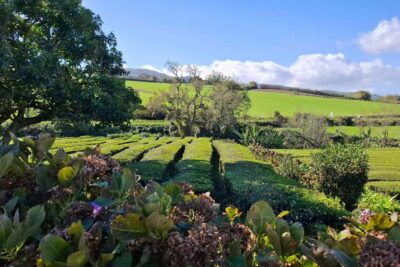
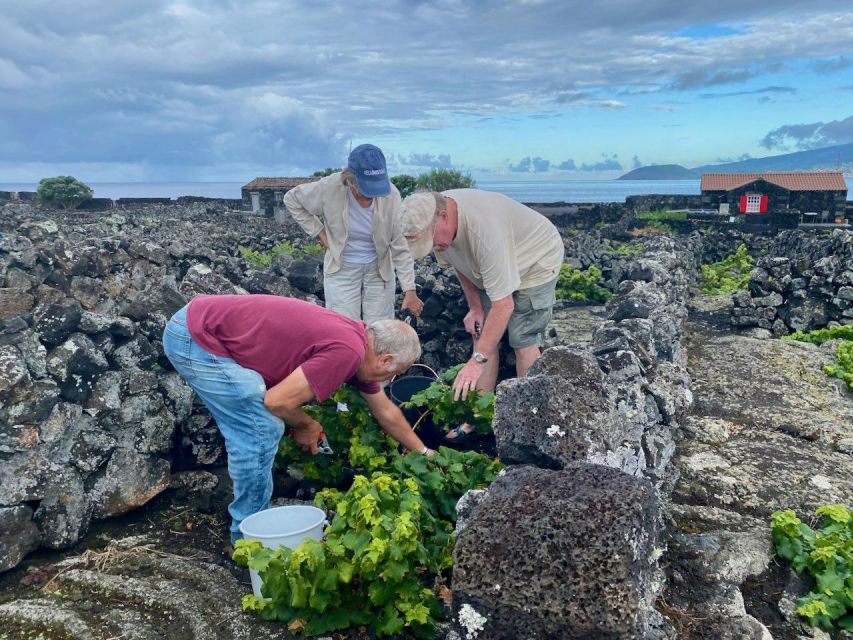
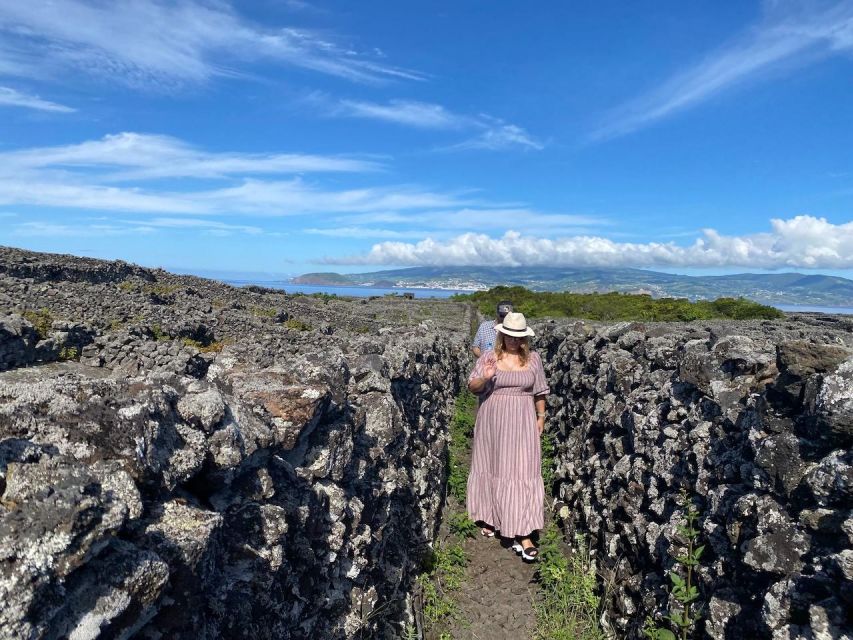
This is the heart of the tour. You begin with a drive to Criacao Velha, then you set off on a guided walk for about an hour through the vineyards right at the base of Pico Mountain.
You’re in the UNESCO area, and the walking route is designed to let you see how vines grow in volcanic conditions. The wine here comes from vines that grow from lava soil, and the farming is described as all manual—no shortcuts.
Practical note: the first stretch includes parts that sit on top of volcanic lava rocks with uneven ground and an uneven, rocky surface. Most of it is on flatter soil, but you should plan for at least some rough footing. Bring comfortable shoes you trust on uneven ground. If your feet get cranky easily, this is the stop to take seriously.
Why this walk is worth it: it turns “I like wine” into “I understand why the wine tastes the way it does.” You also get island context that’s hard to capture from photos—how close the vineyards sit to the sea and how the area’s tough conditions shaped farming practices.
Lunch-Style Stops: Food Tastings That Actually Pair With The Wine
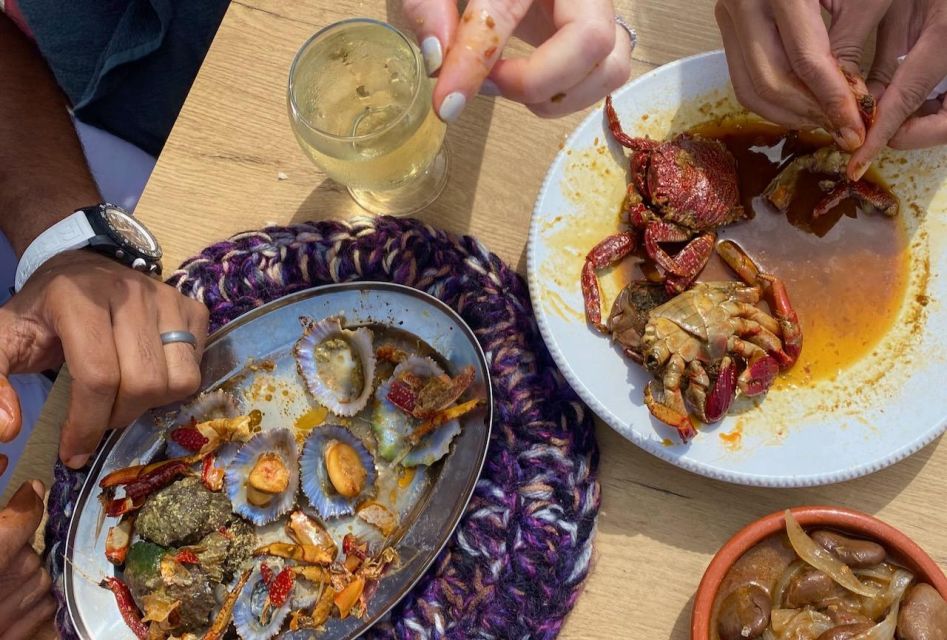
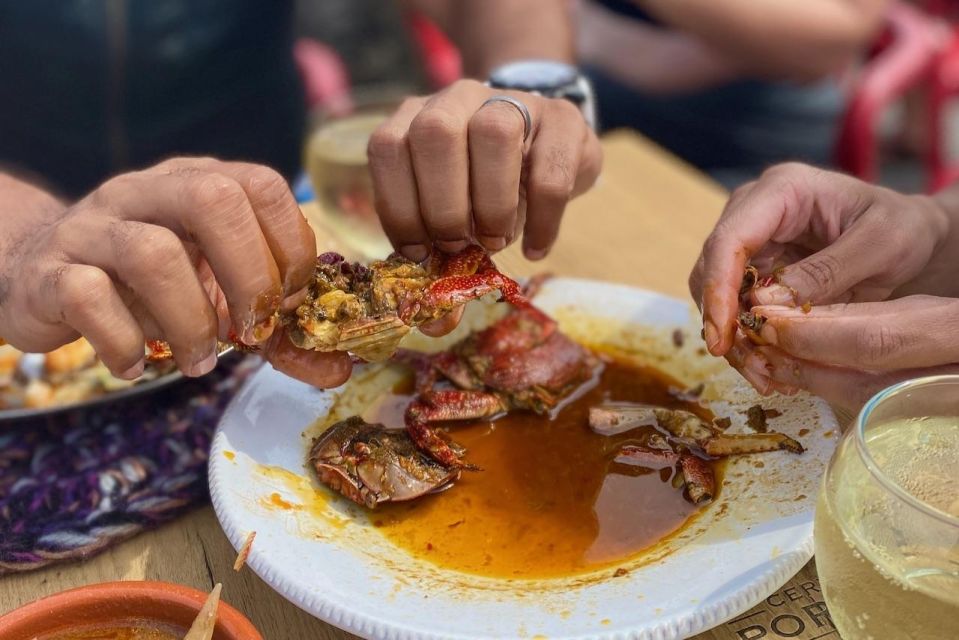
After the walk, you stop at a local bar for a relaxed tasting break. This part is 45 minutes and is built around island flavors with drinks along the way—beer, coffee, tea, and wine are all part of the mix, plus local food tastings and tapas-style bites.
This is where the day gets grounded in everyday Pico life. One of the standout details from recent feedback was how good the tuna was at this stop—described as some of the best eaten on the Azores. That’s the sort of detail you want on a wine day: not just pretty views, but food you’d happily order again.
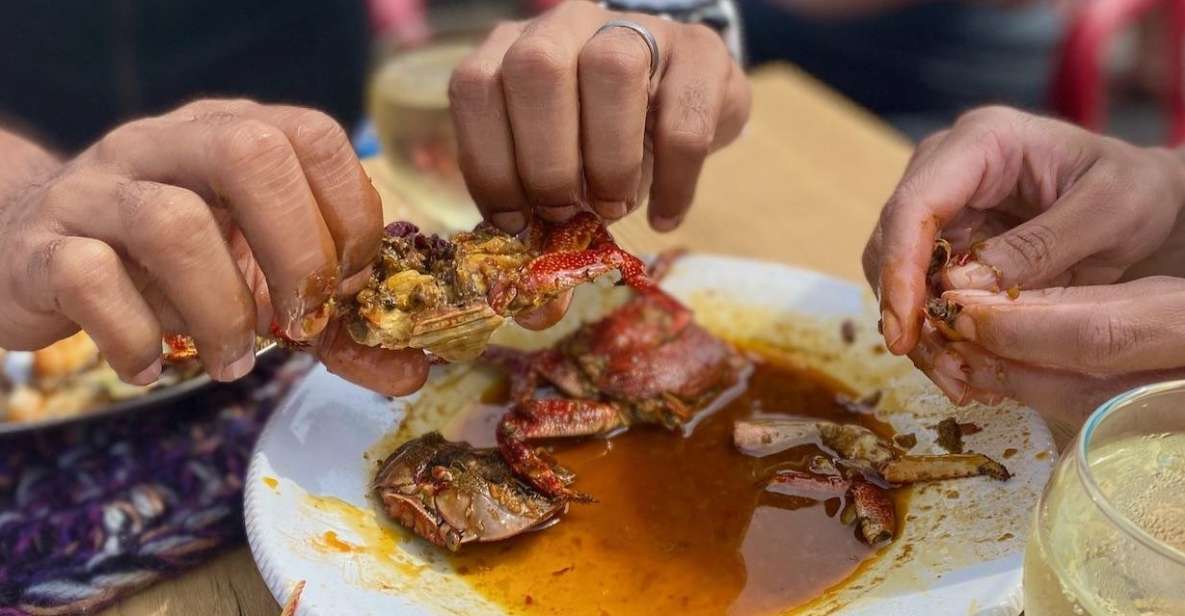
The tour also notes that, depending on weather, you might taste things outdoors like local crabs and other delicacies, or move indoors for a more earthy local meal. That flexibility matters because it keeps the experience comfortable while still keeping the food part “of the island,” not generic.
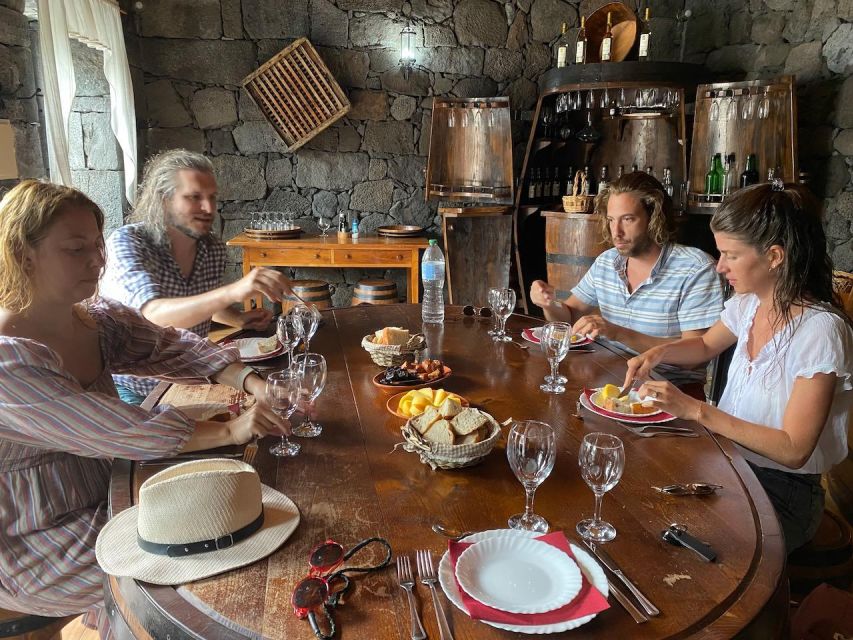
And yes, there’s pairing logic here. You’re given food items meant to work with the wine experience later, not just snacks you eat on the side.
The Independent Winery Tasting: Limited Editions And Real Makers
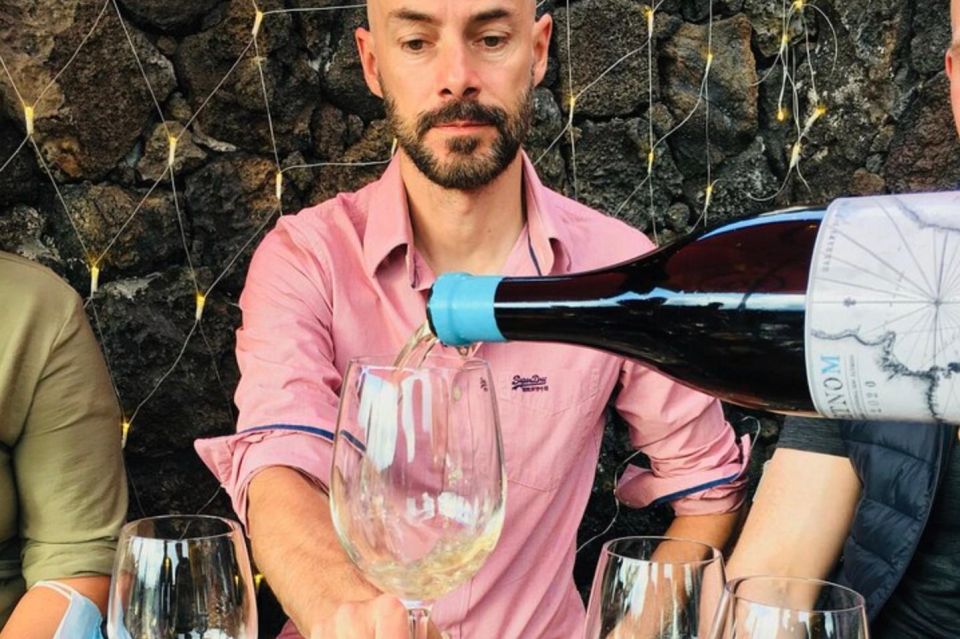
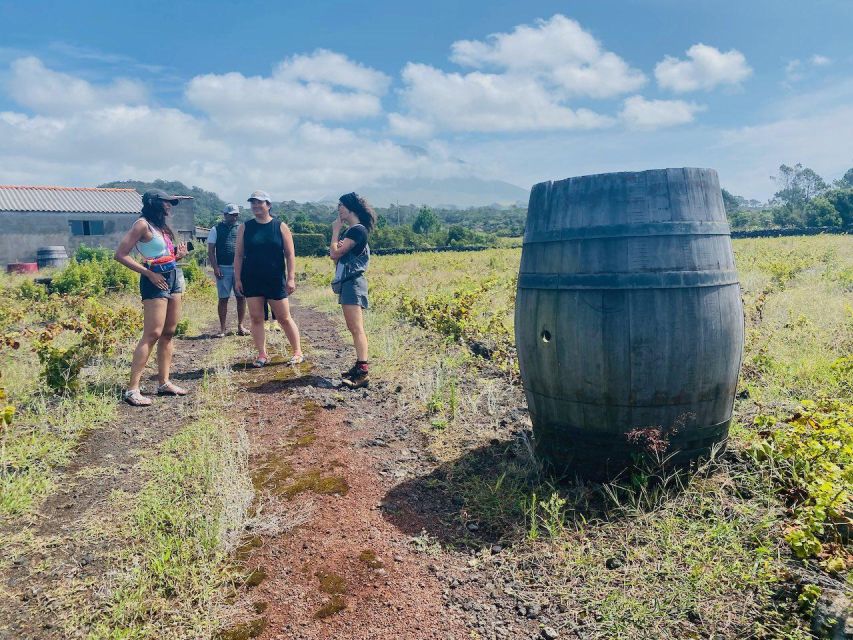
The final tasting focus happens at a winery visit where you spend about 1.5 hours tasting wine from an awarded independent local producer. This is one of the key differentiators of the tour.
The day is intentionally set up not to center on the Pico cooperative in Madalena. That cooperative is important for Pico wine history and helped Pico Wine “reborn” since 1949, but this tour aims to put you closer to places and people you’d be less likely to find alone. The goal is to connect you with independent producers working on a sustainable revolution, and to taste low-intervention and limited editions of Pico Wine.
What you can take from this: you’re tasting the “current voice” of Pico winemaking, not just the most obvious tasting route. And with a small group, you tend to get more back-and-forth with your guide—questions about methods, farming choices, and what stands behind a mineral, salty profile.
Also, the tour includes up to 5 drink tastings total, plus water. So if you’re not a heavy wine drinker, you still have plenty to enjoy while keeping your day comfortable.


Natural Pool Reset: A Weather-Dependent Detour That Changes The Feel
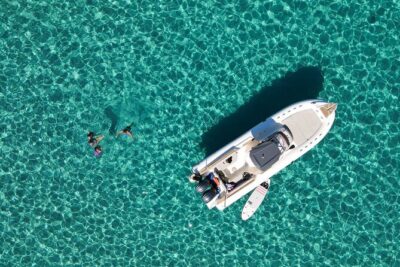
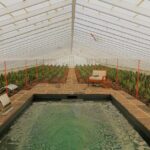
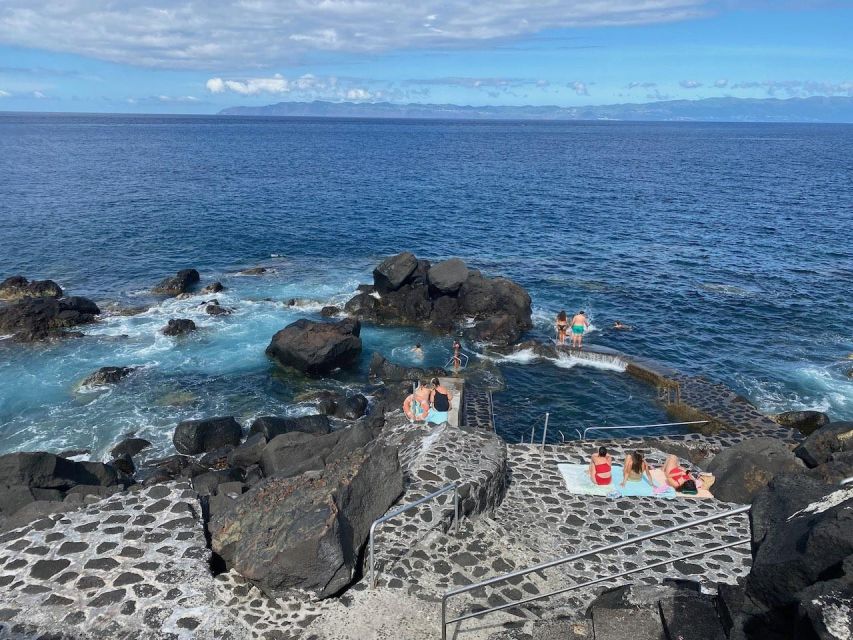
Between tastings, you get a visit to one of the tour’s favorite natural swimming pools, if conditions allow. This isn’t framed as a required swim. It’s a reset: get in the water, or just float and relax while you trade island stories and build an appetite again for what’s next.
This stop works because it breaks the “food then wine then food then wine” rhythm that can make a tasting day feel one-note. On Pico, the pool is also a practical way to cool off after the walk, especially when you’ve been on uneven volcanic ground.
If weather isn’t ideal, the tour still keeps you moving through planned stops rather than forcing a “skip everything” day. That weather-based flexibility is genuinely useful on the Azores.
Price And Value: What $165 Buys On Pico
At $165 per person for a 5-hour experience, the price lands in the “you’re paying for access and time” category.
Here’s what you’re getting that justifies it:
- Private transportation for the day, not a shared bus shuffle.
- Guided walking in Pico’s UNESCO vineyard area.
- Up to 5 drink tastings and up to 5 food tastings, including water.
- A guided experience with a local food expert described as having transcultural sensitivity.
- A pool stop when weather allows.
- A group size capped at 8 participants, which is where the guide time actually becomes useful.
If you tried to DIY this, you’d likely spend money on transport, then still struggle to line up the exact mix of vineyard walk + producer tasting + paired snacks in a way that feels coherent. This is also one of those experiences where the “value” isn’t only the wine. It’s the relationships—wine makers and local food knowledge you’re less likely to stumble into on your own.
If your goal is only to drink wine with zero walking, this might feel like too much. But if you want the full Pico story—wine, food, nature, and culture—it’s priced like an experience, not just a ticket to a tasting room.
The Role Of Your Guide (Silvia Shows Up A Lot For A Reason)
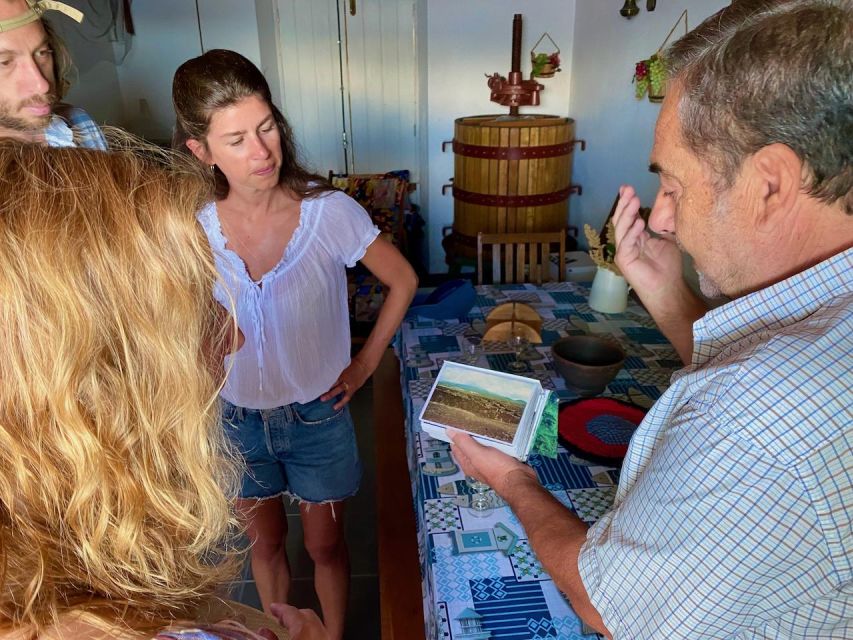
A strong guide turns a tasting into a conversation. In multiple recent accounts, Silvia was highlighted as the driving force behind the day—someone with deep local knowledge, a calm presence, and the ability to connect wine and food to real island history.
You’ll also benefit from the guide’s habit of tailoring the day to the group. One detail that pops up is how safe people felt with the driving, and how the host can cater to different needs. Another repeat point: the guide knows local places and can share historical stories that make Pico wine more than a name on a label.
There’s also a nice after-day touch reported by some groups: Silvia sent a follow-up email with personalised recommendations for the rest of the stay, including other nearby islands. That’s not something you should expect every time, but it’s a strong sign that the guide is invested in your whole trip, not just the scheduled stops.
Who Should Book This Pico Wine Experience (And Who Should Skip It)
This tour fits best if you:
- want Pico Wine with real context, not just a tasting flight
- like small groups and conversation during tastings
- enjoy pairing wine with local food
- want a nature break (the natural pool) built into the day
You should probably skip it if you have mobility limitations or need wheelchair-friendly routes. The walk includes uneven lava rock sections, and the tour specifically notes it’s not suitable for mobility impairments or wheelchair users.
It also helps if you can handle walking in comfortable shoes for about an hour plus shorter transfers around town. This isn’t a marathon, but it isn’t a “sit and sip” tour either.
Tips To Pack For A Smooth Day On Pico
Keep it simple and practical. Here’s what to bring:
- Comfortable shoes for uneven ground
- Sun hat and sunscreen
- Swimwear (since the natural pool is weather-dependent but offered)
- Comfortable clothes and beachwear
- A reusable water bottle
One more tip: sunglasses help more than you think. Pico’s light can be intense, especially when you’re walking around open vineyard areas.
Should You Book This Pico Wine Tour?
If you’re planning time on Pico and you care about authenticity, this is the kind of tour that makes the island click. You get the UNESCO vineyard setting, a guided walk through lava terrain, and tastings with independent producers—plus food pairings that feel integrated rather than random.
Book it if your ideal day includes wine, local food, and at least a little outdoors time between tastings. Skip it only if uneven ground is a dealbreaker for you. Otherwise, this is a smart way to spend a short window on Pico: you’ll leave with more than bottles in hand—you’ll leave understanding why the wine tastes the way it does.
FAQ
How long is the Pico Island wine tasting tour?
It lasts about 5 hours.
What’s the starting meeting point?
You meet near the João Quaresma Maritime Ferry Terminal in Madalena. The meeting spot is by a small statue of Gilberto Mariano da Silva, across the street from CW Azores (blue turquoise).
Is hotel pickup included?
No. Hotel pick up and drop off are not included.
How many drink and food tastings are included?
The tour includes up to 5 drink tastings and up to 5 food tastings.
Do I get to visit a natural swimming pool?
Yes, if the weather allows.
How long is the winery tasting?
The winery wine tasting lasts about 1.5 hours.
What languages is the tour guide available in?
The tour guide is available in English, French, and Spanish.
Is the walking portion easy?
The initial walk is about 700 meters. It includes parts on uneven volcanic lava rocks, though most of it is on flatter soil.
Is this tour wheelchair accessible?
No. It’s not suitable for wheelchair users or people with mobility impairments.
What are the booking and cancellation options?
You can cancel up to 24 hours in advance for a full refund, and you can reserve now and pay later.