REVIEW · PUNTARENAS
Monteverde Wildlife Walk & Hummingbird Encounter
Book on Viator →Operated by George of the Cloud Forest · Bookable on Viator
Fog makes the forest better.
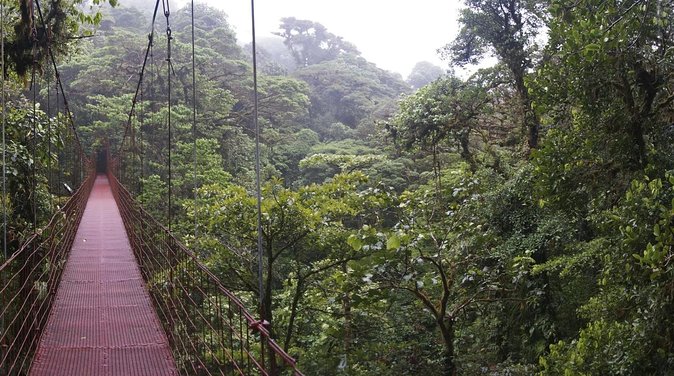
This Monteverde Wildlife Walk pairs a guided walk through misty cloud forest with a telescope for up-close spotting of orchids, moss, ferns, and lichens, then finishes at a hummingbird sanctuary where feeders pull in dozens of species. I like that the tour is set up for what you want on the day: your guide helps choose the best trails based on wildlife activity and group preferences.
Two things I really like: first, the pacing works well for a solid rainforest experience without turning it into a long slog, with about 2.5 hours of guided hiking. Second, you get real conservation context—learning about ecological restoration and the Quaker community’s role in protecting Monteverde. One catch: this is a weather-dependent rainforest outing, so plan for mist and rain and bring proper traction.
In This Review
- Key things to know before you go
- Monteverde cloud-forest walking with a telescope, not just a stroll
- The trail plan: how the route adapts to wildlife and your group
- What you’ll notice in the rainforest: orchids, moss, ferns, lichens
- Wildlife watching that’s practical in real conditions
- The hummingbird sanctuary finish: feeders, speed, and color
- Why the Quaker conservation story fits this walk
- Price and value: what $45 buys you in Monteverde
- Logistics that actually affect your day
- What to bring: rain gear and traction are not optional
- Who this tour suits best (and who should consider a different option)
- So, should you book Monteverde Wildlife Walk & Hummingbird Encounter?
- FAQ
- How long is the Monteverde Wildlife Walk & Hummingbird Encounter?
- How many people are in the group?
- What time does the tour run?
- Where do I meet for the tour?
- Is the telescope included?
- Are snacks included?
- Is the reserve entrance included?
- Is private transportation included?
- What should I wear or bring?
- What happens if the weather is poor?
- What is the cancellation window for a refund?
Key things to know before you go
- Max 10 travelers keeps the walk calmer and easier to manage
- Telescope included helps you spot canopy details you’d miss with the naked eye
- Morning or afternoon starts (Mon–Sat) fit a typical Monteverde day
- Hummingbird Sanctuary stop gives you a close-up look at birds at feeders
- Raincoat and walking boots matter because cloud forest trails stay slick
- Reserve entrance isn’t included, so budget for that separately
Monteverde cloud-forest walking with a telescope, not just a stroll
Monteverde’s cloud forest isn’t the kind of place where you casually “look around” and hope you get lucky. The whole point here is to help you see what’s usually hidden: orchids in the canopy, mosses and ferns layered underfoot and overhead, and lichens that indicate how the ecosystem is doing.
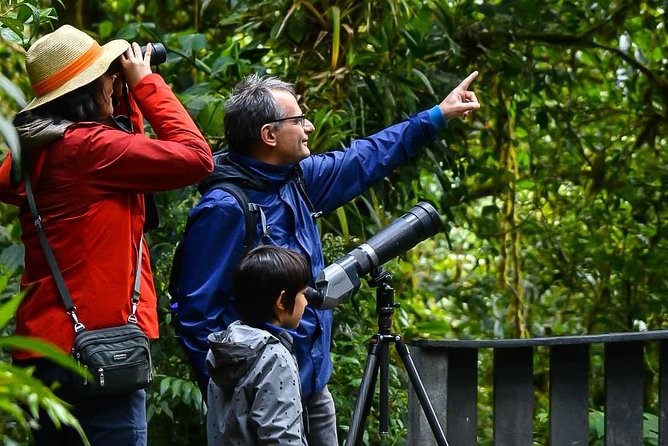
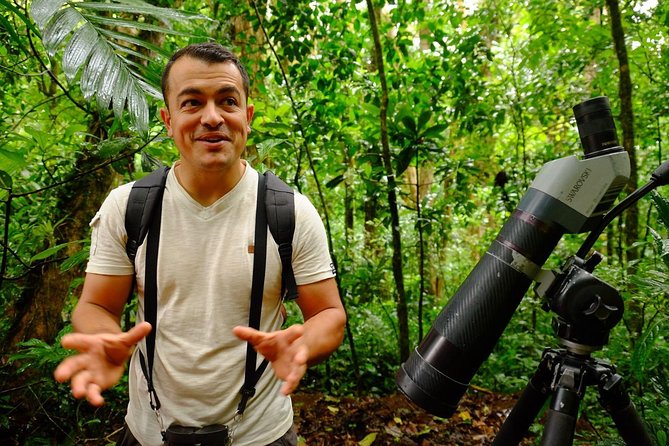
I like that the tour gives you a telescope as part of the experience. It changes how you move. Instead of rushing ahead for the next photo spot, you slow down when your guide calls out a plant, a bird, or a patch of canopy life. It also makes the walk feel more like wildlife watching with coaching than a general nature hike.
You can also read our reviews of more tours and experiences in Puntarenas.

The trail plan: how the route adapts to wildlife and your group
You’re not sent out on a fixed “everybody walks the same loop” schedule. Before you head in, you gather with the guide to choose the best trails for the day—based on recent wildlife activity and group preferences.
Why that matters: cloud forest conditions change fast. Fog thickens, wildlife changes where it feeds, and birds don’t show up on a timetable. A flexible trail choice is how you get a better chance at meaningful sightings rather than just walking through trees for two hours.
The tour stays focused on guided learning, too. Expect explanations tied to the forest ecosystem: why it matters, how species interact, and what ecological restoration looks like in a place that’s both fragile and worth protecting.
What you’ll notice in the rainforest: orchids, moss, ferns, lichens
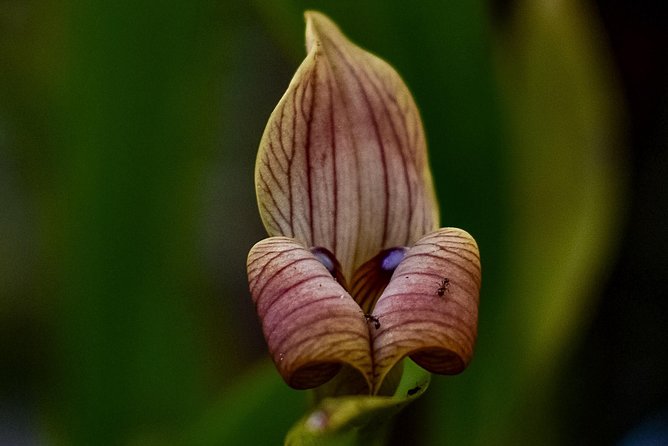
This is one of those tours where the description is accurate: you spend your time looking at plant life as much as animals. The cloud forest in Monteverde is famous for how many layers it has. You’ll get attention drawn to orchids, mosses, and other epiphytes and understory plants—some of them small enough that you’d miss them without someone pointing them out.
The guide also helps you connect plants to the bigger story of the forest. That includes the role of native species, how the environment supports wildlife, and why minimal-impact observation is part of doing this right.
Bring patience. The best sightings often come when you slow down, stop moving for a minute, and let the forest “arrange” itself around your senses—especially when fog turns the light into a soft gray glow.
Wildlife watching that’s practical in real conditions
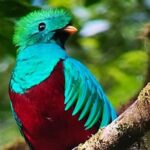
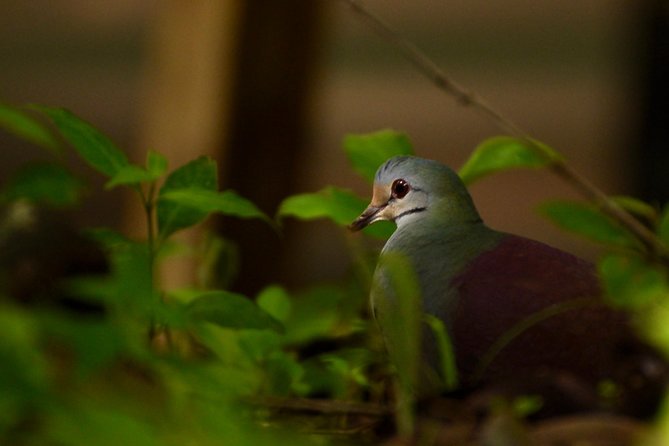
You can absolutely get lucky in Monteverde. People often hope for a quetzal, and in the experience world around this walk, that goal shows up again and again. You may also spot other birds and small mammals during the hike. One consistent theme in the feedback is how the guide helps people slow down enough to catch movement and then identify what they’re seeing.
A few wildlife-related details that show up in the way the walk is taught:
- You’ll learn about bird and mammal behavior, not just names. That helps you understand why they appear when they do.
- You’re watching both canopy and understory, with the telescope doing a lot of the heavy lifting.
- The vibe is focused on careful viewing—observation with minimal impact, plus restoration-oriented thinking.
Also, the tour is designed for a small group (up to 10), which means you can actually hear instructions and keep eyes on the guide when something shifts in the trees.
The hummingbird sanctuary finish: feeders, speed, and color
After the forest walk, you head to the Hummingbird Sanctuary. This is the part that feels like a switch flips—from scanning for signs of motion to having birds show up on a schedule you didn’t personally control.
Dozens of species buzz around feeders, and that means you get a rare chance to watch hummingbirds in a more controlled setting—speed, color, and flight patterns right up close. If you care about photos, this is where you’ll want to be ready: hummingbirds don’t wait for perfect timing, but you can get strong images by staying steady and letting the action come to you.
Even if you’re not a bird photographer, it’s still a fun stop because it teaches you how chaotic-looking flight can still have patterns once you watch long enough.



Why the Quaker conservation story fits this walk
Monteverde has multiple layers of human history tied to land use and conservation. During the experience, you’ll hear about the region’s Quaker community and how it helped shape conservation efforts.
I like this part because it turns the walk from just “nature viewing” into an explanation of why the ecosystem is still standing. It also gives you a better sense of why restoration and careful observation matter—this isn’t a random jungle you happen to hike through. It’s a place where people made choices that still affect the forest today.
Price and value: what $45 buys you in Monteverde
At $45 per person for about 2 hours 30 minutes, the cost is reasonable for a guided, small-group experience that includes more than just walking. You’re paying for:
- A certified local guide
- A telescope
- Snacks (including a small traditional Costa Rican snak made by our mom)
- Insurance coverage listed for travel or accident
- A conservation-and-education style route, not just a hike
Two costs to keep in mind:
- Reserve entrance is not included.
- Private transportation is not included.
So the real question is whether you want a guided wildlife-and-plant experience with the telescope, rather than wandering on your own. If you’re the kind of traveler who enjoys learning what you’re seeing (and not just posting photos), this is the kind of value that adds up fast. If you only want a casual walk and don’t care about wildlife ID, you might feel like you could DIY more cheaply.
Logistics that actually affect your day
The meeting point is the entrance to Monteverde Reserve (near public transportation). The tour ends back at the meeting point, so you’re not stuck tracking your way across town at the end of a muddy walk.
The experience lists hassle-free hotel transfer, which is a big deal in Monteverde, where timing and pickup details can become annoying fast. If you’re coming in from your hotel, confirm your pickup info right after booking so you’re not guessing.
The schedule is also helpful: this runs Monday through Saturday with start windows at 7:30 AM–10:00 AM and 1:00 PM–4:00 PM. Your exact start time depends on the day and your selected option, but the key is that you can plan around the rest of your Monteverde itinerary.
And yes: this is maximum 10 travelers, which keeps things easier for listening, spotting, and photos.
What to bring: rain gear and traction are not optional
If Monteverde is on your list, pack for rain. The walk is in a cloud forest, and you should plan on mist at minimum. The experience explicitly calls out:
- Raincoat
- Walking boots
I’d add one practical mindset: treat the forest as damp and slippery until proven otherwise. Plan to move slowly on uneven ground. Your best wildlife moments come when you’re stable enough to stop and look up.
For photos, bring a camera/phone strap you trust. If you’re using a telescope view, you’ll likely be adjusting positions and waiting for movement in the trees.
Who this tour suits best (and who should consider a different option)
This is a great match if you:
- Want guided identification of plants and animals, not just a route
- Enjoy small-group experiences and clearer instruction
- Like the idea of a telescope-assisted forest walk
- Want a strong bird-focused finish at the hummingbird feeders
It’s also good for families, based on how people describe the experience with kids, as long as everyone is comfortable with moderate walking.
You might want to choose something else if you:
- Have trouble with moderate physical activity on uneven, wet trails
- Hate waiting quietly for wildlife moments (the forest doesn’t work on your schedule)
So, should you book Monteverde Wildlife Walk & Hummingbird Encounter?
I think you should book it if you want a Monteverde day that feels intentional—cloud forest time with real guidance, then a hummingbird sanctuary finish that delivers close-up bird watching. The telescope, small group size, and the way the guide adapts trails to wildlife and your group make it more than “just a nature walk.”
Before you commit, do two quick checks:
- Confirm you’re okay paying extra for reserve entrance since it isn’t included.
- Pack for rain and traction, then go in expecting mist. In Monteverde, that’s not a problem. It’s part of the show.
If that sounds like your style, this is one of the better ways to spend a chunk of your time in the Puntarenas cloud forest.
FAQ
How long is the Monteverde Wildlife Walk & Hummingbird Encounter?
It lasts about 2 hours 30 minutes (approx.).
How many people are in the group?
The tour has a maximum of 10 travelers.
What time does the tour run?
It runs Monday through Saturday with opening hours listed as 7:30 AM–10:00 AM and 1:00 PM–4:00 PM.
Where do I meet for the tour?
You start at the entrance to Monteverde Reserve, 8633+2PM, Carr. a Reserva de Monteverde, Provincia de Puntarenas, Monteverde, Costa Rica, and the tour ends back at the meeting point.
Is the telescope included?
Yes. The telescope is included.
Are snacks included?
Yes. Snacks are included, including a small traditional Costa Rican snak made by our mom.
Is the reserve entrance included?
No. Entrance to the reserve is not included.
Is private transportation included?
No. Private transportation is not included, but the tour does include hassle-free hotel transfer.
What should I wear or bring?
Bring a raincoat and walking boots, since the walk is in cloud forest conditions.
What happens if the weather is poor?
This experience requires good weather. If it’s canceled due to poor weather, you’ll be offered a different date or a full refund.
What is the cancellation window for a refund?
You can cancel up to 24 hours in advance for a full refund; cancellations within 24 hours are not refunded.