REVIEW · PUNTARENAS
Monteverde Cloud Forest Guided Night Walk
Book on Viator →Operated by Faro Travel Costa Rica · Bookable on Viator
Night sounds better than day. Monteverde Cloud Forest at night turns into a wildlife-spotting mission, with mammals, birds, insects, reptiles, and amphibians all active after dark. I like the way guides such as Justin (and other local pros) use lights and sharp eyes to help you find animals you’d miss. I also like that you’re walking in the real cloud forest zone, not just taking a quick photo stop.
One catch: nature is unpredictable, and the pace can feel a bit rushed if a possible animal sighting gets called in. No guarantees means you should go with a flexible mindset and a camera plan.
In This Review
- Key Highlights You’ll Care About
- Why the Monteverde Night Walk Feels Different Than Daytime
- The 2–3 Hour Reality: Pace, Steep Bits, and Why It Can Vary
- What You Actually See at Night (Mammals, Birds, Frogs, and the Weird Stuff)
- Monteverde Cloud Forest at Night: The Guide’s Role and What to Watch For
- Your Night Walk Setup: Pickup, Equipment, and Where the Trail Will Happen
- Price and Value: Does $65 Make Sense for Monteverde at Night?
- What to Pack for a Cold, Dark, Possibly Wet Monteverde Night
- Who Should Book This Night Walk (and Who Might Be Happier Elsewhere)
- Should You Book the Monteverde Cloud Forest Guided Night Walk?
- FAQ
- How long is the Monteverde Cloud Forest guided night walk?
- What animals can I realistically expect to see at night?
- Is hotel pickup included?
- What’s the group size limit?
- What’s included in the $65 price?
- Do I get confirmation after booking?
- Is the tour affected by weather?
- Can I change or cancel my booking?
- Is the tour always in the same reserve or park?
- Is the tour suitable for most people?
Key Highlights You’ll Care About
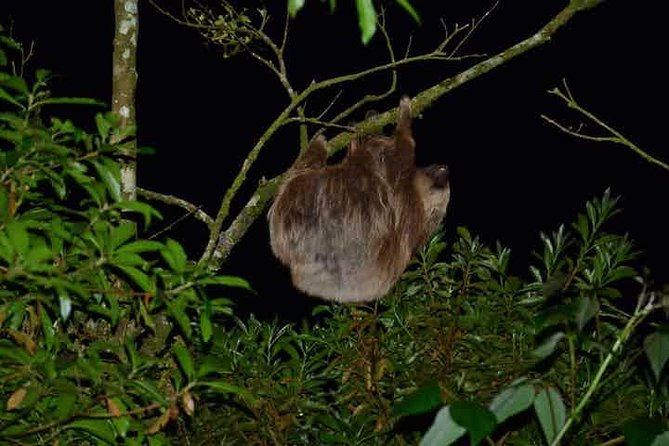
- 80% nocturnal wildlife timing gives you a better shot at seeing animals that stay hidden in daylight
- Small group size (max 15) makes it easier to hear the guide and keep your footing on the trail
- Lights and spotting tools help you see moving silhouettes, sleeping birds, frogs, and more
- Real night behavior, not a checklist: sloths, coatis, armadillos, tarantulas, scorpions, and frogs show up when they feel like it
- Bring a flashlight if you can for extra control in dim spots during the walk
- Expect cool and wet conditions; a rain poncho can be a smart move even if the canopy helps
Why the Monteverde Night Walk Feels Different Than Daytime
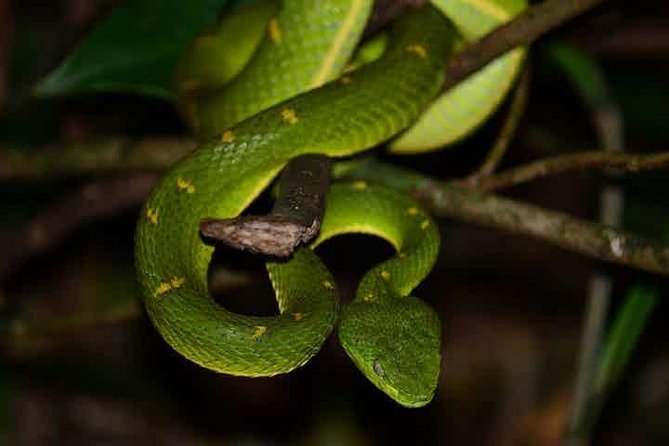
Monteverde Cloud Forest at night isn’t just darker. It’s a whole different schedule. The forest runs on night cues, and a big chunk of what you’re hoping to see is active after dark—wildlife that feeds, moves, and sometimes calls out when the sky goes quiet.
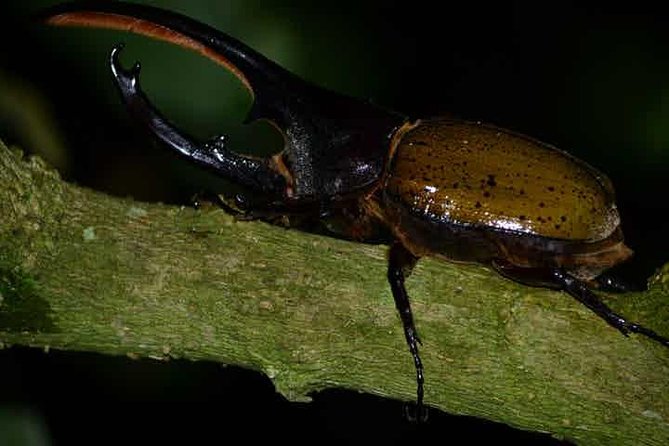
This is why a guided night walk works so well here. In daylight, many animals blend in, stay still, or hide high in branches. After sunset, you’re more likely to catch the “moving parts” of the ecosystem: insects flashing and creeping, frogs calling from leaf litter, and mammals that come out to forage. One of the most repeated thrills is seeing creatures that look like impossible science-project specimens—tarantulas in surprising places, scorpions, and other night arthropods. You can also end up with more classic Costa Rica sightings too, like coati, armadillo, or even bigger surprises when the forest cooperates.
If you’re traveling for biodiversity (not just scenery), this format fits. You get a mix of animal categories—mammals, birds, reptiles, amphibians, and insects—because the forest is layered and busy at night. And unlike some tours that feel like a sprint, the best guides slow you down long enough to notice the small stuff: leaf litter motion, eye-shine when the light hits, and tiny movements that would be invisible without help.
You can also read our reviews of more tours and experiences in Puntarenas.

The 2–3 Hour Reality: Pace, Steep Bits, and Why It Can Vary
Most walks run about 2 to 3 hours, but the actual “walking in the dark” time can vary. That’s not a trick. The trail itself isn’t usually long, yet it can include a few steep sections. One common theme from feedback is that the hiking portion may feel shorter than expected if there’s a lot of pickup time or if the group ends up pausing frequently while the guide searches for wildlife.
Here’s how I’d frame the experience for your expectations:
- You’re spending time together on a guided route, not doing a long trek.
- You may pause often—sometimes for animals right in view, sometimes because the guide is scanning the forest edges and branches.
- Weather matters. Monteverde nights can be cool, and rain can slow things down or change how comfortable the group feels.
The sweet spot is to treat this as a guided wildlife night out, not a timed endurance hike. If you keep that mindset, the experience feels rewarding even when the forest doesn’t deliver every headline animal.
Also: timing can matter. One review described choosing the later tour (around 8pm) specifically to catch the sunset first. That’s a smart approach if you want the forest to change from day energy into night energy, even if you don’t get a long transition period.
What You Actually See at Night (Mammals, Birds, Frogs, and the Weird Stuff)
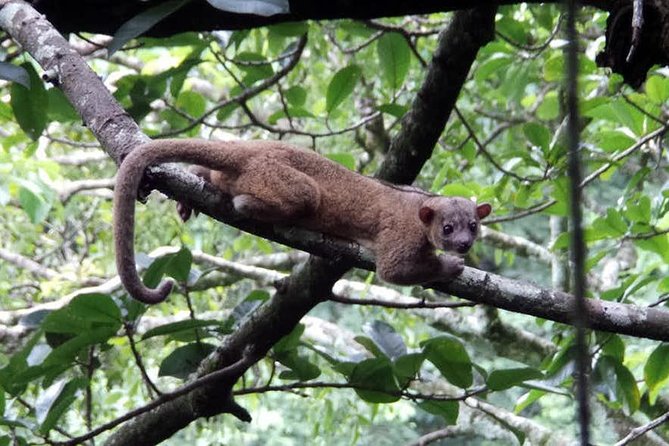
When this tour goes well, it feels like a controlled encounter with Costa Rica’s nightlife. The guide’s job is to spot movement you’d never notice on your own, then translate what you’re seeing into something that makes sense.
From the sightings described, you might spot:
- Tarantulas and scorpions: often the most talked-about because they’re dramatic when you find them
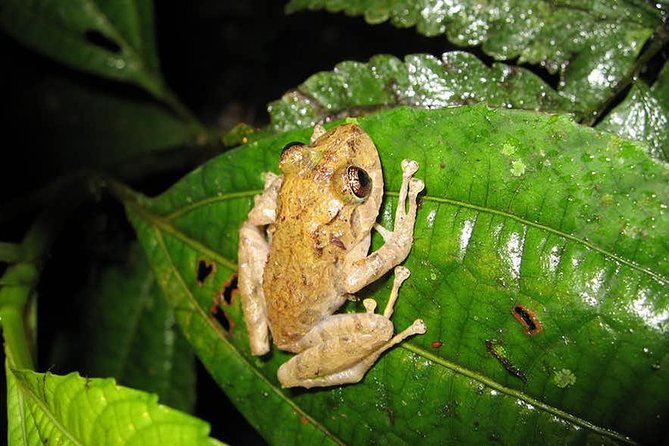
- Frogs: people especially enjoy how they look at night, sometimes with bright eyes or subtle color patterns
- Sleeping or resting birds: you might see them in odd positions because the forest is calm around them
- Mammals and “ground movers” like raccoons, armadillos, coatis, and sometimes bigger surprises
- Sloths, porcupines, and other surprises: these are harder to predict, but they show up often enough to keep your attention high
A lot of the magic is that it’s not one target animal. Even when one standout moment happens, the guide keeps the search moving through different micro-habitats. That’s how you go from something crawling to something perching, then back down to the forest floor.
One detail I really like: some guides are willing to slow down and help with photos. There are mentions of using a telescope/scope setup to view animals, and also helping with how to aim your camera in low light. That matters because night photos can be frustrating fast. If you’re relying on your phone, having guidance on focusing and timing can turn disappointment into usable shots.
Monteverde Cloud Forest at Night: The Guide’s Role and What to Watch For
The guide isn’t just a walking encyclopedia. They’re your “eyes in the dark.” Local guides like Justin, Denis, Christian, and Kendall (names that came up repeatedly) are known for scanning carefully, using lights thoughtfully, and sharing what each animal likely is doing in that moment.
Here’s what good guiding often looks like on this kind of walk:
- Spot first, explain second: you see it, then you learn what you’re looking at
- Photo support without turning it into a frenzy: you get time to frame shots, not just a quick flash-and-go
- Respect for the forest rhythm: animals show up when disturbed less
That last point matters because not every experience is described the same way. One negative note said the tour felt more rushed and focused on getting images, even repeating sections of trail while searching. Another concern raised was about an animal being provoked with a stick to draw it out. I can’t verify how that plays out on every night, but it’s a useful filter for your expectations.
Before you go, I’d mentally set your preference:
- If you want a wildlife-focused walk with patience and minimal disturbance, you’ll likely feel happiest.
- If you mainly want a fast photo chase, you could find the pacing frustrating when nature refuses to cooperate.
The guide’s best work is helping you notice the forest’s behavior, not just collecting “animal hits.”
Your Night Walk Setup: Pickup, Equipment, and Where the Trail Will Happen
Logistics sound boring until they ruin your night. Here, the tour includes hotel pickup and dropoff from Monteverde or Santa Elena only, plus equipment and entry/admission. That’s a big value piece because you’re not arranging transportation or standing around figuring out where to meet in the dark.
Group size is capped at 15 people, which is another practical win. Smaller groups generally mean fewer bottlenecks when someone spots an animal. You also hear the guide better in dense forest.
One important consideration: the operator doesn’t promise a specific property or park. They can change the service provider and alter routes or stop locations if needed. That matters because Monteverde night walks can happen in different areas with different “forest feel.” If you strongly care about a specific reserve, you should ask directly what area you’ll be walking in before you commit.



Price and Value: Does $65 Make Sense for Monteverde at Night?
$65 per person isn’t cheap, especially if you’re expecting a long trail and guaranteed wildlife. But this tour isn’t just paying for walking. You’re paying for:
- a professional guide who knows where to look and what to call out
- equipment and entry/admission
- pickup/dropoff in the Monteverde/Santa Elena area
- a small-group nighttime search where you’re not stumbling around blind
That value makes the most sense if you truly want wildlife spotting. People who go in expecting a guaranteed parade of rare species can feel let down. Several accounts describe getting multiple exciting sightings—tarantulas, frogs, sleeping birds, and more—which is when the price starts feeling justified.
At the same time, there are complaints that the experience can feel pricey for what ends up being more of a short loop with limited time actually spent hiking. If you’re the type who needs a long, physical adventure, this might feel short. If you want the guide’s help finding animals and learning what you’re seeing, you’re more likely to feel satisfied.
My take: $65 is a fair price for a guided, focused night wildlife walk with pickup and gear—if you go with the right expectations about unpredictability.
What to Pack for a Cold, Dark, Possibly Wet Monteverde Night
You’re in a cloud forest, and nights can turn chilly. Some advice that shows up in feedback:
- Bring your own flashlight if you can. Even with provided lights, extra control helps you see safely without shining constantly.
- Plan for rain. One suggestion was a rain poncho. The canopy can help, but you’ll still want to stay comfortable.
- Wear shoes that grip. You’ll be on trail in the dark, and a few steep spots can catch you off guard.
If you’re serious about photos, treat your camera like a night instrument, not a daytime gadget. The low-light setup is part of the challenge. If your guide offers sighting help through a scope/telescope, follow their lead and don’t fight the darkness on your own.
Who Should Book This Night Walk (and Who Might Be Happier Elsewhere)
This tour is a strong fit for:
- couples and families who want a safe, guided introduction to Monteverde at night
- solo travelers who like nature and don’t want to hunt for wildlife on their own
- people who get excited by frogs, insects, and the smaller nighttime creatures, not only big mammals
It might feel less ideal if:
- you need a long hike experience
- you get stressed by unpredictability (because you won’t control what the animals do)
- you expect a specific reserve every time (since the operator can change where the walk happens)
If ethical concerns about wildlife disturbance matter a lot to you, it’s smart to ask what they do if an animal is hard to spot, and whether the guide uses non-invasive methods. In a forest like this, the best results often come from patience, not provocation.
Should You Book the Monteverde Cloud Forest Guided Night Walk?
Book it if your top goal is guided wildlife spotting at night, and you’re okay with nature keeping some secrets. The best parts here are practical: pickup included in Monteverde/Santa Elena, small group size, guides who help you see animals you’d miss, and the chance to spot everything from frogs to tarantulas to sleeping birds.
Skip it or choose carefully if you’re price-sensitive, need a long hike, or want strict certainty about the exact reserve area. Because the forest is unpredictable and the operator can shift locations, you’ll enjoy this most when you go flexible and curious.
If you do book, set your expectations like this: you’re buying access to nighttime expertise and forest eyes, not a guaranteed set list of rare animals.
FAQ
How long is the Monteverde Cloud Forest guided night walk?
It’s usually about 2 to 3 hours.
What animals can I realistically expect to see at night?
You may see mammals, birds, insects, reptiles, and amphibians. Commonly mentioned examples include sloths, raccoons, armadillos, frogs, tarantulas, and scorpions, but sightings are never guaranteed.
Is hotel pickup included?
Yes. Hotel pickup and dropoff are included from Monteverde and Santa Elena only.
What’s the group size limit?
The tour has a maximum of 15 travelers.
What’s included in the $65 price?
The price includes hotel pickup/dropoff (from Monteverde/Santa Elena), all fees and taxes, equipment, a professional guide, and entry/admission.
Do I get confirmation after booking?
You receive confirmation at the time of booking.
Is the tour affected by weather?
Yes. The experience requires good weather. If it’s canceled due to poor weather, you’ll be offered a different date or a full refund.
Can I change or cancel my booking?
This experience is non-refundable and cannot be changed for any reason.
Is the tour always in the same reserve or park?
The operator does not promise a specific property or park. They may change routes and substitute providers or operators when needed.
Is the tour suitable for most people?
Most travelers can participate, but the trail can include some steep sections, so wear sturdy shoes.