REVIEW · PUNTARENAS
Resplendent Quetzal-Tucans- Tropical Birdwatching Tour Monteverde
Book on Viator →Operated by Ficus Trails Night Tour Monteverde · Bookable on Viator
Dawn turns Monteverde into a bird magnet. This 3-hour Ficus Trails tour is built for maximum sightings, with an early start (around 6:00am), guided walking in the cloud forest, and stops where your guide can point out what you’d miss on your own. I love the small group size (max 8) and the way the guides actively help you see birds, not just hope for them. One drawback to plan for: birds move fast, and even on a misty morning your best sightings may be brief flashes rather than long, easy views.
I also like how the guides tune the experience to your level, from casual watchers to serious birders, and how they use skills like spotting scopes and bird calls to locate activity. You’ll likely come away with a much better sense of where to look in Monteverde’s forest, not just a list of names. The main consideration is practical: binoculars aren’t included, so you’ll want to bring your own if you have them, or be ready to rely on the guide’s equipment and timing.
In This Review
- Key things I’d write on a sticky note before you go
- Why 6am in Monteverde matters more than luck
- Ficus Trails: how the walk turns the cloud forest into a bird map
- Your best shot at the Resplendent Quetzal (and what you can do about it)
- Spotting scopes, binocular gaps, and how guides help you actually see
- What happens on the walk: a clear rhythm you can follow
- Wildlife sightings: when the forest adds extras
- Rain, mist, and “brief moments”: how to set expectations
- Price and value: what $100 buys in the cloud forest
- Who this tour fits best (and who should choose differently)
- Booking tips that help you get better sightings fast
- Should you book the Resplendent Quetzal–Tucans–Tropical Birdwatching tour?
- FAQ
- What time does the tour start?
- How long is the tour?
- How many people are in the group?
- Do I need to bring binoculars?
- Does the tour include hotel pickup and drop-off?
- Is the Resplendent Quetzal guaranteed?
- What’s the cancellation window?
Key things I’d write on a sticky note before you go
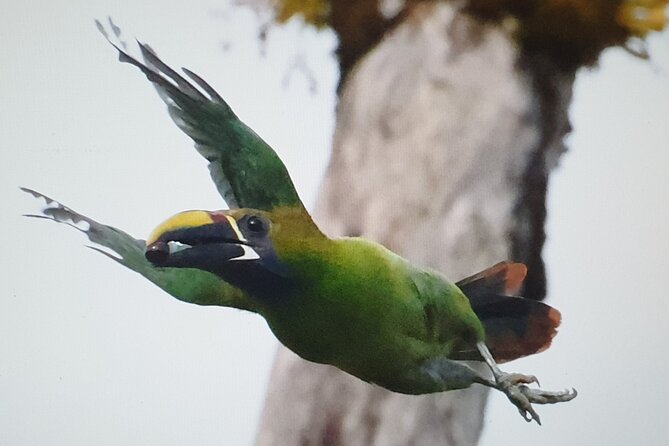
- 6:00am start: early light and bird activity make the biggest difference
- Small group (max 8): less crowding means better viewing moments
- Ficus Trails focus: fig trees and the micro-habitat they attract help narrow the search
- Resplendent Quetzal in season: not guaranteed, but you’re in the right place to try
- Guide-led birding skills: scope use and call mimicry help you locate birds
- Wildlife beyond birds: coatis, capuchin monkeys, and deer can join the morning
Why 6am in Monteverde matters more than luck
Monteverde birding is not a sit-and-wait sport. Start early, and the forest is more vocal and birds are more willing to show themselves while moving between feeding and roosting spots. That’s why this tour starts at 6:00am, with a walk that leans into the “morning window” rather than the later, quieter hours.
You’ll also get the benefit of cooler air and less harsh light. If you’ve ever tried spotting birds later in the day, you know how quickly the details fade. Dawn keeps the odds on your side.
You can also read our reviews of more tours and experiences in Puntarenas.

Ficus Trails: how the walk turns the cloud forest into a bird map
The experience is anchored around Ficus Trails as the opening stop. That matters because a fig-heavy forest edge and trail area can concentrate feeding activity. In cloud forest, small habitat differences can change what shows up, and your guide uses those differences like clues.
Here’s what this means for you on the ground: you won’t just wander. You’ll move along selected senderos (trails) while the guide scans, pauses, and repositions when birds react to calls or simply cross into view. One theme that keeps showing up in how these mornings go is that your guide keeps eyes up and head swiveling, quickly trading “look at this” moments for “wait, it’s right there” moments.
A fair consideration: one negative experience noted time spent walking along a paved road early on, and another mentioned areas that didn’t feel as clearly trail-bound. Since conditions and bird movement can change the plan, it’s smart to wear shoes that handle muddy edges and be ready for a mix of trail types. If you’re nervous about stepping off marked paths, you can ask your guide to keep you strictly on the safest, defined route during the walk.
Your best shot at the Resplendent Quetzal (and what you can do about it)
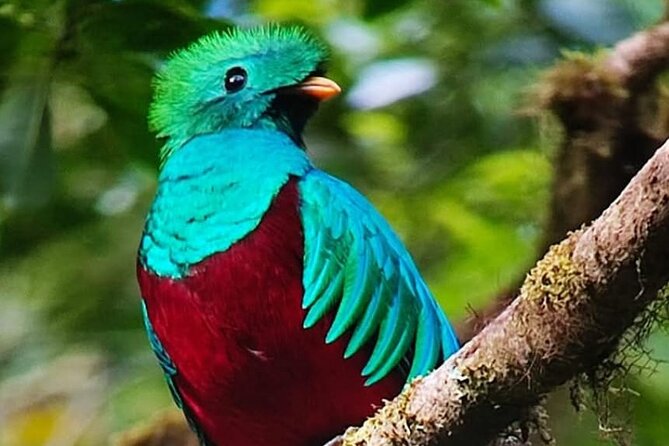
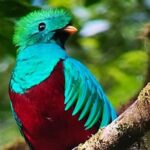
The tour is designed around a big target: the Resplendent Quetzal. Even with great guiding, this is still a cloud-forest bird, not a zoo animal. Quetzals can be seasonal and unpredictable, so think of this as a chance you work for, not a promise.
In the best mornings, your guide can steer you toward the right micro-spot where quetzal activity happens. You may also hear activity first—then see it. Several guides on these tours are praised for bird-call skills, including call mimicry, which is a classic way to locate a bird that’s nearby but staying just out of view.
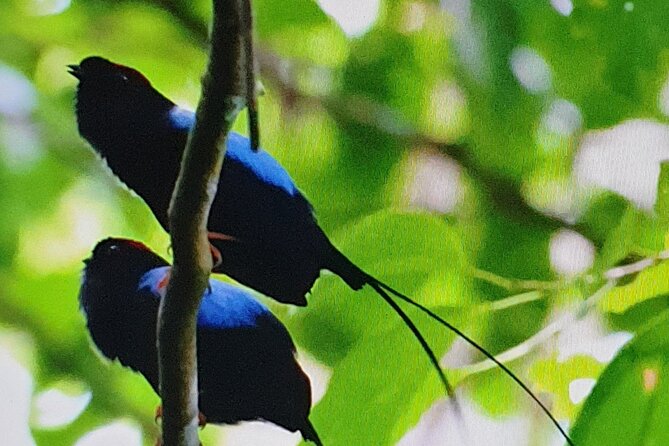
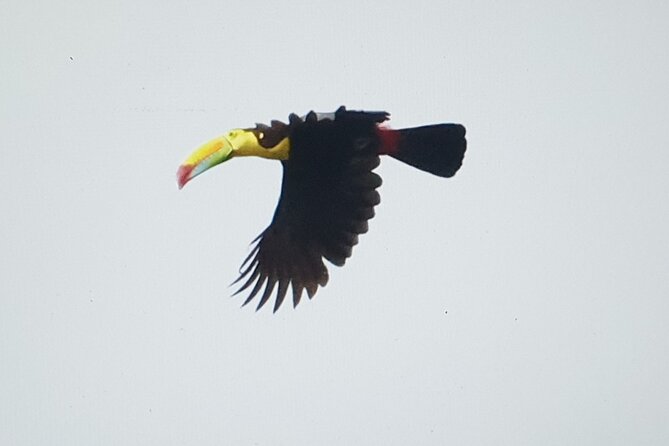
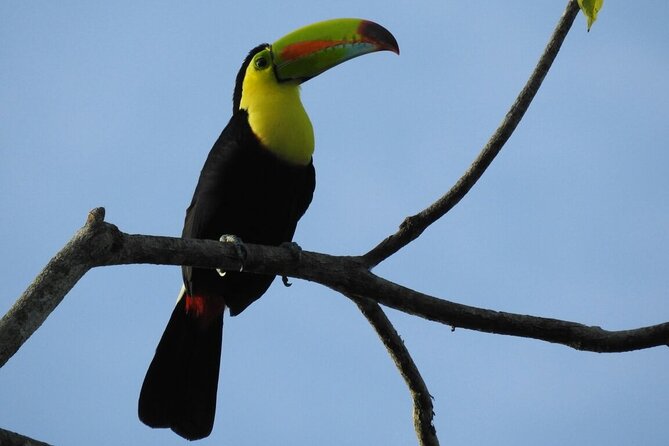
Even if Quetzal is elusive, you’re not settling for “nothing.” The tour is pitched for high variety, including toucans, hummingbirds, and other cloud-forest species. One traveler highlighted a Keel-billed Toucan and a Long-tailed Manakin during a similar morning route, which is a reminder that Monteverde’s diversity can surprise you even when the headline bird doesn’t cooperate.
Spotting scopes, binocular gaps, and how guides help you actually see
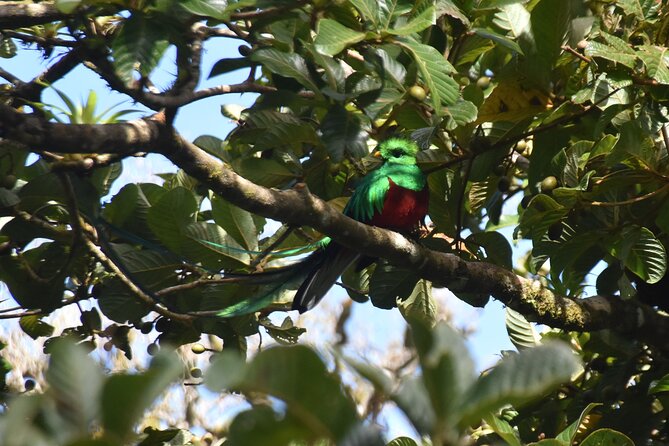
Here’s the practical truth: birds are small, and cloud forest is often foggy. That’s where good optics and good guidance matter. The tour includes a professional guide, and the standout praise for these mornings is how guides help you use viewing tools effectively.
Binoculars are not included, so plan accordingly. If you don’t bring your own, you’ll lean on what the guide uses and how they position the group. In multiple accounts, guides like Almon and Olman are praised for setting up a spotting scope so that people with regular binoculars can still get better views. Translation: you’re not just standing around hoping someone else spots the bird. You’re getting a shot at it when the bird appears.
If you do have binoculars, bring them. Cloud forest is not the place to use bargain optics with a dim image. A simple upgrade in viewing comfort can change your entire morning.
What happens on the walk: a clear rhythm you can follow
The morning follows a simple, repeatable flow, which is part of why it works for both beginners and seasoned birders.
- Meet and welcome: you’ll get a short orientation about what you might see and what to listen for.
- Guided walking and scanning: the guide points out birds by behavior and habitat, not random guessing.
- Target species moments: when something good is spotted, you’ll pause in the right spot so everyone can look without chaos.
- Photo-friendly stops: you’ll stop at strategic points to capture the scene and the birds if they cooperate.
- Questions and conservation talk: you can ask things, and the guide shares what’s happening locally.
- Wrap-up back where you started: you’ll finish with a chance to share what you noticed and get final clarifications.
One review also mentioned that a guide kept tracking even after leaving a nature reserve area to try for another bird like a toucan. That’s not guaranteed, but it’s a good sign of how invested the better guides are: they keep scanning because birds keep moving.


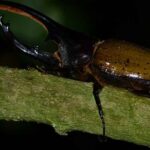
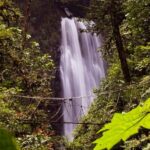

Wildlife sightings: when the forest adds extras
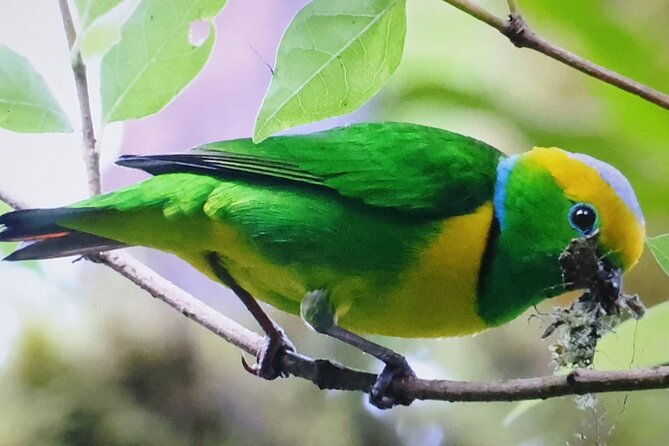
This tour isn’t only birds. The pitch includes the possibility of other wildlife, and that can turn your morning into a broader nature outing.
You might see coatis, capuchin monkeys, or deer, especially when birds have you paused near productive habitat. When mammals show up, your guide often reorients the group so you can enjoy it without disrupting the area.
If you’re worried about it becoming chaotic animal chasing, don’t be. The guiding style described in positive accounts is patient: listen first, look second, then act. That calm pacing keeps the group from tramping around when the best plan is still to stand still and watch.
Rain, mist, and “brief moments”: how to set expectations
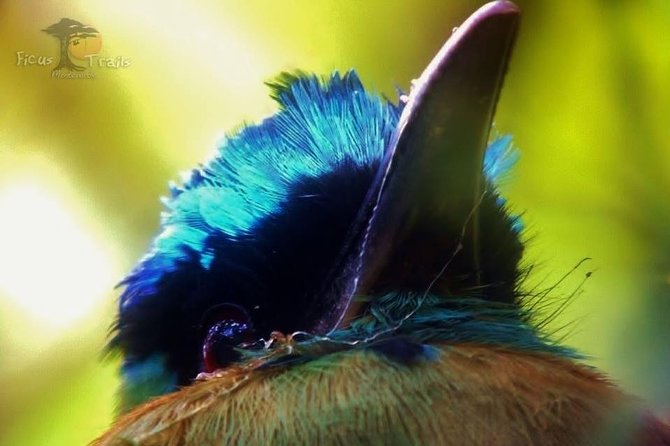
Monteverde weather loves to test your plans. The good news: a misty or rainy morning doesn’t automatically kill birding. One traveler specifically called out a misty, rainy start that still produced a strong list.
The real issue is not rain. It’s speed. Birds can pop into view, call, then vanish into branches fast. You may not see long, uninterrupted views through the scope for every species. More than one account described birds flying off quickly, so guides had to be persistent and quick about repositioning.
My advice: mentally switch from “I need perfect photos” to “I want good sightings.” If your brain is tracking movement and behavior, you’ll enjoy the tour even when visuals are fleeting.
Price and value: what $100 buys in the cloud forest
At $100 per person, the question is not whether the tour is cheap. It’s whether it saves you time, improves your odds, and gives you real guidance.
Here’s what you’re paying for:
- A professional guide who knows where to scan and how to communicate with the group
- Hotel pickup and drop-off, which matters in Monteverde because getting to trail areas on your own can be a hassle (especially early)
- A small group (max 8) so you’re more likely to get a look when a bird appears
- A route focused on birds first, with stops that support spotting and photography
Binoculars aren’t included, so if you don’t have them, budget for that. But if you already own binoculars, the value feels straightforward: you’re buying expertise, not just walking.
If you’re the kind of traveler who hates paying for a guide, this might feel like a splurge. If you want higher odds and less time fumbling around, the math usually works out.
Who this tour fits best (and who should choose differently)
This works great for almost everyone who’s curious about birds. The tour specifically says no experience is necessary, and several positive accounts describe guides adjusting to different interest levels.
Go for this if you:
- want your best chance at seeing the Resplendent Quetzal
- enjoy a relaxed morning walk with a focus on wildlife
- like learning bird behavior and not just collecting names
- want a guide who can help you see even when your own ID skills are still forming
You might consider a different option if you:
- need a fully risk-free route with zero deviation from marked trails
- expect long viewing times on every species
- want breakfast included (one comment flagged that breakfast was not included, so don’t plan on it)
Booking tips that help you get better sightings fast
A few practical moves make a difference:
- Bring binoculars if you have them. The tour doesn’t include them.
- Wear layers. Morning temps in cloud forest can surprise you.
- Be ready for weather. Mist and light rain are common enough that shoes and a light rain layer matter.
- Arrive with patience. Your guide will pause, scan, and sometimes reposition quickly. That’s how you catch those brief bird moments.
- Ask questions early. If you’re new, tell the guide what you want most (Quetzal chance, hummingbirds, toucans). Better focus helps better sightings.
Also, since pickup and timing matter, confirm your preferred departure time within the stated morning window when booking.
Should you book the Resplendent Quetzal–Tucans–Tropical Birdwatching tour?
If your goal is a high-odds, early-morning Monteverde bird experience with a guide who actively helps you see, I’d book it. The biggest strengths are the small-group feel, the guide’s hands-on bird-spotting skills, and the focus on the right habitat through Ficus Trails.
I’d skip or rethink it only if your expectations are too rigid: you want guaranteed Quetzal sightings, long static views, or a route that never changes to follow bird activity. Cloud forest birding is living in the present. When you accept that, the tour delivers.
FAQ
What time does the tour start?
The start time is 6:00am.
How long is the tour?
It runs for about 3 hours (about 2.5 hours of bird-watching time).
How many people are in the group?
This tour has a maximum of 8 travelers.
Do I need to bring binoculars?
Binoculars are not included, so if you have your own, bring them.
Does the tour include hotel pickup and drop-off?
Yes. Hotel pickup and drop-off are included.
Is the Resplendent Quetzal guaranteed?
The tour says you may see the Resplendent Quetzal in season, but sightings are never guaranteed.
What’s the cancellation window?
You can cancel up to 24 hours in advance for a full refund.