REVIEW · GRAN CANARIA
Las Palmas: Sunset & Night Sky Guided Astronomy Hiking Tour
Book on GetYourGuide →Operated by RockNatour · Bookable on GetYourGuide
The stars in Gran Canaria feel close here. I like the sunset at Ventana del Nublo and the way the guide uses binoculars plus a screen so the night sky makes sense fast, with Pablo-style explanations that stick. You’ll hike the Camino de Santiago de Gran Canaria, watch the light fade into deep sky, and learn how to find real things for yourself.
One thing to plan around: you’ll need your own car to reach the meeting area since there’s no transfer and public transport won’t work in these zones. If that logistically fits your trip, this 3-hour tour is a great value at $68, especially for couples and small groups who want less crowds and more sky time.
In This Review
- Key highlights before you go
- Why this Gran Canaria night hike feels different
- The 3-hour rhythm: sunset first, stars second
- Meeting at the campground area and getting to the start
- Walking the Camino de Santiago de Gran Canaria toward Ventana del Nublo
- Ventana del Nublo in Tejeda: sunset views plus your first astronomy lesson
- Forest-to-sky transition: why the hike matters for beginners
- Learning to spot constellations, planets, and the Milky Way
- Comfort details that actually help you enjoy the dark
- The $68 price: what you’re really paying for
- Who this tour suits best
- Practical packing: what makes or breaks the night
- Weather and timing: when the plan might shift
- Should you book Las Palmas Sunset & Night Sky guided astronomy hike?
- FAQ
- Where do you meet for the tour?
- Do I need a car to get to the meeting point?
- How long is the tour?
- Is there a telescope used during the astronomy part?
- What astronomy tools are included?
- What’s included besides the guide and stargazing?
- What should I wear or bring?
- What language is the tour guide?
- How big is the group?
- Can the tour change dates or meeting points?
Key highlights before you go
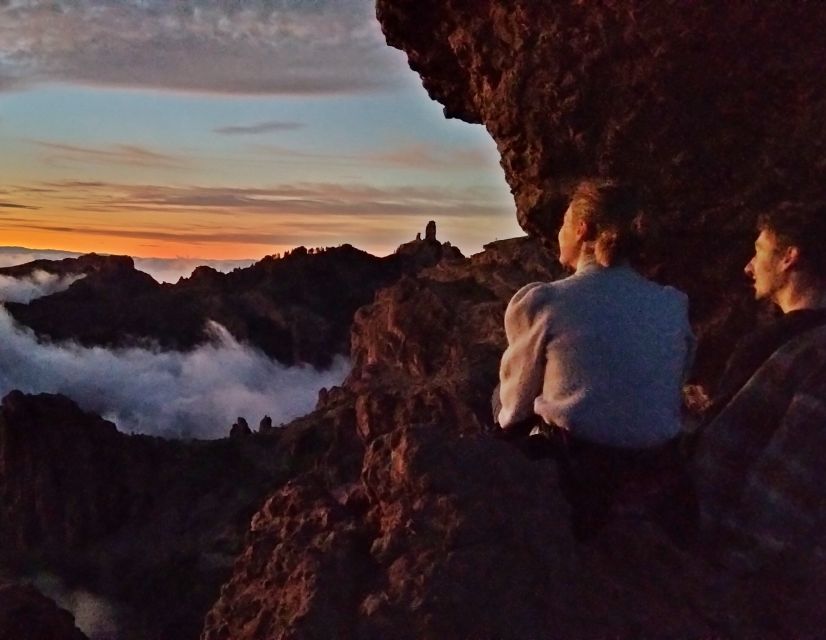
- Ventana del Nublo at sunset: wide views toward Roque Nublo and Teide while the sky starts changing.
- Camino de Santiago de Gran Canaria: a famous walking route that adds context to what you’re seeing.
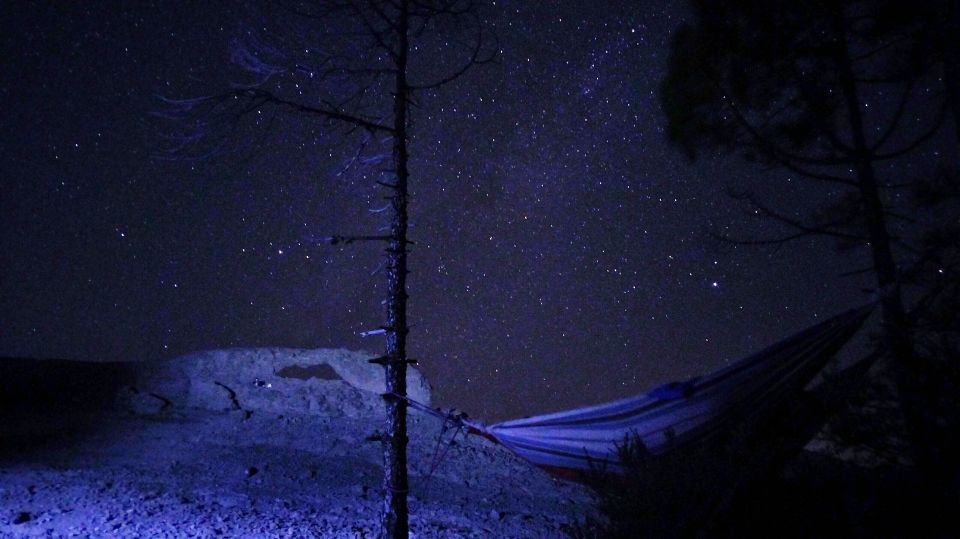
- Real stargazing tools: binoculars, a blanket, and a hammock setup for a comfy night-sky lesson.
- No telescope required: you learn the basics so you can identify constellations, planets, and the Milky Way on your own.
- Small group of 10: more time with the guide and less waiting around in the dark.
Why this Gran Canaria night hike feels different
Gran Canaria at night isn’t just about seeing stars. It’s about understanding what you’re seeing as the light fades, step by step. This tour pairs a scenic trek with a guided astronomy session, so your brain shifts from day mode to sky mode at a natural pace.
I also like that it’s not “stand still and look.” You’ll walk through forest areas as daylight slides into night, and then you’ll settle in with warm drinks and snacks while you learn. That flow matters: you’re not trying to learn astronomy while everyone’s stiff and tired.
You can also read our reviews of more tours and experiences in Gran Canaria.
The 3-hour rhythm: sunset first, stars second
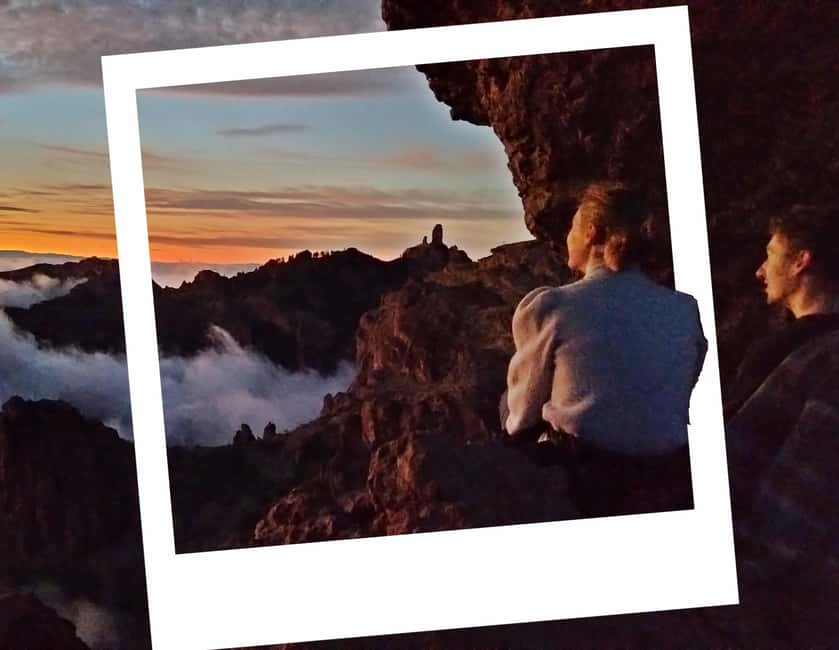
This experience runs for about 3 hours, and that timing is the whole point. You’ll start during evening light, hike toward a top viewpoint as sunset approaches, then spend the darker part of the outing identifying what’s overhead.
The guide also blends astronomy with canary culture as you watch the horizon. That’s a smart combo for a first-timer: you get local storytelling plus practical sky knowledge, without turning it into a lecture.
Meeting at the campground area and getting to the start
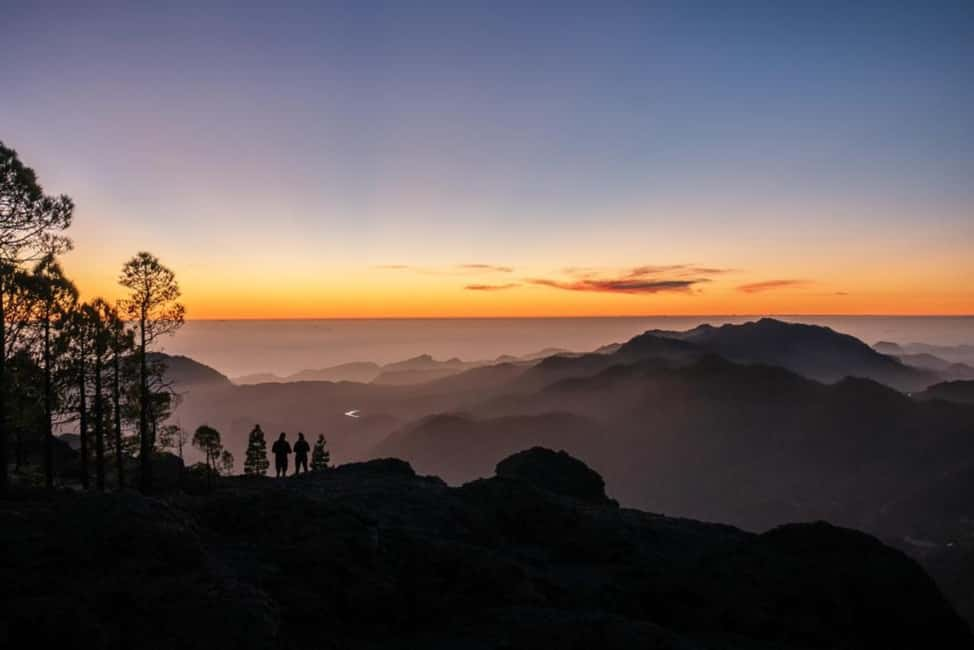
You meet at a campground area in the center of the island, surrounded by mountains and local terrain. The good news: parking is available at the start, so you’re not hunting for a spot with headlamps on.
The key logistical detail is transportation. There’s no transfer, and you’ll need your own car because public transport doesn’t work in these zones. If you’re staying on the coast, plan a drive up to the Tejeda area early enough that you don’t feel rushed.
Also keep in mind weather can affect the plan. The activity may require changing the date or meeting point to find the best conditions, so it helps to stay flexible in your schedule.
Walking the Camino de Santiago de Gran Canaria toward Ventana del Nublo
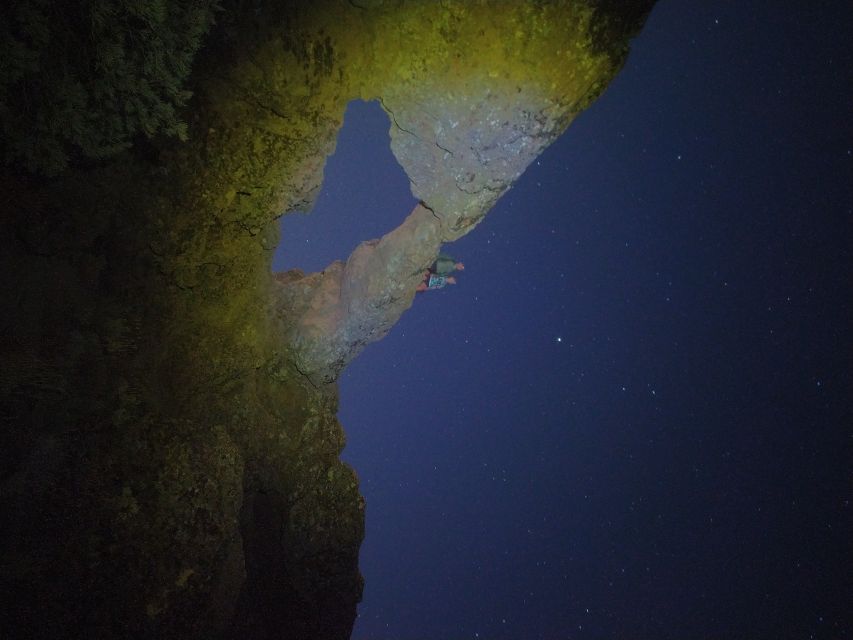
After you gather, you begin the route through the Camino de Santiago de Gran Canaria, described as the most famous trekking path on the island. Even if you don’t know the history of the Camino routes, the walking itself gives you a sense of place: you’re moving through real terrain, not just arriving at a viewpoint and hoping for clear skies.
As you head toward Ventana del Nublo, you’ll likely notice the temperature shift and the forest feel change as day turns to night. That “between worlds” moment is one of the best parts of the outing. It’s the point where stargazing doesn’t feel random—you’re actively watching the world darken.
Ventana del Nublo in Tejeda: sunset views plus your first astronomy lesson
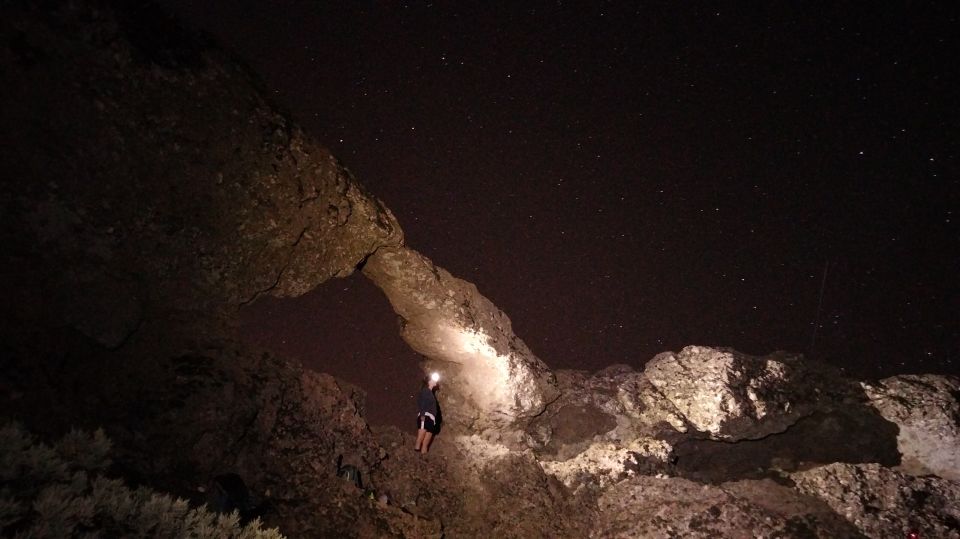
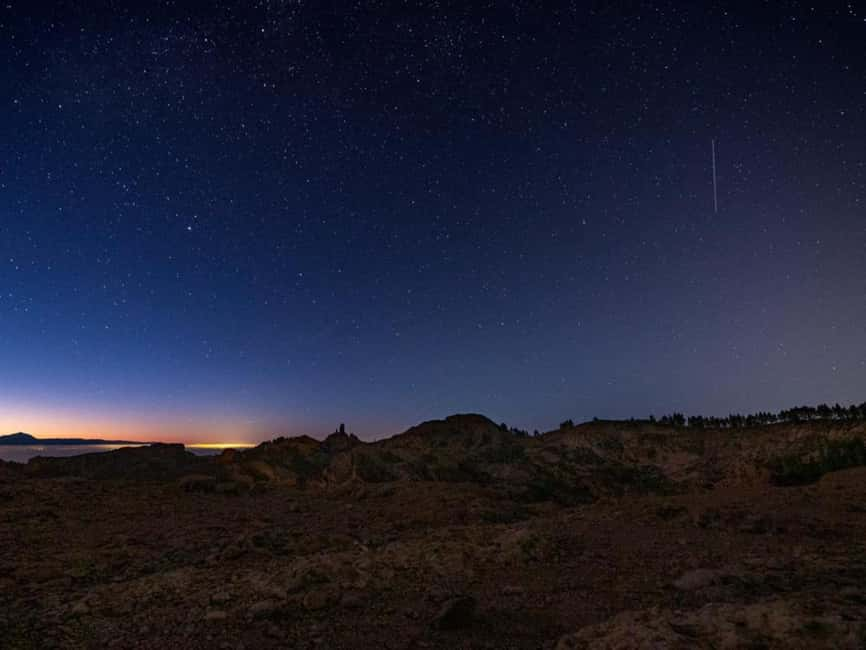
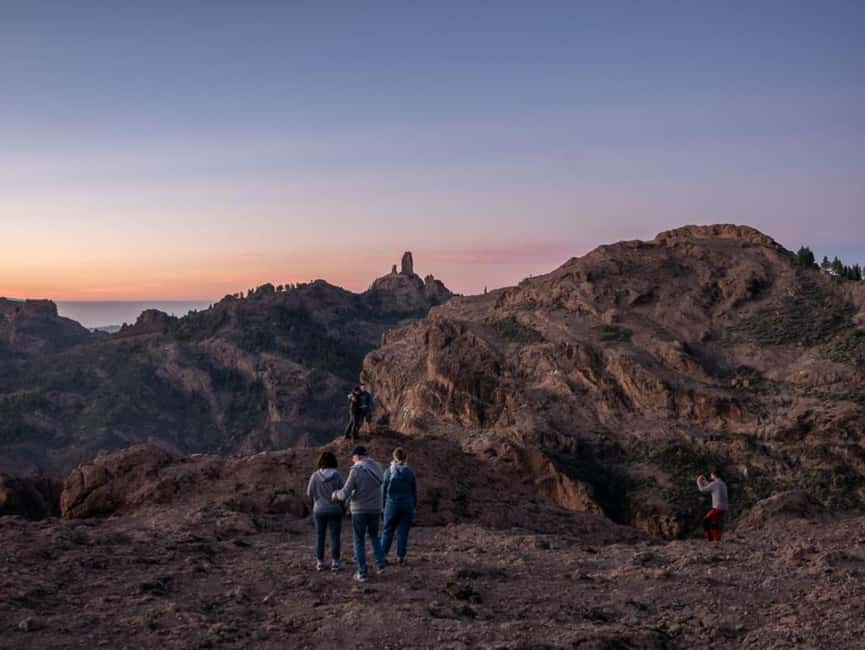
You arrive at Ventana del Nublo, an iconic Tejeda viewpoint. This is where the tour earns its wow factor: you watch the sunset with views toward Roque Nublo and Teide while the guide introduces basic astronomy concepts as the sky darkens.
This is the moment I’d call the turning point of the whole experience. In daylight, it’s hard to visualize what “finding constellations” means. But at Ventana del Nublo, you’re watching the horizon fade while the guide teaches you how the sky is organized. You don’t just see stars—you learn the method.
You’ll also get a chance to use binoculars during the session. That matters because it gives you a practical bridge between naked-eye sky watching and a more advanced setup. Even without telescopes, binoculars can sharpen your view enough to make the lessons feel real.
Forest-to-sky transition: why the hike matters for beginners
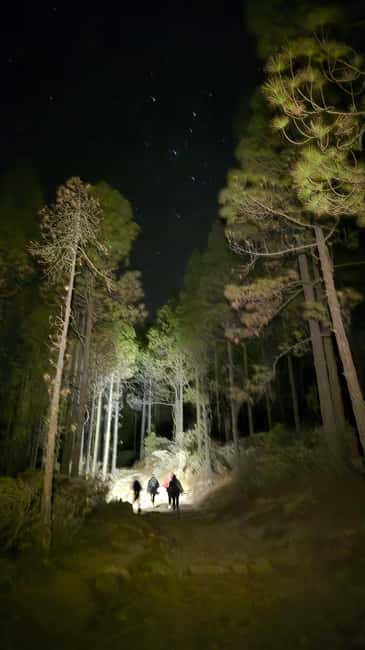
The tour includes walking through forest areas, and I think that’s more than just a scenic add-on. It sets up the stargazing portion in a way that feels natural.
Here’s why it works for first-timers: astronomy is easier when you’ve had time to acclimate to the dark. If you spend the whole outing walking and settling in, you get a smoother transition from bright horizon to darker sky, and you’re better prepared to spot fainter objects when the guide starts pointing them out.
It also helps you feel the geography of Gran Canaria. From Ventana del Nublo you can take in the surrounding features—then later, when you identify constellations and planets, you’ll remember how the landscape framed the view.
Learning to spot constellations, planets, and the Milky Way
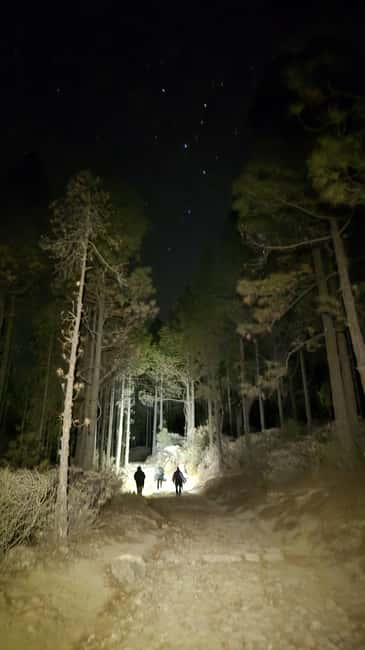
Once the sun is gone, the guide shifts into guided night-sky viewing. The core goal is simple: you learn how to identify constellations, planets, and the Milky Way without needing a telescope.
You’ll use:
- binoculars for a closer look
- a screen for explaining astronomy concepts
- a practical, walk-and-point style of teaching
That screen support is useful. It means the guide can clarify what you’re looking at, even if it’s hard to describe in words once you’re staring up. It’s also how you pick up basic astronomy knowledge you can reuse later.
The Milky Way moment is often what people hope for in the Canary Islands. Here, you’re not just hoping the sky cooperates—you’re learning what to look for so you can enjoy it without feeling lost.
And the best part of this format is what it gives you after the tour. The guide focuses on how to interpret the sky for yourself, so you can revisit the night sky on future evenings with whatever you have—no telescope required.
Comfort details that actually help you enjoy the dark
This tour doesn’t treat stargazing like a punishment. You’ll have snacks and hot drinks, plus a hammock and blanket for downtime while you watch the sky. There’s also a light provided, which helps you handle the practical side of moving around at night.
Those details sound minor until you’re actually sitting in the dark. Warm drinks keep you comfortable. Blankets and a hammock keep you from getting stiff. Snacks prevent that “hangry” spiral that can happen when you’re outdoors and the evening runs long enough to feel slower than it looks on paper.
The $68 price: what you’re really paying for
At $68 per person for a 3-hour guided experience, this is priced for people who want a guided astronomy outing without buying equipment or investing time in figuring out the sky from scratch.
You’re getting value in three areas:
- Guided instruction in English with a small group limited to 10 participants.
- Hands-on viewing tools like binoculars, plus a screen to explain the basics.
- Time at an iconic viewpoint (Ventana del Nublo) timed around sunset and dark-sky viewing.
Compared with DIY stargazing, you’re also paying for convenience. You’re led to a great spot, taught the pattern to look for, and provided the comfort basics so you stay focused on the sky instead of managing the experience.
Who this tour suits best
This is a strong fit if you:
- want a night experience that’s more than just watching stars
- like small groups and personal guidance
- are curious about astronomy basics but don’t want a technical deep lecture
- appreciate a hike that builds toward a viewpoint and then slows down for sky watching
It’s especially appealing for couples, since the group size is small and the setting is dramatic without feeling like a crowded attraction.
If you hate driving on unfamiliar roads, that car requirement could be a deal-breaker. But if you’re already planning to rent a car in Gran Canaria, it’s a straightforward add-on to your week.
Practical packing: what makes or breaks the night
The essentials are simple and listed clearly:
- Warm clothing
- Hiking shoes
Even in a place known for pleasant weather during the day, nights at viewpoints can get cold fast. Good shoes also matter because you’re hiking as the light changes, and you’ll want traction and comfort for the route.
You’ll also be using binoculars, so you might want to keep your hands free if you’re bringing a camera. If you have them, a light pair of gloves and a hat can make night viewing feel much easier, but the tour’s stated must-haves are warm clothing and hiking shoes.
Weather and timing: when the plan might shift
This activity depends on conditions. Depending on weather, the date or meeting point can change to chase the best options.
The good part is that the tour is set up for evening sky viewing. When you keep your expectations flexible, weather doesn’t feel like a “failure”—it becomes part of how you get the best night-sky experience possible.
Should you book Las Palmas Sunset & Night Sky guided astronomy hike?
Yes, if you want guided stargazing that actually teaches you how to see. I’d book it for the combination of Ventana del Nublo sunset views, a real walking route on the Camino de Santiago de Gran Canaria, and astronomy basics you can use on your own afterward.
I’d think twice only if getting to the meeting point by car is hard for you. With no transfers and limited public transport in the zones, your logistics are the main risk.
If you’re choosing between “random star gazing” and a structured guided night hike, this one is the more confident bet—especially with the small group size, provided binoculars, and the comfort setup with snacks and hot drinks. And if the tour is full, ask RockNatour Gran Canaria about a waiting list to keep your chances alive.
FAQ
Where do you meet for the tour?
You meet at the campground area in the center of the island, and you can park there.
Do I need a car to get to the meeting point?
Yes. Transfer is not available, and public transport doesn’t work in these zones, so you’ll need your own car.
How long is the tour?
The tour lasts about 3 hours (starting times vary by availability).
Is there a telescope used during the astronomy part?
No. Telescopes are not used in this activity.
What astronomy tools are included?
You get binoculars and a screen for explaining astronomy concepts.
What’s included besides the guide and stargazing?
You’ll also receive a hammock, blanket, a light, and snacks with a hot drink.
What should I wear or bring?
Wear warm clothing and hiking shoes.
What language is the tour guide?
The live tour guide speaks English.
How big is the group?
The group is small, limited to 10 participants.
Can the tour change dates or meeting points?
Yes. Depending on weather conditions, the activity could require changing the date or meeting point to look for the best conditions.