REVIEW · GRAN CANARIA
Gran Canaria: Cliff Climbing Via Ferrata Trip by Maspalomas
Book on GetYourGuide →Operated by Yukan Outdoor Gran Canaria · Bookable on GetYourGuide
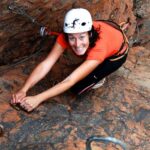
Gran Canaria’s cliffs make Via Ferrata feel like a movie set. You get a guided climb with all safety gear plus a route that mixes iron rungs, cave stops, and a 60m suspension bridge before the big swing. I especially like how the guides keep beginners moving with clear steps and calm support (I’ve seen instructors like D, Ari, Manuel, and Aron described as patient and hands-on). One drawback: if you freeze at heights or have vertigo, this one can be mentally tough even if it’s well protected.
What makes this trip work for real holidays is that the adventure starts with a hike through a valley that really does look like western scenery, then turns into hands-on climbing instruction. You should also know there’s no transportation included, so you’ll want a simple plan to reach the meeting spot in Bahía Feliz.
In This Review
- Key Highlights I’d Plan Around
- Getting Oriented: Bahía Feliz Meets Your Ferrata Adventure
- The 4-Hour Flow: From Valley Walk to Climb, Bridge, and Swing
- Step 1: Gear Up and Start the Valley Walk
- Step 2: Arrival and Technique Basics
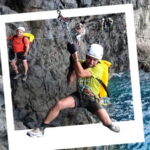
- Step 3: Climb the Iron Steps on a Medium Route
- Step 4: Caves and a 60m Suspension Bridge
- Step 5: The Highest Swing Finale
- What You’ll Actually Learn on the Rock Wall
- Safety That Feels Real (Not Just Spoken)
- Price and Value: Why $82 Can Make Sense
- Who This Trip Suits Best (And Who Should Skip It)
- What to Bring (So You Don’t Feel Rookie-Level Unprepared)
- The Small-Group Difference: Up to 10 People Changes Everything
- A Balanced Reality Check: The One Consideration I’d Plan For
- Should You Book This Via Ferrata Climb?
- FAQ
- Where is the meeting point for the Gran Canaria via ferrata trip?
- How long is the experience?
- What’s included in the price?
- Is transportation included?
- Do I need climbing experience?
- What fitness level do I need?
- What ages are allowed?
- What languages do the instructors speak?
- What should I bring?
- Who should not do this due to health or safety reasons?
Key Highlights I’d Plan Around
- The western-valley walk: about a 30-minute trek that sets the mood before you clip in.
- All climbing gear + insurance: harness, helmet, ferrata kit, torch, snack, and included insurance.
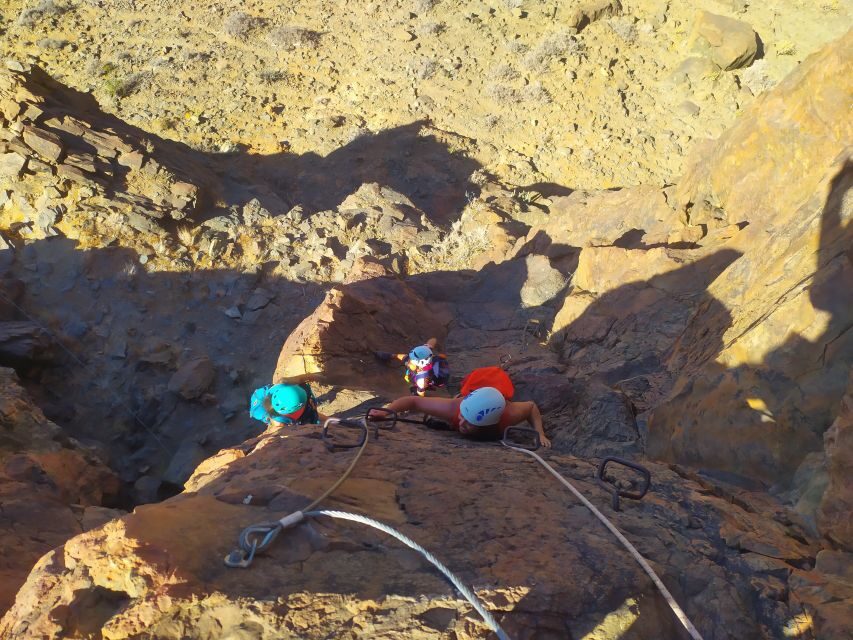
- Medium-level via ferrata: iron steps and a safe line make it more doable than rock climbing.
- A 60m suspension bridge: crossed partway through, adding a real head-for-heights moment.
- The highest swing of Gran Canaria: the kind of finale you feel in your bones.
- Small groups (up to 10): easier guide attention if you’re learning.
Getting Oriented: Bahía Feliz Meets Your Ferrata Adventure
You start in Bahía Feliz, meeting your guide at the ground parking area near the bus stop. From there, the day follows a simple rhythm: gear up, hike to the climb, learn the technique, then enjoy the route’s thrills.
The big practical win is that you’re not showing up to random cliffs with only a helmet and hope. Your package includes the gear you need: harness, helmet, and a ferrata kit. Add the included insurance and the guiding, and it turns “maybe” into a structured activity you can actually complete.
You can also read our reviews of more tours and experiences in Gran Canaria.

The 4-Hour Flow: From Valley Walk to Climb, Bridge, and Swing
This is a 4-hour experience, built around two main phases: getting to the via ferrata and then spending your time on the rock route. You’ll also feel some walking in and out, but it’s the climbing that’s the point.
Step 1: Gear Up and Start the Valley Walk
After meeting, you’ll collect your climbing equipment: helmet, harness, and ferrata kit. Then you begin a walk across the valley for roughly 30 minutes. Expect a dramatic, open setting that many people describe as western-movie scenery. It’s a nice warm-up too: you’ll settle your nerves, get moving, and arrive at the climb ready to focus.
Bring a daypack if you have one, plus sunscreen and water. The sun on Gran Canaria can be sneaky, and you don’t want to be rationing sips halfway through.
Step 2: Arrival and Technique Basics
When you reach the starting point, your guide explains how to move safely on via ferrata. You don’t need prior climbing experience, but you do need normal fitness. Think of this as active hiking plus a mental checklist: clip in correctly, use your hands and feet deliberately, and keep steady breathing.
The guides also belay you with ropes when needed. That matters because the route isn’t about random scrambling. It’s about learning how to transfer weight from rung to foothold while staying connected to the safety line.
Step 3: Climb the Iron Steps on a Medium Route
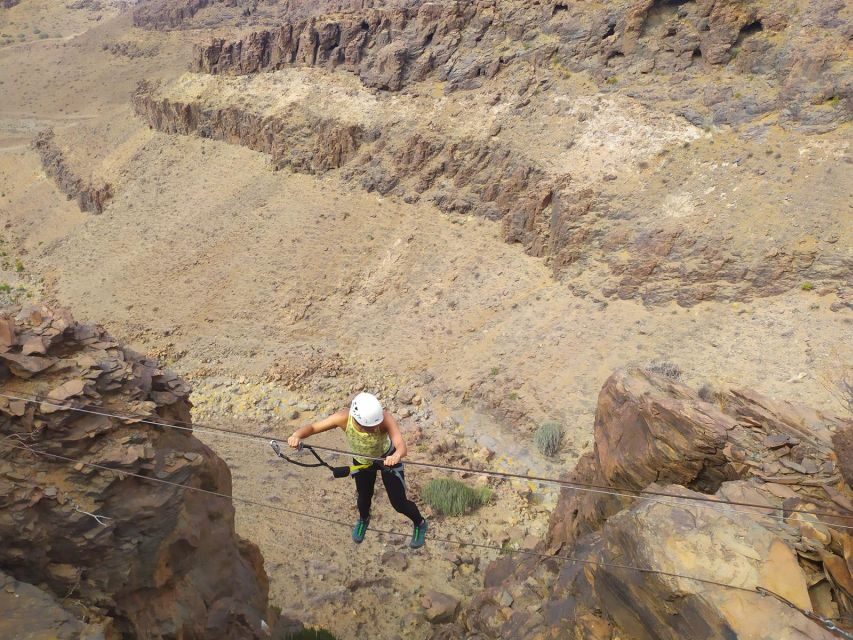
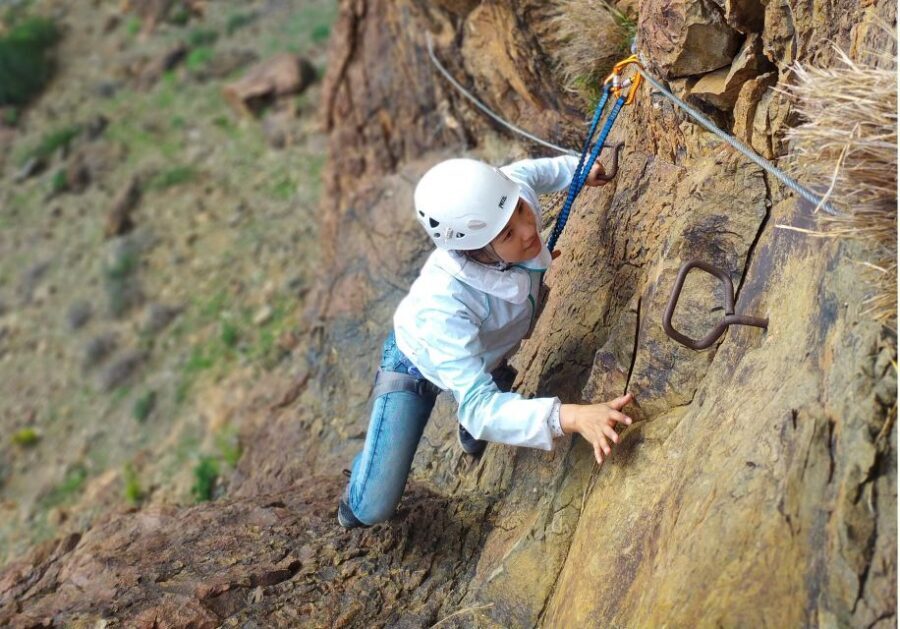
Now you step onto the via ferrata itself—iron steps plus a safe line. This is one of the reasons via ferrata works for people who aren’t rock climbers: it’s adventure with built-in structure. You’re still climbing, but you’re not trying to invent a route with your hands.
The route is described as medium-level, which is a sweet spot for many first-timers. You’ll get moments that feel intense, but you’re not expected to be a technical athlete. If you’ve got decent stamina and can stay focused, you’ll likely find the challenge matches the description.

Step 4: Caves and a 60m Suspension Bridge
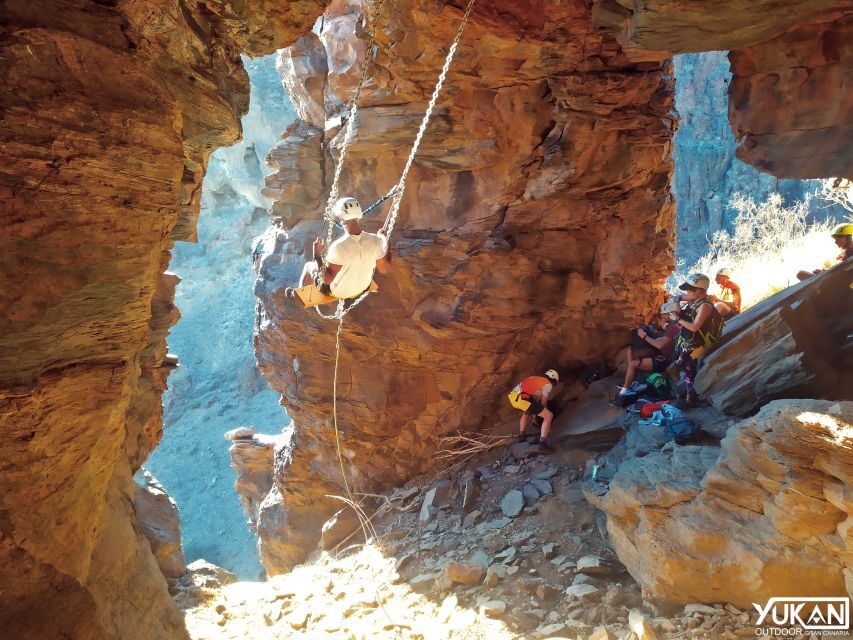
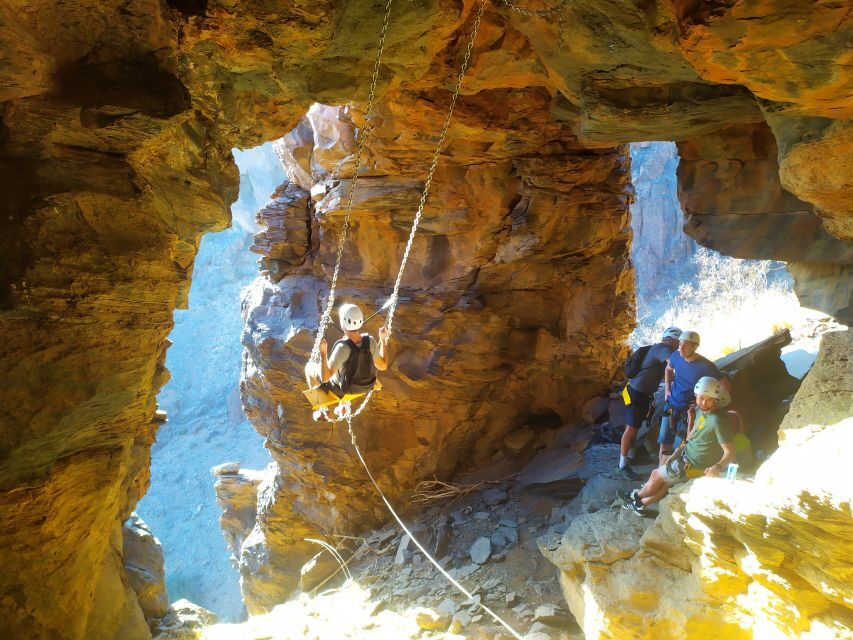
Along the way, the route includes cave exploration stops. That’s a nice change of pace, because it breaks up the climb and gives your brain something other than step-by-step decisions.
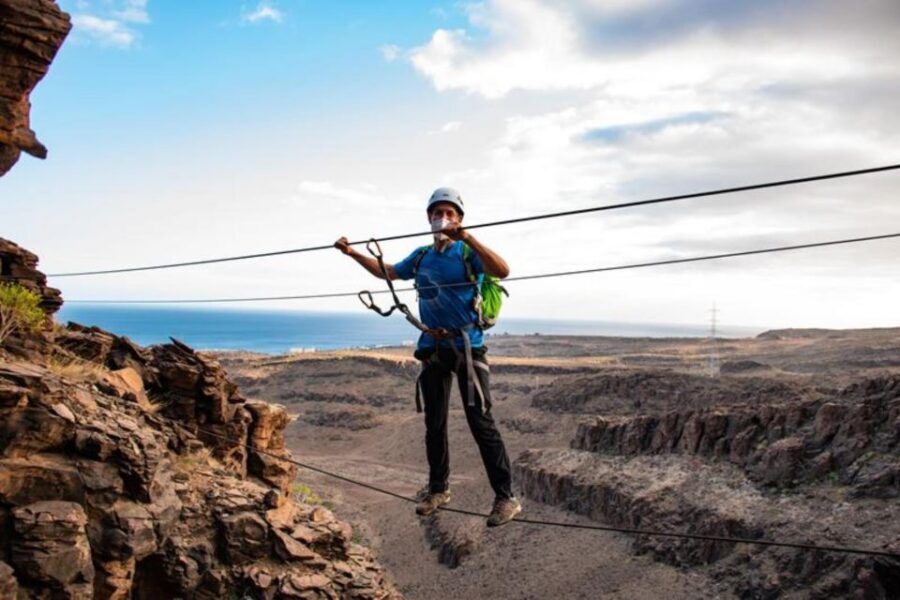
Then comes one of the day’s signature moments: a suspension bridge at about 60 meters high. This is the part that tests nerves, not strength. You’re still secured, but you’ll be aware of the height. If you’re afraid of heights or have vertigo, the activity list already flags this as a bad match, and I’d take that seriously.
Step 5: The Highest Swing Finale
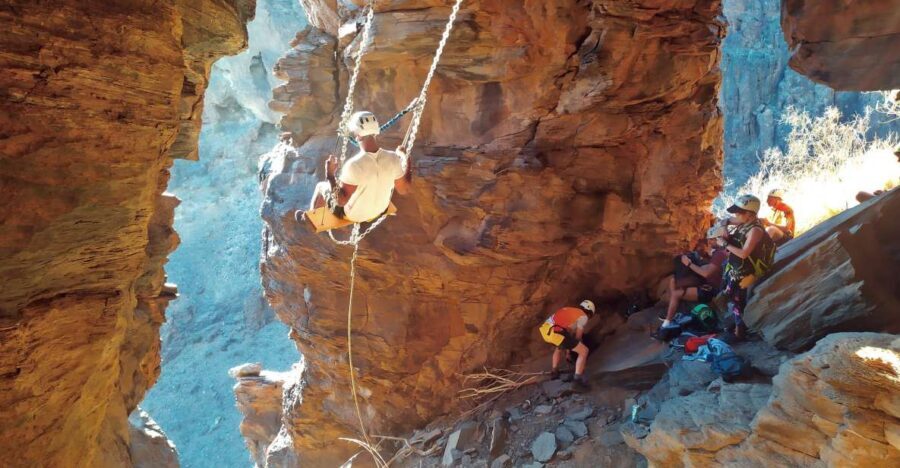
To wrap up, you’ll fly in the highest swing of Gran Canaria. This is the payoff moment where your brain stops counting steps and starts enjoying the ride. The guides keep you safe and moving through the sequence, but it’s still a full-adrenaline finish.
After the swing, you head back toward the start via a different trail. That change of scenery helps the day feel longer in the fun way.
What You’ll Actually Learn on the Rock Wall
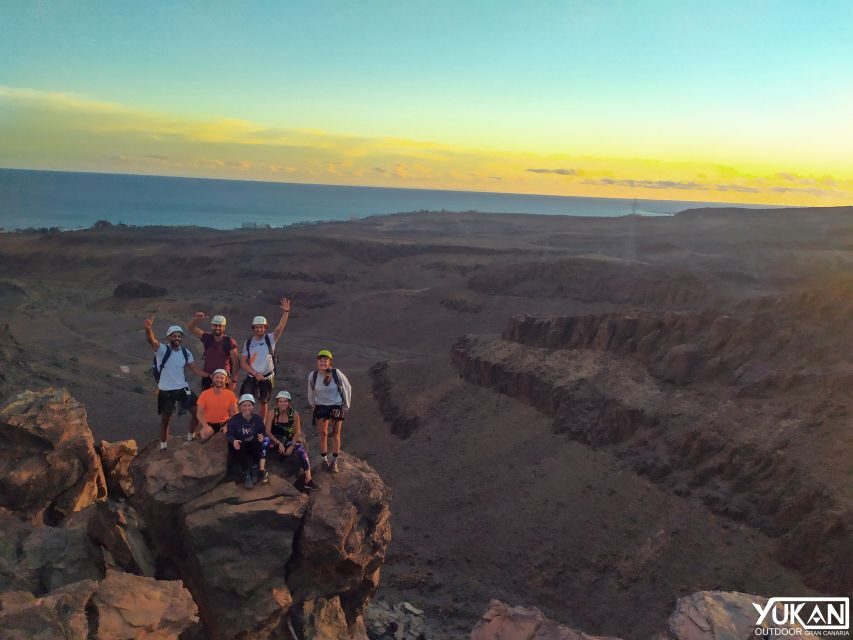
Via ferrata is often marketed as a thrill ride, but the best part here is that you learn the basics in real time. You’ll get instructions on techniques before you start, and then the guides stay with you as you climb.
A recurring theme from guide styles is patience and clarity. Names like D, Ari, Manuel, and Aron show up in the experience reports as calm, encouraging instructors who explain the rules plainly. If you’ve ever worried that you’ll be the slow person in a group, that’s where this kind of small-group format really helps.
Also, pay attention to how you clip in and how your guide checks you. One climber-style detail you should care about is staying properly connected on the lines; several accounts highlight feeling secure because there’s a double carabiner setup.
Safety That Feels Real (Not Just Spoken)
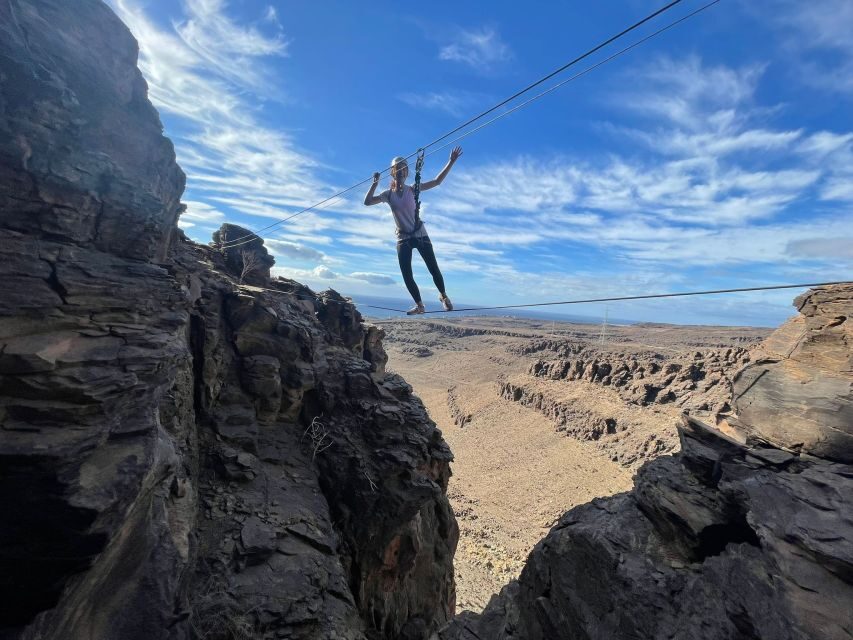
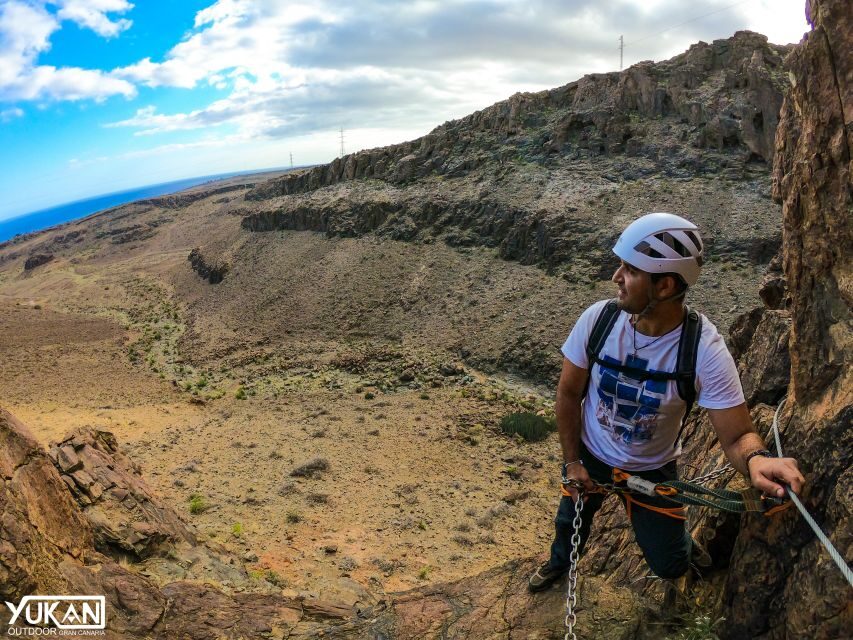
This trip is built on safety systems you can see and feel: helmet, harness, and a ferrata kit. Your guide also uses ropes to belay you when you need it, which helps keep the route from turning into a panic spiral.
One thing I value is that the guides don’t treat first-timers like they should figure it out alone. If you freeze on a section, they coach you through choices. If you’re unsure how to place feet on rungs, you get tips. That kind of real-time help is often what makes the difference between “scary but doable” and “I’m done.”
And because the group is limited to 10 participants, you’re not one body in a pile. You can actually follow direction and get quick help if something feels off.
Price and Value: Why $82 Can Make Sense
At $82 per person for a 4-hour guided activity, the value comes from what’s included, not just the cliff time.
You’re paying for:
- a guide who handles route instruction and on-the-spot safety coaching
- harness, helmet, and ferrata kit
- torch, snack, and pictures
- and included insurance
Transportation isn’t included, so you’ll want to cover that separately. But if you’re already staying in or near the Maspalomas/Bahía Feliz area, the included gear and insurance usually make this one of those “worth it” adventure options. You’re not renting random equipment and hoping the instructions are good.
In short: the price is fair if you want a structured, safe introduction to cliff climbing that doesn’t require planning a lot of gear details yourself.
Who This Trip Suits Best (And Who Should Skip It)
This isn’t for everyone, and that’s a good thing. The activity isn’t suitable for children under 14, people who are pregnant, anyone with back or heart problems, wheelchair users, and anyone with altitude sickness concerns.
You also shouldn’t do it if you have:
- fear of heights
- vertigo
- low fitness level
- or you exceed 220 lbs (100 kg)
Height and body size matters too: it’s not for people under 4 ft 8 in (145 cm).
If you’re a healthy adult with normal fitness, you’re a strong match. Many people described it as challenging mentally and physically, but safe and manageable with guide support. One helpful hint from participant feedback: even if you’re nervous, the guides’ calm pacing can keep you moving.
What to Bring (So You Don’t Feel Rookie-Level Unprepared)
The essentials list is simple, and you should follow it:
- Hiking shoes
- sunscreen
- water
- a daypack
A couple of practical add-ons based on how people actually handle the day:
- Bring enough water for the climb and walk segments. People strongly recommend carrying more water than you think you’ll need.
- Avoid overly heavy packing. One person regretted carrying a heavy 2L bottle in a single backpack spot, so spread weight or go with a lighter setup if you can.
- While climbing shoes aren’t required, you can ask about renting them if that’s your preference. (Some guides indicate you might not need them.)
The Small-Group Difference: Up to 10 People Changes Everything
With a limit of 10 participants, you should feel the guide attention. That’s not just a comfort factor; it affects how quickly you learn. If you’re new to via ferrata, you want feedback at the moment you need it: foot placement, hand grip choice, and how to approach the next section confidently.
And because your group isn’t huge, the day feels more like a shared challenge than a conveyor belt. That matters for first-timers who might not want to announce fear out loud but still need reassurance.
A Balanced Reality Check: The One Consideration I’d Plan For
Even with solid safety gear, the biggest challenge is mental: height awareness and focus. You’ll be clipped in and protected, but the suspension bridge and the swing still require you to cooperate with the moment.
If you’re the type who gets anxious in tall spaces or you have vertigo, the restrictions are there for a reason. This isn’t the place to “push through” discomfort. Choose something else and keep your holiday stress low.
If you’re fine with heights but nervous about climbing, you’re still a good candidate. Many people start scared and finish proud, largely due to the guide’s step-by-step support and pacing.
Should You Book This Via Ferrata Climb?
Book it if you want a guided, safe, medium-level via ferrata with gear included, a memorable suspension bridge moment, and a high-adrenaline swing finish. You’ll get real instruction, and the small group size helps you learn without feeling rushed.
Skip it if heights or vertigo are a hard no, or if you have health limits listed for back/heart issues or low fitness. Also skip if you don’t have an easy way to reach Bahía Feliz—transport isn’t included, and arriving late or stressed makes the day worse.
If you’re a reasonably active adult looking for a standout Gran Canaria day that mixes training with thrills, this one is an excellent choice.
FAQ
Where is the meeting point for the Gran Canaria via ferrata trip?
You meet your guide at the ground parking area close to a bus stop in Bahía Feliz. The provided map link is: https://goo.gl/maps/X8PKF1FF1QWH5GRDA
How long is the experience?
The trip lasts about 4 hours.
What’s included in the price?
Included items are a guide, harness, helmet, ferrata kit, torch, snack, pictures, and insurance.
Is transportation included?
No. Transportation is not included.
Do I need climbing experience?
No climbing experience is required. The guides explain the techniques before you start.
What fitness level do I need?
You need normal fitness. It’s not suitable for people with low level of fitness.
What ages are allowed?
It’s not suitable for children under 14.
What languages do the instructors speak?
The instructor languages are English and Spanish.
What should I bring?
Bring hiking shoes, sunscreen, water, and a daypack.
Who should not do this due to health or safety reasons?
It’s not suitable for pregnant women, people with back problems, heart problems, wheelchair users, people afraid of heights, people with vertigo, people over 60 years, people with altitude sickness, people over 220 lbs (100 kg), and people under 4 ft 8 in (145 cm).