Sicily tastes better in Ortigia. This 3-hour food and culture tour blends ancient sights with guided tastings in Siracusa’s island neighborhood, led by Letizia. I love the way the route ties Greek-era landmarks to what people actually eat today, and I also like the small-scale feel: it’s your group only, and Letizia can handle questions without rushing you. One heads-up: Duomo entry isn’t included, so if you want to go inside, you may need extra time and money.
You’ll start at Val SanLargo XXV Luglio, 12 at 10:30 am, then spend the morning moving on foot between key sights—Temple of Apollo, the Cathedral area, and Fonte Aretusa—before shifting into tastings. In the best reviews, Letizia’s attention to detail shows up fast: she’s good at explaining local food history, and she even adjusts the pace for families (one outing included a baby, and the group didn’t feel hurried). The food portion also isn’t just one snack stop; it’s a chain of flavors you’d be hard-pressed to line up on your own.
Before you go, plan for weather. The tour needs good conditions, and if a storm hits, you should expect quick pivots toward indoor pastry and street-food style stops rather than a perfect, straight walk.
In This Review
- Key Highlights You’ll Feel Right Away
- Ortigia by Foot: A 3-Hour Mix of Old Stones and New Snacks
- Stop 1: Temple of Apollo and the Feel of Ancient Ortigia
- Syracuse Cathedral Area: Four Styles in One View (and No Ticket Pressure)
- Fonte Aretusa: Legend, Sea Air, and Papyrus Mentioned for a Reason
- Food Tastings That Actually Teach You How Siracusa Eats
- A note on heat and comfort
- Price and Value: Does $150.18 Pay Off?
- Weather and the Real-Life Tour Rhythm
- Who This Tour Fits Best (and Who Might Want a Different Option)
- Should You Book the Food and Culture Tour of Ortigia?
- FAQ
- How long is the Food and Culture Tour of Ortigia?
- Is the tour in English?
- What’s included in the price?
- Are entrance tickets included for the Duomo?
- Where does the tour start?
- What happens if the weather is bad?
Key Highlights You’ll Feel Right Away
- Ancient sights with food context: Greek Temple of Apollo, cathedral-area architecture, then spring legends that connect to how Greeks shaped the island.
- Fonte Aretusa details you won’t get from a quick photo: you’ll hear the story tied to the spring and see mention of Papyrus introduced by the Greeks.
- Taste stops that explain what you’re eating: snacks + soda/pop are included, and the guide links each bite to local habits.
- Letizia’s storytelling style: multiple reviews note she answers history and food questions clearly, with a calm pace.
- Family-friendly pacing (and toddler-friendly attention): at least one review highlights extra care for a child without slowing the group too much.
- Private tour, so the questions are real: it’s only your group, not a big mixed crowd.
Ortigia by Foot: A 3-Hour Mix of Old Stones and New Snacks
Ortigia is small enough to feel walkable, but dense enough that it’s easy to miss what matters. This tour is built for that sweet spot: about 3 hours that give you a guided framework without turning your day into a marathon.
You’ll be on foot through the historic center, moving between the big visual anchors—Temple of Apollo, the cathedral zone, and Fonte Aretusa—then shifting into the eating part. The pace is quick enough to keep energy up, but slow enough that you can ask questions and actually hear answers. In reviews, the best moments often come from the guide translating “what you’re looking at” into “why it’s here” and then matching that with “what people eat because of it.”
Practical note: this experience includes snacks and soda/pop, so you’re not starting from a hungry place. Still, you’ll likely want a light lunch after—think of this as a guided tasting plus a sightseeing run, not a full meal.
You can also read our reviews of more tours and experiences in Sicily.
Stop 1: Temple of Apollo and the Feel of Ancient Ortigia
The tour begins with the Temple of Apollo (Tempio di Apollo), described as the oldest Greek temple in Sicily. Even if you’ve seen other Greek ruins in Italy, there’s something special about seeing the scale and age of this kind of stone work in Ortigia’s tighter street setting. It makes the neighborhood feel like it has layers, not just a surface postcard.
This stop is short—about 10 minutes—but that’s intentional. You’ll get the highlight and the key context, not a drawn-out lecture. Admission is free for this specific stop, so you don’t get stuck figuring out tickets before you’ve even started your day.
One smart way to use this first stop: treat it as your “orientation point.” After Apollo, the rest of the route starts to make more sense—buildings feel less random, and you begin noticing the way different periods overlap in the same streets.
Syracuse Cathedral Area: Four Styles in One View (and No Ticket Pressure)
Next up is the Syracuse Cathedral area, where you get a front-row lesson in how many eras can occupy the same spot. The guide points out the mix of styles—Greek Temple of Athena combined with Byzantine, Norman, and Spanish influences—so you can see how Ortigia’s story changed hands over centuries.
You’ll spend around 10 minutes, and you’ll mostly admire the cathedral zone as you pass through it. Here’s the practical catch: entrance tickets to the Duomo aren’t included. That doesn’t mean you’ll miss out on the sights—you’ll still see the architectural mix—but it does mean you should decide ahead of time whether you want to add an indoor visit.
If you hate paying for entry surprises mid-tour, this is the part to mentally budget. If you’re happy with exterior views and want to stay focused on food, you can treat this stop as “architecture on the move” and keep your time for tastings.
Fonte Aretusa: Legend, Sea Air, and Papyrus Mentioned for a Reason
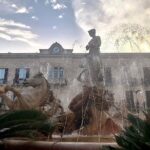
The last major sight stop is Fonte Aretusa, the fresh-water spring close to the sea. This is where the tour shifts from stone monuments to living details—and that matters, because it changes the pace from “look up and read history” to “pause and absorb.”
You’ll get a story tied to Greek legend and also learn about the papyrus—not just as a plant, but as an Egyptian plant introduced by the Greeks. That little specificity is a big win. It turns what could be a quick scenic stop into a meaningful explanation of how Greek influence didn’t only affect temples and politics; it also shaped the local environment.
This stop is also listed at about 10 minutes and admission is free, which keeps it from feeling like a time-tax. If you’re doing this tour as a first taste of Ortigia, Fonte Aretusa is a strong closing beat because it gives you something memorable and personal—sea salt air, spring calm, and a legend you can carry with you to dinner.
Food Tastings That Actually Teach You How Siracusa Eats
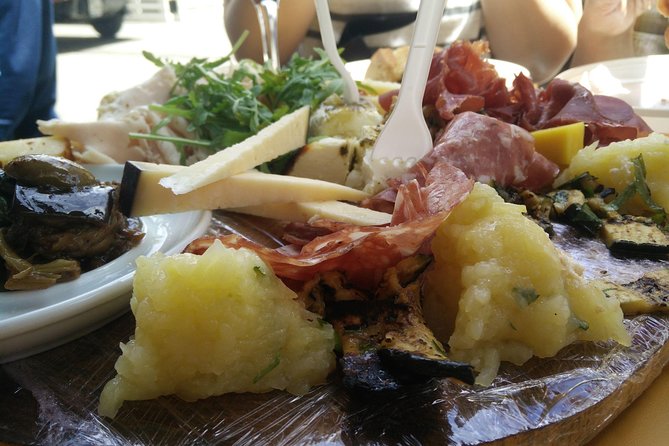
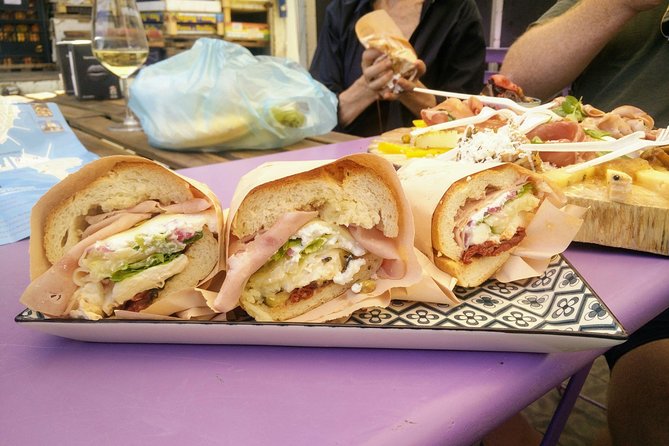
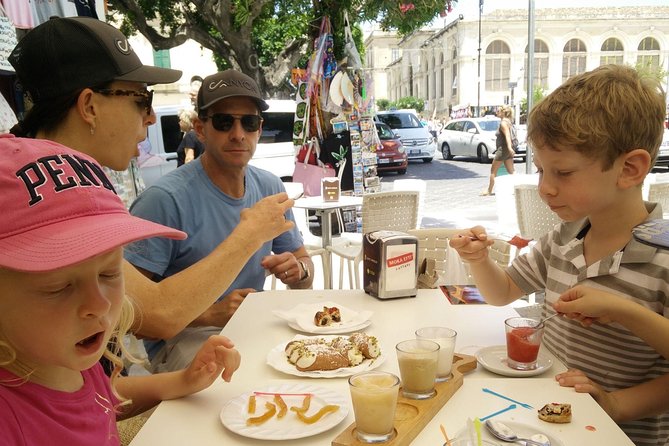
The food part is the reason you book a tour like this in the first place. You’re not just collecting bites; you’re collecting context. The tour includes snacks and soda/pop, and the guide uses stops in local shops and eateries to explain why certain flavors show up again and again in Syracuse.
From the reviews, the tasting style tends to move through a few recognizable lanes:
- Sweet-and-savory café tastings, including pastries and lemoncello
- Market stalls that focus on nuts, cured items, and local specialties
- Street-food and dessert-style stops, especially when weather forces a change
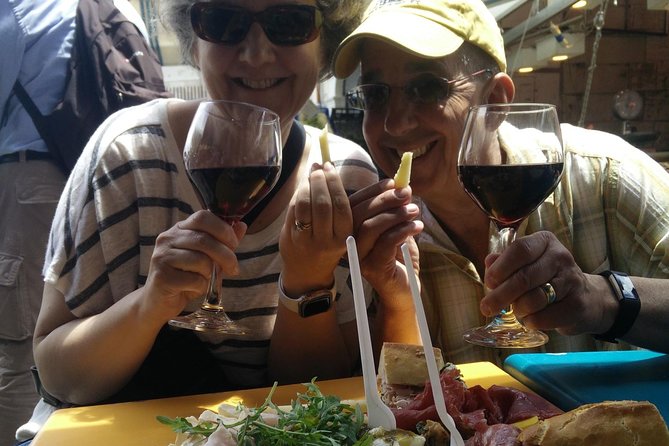
One review mentions a route that included a nuts-and-stall stop with meat olives and dried quince marmalade. Another highlights charcuterie. I like this structure because it reflects real Sicilian eating: you graze, you compare flavors, and you keep your palate awake for the next surprise.
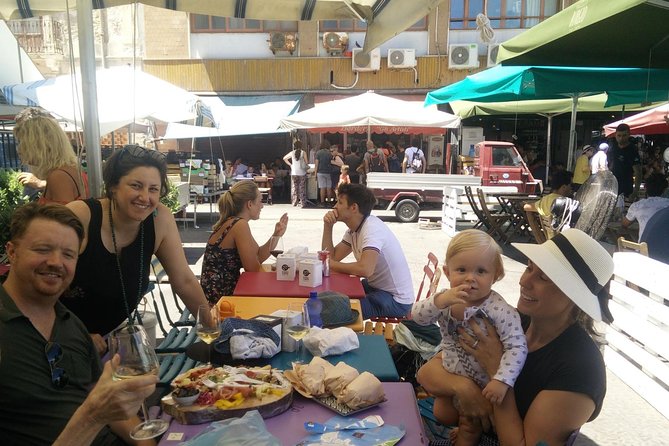
Also pay attention to how Letizia uses questions. Multiple reviews note she answers history and food questions and can point you toward what to order next. One review even mentions she booked a reservation for a restaurant the guests planned to eat at later. That’s not guaranteed info for your day, but it hints at how she operates—helpful, practical, and tuned to what you’ll do after the tour.



A note on heat and comfort
If you travel in summer, build comfort into your plan. One review strongly suggests bringing sun protection (hat, hand fans) and wearing comfortable sandals or shoes because most of the tour is on foot. Even if you’re not traveling in the peak heat, good shoes make it easier to enjoy the sights instead of thinking about sore feet.
Price and Value: Does $150.18 Pay Off?
At $150.18 per person for about 3 hours, this isn’t the cheapest way to spend a morning in Sicily. But it can be good value if you care about three things at once: history context, high-quality local food, and a guide who makes it easy.
Here’s where the value comes from:
- You’re getting both food and culture. The itinerary isn’t only a walking route with bland “here’s a snack.” It’s designed to tie each sight to how people live and eat now.
- Snacks plus soda/pop are included, which usually means less decision fatigue and less separate spending during the tour.
- Private group format means you’re not sharing explanations with a big crowd. That matters when you want answers, especially for families.
The main value tradeoff is time. Three hours is perfect for a first taste of Ortigia, but it’s not enough to fully roam every street or linger at museums. If you want long browsing time, consider pairing the tour with free time before or after. The tour ending point is different from the meeting point, so you may also want to plan where you’ll go next.
Weather and the Real-Life Tour Rhythm
This tour requires good weather. That’s normal for outdoor walking. The useful part is knowing how the experience handles disruptions.
One review describes a torrential rain storm about 45 minutes in, turning the plan sideways. The guide responded with humor and speed—getting the group into a small pastry shop and shifting to street-food style purchases while explaining Sicily life during the break. You might still end up not seeing every planned element if weather is extreme, but the “pivot” idea is there: tastings and explanations can keep flowing even when the streets get slippery.
So pack like you’re in Sicily, not in a climate-controlled museum. If rain threatens, bring a small layer you can pull on fast, and keep a flexible mindset. A tour like this works best when you go with the flow.
Who This Tour Fits Best (and Who Might Want a Different Option)
This is a great fit if you want a guided mix of Ortigia walking + food tasting and you like explanations that connect the dots. It’s also a strong pick for families, since reviews mention Letizia adjusting attention to a toddler without turning the outing into chaos.
It also works well as a first-day tour. If you want good orientation and eating ideas for the rest of your stay, this gives you a foundation—what neighborhoods mean, what flavors to look for, and how local products show up in daily life.
You might consider a different option if:
- You only want major monuments with long time inside, because some stops are short and Duomo entry isn’t included.
- You prefer unguided food wandering. A guided tasting is structured, not freeform.
- You’re traveling in conditions that make walking uncomfortable, since the tour is weather-dependent.
Should You Book the Food and Culture Tour of Ortigia?
I think it’s a solid booking when you want more than a snack run. The best reason to go is the combination: Greek-era sights in Ortigia paired with tastings that come with explanations, led by Letizia, whose guests repeatedly mention both her food expertise and her easy, attentive pace.
Book it if you want to learn while you graze—Apollo to cathedral-zone architecture to Fonte Aretusa, then classic Sicilian bites along the way. If you’re picky about entrance tickets, budget extra for the Duomo if you decide you want inside access. And if you travel in hot sun, wear comfortable shoes and protect yourself from heat.
FAQ
How long is the Food and Culture Tour of Ortigia?
It lasts about 3 hours.
Is the tour in English?
Yes, the tour is offered in English.
What’s included in the price?
The tour includes snacks (food tasting), soda/pop, and a local guide.
Are entrance tickets included for the Duomo?
No. Entrance ticket to the Duomo is not included.
Where does the tour start?
The meeting point is Val SanLargo XXV Luglio, 12, 96100 Siracusa SR, Italy, with a 10:30 am start time.
What happens if the weather is bad?
This experience requires good weather. If it’s canceled due to poor weather, you’ll be offered a different date or a full refund.