REVIEW · SICILY
ETNA – Trekking to the Craters Eruption of 2002
Book on Viator →Operated by Gruppo Guide Etna Nord · Bookable on Viator
You can feel the 2002 eruption up close. This Etna trek takes you along the eruptive fracture and out to crater areas with a guide who connects what you see—lava, woods, and side craters—with real volcanic action.
What I like most is the included admission ticket plus the trekking telescopic poles, so you’re not scrambling for gear.
The second thing I really appreciate is the human scale: a small group means more attention on pace and footing on uneven ground. My only real consideration is simple: water and snacks are not included, so plan to carry what you’ll need.
In This Review
- Key things to know before you hike Etna’s 2002 craters
- Where the walk starts: Piano Provenzana on Etna Nord
- The heart of the experience: tracing Etna’s 2002 eruptive fracture
- Side craters: a bottoniera and why it matters
- What a good guide changes on an Etna trek
- Duration and pace: what 2–3 hours really feels like
- Included vs. bring-your-own: the practical checklist
- How to dress and prepare for Etna’s crater air
- Value for the price: why this one feels like a bargain
- Who this trek is best for (and who should skip it)
- Tips to get the most from your day on Etna
- Should you book this Etna 2002 crater trek?
- FAQ
- Where does the Etna trek start?
- What time does the tour begin?
- How long is the experience?
- Is the admission ticket included?
- What language is the tour offered in?
- Are telescopic poles provided?
- Is bottled water, coffee, or snacks provided?
- Are service animals allowed?
- What if the weather is bad?
- Is there a limit on group size?
Key things to know before you hike Etna’s 2002 craters
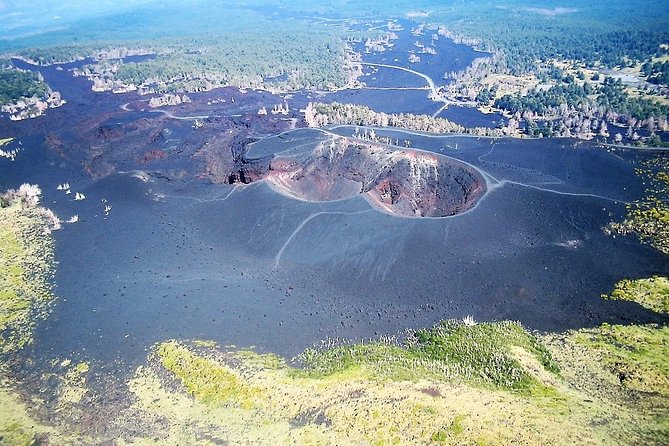
- You trek the 2002 eruptive fracture, not just a distant viewpoint
- Lava field to forest mix (beech and laricius pine woods) makes the walk more interesting
- Side craters include a bottoniera, so you’re not limited to one single feature
- Telescopic poles are included, a smart help on broken terrain
- Group size is capped at 12, which usually means a steadier, safer pace
- Good weather matters, and the experience may shift if conditions are poor
Where the walk starts: Piano Provenzana on Etna Nord
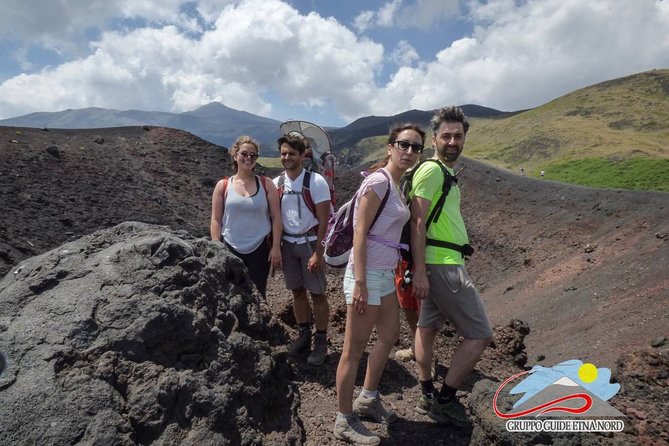
This experience begins at Piano Provenzana – Etna nord, on via Provenzana, 95015 Linguaglossa (CT), Italy, with a 10:00 am start. The whole point of choosing this area is that you get access to the volcanic terrain without turning your day into a long, complicated logistics puzzle.
The trek runs about 2 to 3 hours. That time window is ideal if you’re using Etna as a half-day highlight. You’ll have enough time to feel like you actually hiked, not just stood around, but you won’t be tied up all day.
You’ll also see quickly that the day is shaped by conditions. Etna can get windy and change fast, and your guide’s route choices will be influenced by what the air feels like near the crater areas. That’s not a downside; it’s part of why an active volcano hike is different from a museum visit.
You can also read our reviews of more tours and experiences in Sicily.
The heart of the experience: tracing Etna’s 2002 eruptive fracture
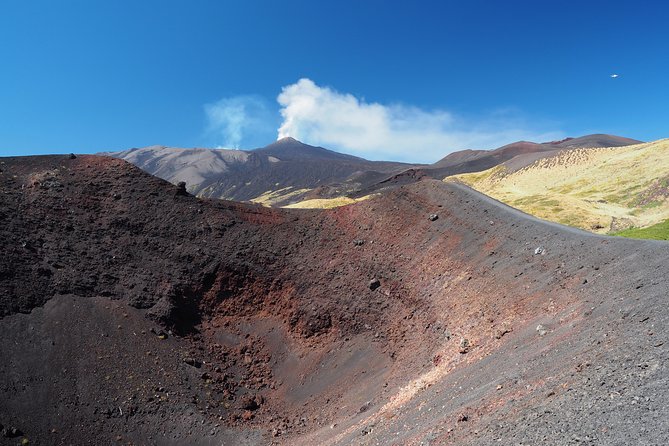
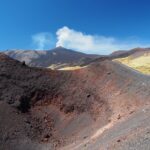
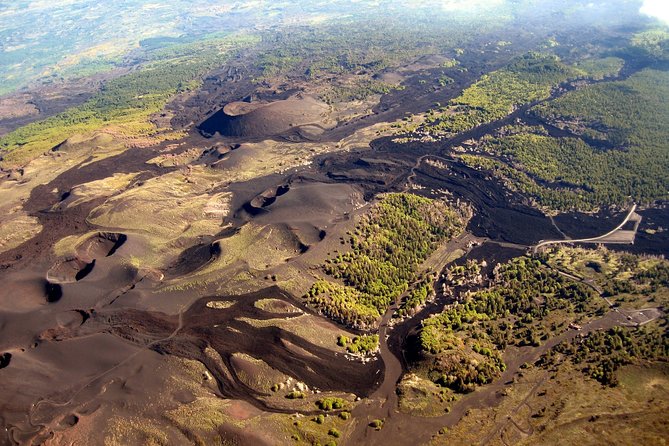
The main activity is trekking along the 2002 eruptive fracture. This is the kind of trail that doesn’t feel like generic “nature walking.” You’re moving through the after-effects of an eruption line, with lava fields underfoot and a clear sense that the terrain has been rewritten.
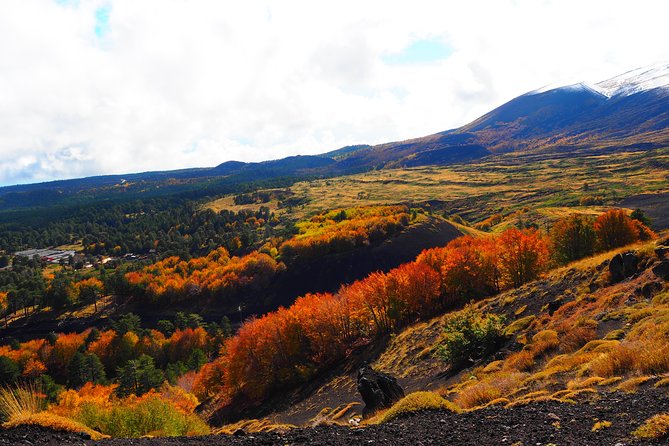
Along the way, you’ll pass through beech and laricius pine woods, then back toward more volcanic ground. That mix does two useful things for you:
- It gives your eyes a break between harsher lava textures and calmer forest greens.
- It changes your footing, so you naturally shift from steady walking to careful steps.
Your guide helps you connect those moments with what matters scientifically and visually. The guides linked to this trek are the kind who talk about volcanic activity with passion, including how the chemistry of a volcano connects to what you’re seeing around craters. It’s the difference between hearing about Etna and actually reading it.
Side craters: a bottoniera and why it matters
One highlight on the route is reaching side craters, including one called a bottoniera. Side craters are often where the story gets more detailed. Instead of focusing on only the biggest point, you get a fuller view of how eruption fractures can branch and create multiple features.
And when you’re close enough, the craters feel less like a word on a sign and more like a physical presence. The sounds can be intense, too—part of what people remember is not just the view, but the way the crater area feels and carries noise.
What a good guide changes on an Etna trek
On a hike like this, the guide isn’t just extra commentary. They’re the difference between a stressful scramble and a walk you can actually enjoy.
This is also where you’ll notice the value of having language support. The tour is offered in English, and some of the guides associated with this hike have shown they can switch comfortably between languages (including French and Italian, depending on the guide). That helps if you’re traveling with someone who understands more than one language.
You’ll likely get:
- Frequent stops for explanations (not just one big lecture at the end)
- Pace control so everyone can keep moving without turning it into a race
- Safety-minded guidance on uneven sections
Names that come up again and again include guides such as Fabio, Sylvia, Giuseppe, and Marco. You can take that as a sign that this trek has an established guide team with real enthusiasm for Etna—not only the scenery, but the science and the local details.
Duration and pace: what 2–3 hours really feels like
The trek is listed at 2 to 3 hours. In practice, that usually means a couple of “active walking” segments plus time to stop—listen, look, take photos, and catch your breath.
You’ll want to think of it as a moderate hike with volcanic terrain. It’s not marketed as a technical climb, and the experience is described as suitable for most people. Still, lava ground can be uneven, and wind near crater areas can make you feel more exposed than you’d expect.
One thing I’d plan for is that your guide will manage the route based on conditions. If visibility or wind/sulfur conditions aren’t ideal in one crater area, the guide’s job is to keep you experiencing the best possible version of the day.


Included vs. bring-your-own: the practical checklist
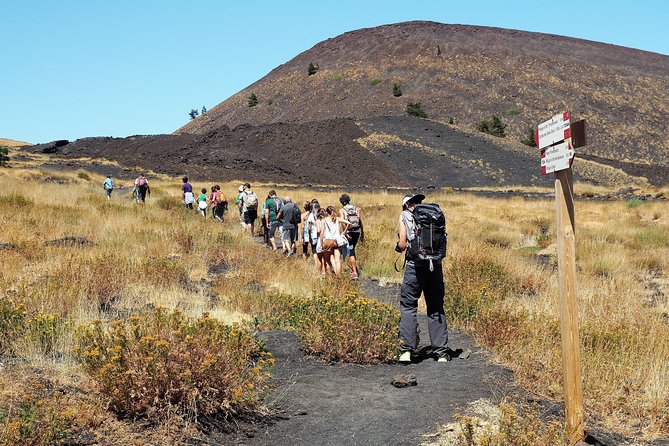
This trek includes telescopic poles. That’s a big deal on lava terrain. Poles give you stability and confidence, especially when you’re stepping on irregular rock.
What’s not included is equally important: bottled water, coffee and/or tea, and snacks. So yes, you should bring what you need to stay comfortable for your time on Etna.
Here’s what I’d do before you go:
- Bring enough water for the full hike window, plus a little extra (you’ll burn energy even when it doesn’t feel like a “hard workout”)
- Pack a small snack if you tend to get hungry on hikes
- Bring sun protection and wind protection, since crater areas can be exposed
A few guides in this area may also offer loan items like hiking shoes, windbreakers, and sticks at no extra charge. I can’t guarantee every departure has the same loan setup, so don’t rely on it as your only plan—but it’s good to know that the team often thinks about practical comfort.
How to dress and prepare for Etna’s crater air
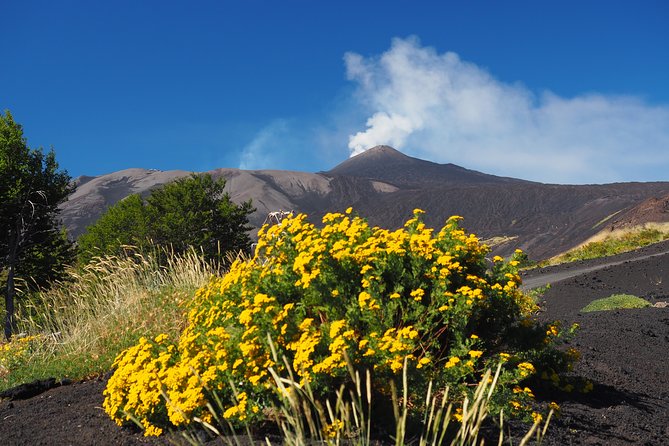
The terrain tells part of the story, but the air tells the rest. Near craters, you may experience strong volcanic smells and shifting wind. That’s not the kind of thing you can “fix,” but you can handle it by preparing like you would for a windy overlook hike—layers, a wind layer, and a plan to keep moving when visibility shifts.
Good footwear matters. Even if your pace is manageable, lava ground and side craters can be awkward underfoot. Closed shoes with solid grip are the safe move.
Also consider the camera and phone factor. If you’re chasing photos, it helps to have a jacket pocket for your gear and gloves or a secure way to handle small items when it’s cool or windy near crater zones.
Value for the price: why this one feels like a bargain
The price is $36.14 per person, and it includes an admission ticket and telescopic poles. For an Etna experience that gets you into crater-area trekking time, that’s strong value.
A lot of “volcano experiences” end up being mostly a viewpoint with a short walk. This one is built around walking the 2002 eruptive fracture, which means you’re paying for time on the volcano itself, not just time near a fence.
The small group size helps the value too. With a cap of 12 travelers, you’re less likely to feel like a number in a long line. You’ll also typically get better attention on pacing and safe movement.
If you’re using Etna as a must-do day, this tour makes sense when you want a guided experience without turning your entire schedule into a full-day expedition.
Who this trek is best for (and who should skip it)
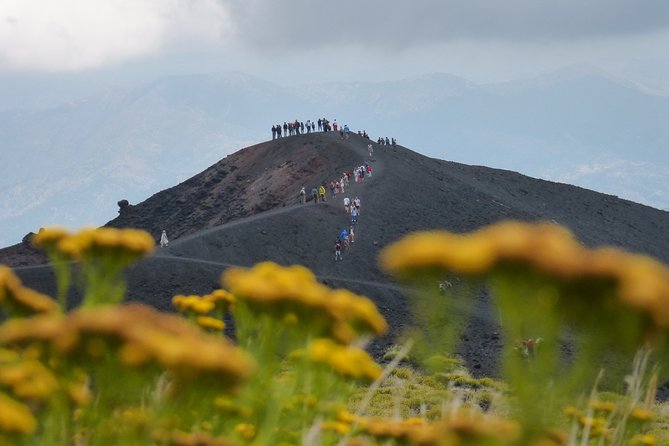
This hike suits you if:
- You want a guided, active Etna experience rather than a short scenic stop
- You like geology and want a guide who talks about volcanic activity in a way that connects to what you see
- You prefer small-group hiking with manageable time commitments
It may not be your best match if:
- You hate hikes on uneven ground or you need a very flat, easy path
- You don’t want to handle basic hiking comfort items on your own (since water and snacks aren’t included)
It’s also a good fit for people traveling with teens who like to hike. The route is described as doable for most participants, and the experience is paced in a way that aims to keep the whole group together.
Tips to get the most from your day on Etna
You’ll enjoy this trek more if you go in with the right mindset. Etna isn’t a theme park. It’s a living volcano, and the “best” version of the day depends on air conditions and wind.
Here are a few practical moves:
- Arrive ready to move fast enough that you don’t freeze or overheat waiting around
- Bring your own water and a small snack so you’re not thinking about food halfway through
- Listen for what your guide is connecting: lava textures, crater features, and how the eruption created the fracture line you’re walking
- Take photos, but don’t forget to look with your own eyes first—craters can look different from every angle
If you’re sensitive to smells, it helps to keep moving and let your guide guide how long you stay close to crater zones.
Should you book this Etna 2002 crater trek?
Book it if you want a real walk on the volcano and you like guided explanations that make the terrain easier to understand. The combination of included poles, included admission, and a small group is a strong match for people who want value and a more personal experience.
Skip it if you need a very easy, comfortable stroll and you’re not willing to bring basic hiking essentials like water and snacks. Also, if your schedule is totally rigid and you can’t handle a weather-dependent plan, keep some flexibility.
If your goal is to experience Etna’s 2002 eruption features up close—lava, side craters like a bottoniera, and crater-area views—this trek is one of the more satisfying ways to do it in a half-day window.
FAQ
Where does the Etna trek start?
The trek starts at Piano Provenzana – Etna nord, located on via Provenzana, 95015 Linguaglossa (CT), Italy.
What time does the tour begin?
The start time is 10:00 am.
How long is the experience?
Plan on about 2 to 3 hours.
Is the admission ticket included?
Yes. Admission Ticket Included is part of the experience.
What language is the tour offered in?
The tour is offered in English.
Are telescopic poles provided?
Yes. Telescopic poles are included.
Is bottled water, coffee, or snacks provided?
No. Bottled water and coffee and/or tea and snacks are not included.
Are service animals allowed?
Yes. Service animals allowed is listed for this activity.
What if the weather is bad?
This experience requires good weather. If it’s canceled due to poor weather, you’ll be offered a different date or a full refund.
Is there a limit on group size?
Yes. The group size has a maximum of 12 people.