REVIEW · CRETE
Cook with Locals | Cretan cooking Class at Archanes Village
Book on Viator →Operated by LocalTrips4U "Experience True Crete" · Bookable on Viator
Sea-sound cooking in Ano Archanes keeps you smiling. This Cretan cooking class is built around hands-on prep, plus a local grocery stop where you pick ingredients that actually show up in Cretan kitchens.
What I like most: you get step-by-step teaching from hosts such as Maria, Natasha, and Aggeliki, and you end up eating a meal that’s generous, repeatable at home, and clearly tied to the island’s flavors (olive oil, herbs, vegetables, and meats). The one thing to consider is that the pace can feel a bit stop-and-start between dishes, and on some menus you may not cook every item yourself even if it’s served at lunch.
In This Review
- Key things I’d watch for
- Cretan cooking in Ano Archanes: the setting and the vibe
- Your ingredient hunt in Archana: where flavor starts
- Inside the open kitchen: hands-on stations and real teaching
- Dishes you’ll make (and why menus can vary)
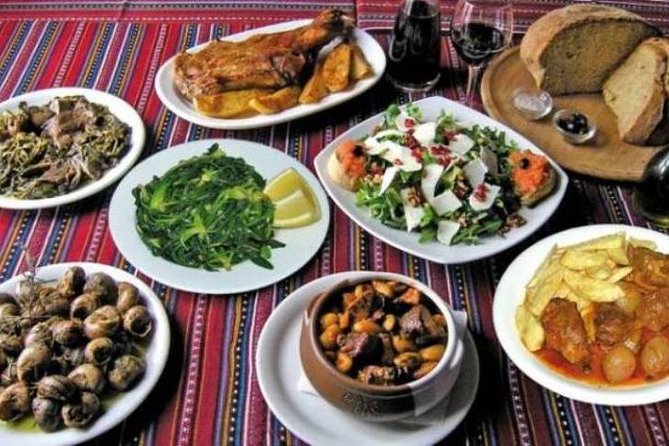
- What you actually eat: a meal built from Cretan ingredients
- Hosts and teaching styles: Maria, Natasha, and Aggeliki
- Timing and logistics: 3.5 hours that move at a human pace
- Price and value: is about $82 worth it?
- Who this class is for (and who might feel underwhelmed)
- Should you book this Cretan cooking class in Archanes?
- FAQ
- FAQ
- How long is the Cretan cooking class in Ano Archanes?
- Where does the class start?
- Is pickup offered?
- What is the maximum group size?
- What types of dishes will I learn?
- Is the class friendly for vegetarians or vegans?
- Do I get recipe instructions?
- Does the class depend on weather?
- What is the cancellation window?
- Will I need to print anything?
Key things I’d watch for
- Small group feel (max 12): easier questions, more time at your station.
- Ingredient shopping with your teacher: you learn what matters before you start cooking.
- Hosts who teach in plain steps: Maria, Natasha, Aggeliki, and others are praised for clear instruction.
- Cretan classics in one session: expect tzatziki and dishes like gemista-style fillings; menus can vary.
- A meal that doesn’t go light: you’ll usually leave full, with extra food sometimes hard to finish.
- Expect some downtime: multiple reviews note waiting between courses or dishes.
Cretan cooking in Ano Archanes: the setting and the vibe
This is a Cretan cooking class based in Ano Archanes, a village area where the rhythm feels slower than the big-city pace. The studio setup includes an open kitchen with individual processing and cooking areas, which matters because it keeps things practical: you’re not just watching from the sidelines. You’re chopping, mixing, and cooking in your own space.
One detail that really sticks with me from the reports is the atmosphere. Some sessions happen in a home or patio setting with views toward the sea, where you can hear the ocean while you work. Even when you don’t get the full ocean soundtrack, you still get the same point: this is meant to feel like cooking with locals, not “tour cooking” in a sterile room.
You can also read our reviews of more tours and experiences in Crete.


Your ingredient hunt in Archana: where flavor starts
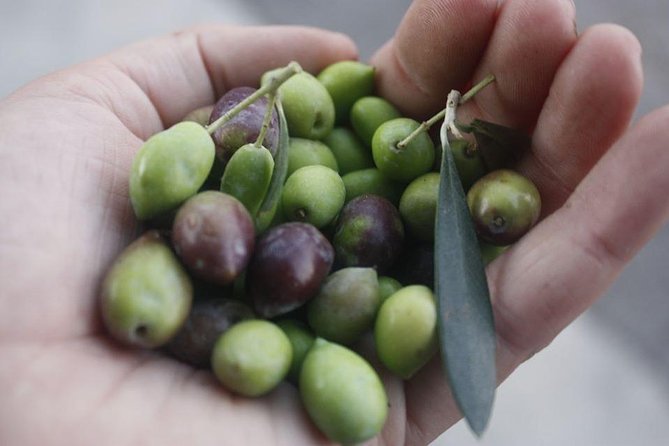
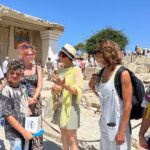
A standout part of the experience is the short walk through the streets of Archana, followed by a stop at a local grocery store. This is where the class becomes more than recipes.
Here’s what you’re learning in real time:
- which produce Cretans actually buy and use
- how olive oil and herbs show up in everyday cooking
- how to choose ingredients for dishes like tzatziki, stuffed vegetables, and tomato-based sides
When the teacher guides you, you’re not just selecting food. You’re picking up the small logic behind Cretan cooking. That’s the stuff you’ll still be using when you’re back home, trying to recreate flavors with what you can find locally.
Inside the open kitchen: hands-on stations and real teaching
In the kitchen, you’ll work at your own area while the host runs the class. Multiple hosts are praised for being patient and explaining each step clearly, like Maria, Natasha, Angelina, and Aggeliki. That teaching style matters because Cretan dishes often rely on technique and timing more than fancy equipment.
You can expect the class to move in stages:
- a quick introduction to the dish you’re making
- chopping and prep at your station
- cooking with the teacher guiding you through heat, mixing, and assembly
- tasting and adjustments as you go
One practical advantage of this format is that you’re not stuck waiting for one person to finish. Even with downtime between courses (more on that soon), the station setup keeps you engaged.
Dishes you’ll make (and why menus can vary)
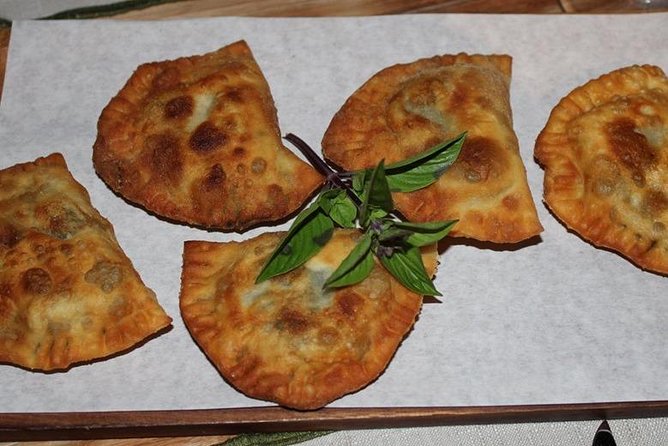
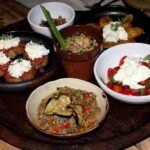
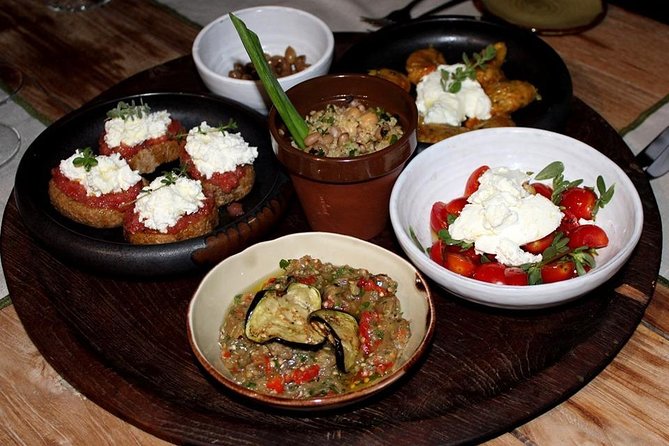
The course centers on classic Cretan flavors. The most consistently referenced dishes include Tzatziki (often a hands-on highlight) and Cretan staples such as Dakos and Gemista. Reviews also mention hands-on preparations like stuffed peppers and tomatoes, zucchini fritters, and desserts such as orange cake.
A few important notes so you don’t feel surprised:
- You may cook three dishes but still eat a lunch that includes additional items prepared for you (including dessert).
- In at least one case, a Greek salad wasn’t fully part of the guest-cooking portion; guests were told they could make their own salad, tied to a policy about not sharing raw food.
That doesn’t make the meal “bad” or “smaller.” It just means the focus is on learning a manageable set of skills in one 3.5-hour block.
What you actually eat: a meal built from Cretan ingredients
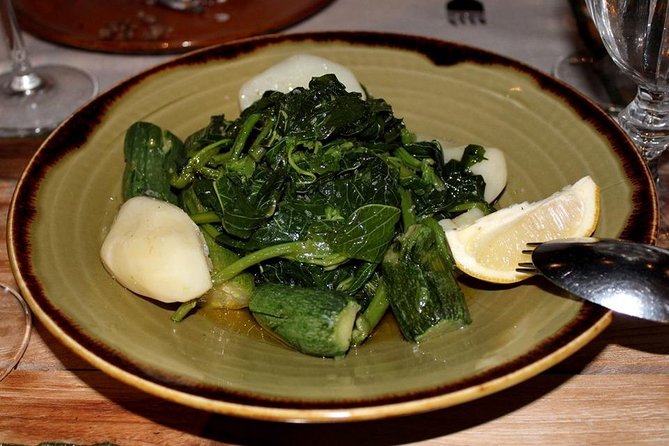
This class is designed so you finish by eating what you made, together with the group. Several reviews highlight the way the food arrives as a real lunch plate, not tiny samples. People describe leaving full, with extra food sometimes hard to finish.
You might also get small “pairing” touches. Wine and raki show up in reviews, and hosts sometimes build in short breaks where you can enjoy a drink and take in the surroundings before moving to the next dish.
Food you eat tends to follow Cretan logic:
- dairy-based sauces and cooling bites like tzatziki
- vegetable-forward cooking (stuffed vegetables, zucchini dishes, fritters)
- tomato-forward elements that feel deeply local
- olive oil flavors that show up early and often
And one of the best value points is that the recipes are described as repeatable. People mention re-making tzatziki later at home, which tells me the class isn’t only about the day—it’s about leaving with techniques, not just memories.




Hosts and teaching styles: Maria, Natasha, and Aggeliki
The human side is a big reason this class earns strong ratings. Hosts like Maria and Aggeliki are repeatedly described as enthusiastic and helpful, with clear guidance and a relaxed pace. Natasha is noted for kindness and patience, especially for people who are nervous about cooking.
What you should watch for when you arrive:
- whether your host is pacing the class with short, clear steps
- if you get chances for questions while you’re cooking
- how the host manages breaks (some classes deliberately slow down between dishes, which some people love and others find too long)
If you’re the type of traveler who likes a calm workshop atmosphere, you’ll probably appreciate the way instruction and conversation blend together. If you’re the type who hates waiting, you’ll want to go in knowing there can be downtime between courses.
Timing and logistics: 3.5 hours that move at a human pace
The experience runs about 3 hours 30 minutes. That’s long enough to learn real technique and still eat a full lunch without rushing through it.
Pickup is offered, and in reviews drivers are described as punctual and knowledgeable. That matters because Ano Archanes isn’t always on the exact doorstep of where you’re staying. A smooth pickup makes the class feel like a day-plan win instead of a transportation puzzle.
One more practical point: the activity requires good weather. If weather turns bad, you’ll be offered a different date or a full refund. Plan your schedule with that in mind, especially if you’re on a tight itinerary.
Price and value: is about $82 worth it?
At $81.98 per person, this sits in the mid-range for a hands-on food class in Crete. I’d judge value by what you’re getting, and you are getting several “value multipliers”:
- Small group size (max 12), which means more attention and a real chance to cook.
- A market/grocery ingredient stop, so you’re learning how ingredients are chosen, not only how dishes are assembled.
- A full lunch meal made from what you cook, described as plentiful.
- Repeatable recipe guidance, with at least one situation where recipes are provided by email rather than printed on paper.
The only value “watch-out” is that menus can be structured so you don’t personally cook every item that lands on the table. If you specifically want to stand at the stove the whole time, ask questions when you book (or confirm the menu style). If you’re happy to learn a core set of dishes well, this is a strong deal.
Who this class is for (and who might feel underwhelmed)
This is a great fit if you:
- want Cretan cooking beyond the usual tourist highlights
- like hands-on workshops where you can actually taste while you cook
- care about local ingredients like olive oil, herbs, and produce choices
- enjoy a social lunch setting with a small group
Vegetarian and vegan-friendly preferences are mentioned positively, with one review calling it perfect for a vegan. If you eat plant-based, this may be a better match than some meat-heavy cooking formats.
It might not be the best fit if you:
- hate waiting between courses (some reviews mention too much downtime)
- expected to cook a longer list of dishes hands-on in the same time window
Should you book this Cretan cooking class in Archanes?
I’d book it if you want a true Cretan-style cooking experience with a small group, a local ingredient hunt, and the chance to learn classic dishes you’ll actually use later. The standout strengths are the teaching quality (Maria, Natasha, Aggeliki and others get named for a reason) and the fact that you leave with both food and skills.
I’d pause and read the menu details carefully if you’re the sort of foodie who measures a class by how many separate dishes you personally cook. Some versions of the lunch include items that are prepared for you, even if the main learning dishes are hands-on.
FAQ
FAQ
How long is the Cretan cooking class in Ano Archanes?
It runs about 3 hours 30 minutes.
Where does the class start?
The meeting point is Traditional Cooking Classes, Leof. Kapetanaki 46, Ano Archanes 701 00, Greece.
Is pickup offered?
Yes, pickup is offered.
What is the maximum group size?
The class has a maximum of 12 travelers.
What types of dishes will I learn?
The class focuses on traditional Cretan dishes such as Dakos, Gemista, and Tzatziki, and menus may also include items like stuffed peppers and tomatoes, zucchini fritters, and orange cake.
Is the class friendly for vegetarians or vegans?
Yes. There’s a warm welcome for vegetarians, and it’s described as perfect for a vegan in at least one review.
Do I get recipe instructions?
Recipes are sent via email in at least one described case.
Does the class depend on weather?
Yes. The experience requires good weather. If it’s canceled due to poor weather, you’ll be offered a different date or a full refund.
What is the cancellation window?
You can cancel up to 24 hours in advance for a full refund.
Will I need to print anything?
No. The tour uses a mobile ticket, and confirmation is received at booking.