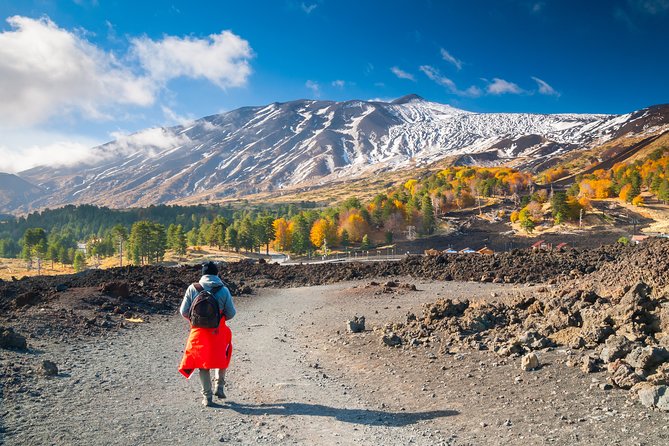
Etna gets educational, not intimidating. This easy north-slope hike brings you through the Sartorius craters area, down old lava flows, and into a real lava tunnel—plus big views across the Ionian coast. I especially like how it turns geology into something you can feel under your boots. You’ll walk about 3 hours with only ~100m of elevation gain, so it works even if you’re traveling with kids.
What I liked most: you get guided, expert talk from volcanologists, and the route is built around understanding how lava moves through time—not just sightseeing. The small-group feel also helps. In reviews, guides like Antonio and Steve came up again and again for clear explanations and a safety-first approach that still feels friendly, even for young hikers.
One thing to consider: this is an early-morning, weather-dependent outing. You’ll want to show up ready for cool air and possible drizzle, and you should be comfortable with a couple of slightly steeper climbs along the way—even if the overall hike stays “easy.”
In This Review
- Key things to know before you go
- Rifugio Citelli at 8:00: how the morning sets the tone
- The “easy” north-slope hike: what your legs should expect
- Sartorius craters and birch forest: geology you can walk through
- Lava flows and time travel: the 1865 eruption route
- Into the 50-meter Etna lava tunnel: helmet and torch included
- The north-slope viewpoint: Etna plus the Ionian Sea
- Equipment and timing: what you get, and what you should pack
- Why the guides like Antonio make the experience work
- Price and value: why $142ish can feel fair here
- Who should book this north Etna hike
- Should you book this Easy North Etna Hike?
- FAQ
- Where is the meeting point for the Easy North Etna Hike?
- What time does the tour start?
- How long does the hike last?
- Is the hike really easy for children and non-athletes?
- What equipment is included?
- Are meals included?
- What can I expect to see?
Key things to know before you go
Small-group Etna hike with caps listed at up to 12 people, so questions and pacing are more realistic.
Easy walking profile: about 3 hours on trail, with roughly 100m elevation gain (+/-).
Sartorius craters + multiple lava ages: you’re not just looking at Etna’s top; you’re tracing how it changes.
50-meter lava tunnel experience: helmets and a torch are included for a guided walk through cooled lava.
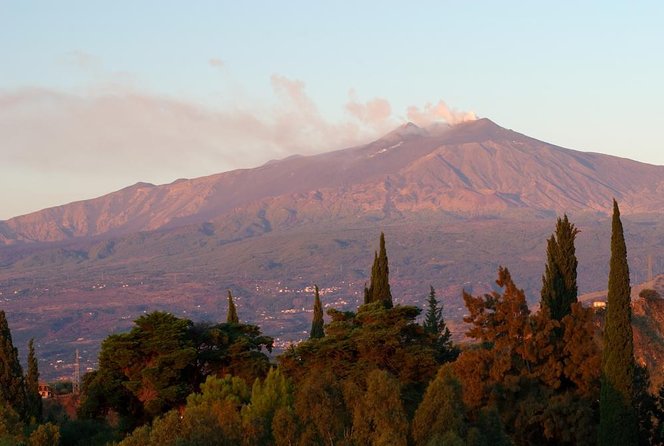
Big panoramas from the north side: Etna plus views toward the Ionian Sea, coast from Riposto to Naxos, and toward Calabria.
Rifugio Citelli at 8:00: how the morning sets the tone
This tour starts early, at 8:00am, at Rifugio Citelli, Via Mareneve, 95010 Sant’Alfio CT. The timing matters. Etna feels more dramatic and less crowded earlier in the day, and you’re hiking when the light is usually kinder for long views.
You’ll use a mobile ticket, which keeps things simple. The excursion runs about 5 hours total, but the walking time is closer to the ~3-hour hike on trail. That mix is ideal if you want an Etna experience without losing your whole day to transport and waiting around.
You can also read our reviews of more tours and experiences in Sicily.

The “easy” north-slope hike: what your legs should expect
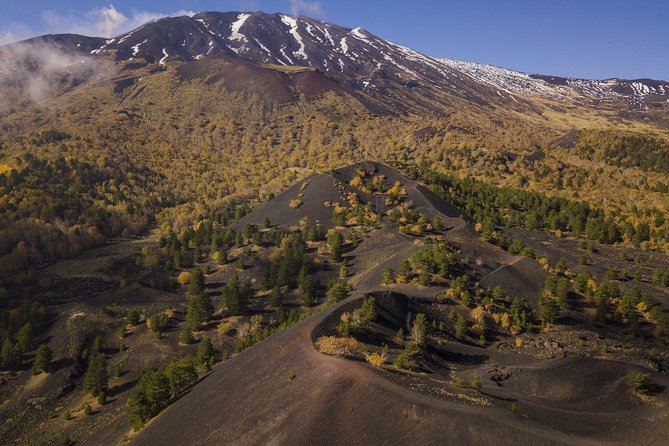
Easy here doesn’t mean zero effort. You’re on a real volcanic trail, in a protected Etna Park area, and you’ll be walking through ash, rock, and lava terrain.
The good news: the hike is designed for non-athletes and for families. Trail or hiking shoes are enough for most people, and the route stays manageable. Included support items like walking sticks help a lot on uneven ground.
In practice, expect:
- A few short steeper sections (nothing extreme, but not flat either)
- Steady walking that keeps you moving through crater terrain and lava flows
- A pace that fits mixed groups, including kids
If you’re bringing children, this is one of the smarter ways to do Etna. In the reviews, families with teenagers and kids as young as 8 talked about guides who adjusted explanations to the age in front of them, which keeps everyone engaged instead of just enduring a hike.
Sartorius craters and birch forest: geology you can walk through
The real “story” of this route happens on Etna’s northern slope, around the Sartorius craters. The itinerary is built for a big idea: lava doesn’t just appear—it forms, advances, and leaves a sequence of landforms you can trace.
You’ll hike toward and through a set of 8 craters, following a path that includes:
- Crater areas that show Etna’s past activity
- Lava flows from the 1865 eruption (one of the key teaching moments)
- Sections on the north slope where you can find Etna’s birch forest
That birch forest piece is more than pretty scenery. It helps you understand that Etna isn’t only heat and rock. Elevation, exposure, and time shape what grows where. Walking through it makes the “volcano system” feel less abstract.
And because this is an educational hike with a specialist guide, you’re not just counting viewpoints. You’re learning what lava is, how it spreads, and why the terrain changes from one eruption era to another.
Lava flows and time travel: the 1865 eruption route
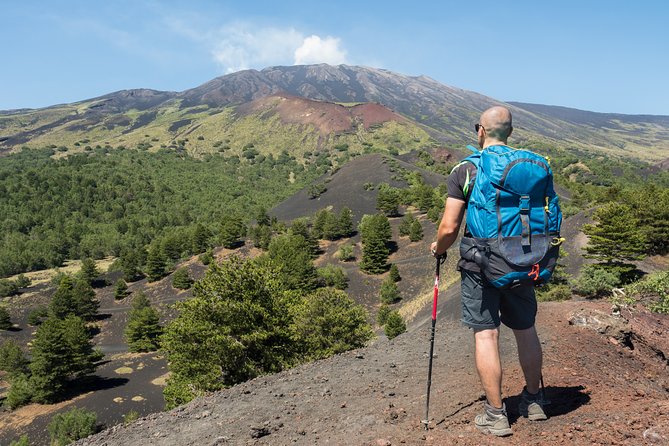
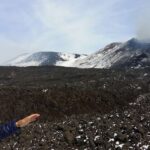
A big highlight is the plan to walk on 1865 eruption lava flows to understand how lava produces and advances. This is the kind of stop that clicks for first-time Etna visitors.
Here’s why it works: when you walk over older and newer rock, you’re not only seeing shapes—you’re seeing consequences. The guide can point out how lava behavior changes over time, and how later flows can cover or reshape older ground.
In reviews, guides like Antonio were praised for explaining the scientific aspects without making it feel like a classroom. That balance matters if you’re traveling with kids, or if your group includes people who normally tune out lectures.
Into the 50-meter Etna lava tunnel: helmet and torch included
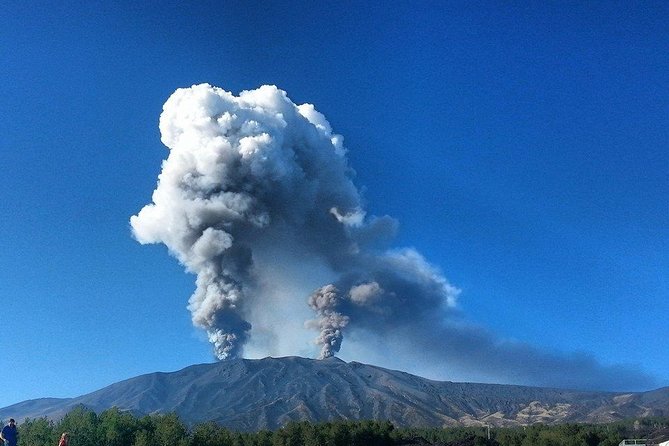
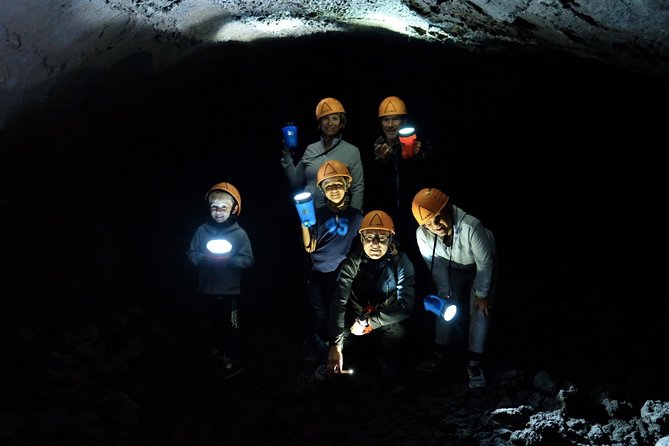
Then comes one of the most fun parts: a visit to a lava tunnel about 50 meters long.
You’ll be equipped for it with a helmet and torch, and the guide keeps it structured so you can enjoy it without stressing about safety or visibility. This is one of those experiences where the gear is not a gimmick. It’s practical.
Why a lava tunnel is so memorable:
- You see how lava can drain and leave a hollow tube behind
- The space changes your sense of scale and time
- It adds a “wow” factor without requiring a technical climb
This is also a good reminder that Etna is active and alive, but you’re experiencing it through the evidence it leaves behind—rock features that formed in earlier events.
One small practical tip: treat the tunnel visit as part of the hike. Even if it’s short, you’ll want steady footing, and you’ll likely walk a bit more carefully in the darker section.



The north-slope viewpoint: Etna plus the Ionian Sea
You don’t come to Etna only to walk on rocks. The payoff is the view. From the north side, the excursion is designed to give you panorama time over Etna and toward the Ionian Sea, including the coast from Riposto to Naxos and toward Calabria.
Even with an easy route, this matters. Long views can be the difference between a good hike and a “we’ll remember this for years” hike. In multiple accounts, people highlighted how breathtaking the scenery felt, even when weather didn’t cooperate perfectly at first.
If you’re sensitive to weather swings, plan for layers and rain readiness. The included k-ways help, but you still want clothing that can handle a morning that might start cool or wet and end clearer.
Equipment and timing: what you get, and what you should pack
The tour includes:
- Sticks
- Helmet
- Backpack
- k-ways
- And for the lava tunnel specifically, helmet and torch are part of the tunnel visit setup
Breakfast and lunch are not included. So I treat this as a hike that fits neatly into a half-day slot. If you’re doing it the day you arrive, plan for something afterward: a proper meal, a snack you brought, and time to rest.
What to bring beyond what’s included:
- Comfortable layers for an early start
- A small packable option in case it’s windy or damp
- Sun protection if the skies clear (you’ll be outside for hours)
Also note that the hike is described as suitable for adults and children, but the guidance says travelers should have a moderate physical fitness level. That’s a fair line. You don’t need athlete legs, but you should be able to walk for a few hours on uneven terrain.
Why the guides like Antonio make the experience work
You can feel it when a guide is teaching. A volcanologist guide helps you see Etna as a system instead of just a mountain you look at.
In the reviews, Antonio comes up repeatedly, praised for passion, accessibility, and for adapting explanations to a young audience. Other names also show up, including Steve, Claudio, and Cristian, and the consistent theme is clear communication plus safety coaching.
Small-group sizes play into this. With a smaller group, you’re less likely to be rushed, and you can ask questions without shouting over a crowd. One review even talked about guides being available to keep a 12-year-old safe and comfortable, which is exactly what you want from a volcano hike.
Also, language is worth flagging. The trip description emphasizes a French-speaking volcanologist guide, while the tour also references English-speaking accompaniment. If language is important for you, double-check what’s offered for your date—but either way, the guide’s role is to make the science understandable on the trail.
Price and value: why $142ish can feel fair here
At $142.19 per person for about 5 hours, the price may look high if you compare it to a basic walking tour. But you’re paying for several things that usually cost extra when you plan them yourself:
- A specialist volcanologist guide who explains what you’re seeing
- Access to route areas that focus on real volcanic features (craters, lava flows)
- Included gear (sticks, helmet, backpack, k-ways)
- A lava tunnel experience with helmet and torch
This is good value if your goal is understanding Etna without needing to do a strenuous summit hike. It’s also good value for families because the format reduces the risk of kids getting bored or overwhelmed. When guides genuinely adapt to the group, it’s not just “a hike,” it becomes a shared lesson and a shared memory.
Who should book this north Etna hike
This experience makes the most sense if you:
- Want an easy, half-day Etna hike
- Are traveling with children (and want explanations that land)
- Prefer guided learning over self-guided wandering
- Want to see Etna’s activity at ground level—craters, lava flows, and tubes
- Don’t want a full day tied up in transport and extra effort
It’s also a solid “first Etna” option. If you’ve visited Vesuvius or Stromboli and want something different, the north-slope focus on the Sartorius craters and the 1865 lava flows gives you a fresh angle.
If you’re only chasing the highest summit views and don’t care about learning how lava shapes the terrain, you might want a different Etna format. But for most people who want a meaningful volcano day that’s not punishing, this hits the sweet spot.
Should you book this Easy North Etna Hike?
I’d book it if you want Etna that feels hands-on and manageable. The combination of an expert guide, crater/lava storytelling, and the 50-meter lava tunnel is hard to beat for a half-day format. Add the small-group size, and it’s the kind of tour where the guide can actually connect with your group.
Book with extra confidence if you’re traveling with kids or teens, because the hike is designed for non-athletes and the explanations are paced for younger minds. Just go into it knowing it’s an early start and you’re depending on reasonable weather.
If you want an Etna outing that’s not all summit climbing and not all museum talk, this north-slope hike is one of the smarter ways to get your money’s worth on the volcano.
FAQ
Where is the meeting point for the Easy North Etna Hike?
The tour starts at Rifugio Citelli, Via Mareneve, 95010 Sant’Alfio CT, Italy.
What time does the tour start?
The start time is 8:00am.
How long does the hike last?
The overall excursion is about 5 hours. The hiking portion is about 3 hours.
Is the hike really easy for children and non-athletes?
It’s described as an easy hike on the north slope of Etna Park, suitable for adults and children (even young children). You should have moderate physical fitness, but the elevation gain is about 100m (+/-).
What equipment is included?
Included items are sticks, helmet, backpack, and k-ways. For the lava tunnel visit, you’ll have a helmet and torch.
Are meals included?
No. Lunch and breakfast are not included.
What can I expect to see?
You’ll walk around the Sartorius craters, on 1865 eruption lava flows, pass through a birch forest area, visit a lava tunnel about 50 meters, and enjoy views of Etna plus the Ionian Sea and the coast from Riposto to Naxos toward Calabria.