REVIEW · SICILY
Wines and typical products in the lands of Frederick II
Book on Viator →Operated by Bio Fattoria Augustali · Bookable on Viator
A good wine day starts with good dirt. This Bio Fattoria Augustali visit in the hilly countryside near Partinico mixes a nature walk, an inside look at organic viticulture, and a cellar stop shaped like a classic Baglio. You’ll also taste directly from vats and barrels, then settle in for a brunch built around garden ingredients and Sicilian specialties.
What I like most is the way the walk sets up the tasting with real talk about microclimate and harvest timing, not just salesy wine facts. I also love that the day includes food that’s clearly part of the farm’s rhythm, not an afterthought.
The second thing I really like is how the wine experience is structured: you visit the vineyard, then move through bottling and aging, and only then pour two wines that match the hills. It’s a smart flow for your brain and your palate.
One possible drawback to keep in mind: this is a farm, so operations can feel a bit rustic during busy periods. If you’re very timing-sensitive (or if navigation apps try to steer you wrong), plan with a little buffer.
In This Review
- Key things to know before you go
- Frederick II’s hills: why the setting matters for your wine
- Bio Fattoria Augustali isn’t only about wine
- The vineyard walk: what you actually learn (and why it helps)
- The Baglio-style cellar: square rooms, real production steps
- Brunch on the veranda: garden food meets Sicilian staples
- Wine tasting: two wines that match the hills
- Timing and logistics: plan for weather and a smooth arrival
- Group size: why small numbers make the tasting feel personal
- Price and value: what $49.73 really buys you
- Possible snags: maps, busy days, and how your palate may vary
- Who this fits best in Sicily
- Should you book Bio Fattoria Augustali?
- FAQ
- How long is the experience?
- What’s included in the tasting?
- Is brunch included?
- Where does the experience start?
- What size group is this?
- Is it an organic farm?
- Is service available with pets?
- What if the weather is bad?
Key things to know before you go
- Frederick II’s hilly setting: the gentle countryside shapes the microclimate you’ll hear about before you taste
- Baglio-style cellar visit: square-shape cellar gives you the real Sicilian farm vibe
- Tasting from vats and barrels: it’s wine tasting as production, not just finished bottles
- Brunch on site: five Sicilian specialties plus vegetables from the garden, bread with olive oil, jams, and organic honey
- Small group format: up to 20 people, so you’re not just part of a crowd
- Farm grounds for families: animal area, play area, refreshment verandas, and aromatic garden plants
Frederick II’s hills: why the setting matters for your wine
This isn’t just a backdrop. The farm sits in a sweet, rolling area associated with Frederick II of Swabia, and those hills do what hills usually do for wine: they shape sun exposure, wind, and daily temperature swings. In plain terms, that affects how grapes ripen and when harvest windows open.
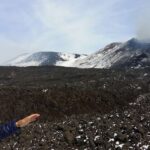
During the day, you’ll start with a walk through family vineyards and olive groves. That matters because the tasting isn’t floating in the air; it’s tied to what you’re standing on. You’ll also get an early sense of the farm’s microclimate—those conditions the winemakers watch all season—so when wine finally appears, it makes sense.
If you like “farm logic” (why something grows the way it does), this setting is one of the best parts of the experience.
You can also read our reviews of more tours and experiences in Sicily.

Bio Fattoria Augustali isn’t only about wine
The farm is designed as a full day in the Sicilian countryside, and you can feel that in the layout. Besides the vineyard and cellar, there’s a lot going on outdoors: olive groves, citrus groves, a garden of aromas, and a wide lawn planted with Mediterranean species.
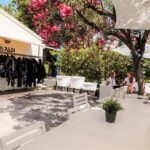
Then there are the practical family-friendly touches: a play area, an animal area, and refreshment verandas where you can pause. There’s also a restaurant as part of the farm setup, which helps explain why the place can work for different moments—quick tastings, slower meals, and longer farm hangs.
So if you’re thinking of this as a “two-hour break from travel,” you’re in the right mindset. You’re not rushing through a single room. You’re getting a farm picture—plants, production, and people—so the wine ends up feeling like a consequence of the place.
The vineyard walk: what you actually learn (and why it helps)
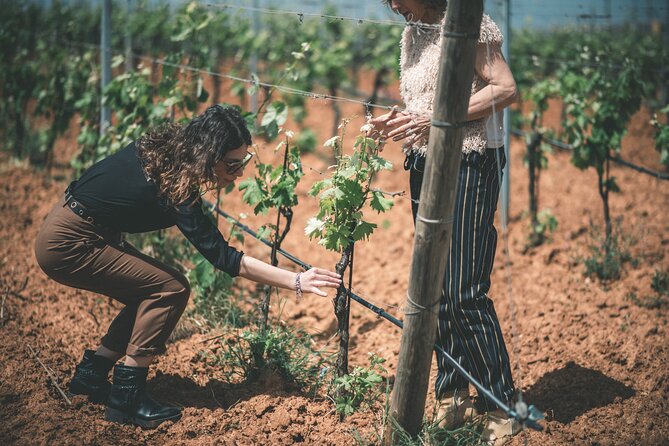
The start of the experience is a nature walk among the vineyard plots and olive groves, guided through the winemakers’ attention to detail. Here’s what’s most useful for you: you’ll hear about qualitative precautions in the vineyard, how they pay attention to the favorable microclimate, and how harvest times are chosen.
This is where organic farming becomes more than a label. Even without getting technical, the explanations help you connect cause and effect. You start thinking about what “fresh” and “fruity” might mean in your glass, because you’ve been told what the grapes are dealing with outside.
Also, the vibe is gentle. These are pleasant naturalistic walks on gentle hills, not a steep hike. Comfortable shoes still matter, but it doesn’t feel like a fitness test.
Tip: if you’re coming on a warm day, plan to bring sunglasses and water. You’ll be outside before you settle into the cellar.
The Baglio-style cellar: square rooms, real production steps
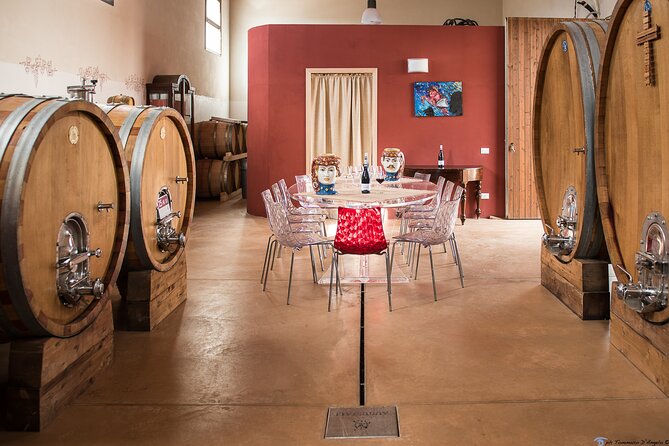
Next you head to the cellar, where the structure recalls the square shape of a typical Sicilian Baglio. That’s a big part of the charm. It feels like a working place, not a staged showroom.
From there, the route moves through key production areas:
- bottling zones
- aging and refinement areas for red wines between barrels and barriques
This staging helps you understand the journey of wine through time. It’s not only what’s in the bottle; it’s what the wine is doing in the meantime.
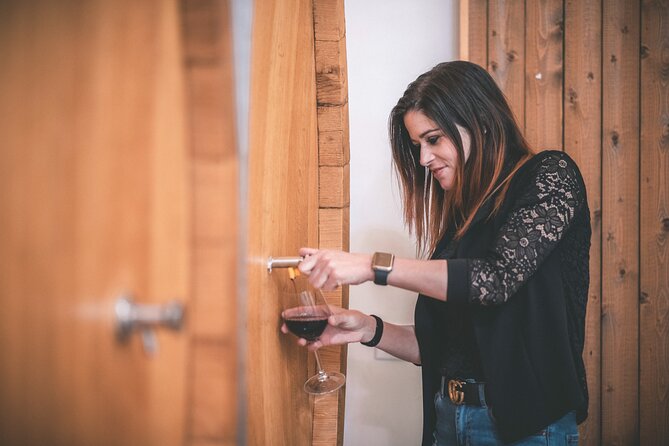
Then comes a standout format for wine lovers: the tasting happens directly from vats and barrels. That’s a meaningful difference from standard tastings, because you’re tasting something that still feels in-progress. It also makes it easier to notice how texture and aromas shift as the wine evolves.
If you enjoy watching how people work, the cellar stop is usually the most “real” feeling part of the day.
Brunch on the veranda: garden food meets Sicilian staples
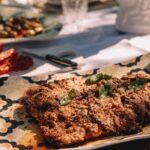
After the cellar visit, you don’t just sip and run. You get a brunch that’s built around farm-grown and Sicilian ingredients.
You’ll eat either on the veranda overlooking the garden or in the tasting room of the cellar, and the brunch includes:
- five Sicilian specialties
- vegetables from the garden
- homemade bread with extra virgin olive oil
- jams
- organic honey
That combination matters. It’s not one big plate; it’s a sequence of flavors that match the farm theme. Bread and olive oil anchor you in the Mediterranean basics, while jams and organic honey bring in the sweeter, orchard-like notes that can play nicely with both white and red wines.
One small practical point: if you’re the kind of person who likes a real meal before a flight or evening plans, this brunch can do that job. And if you’re traveling with kids, the farm grounds plus food usually keeps the mood positive.

Wine tasting: two wines that match the hills
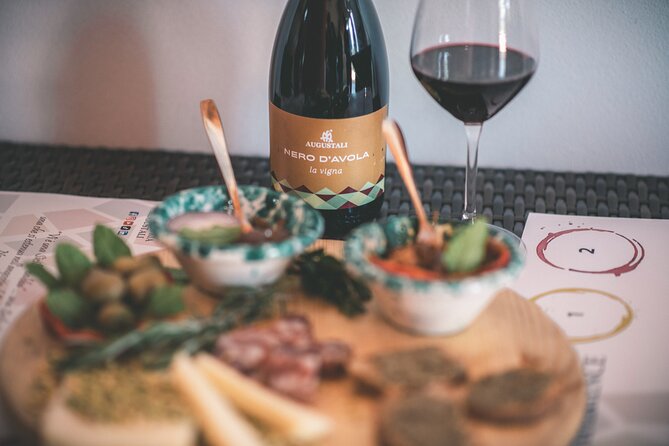
You’ll taste two wines during the experience, and the descriptions are specific enough to set your expectations:
- a white typical of the hilly area—described as fresh, versatile, and easy to enjoy
- a characterful red with a fruity bouquet
Because you taste after the vineyard walk and cellar tour, the wines aren’t random samples. You’re tasting as the final step in a story: hills → vineyard care → cellar aging → glass.
If you’re more into bold reds, focus on what you notice in the red: fruit character and aroma intensity. If you like lighter, cleaner wines, let the white be your palate cleanser.
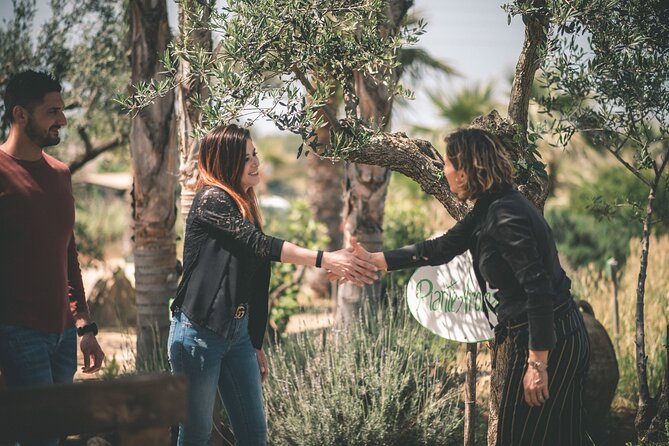
Also, staff friendliness is a big part of how the tasting lands. In this setting, you might be welcomed and guided by hosts like Beatrice, and you may also meet owners or key members such as Vincenzo and Finella mentioned in guest feedback. That human factor makes it easier to ask questions and get explanations in your own style.
Timing and logistics: plan for weather and a smooth arrival
This experience runs about 2 hours. That’s short enough to fit into a day trip, but long enough to include the outdoor walk, the cellar movement, and brunch.
Two practical notes help you avoid stress:
- The activity works best with good weather, and it’s canceled with poor weather replaced by another date or a refund. If your trip is tight, choose a time with flexibility.
- Navigation can be tricky. Several people flag that Google Maps doesn’t always route cleanly to the right spot. If you rely on GPS, double-check landmarks and allow extra minutes on arrival.
Transportation-wise, it’s near public transportation, but the farm is rural. If you’re using transit, build in time for the walk/transfer from the stop.
Mobile ticket use is straightforward, so once you’re there, you’re not stuck with complicated paperwork.
Group size: why small numbers make the tasting feel personal
The group size tops out at 20 people, which is big enough for a lively atmosphere but small enough for a real conversation. In a place like this, that matters. When the guide is moving you through cellar rooms and tasting spaces, small groups keep things flowing and give you a chance to hear the microclimate and harvest talk without straining.
You can also expect a warm, helpful tone from the team. Many guests emphasize that hosts are attentive—watering patterns, keeping things comfortable, and making it feel like you’re cared for instead of processed.
If you’re traveling as a couple and want a calmer experience, this group size tends to suit you well. If you’re with family, it’s easier to manage kids in smaller clusters, especially with the animal area and play area on site.
Price and value: what $49.73 really buys you
At $49.73 per person, you’re not just paying for two glasses. You’re paying for a connected experience:
- a guided walk through vineyard and olive areas
- access to the cellar and production spaces
- tasting two wines from vats and barrels
- a brunch that includes multiple Sicilian items, garden vegetables, bread with olive oil, jams, and organic honey
That’s the value logic: you’re covering the farm’s effort across the whole arc of the day. If you were to compare it to piecemeal costs (separate tasting plus meal), this format often feels more efficient. And because it’s organic farm territory rather than a city tasting bar, you’re also buying atmosphere and authenticity.
One more point: the tasting focus is not only on the wine. The day ties wine to farming choices. That kind of context tends to make even simple wines more enjoyable, because you understand what you’re reacting to.
Possible snags: maps, busy days, and how your palate may vary
No farm visit is perfect, and a few caution flags are worth taking seriously.
Arrival and welcome can feel uneven during busy periods. Some people describe arriving before the scheduled start and waiting without much information. If you’re arriving early, don’t assume someone will automatically greet you—give a little time, then check in politely if needed.
Service timing can stretch on busy Sundays or holidays. There are mentions of delays in meal service, including kids being served later than expected and adults waiting longer. That doesn’t mean it’s typical every day, but it’s a realistic consideration if you have a strict schedule.
Wine expectations vary. A few comments suggest certain white wines didn’t hit as strongly for their tastes, and that price-per-bottle perceptions can differ depending on what you like. The practical fix: ask what styles are being poured that day and decide if you’re more of a fresh-white or fruity-red person before you commit.
Who this fits best in Sicily
This is a strong match if you want:
- Sicily wine with a farm story, not just a tasting counter
- a nature-and-food day that doesn’t feel like a museum
- an experience that works for families, thanks to the play and animal areas
- a relaxed 2-hour stop that you can add to a wider itinerary around Partinico
If you’re a hardcore wine nerd wanting ultra-detailed lab-level technical training, you might find it more practical than academic. But if you want real explanations tied to farming and then a glass to taste the result, this format makes sense.
Should you book Bio Fattoria Augustali?
I’d book it if you want a genuine organic farm experience with real production behind the tasting. The best reason is the flow: vineyard walk and microclimate talk, then the cellar with barrel aging, then brunch that actually tastes like it belongs on the property.
I’d think twice if you’re relying on precise timing during a busy day or if you need perfect GPS routing. Bring a little patience, give yourself extra arrival time, and you’ll get a lot out of the 2-hour format.
Overall, this feels like one of the better ways to spend part of a Sicily day: outside first, then wine you understand, then food that ties it all together.
FAQ
How long is the experience?
It lasts about 2 hours.
What’s included in the tasting?
You get to taste two wines, and the tasting can be from vats and barrels.
Is brunch included?
Yes. You’ll have a brunch with five Sicilian specialties plus vegetables from the garden, homemade bread with extra virgin olive oil, jams, and organic honey.
Where does the experience start?
The start point is Farm Augustali on SS 113 km 318, 700, 90047 Partinico PA, Italy. It ends back at the meeting point.
What size group is this?
There’s a maximum of 20 people.
Is it an organic farm?
Yes. It’s described as a Bio farm, and the brunch includes organic honey.
Is service available with pets?
Service animals are allowed.
What if the weather is bad?
This activity requires good weather. If it’s canceled due to poor weather, you’ll be offered a different date or a full refund.