REVIEW · TENERIFE
Whale and Dolphin Watching EcoAdventure in Tenerife
Book on Viator →Operated by Eco Whale Watching Tenerife · Bookable on Viator
Hear whales before you even see them. This Tenerife eco-adventure pairs a small boat ride with an on-board hydrophone, so the tour is about listening, learning, and watching cetaceans responsibly along the coast. You’re kept in the loop at all times by an expert guide who talks life, behavior, and conservation while you search for whales and dolphins.
I love how the experience is led by people who clearly care, especially the guide named Chema. I also love the small-group feel, limited to a maximum of 8 travelers, which makes the boat feel more personal and the time on the water feel less rushed.
The main consideration is that the trip depends on conditions: good weather is required, and sightings can take a bit of searching, so the first hour may feel quiet even when you’re in the right area.
In This Review
- Key Highlights Worth Planning For
- Meeting at Avenida de Colón: Your 2-Hour Start in Costa Adeje
- On Board With a Hydrophone: Why Hearing Cetaceans Changes Everything
- Small Group Search: Max 8 Travelers Means More Than Comfort
- What You Might See Off Tenerife: Pilot Whales, Dolphins, and the Occasional Turtle
- The Channel Context: Why This Part of the Atlantic Matters
- Responsible EcoAdventure: Litter Collection and Care for the Marine Ecosystem
- Inside the Briefing: Learning Before You Even Hit Open Water
- Price and Value: Is $65.17 Worth It?
- What to Bring (and What to Not Stress About)
- Who This Whale and Dolphin EcoAdventure Suits Best
- Quick Decision Guide: Should You Book It?
- FAQ
- How long is the whale and dolphin watching tour?
- How much does the tour cost?
- What’s included in the experience?
- Are snacks and drinks included?
- How big is the group?
- Where do I meet the tour?
- What kind of ticket do I get?
- Does the tour require good weather?
- Can I cancel for free?
Key Highlights Worth Planning For
- Hydrophone on board: You can listen to whale and dolphin communication, not just spot animals at a distance
- Small group (max 8): Better attention, more focused searching, and easier questions
- Responsible operation: The team takes part in collecting marine litter during excursions
- Expert-led ecology talk: You learn what whales and dolphins eat, how they live, and how they relate
- Guides help you find the action: If the first area is slow, the captain adjusts to improve chances
- You can bring your own snacks and non-alcoholic drinks: Food isn’t included, but you’re not stuck hungry
Meeting at Avenida de Colón: Your 2-Hour Start in Costa Adeje
Most of the value here is in the format: a short, focused 2-hour outing that doesn’t drag on all day. The meeting point is Avenida de Colón, Av. de Colón, 38660 Costa Adeje, and the activity ends back at the same spot. That makes it easy to plug into a beach morning or pair with dinner plans later.
I also like that you’ll have a mobile ticket, and the confirmation comes at booking. If you’re staying in the Costa Adeje area, you’ll also be glad it’s close to public transportation.
One small thing to keep in mind: in this kind of wildlife trip, your timing matters, but your results are tied to nature. You’re going out to meet whales and dolphins, not to check boxes in a theme-park script.
You can also read our reviews of more tours and experiences in Tenerife.
On Board With a Hydrophone: Why Hearing Cetaceans Changes Everything
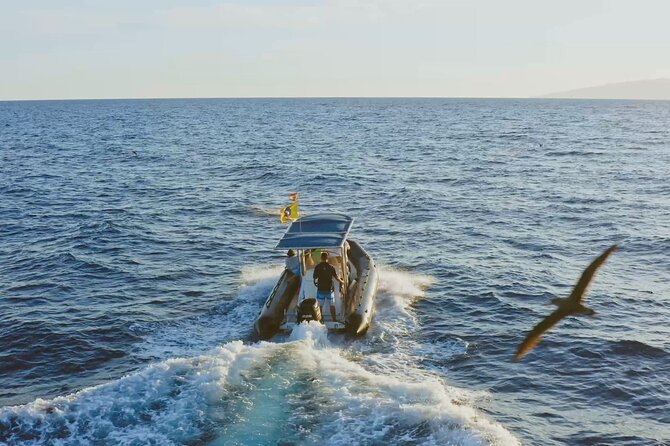
Many whale watches are mostly sight-based. This one adds something genuinely different: the tour includes a hydrophone on board so you can listen to whales and dolphins as you meet them on the water.
Here’s why that matters for you. When you only watch, you’re left guessing about what the animals are doing—calling, communicating, coordinating, or moving with purpose. With the hydrophone, the guide can connect what you’re seeing to what you might be hearing, which turns a boat ride into a real learning moment.
The tour also promises live explanation the whole way—how these animals live, what they eat, and how they relate. Even if you’re not a marine-life nerd, having context helps you spot behavior faster and understand why certain animals hang around certain areas.
Small Group Search: Max 8 Travelers Means More Than Comfort
Small boats and small groups are not just a luxury. They can change the whole feel of a whale watch.
This tour runs in small groups with a maximum of 8 travelers, and that size shows up in the way people describe the experience. The vibe is more attentive and less chaotic. You’re also more likely to get close enough to notice details like body shape, group behavior, and how animals move through the water.
I like that the guide is not stuck repeating the same points to a crowd. Instead, you get a guided experience where questions and observations feel easier to share.
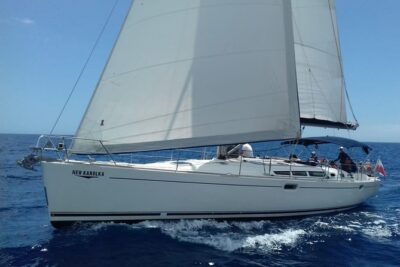
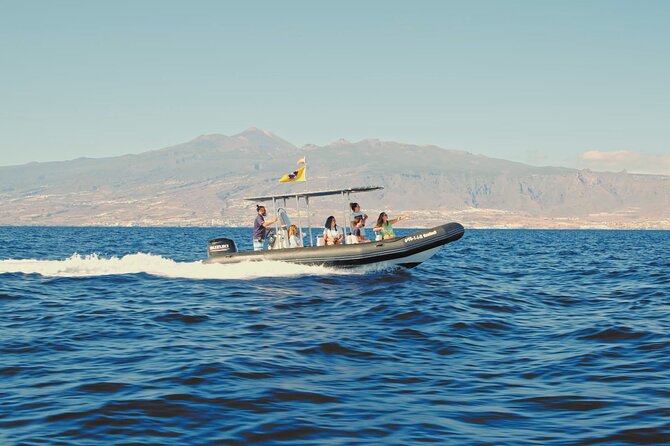
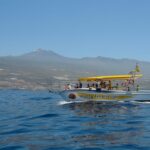
Also, from the way the trip is talked about, the boat itself is described as small and straightforward but comfortable, with safety equipment on board. That’s a good combo if you want the feeling of being part of the hunt, not just a passenger on a big vessel.
What You Might See Off Tenerife: Pilot Whales, Dolphins, and the Occasional Turtle
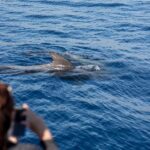
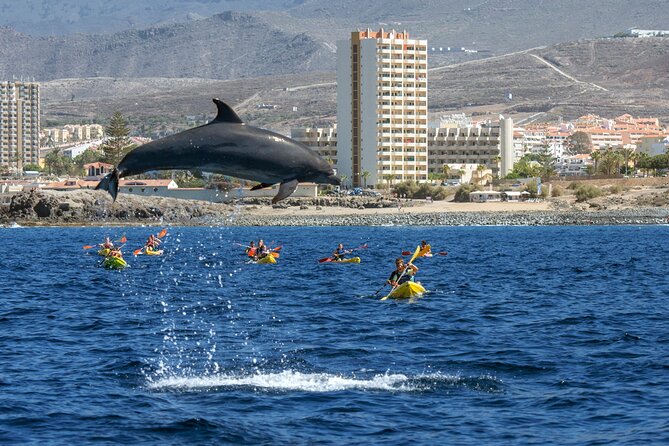
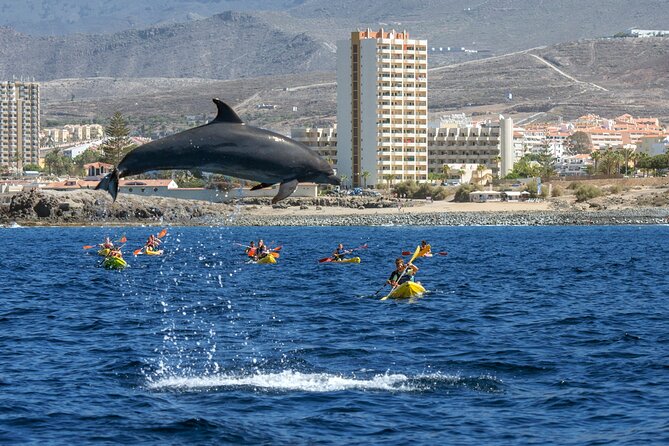
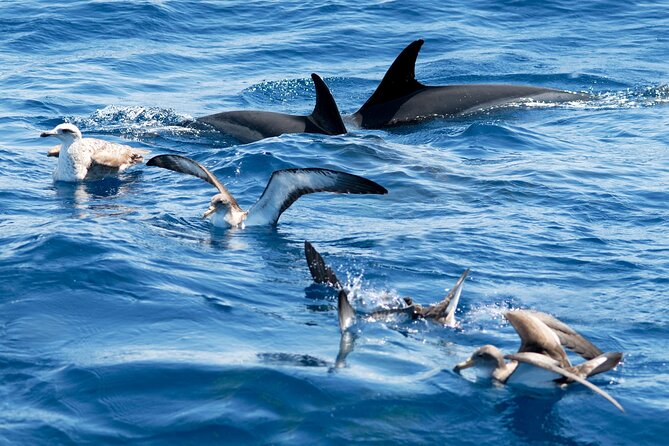
Tenerife sits in a busy part of the ocean, and the operator’s search focuses on cetaceans you can realistically encounter in the region. Commonly mentioned encounters include resident pilot whales, often called calderones in Spanish, and different dolphin sightings.
You might also catch rarer moments, like:
- Fin whales
- Grey dolphins
- Dolphin groups swimming around the boat
- Even sea turtles on the same outing
Wildlife isn’t predictable. Even when everything is set up right, the ocean can be quiet for a while. Some trips start with no immediate sightings, then improve once the captain takes you to a better area. So if you’re the kind of person who expects instant results, adjust your mindset now: the guide’s job is to keep searching and educating.
One of the best parts of this tour is how the guide reacts. The tone isn’t forced. The guide is described as excited and focused on making sure you see animals when conditions allow. And when you do spot whales, you’re not just watching from far away—you’re learning what to look for, like how groups behave and how calves may travel with parents.
The Channel Context: Why This Part of the Atlantic Matters
What makes this area special is its location and the way animals use it. The coast near Costa Adeje is tied into movement patterns across the water, including the corridor between Tenerife and nearby islands like La Gomera.
In plain terms: you’re not cruising aimlessly for a long time. The experience is built around finding the right spot for whales and dolphins, then staying with the moment long enough for you to understand what you’re seeing.
That’s also why hydrophone listening fits the setting. When the animals surface or call, you can connect the sound to the behavior you’re observing. It makes the whole outing feel more like fieldwork than a sightseeing loop.

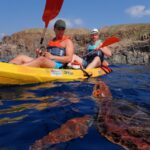

Responsible EcoAdventure: Litter Collection and Care for the Marine Ecosystem
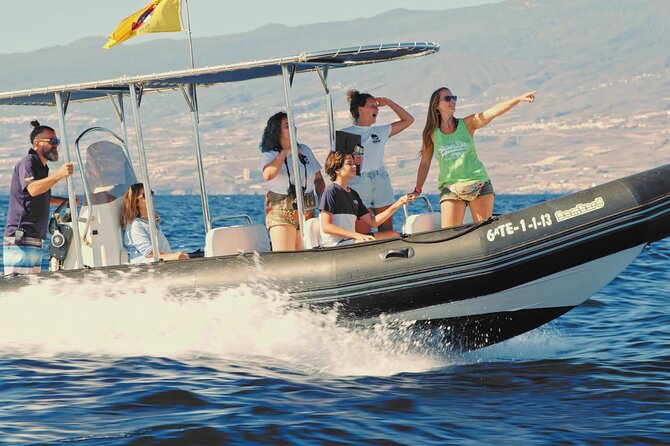
The responsible piece here is not just wording. The tour team is involved in collecting marine litter during excursions, and the operator frames the whole outing as respectful to the marine ecosystem.
Why should you care as a visitor? Because it changes what the trip is trying to do. Instead of treating wildlife as a show, the tour aims to build conservation awareness—how these animals live and why we should reduce harm in their environment.
You can feel that emphasis through the education flow, too. The guide talks about conservation and life in the ocean, and the hydrophone adds another reason to slow down and observe rather than chase.
Also, as you go, it helps to remember a simple truth: you’re in the animals’ world. The responsible approach makes the experience feel more meaningful, even when the sightings are modest.
Inside the Briefing: Learning Before You Even Hit Open Water
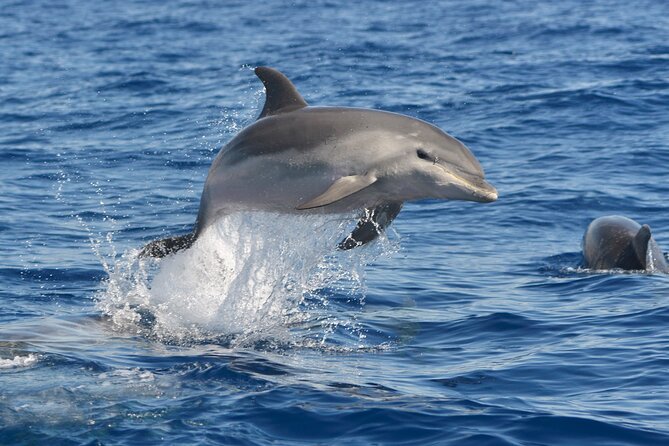
Before you set off, you’re brought into a briefing area next to the pier. The experience is described as having hands-on exhibitions and an education-style start that helps you understand whales right away, before you’re scanning the water.
This is a smart way to design a whale watch. It reduces the “I’m not sure what I’m looking at” problem. Once you know basics—what behavior might signal feeding or movement, what different cetaceans are like—you start spotting patterns faster.
And because the guide explains the ocean at multiple points during the trip, you keep getting better at reading what’s happening around the boat.
If you’re traveling with kids, this kind of pre-brief can be a big win. It gives them a mission: listen, watch, and try to identify what the guide points out next.
Price and Value: Is $65.17 Worth It?
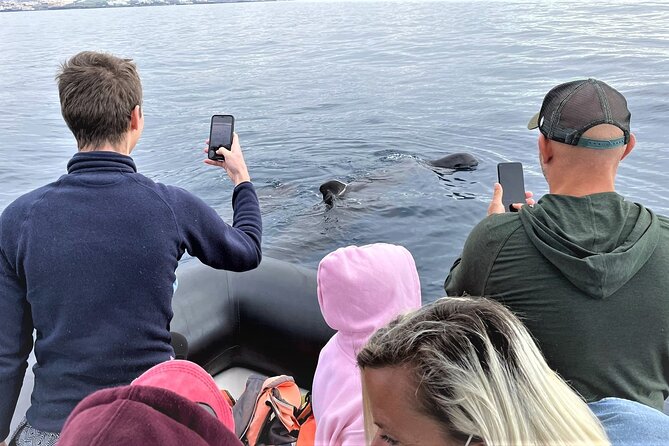
At $65.17 per person for about 2 hours, the value comes from the combination, not from one single feature. You’re paying for:
- expert whale watching guidance
- a hydrophone included in the experience
- a small-group format
- a responsible element tied to marine litter collection
- time on the water designed for education, not just cruising
The other value marker is the strong track record: an average rating of 4.9 with 78 reviews, and 97% recommendation. That doesn’t guarantee your exact sightings, but it does suggest the operator is consistent about making the experience feel well-run and informative.
If you’ve done whale watching before and felt like you learned nothing, this is the kind of tour that tries to fix that. If you love animals and enjoy real explanation—especially about conservation and communication—you’ll likely feel like you got your money’s worth.
What to Bring (and What to Not Stress About)
Food and drinks are not included. The good news: you can bring snacks and non-alcoholic beverages on board. If you tend to get hungry while waiting on nature to show up, bring something small so you’re comfortable for the full time.
Beyond that, plan for a sea setting. Even in good weather, boat rides can mean sun, wind, and occasional spray. If you get motion discomfort easily, it’s smart to come prepared like you would for any short tour on open water.
The overall message: keep it simple. Bring what makes you comfortable for 2 hours and focus on the real goal—whales and dolphins, plus the hydrophone listening experience.
Who This Whale and Dolphin EcoAdventure Suits Best
This tour is a great fit if you want a whale watch that feels guided and intentional.
It’s especially good for:
- animal lovers who want to understand behavior, not just take photos
- people who like small groups and quieter boat vibes
- families with kids who enjoy learning and staying engaged
- anyone curious about whale and dolphin communication through sound
It may be less ideal if you want a long, all-day sailing trip or if you only care about guaranteed sightings. Here, the operator’s strength is education and responsible searching. The ocean decides the wildlife part.
Quick Decision Guide: Should You Book It?
Book this tour if you want the best chance at feeling connected to marine life, not just entertained. The hydrophone adds a unique layer, the group stays small, and the responsible approach plus litter collection makes it feel like a conservation-minded outing.
Hold off or consider flexibility if you’re traveling when weather can be unpredictable. Good conditions matter for navigation, and sightings can take time. But if you’re open to that and you like learning in the field, this Tenerife eco-adventure is the kind of activity that leaves you thinking about the ocean in a more informed way.
FAQ
How long is the whale and dolphin watching tour?
It lasts about 2 hours.
How much does the tour cost?
The price is $65.17 per person.
What’s included in the experience?
A hydrophone on board and learning about the life of cetaceans.
Are snacks and drinks included?
No. Food and drinks are not included, but you can bring snacks and non-alcoholic beverages on board.
How big is the group?
It has a maximum of 8 travelers.
Where do I meet the tour?
Meet at Avenida de Colón, Av. de Colón, 38660 Costa Adeje, Santa Cruz de Tenerife, Spain.
What kind of ticket do I get?
You receive a mobile ticket.
Does the tour require good weather?
Yes. The experience requires good weather. If it’s canceled due to poor weather, you’ll be offered a different date or a full refund.
Can I cancel for free?
Yes. You can cancel up to 24 hours in advance for a full refund.