REVIEW · GRAN CANARIA
Coasteering experience in Gran Canaria
Book on Viator →Operated by MOJO PICON AVENTURA · Bookable on Viator
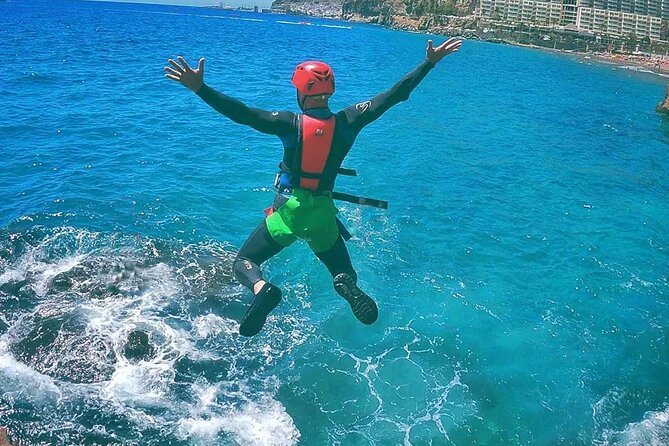
Coasteering turns the Gran Canaria shoreline into your playground. You’ll move along rocky coast near the west side of the island, with guided jumps and a zipline crossing a cave into the ocean. It’s a break from sunbathing, but it’s still very much a sea-and-cliffs day.
I especially like how the experience is set up around safety gear (harness, life jacket, and helmet) and clear instruction from an English-Spanish guide. I also like the built-in comfort items: water, plus a snack/picnic spread of chocolates, fruit, biscuits, nuts, and water to help you recover.
One thing to consider: this is demanding. If you’re a true beginner, or you’re not used to moving over rough terrain and getting into cold or choppy water, it may feel like more than you bargained for.
In This Review
- Quick hits: what makes this coasteering tour worth your time
- West-Coast Coasteering: what you’re really signing up for
- Safety gear and Miguel’s style of coaching
- Pogán-side cliffs: what happens on the coast stop
- Equipment check: why the harness and helmet are the real deal
- The day’s rhythm: timing, pickup, and what to plan for
- Snacks, hydration, and the picnic that keeps you going
- Price and value: what $78.20 really buys you
- Who this coasteering tour is best for
- Weather matters more than you think
- Should you book this coasteering experience?
- FAQ
- Where does the coasteering tour start?
- What time does the tour run?
- How long is the coasteering experience?
- Is pickup included?
- What equipment is provided?
- What fitness and age requirements should I know?
- What happens if the weather is poor?
Quick hits: what makes this coasteering tour worth your time
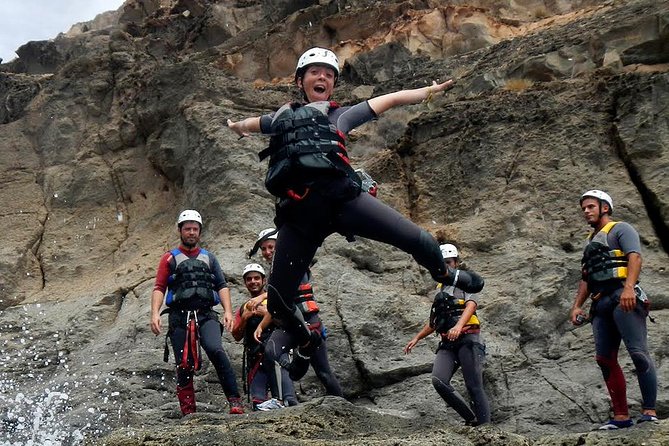
- Real safety kit: harness, life jacket, helmet, and other safety tools are provided
- Guided coastal route: you learn techniques for moving along rocks and entering the water
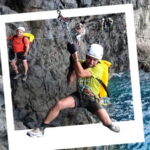
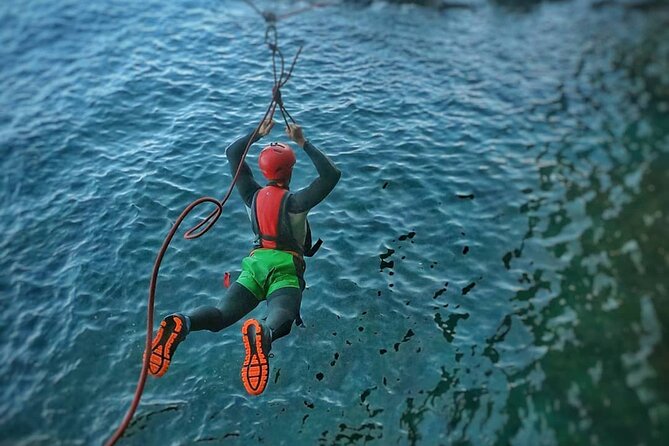
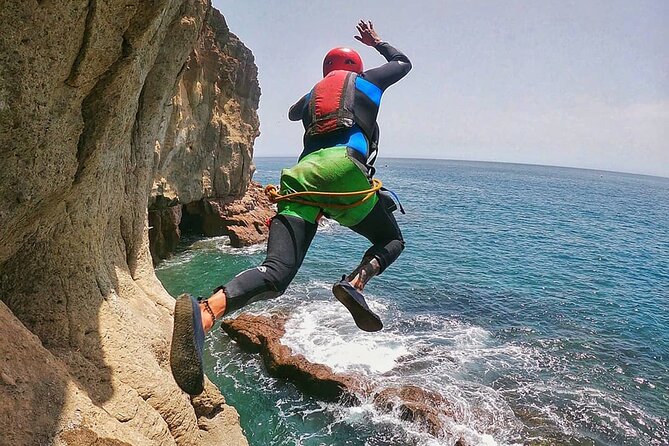
- Mogán coast thrills: jumps from the cliffs and a zipline across a cave into the ocean
- Small group: up to 16 travelers, so it stays manageable
- Fuel included: snacks and a picnic (chocolates, fruit, biscuits, nuts) plus bottled water
- Photo report: you get a picture report without having to worry about your camera
West-Coast Coasteering: what you’re really signing up for
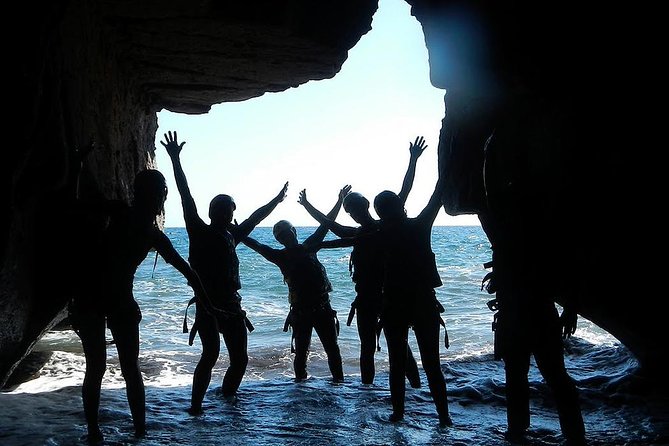
This coasteering trip is built around one idea: you’ll travel along a rocky stretch of coastline using a mix of footwork and water movement. That means you’re not just watching the sea from above. You’ll be close to the cliffs, the waves, and the routes that connect them.
The fun part is obvious—jumps and the cave zipline are the headline moves. What’s less obvious until you do it is the physical side: you need a sports-like level of fitness because you’ll be active for several hours and moving over uneven coastal ground.
The tour runs about 4 to 6 hours (the experience is listed as roughly 5 hours), starting at 9:30 am. If you like experiences that feel structured—gear on, guide leading, clear moments to work toward—that schedule fits well.
You can also read our reviews of more tours and experiences in Gran Canaria.

Safety gear and Miguel’s style of coaching
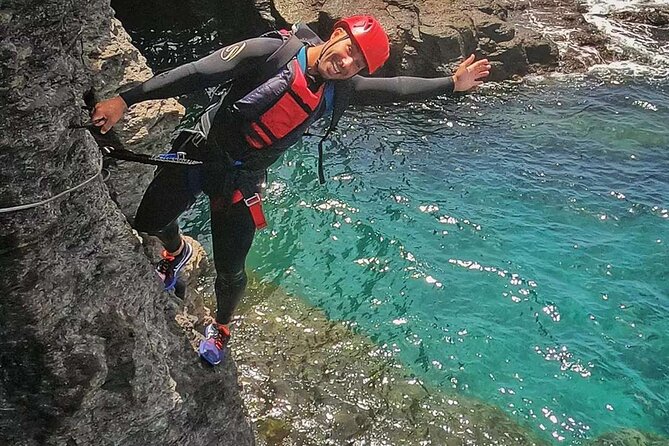
If safety is your main question, this tour is set up to answer it early. You’ll be provided with a harness, life jacket, and helmet, plus safety tools handled by the guide. That kit matters because coasteering is physical and exposed: you’re near waves, rock edges, and active routes that need correct positioning.
The guide team is English-Spanish, and you’ll be learning techniques, not just following along. In the experiences you can read about, guide Miguel stands out for being patient—especially with people who have a fear of heights. The biggest practical takeaway: you should feel you can progress at a pace that matches your comfort level, instead of being pressured into the hardest moves immediately.
That said, the tour isn’t designed for total beginners. Even with great coaching, the activity can be demanding. If you’re someone who freezes up when you’re near drop-offs or you’re not confident with water entry, you should consider whether you’re ready for a challenge day.
Pogán-side cliffs: what happens on the coast stop
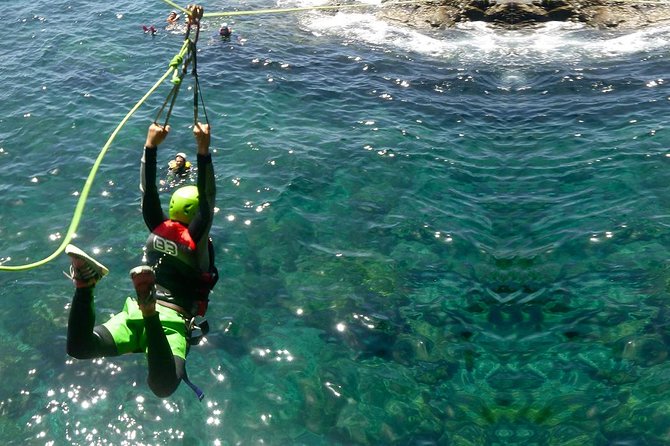
Your main stop is in the Mogán area on the southwest side of Gran Canaria. This is where you’ll spend most of your time doing the actual coasteering work—moving along the coast with guided instruction and stopping for the big elements.
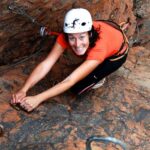
Here’s what that usually looks like: you’ll practice and apply basic techniques for moving along the rocky shoreline, then work toward the set pieces. Those set pieces include jumps from seaside cliffs and a zipline crossing a cave. The zipline section is especially memorable because it’s not just a thrill—it changes how you experience the coastline by giving you a controlled route through that cave-to-ocean moment.
The pace is active. Expect walking along the coast segments between the jumps and zipline, plus time spent gearing up and listening to instruction. Based on the overall tone of feedback, the experience is best when you arrive mentally ready to work with your body and not just watch the scenery.
A drawback to watch for: the coast portion won’t feel like a relaxed sightseeing stroll. If you came for an easy beach break, you’ll likely find the day more intense than expected.
Equipment check: why the harness and helmet are the real deal
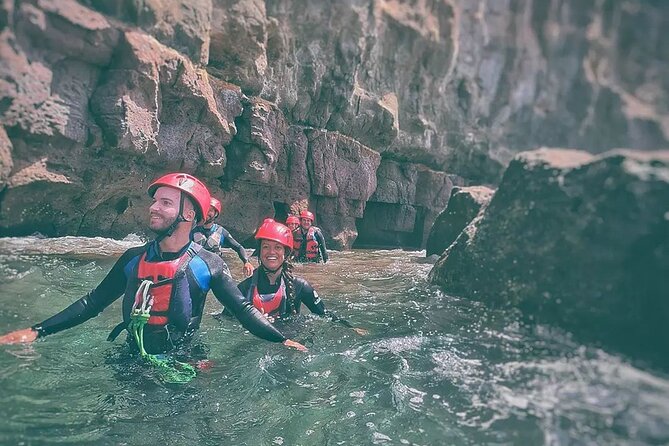
People often think coasteering gear is just for peace of mind. Here, it’s part of how the activity works. The harness and helmet are what let you move through the terrain with a safer, more controlled setup, especially when you’re near edges or when the guide needs you secured during certain steps.
The life jacket is also key—not just because it helps you float, but because it changes how confidently you can handle water movement. If you’re worried about stepping into water or dealing with the rhythm of waves, this gear reduces the mental load.
Also, you’re not doing this alone. The guide provides the instruction and safety tools necessary for each part, so you’re not left figuring things out while you’re balancing on rock.
The day’s rhythm: timing, pickup, and what to plan for
This tour starts at 9:30 am at Parking Area R7C2+Q4, 35138 Taurito, Las Palmas, Spain. Pickup is offered, and it can make your morning smoother—especially if you’re not driving or you don’t want to juggle parking in a busy coastal area.
Here’s the practical planning note: some feedback points to a lot of waiting at the parking lot before you’re fully transferred to the beach area and begin the actual activity. I wouldn’t assume every minute will be spent on the coastline itself. If you’re easily thrown off by delays, build in buffer time in your schedule for a slower start.
Group size stays small, with a maximum of 16 travelers, which is helpful for timing and for getting attention from the guide. Still, small doesn’t mean instant. Plan to be patient and follow the team’s instructions closely so the day runs safely and smoothly.



Snacks, hydration, and the picnic that keeps you going
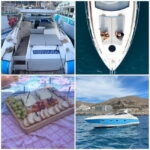
Coasteering can make you hungry fast. The tour helps with that in a very straightforward way: bottled water and a picnic-style snack spread are included.
You’ll get chocolates, fruit, biscuits, and nuts, plus water. That combo is practical for active days because it covers quick energy (chocolate/biscuits) and longer-lasting fuel (nuts/fruit). The water is also crucial because you’re active in sun and wind, and dehydration can creep up fast when you’re working hard.
Think of this as recovery support during the outing, not an afterthought. If you tend to crash after outdoor activity, this included snack break helps you keep energy steady enough to finish the full route.
Price and value: what $78.20 really buys you
At $78.20 per person for about 4 to 6 hours, this is not a budget “just show up” activity. But it also isn’t overpriced for what’s included, mainly because your payment covers multiple cost-heavy parts:
You’re getting professional guidance, all the key safety equipment, and time spent learning techniques, not just being led along a scenic route. On top of that, you get a picture report, plus a real snack/picnic spread and bottled water.
Demand also looks steady—you’ll often see bookings made around 16 days in advance, which is a sign that people plan it as a must-do rather than an impulse add-on. If you’re choosing between another tour or a more passive beach day, this one has value because it gives you an adrenaline-and-skills experience in one package.
My rule of thumb: if you want physical fun and you’re comfortable being active for half a day, this price starts to make sense fast. If you’re searching for easy, low-effort time, you’ll likely feel the cost more than the benefit.
Who this coasteering tour is best for
This tour works best for people who can handle a moderate physical fitness level and already have a sports-like baseline. You’ll be moving along rocky ground and may be swimming as part of the route, so you’ll want comfort with active movement and water entry.
It also suits travelers who like clear guidance. The coaching style—especially with guides described as patient—can help nervous participants try the full experience instead of stopping at the first challenge. People who have a fear of heights should take this seriously, but the feedback suggests that with the right support, you may still be able to take on the big moves.
If you’re traveling as a family, note the age requirement: the minimum age is 18. Children under 18 must be accompanied by an adult, but the core requirement still filters who can join.
Who should skip it? If you want a beginner-friendly, slow-paced shoreline walk, or if you know you’ll struggle with the physical demands and water part, you’ll likely feel frustrated rather than impressed.
Weather matters more than you think
This experience requires good weather, and it’s the kind of activity that doesn’t like improvisation when conditions are off. If the trip is canceled due to poor weather, you’ll be offered a different date or a full refund.
So the best move is to plan it earlier in your Gran Canaria stay if your schedule is flexible. That way, you have options if the day needs to shift.
Should you book this coasteering experience?
Book it if you want an active coastal day that mixes real safety gear, coaching, and signature moments like cliff jumps and a cave zipline. I’d also book it if you care about having your energy fueled with included snacks and water, and you like the idea of a small group capped at 16.
Skip it if you’re looking for an easy first-day beach activity. This tour can be demanding, and you should expect a structured day that may include waiting before you fully hit the coastline.
If you’re on the fence, your best bet is this: bring athletic confidence, a willingness to listen, and patience for the start of the day. With that mindset, you’re set up for a memorable mix of skills and sea-adventure.
FAQ
Where does the coasteering tour start?
The meeting point is Parking Area R7C2+Q4, 35138 Taurito, Las Palmas, Spain. The activity ends back at the same meeting point.
What time does the tour run?
The start time is 9:30 am.
How long is the coasteering experience?
It runs approximately 4 to 6 hours.
Is pickup included?
Pickup is offered.
What equipment is provided?
You’ll be provided with a harness, life jacket, helmet, and other safety tools.
What fitness and age requirements should I know?
You should have a minimum sports-like level of physical condition or moderate physical fitness. The minimum age is 18, and children under 18 must be accompanied by an adult.
What happens if the weather is poor?
The experience requires good weather. If it’s canceled due to poor weather, you’ll be offered a different date or a full refund.