REVIEW · SAN JOSE
Chocolate Making and Tasting at a Local Factory in San José
Book on Viator →Operated by Tapir Chocolates · Bookable on Viator
Cocoa starts as fruit, not candy. At Tapir Chocolates in San José’s Barrio Escalante, you taste cocoa through multiple stages, then roll up your sleeves to make bars and package them to take home.
What I love most is the hands-on part and the sheer range of tasting. You work with the real stuff, from fresh cocoa fruit to seeds, nibs, powder, butter, and chocolate drinks, and you also get to build your own bars with 15+ fillings and toppings.
One possible drawback: the class is designed for small groups, but the size can vary in practice. If you end up with a larger group than expected, the bar-making steps can feel a bit slower.
In This Review
- Key points before you go
- Tapir Chocolates in Barrio Escalante: what this is really like
- Meeting at 3:00 pm: timing, location, and what to plan for
- Getting set up: aprons, molds, and hands-on tools
- The tasting lineup: fruit, seeds, nibs, powder, butter, and drinks
- Cocoa concentration tasting: choosing the style before you mix
- Chocolate making: build your own bars with local ingredients
- A small-group format can make or break the pace
- Packaging your creations: eco-friendly wrap and take-home delight
- What this class includes (and why it matters for value)
- Language and group dynamics: what to watch for
- Who should book this chocolate workshop in San José?
- Should you book Tapir Chocolates?
- FAQ
- Where does the chocolate making and tasting tour start?
- When does the tour start?
- How long is the experience?
- How much does it cost?
- What happens during the workshop?
- How many people are in the group?
- Is transportation included?
- What is included in the price?
- Is there a cancellation policy and what if weather changes?
Key points before you go
- Fruit-to-bar tasting covers the cocoa process in stages, not just the final chocolate
- Hands-on bar making lets you mix cocoa concentration with your chosen local add-ins
- Personal packaging materials mean you create a finished gift you can actually carry home
- Small-group format is the goal (often 8; listed max is 12), which helps the instructor keep an eye on you
- Mauricio’s style often shows up as patient, interactive, and focused on helping you get the steps right
Tapir Chocolates in Barrio Escalante: what this is really like
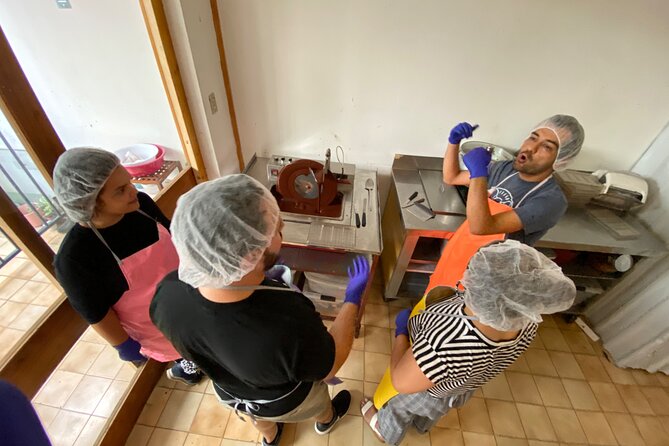
This is a chocolate workshop, not a quick drive-by tasting. You start with a guided walkthrough of what chocolate is made from, then you shift gears into something practical: you make chocolate bars yourself.
The setting matters. It’s a clean, lab-like space where you can focus on the steps and smell the aromas as they change. And since it’s in Barrio Escalante, you’re also in a part of San José with plenty of places to grab a bite after the class.
If you like learning by doing, this is the kind of experience that stays with you. You don’t just taste; you connect the flavors to what you’re seeing and making.
You can also read our reviews of more tours and experiences in San Jose.

Meeting at 3:00 pm: timing, location, and what to plan for
The session starts at 3:00 pm at Tapir Chocolates in Barrio Escalante. It ends back at the same meeting point, so you’re not dealing with a long transport shuffle at the end.
Private transportation isn’t included, so you’ll want to plan your own ride. The good news is the workshop is near public transportation, which makes it easier to tack onto the rest of your San José day.
One practical note: the experience requires good weather. It’s a workshop, but weather can still affect schedules, so it’s smart not to pack this as your one and only plan on a rainy day.
Getting set up: aprons, molds, and hands-on tools
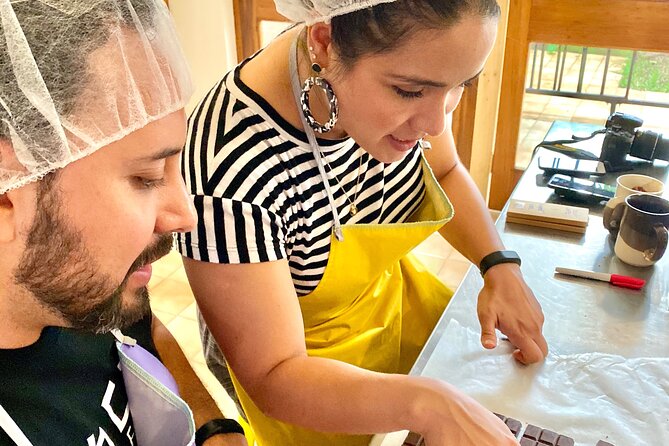
Right after you arrive, you’ll get into workshop mode. You’re provided with the equipment needed to make chocolates, including things like molds, spatulas, and machines.
You’ll also be given inputs for personal use, such as caps, aprons, and gloves. It sounds small, but it helps a lot. When your hands are protected and your station is set up, you focus on the chocolate steps instead of worrying about mess.
There’s also a “you’re not watching only” energy here. You’ll be tasting constantly and then moving into mixing and making. Expect your brain to stay engaged the whole time.
The tasting lineup: fruit, seeds, nibs, powder, butter, and drinks
The heart of the experience is the structured tasting. You’ll learn about the history of cocoa in America in a brief, story-style way, then you’ll move straight into sensory learning.
The tasting sequence is designed so you can actually compare stages side by stage:
- Fresh cocoa fruit
- Seeds in different stages of processing
- Nibs
- Cocoa powder
- Cocoa butter
- Chocolate drinks
This matters because chocolate flavor doesn’t appear out of nowhere. It develops as the beans change—fermentation, drying, roasting, grinding. Taste-based learning is faster than reading about it, and it makes the later bar-making decisions feel less like guessing.
You’ll also get snacks as part of the session. The tasting is described as a complete cocoa-to-bar experience, with a long list of items available for pairing later.
Cocoa concentration tasting: choosing the style before you mix
After the foundational tasting, the workshop shifts into modern chocolate thinking. You’ll taste different concentrations of cocoa so you can understand how strength changes flavor.
This part is where you start making “taste maps” in your head. Do you want something closer to a deep, cocoa-forward profile? Or something smoother and more balanced? The workshop gives you the chance to notice that difference before you commit to your bar recipe.
The goal isn’t to hand you one correct answer. It’s to help you learn how to choose.




Chocolate making: build your own bars with local ingredients
Now you get to work. You’ll make your own chocolates by mixing cocoa with local ingredients you’ll find available in the workshop.
The class includes more than 15 fillings and toppings. That means you can go beyond plain chocolate and create combinations that match your tastes—sweet, nutty, crunchy, spiced, or whatever direction you feel like going in that moment.
You’ll also choose how you want your bar(s) to be built, and the process includes using molds and machines, plus guidance so you don’t end up with chocolate that won’t set the way you want.
One reason this workshop earns such high marks is how interactive the instructor can be. Mauricio is frequently mentioned as a host who explains steps clearly, stays patient when people feel a bit anxious about doing it right, and answers questions as they come up.
If you’re traveling with kids or teens, this is also a good fit because they can participate in a concrete way. You’re not just listening; you’re shaping the end product.
A small-group format can make or break the pace
The experience is advertised as intimate, with small groups (you’ll see “up to 8” in the promotional highlights), and the maximum listed for the activity is 12. In general, that size is ideal for hands-on work.
Still, consider this: if your session ends up feeling larger than expected, the steps to make bars can slow down. It’s not a dealbreaker, but it can change the experience from calm and guided to a bit more rushed while still trying to ensure everyone finishes.
Packaging your creations: eco-friendly wrap and take-home delight
After you finish making, you’re not just going to walk out with loose chocolate. You’ll share eco-friendly packaging materials and pack your own creations.
You’ll have materials such as boxes, wrapping paper, and stickers, plus instructions on how to put it all together so it looks like a proper gift instead of a souvenir blob.
This is one of those details that sounds minor until you’re holding it. Being able to package your bars yourself makes the whole thing feel complete—and it’s easier to transport without chocolate turning into a sticky mess in your bag.
What this class includes (and why it matters for value)
At $57.50 per person for about 2 hours, you’re not just paying for a guided talk. The price is tied to the amount of materials and tasting included.
Here’s what’s part of the experience:
- Creative materials for eco-friendly packaging
- Inputs for personal use (caps, aprons, gloves)
- Equipment needed to make chocolates (molds, spatulas, machines)
- Snacks, including cacao drink and water
- A wide cocoa tasting across multiple processing stages
- More than 15 fillings and toppings for your custom bars
That combination is the value. A chocolate tasting without hands-on making can be fun, but you’re usually paying mainly for someone to pour samples. Here, you’re paying for tasting education plus the chance to leave with bars you built.
If you’re the type of traveler who enjoys food experiences and wants something you can bring home, this price makes sense. If your goal is only a quick sweet fix, you might feel it’s more workshop than tasting-only.
Language and group dynamics: what to watch for
Some sessions run with explanations in more than one language, and that can be distracting if you’re the only person who wants a single-language flow. If you’re booking with a tight language preference, it’s worth asking ahead what language setup to expect.
Also, this is the kind of activity where paying attention improves your results. If you’re a “watch first, then do” person, you’ll probably love it. If you prefer to be hands-off and take photos only, you may feel pulled into participating more than you expected.
Who should book this chocolate workshop in San José?
This is a great match for:
- Food travelers who like learning through tasting
- Couples looking for a unique, non-museum evening activity
- Families with kids who can handle short, guided steps
- Anyone who wants a take-home edible souvenir that isn’t generic
It’s especially good if you care about the process—how cocoa changes from fruit to seed to nib to bar. If you only care about the final taste, you might still enjoy it, but you’ll get the most value if you like comparing flavors and textures.
If you’re short on time in San José, the 2-hour format is workable. The 3:00 pm start also makes it easy to enjoy lunch and then switch to a focused afternoon/evening plan.
Should you book Tapir Chocolates?
If you want a hands-on chocolate experience that mixes tasting, instruction, and creativity—with packaging you can actually take home—this is a strong yes.
I’d book it if:
- you want to learn what cocoa tastes like at multiple stages
- you like customizing flavors with fillings and toppings
- you enjoy small-group formats and don’t mind getting your hands in it
I might pass (or book with lower expectations) if:
- you’re looking for a purely passive tasting
- you dislike any chance of a slower pace if the group is larger
- you’re trying to fit it into a weather-sensitive day and can’t flex your plans
If you’re coming to San José for one “food story” you can bring home, this is the kind of class that turns chocolate from a snack into a real experience.
FAQ
Where does the chocolate making and tasting tour start?
It starts at Tapir Chocolates, address 10101 San José, Barrio Escalante, San José, Costa Rica.
When does the tour start?
The start time is 3:00 pm.
How long is the experience?
It’s approximately 2 hours.
How much does it cost?
The price is $57.50 per person.
What happens during the workshop?
You’ll taste cocoa in multiple stages (fruit, seeds, nibs, cocoa powder, cocoa butter, and chocolate drinks), taste different cocoa concentrations, and then make your own chocolates with local ingredients. You also package your creations using eco-friendly materials.
How many people are in the group?
The experience is designed for small groups, with a maximum of 12 travelers listed, and promotional details mention up to 8.
Is transportation included?
No, private transportation is not included.
What is included in the price?
Included items cover eco-friendly packaging materials, personal inputs like caps and aprons, equipment for making chocolates, snacks, cocoa tastings, cacao drink and water, and more than 15 fillings and toppings.
Is there a cancellation policy and what if weather changes?
Free cancellation is available if you cancel at least 24 hours in advance for a full refund. The experience requires good weather, and if it’s canceled due to poor weather, you’ll be offered a different date or a full refund.