REVIEW · CRETE
Chania Cooking Class-The Authentic Enjoy traditional Cretan meal
Book on Viator →Operated by Chania Cooking Class · Bookable on Viator
Cretan cooking starts with your hands. This class near Chania is a family-run kitchen where hands-on Cretan dishes are paired with real context, so you understand what you’re cooking and why. You’ll work with the recipes for a full meal, from starters to lamb and that island favorite called kleftiko, nicknamed thieves dinner.
I also love how the experience turns into a proper sit-down feast with local wine, not just a quick taste. One consideration: you’ll do a lot of prep first, and you might not get your first full bites until close to the three-hour mark, so snack beforehand if you hate waiting.
In This Review
- Key highlights at a glance
- Entering Veerna’s World: Why This Chania Class Is More Than Recipes
- The 4-5 Hour Flow: Coffee, Dough, and When You Finally Sit Down
- Starters You Make First, Then Eat First: Ntakos, Tzatziki, and Cretan Salad
- Kleftiko Lamb (Thieves Dinner): Learning the Name and the Method
- Dolmades and Stuffed Vegetables: Rolling, Stuffing, and Staying in Control
- Kalitsounia with Rolling Pins: Savory Pies to Honeyed Dessert
- Eating What You Cook: Outdoors, Olive Groves, Wine, and Dessert Timing
- Price and Logistics: Pickup, Semi-Private Transport, and Value Around 105 EUR
- Should You Book This Chania Cooking Class?
- FAQ
- How long is the Chania cooking class?
- Do I get lunch or dinner?
- What dishes will I learn to make?
- Is transportation included?
- Are ingredients and drinks included?
- Is the class in English?
- Is free cancellation available?
Key highlights at a glance
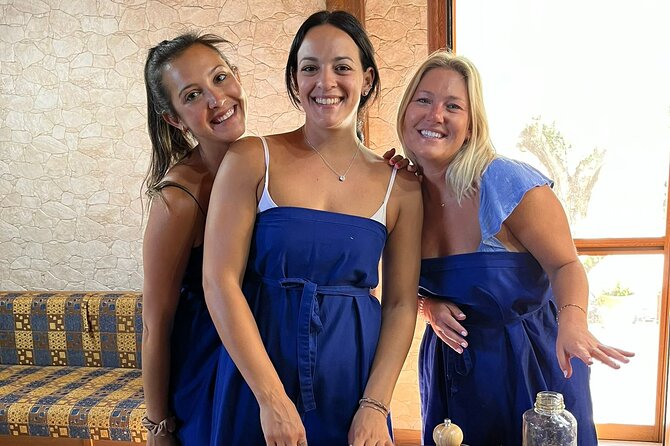
- Veerna’s family-style teaching keeps you moving step by step, not standing around
- Thieves dinner (kleftiko) lamb lesson explains the name as well as the method
- Dolmades and stuffed vegetables mean real rolling and stuffing practice, not just watching
- Rolling pins for kalitsounia dough with savory pies and sweet honey dessert
- Appetizers made last, eaten first, including Ntakos/dakos-style bread and tomato dishes
- Max 40 people with a semi-private feel, and you may share transport with other guests
Entering Veerna’s World: Why This Chania Class Is More Than Recipes
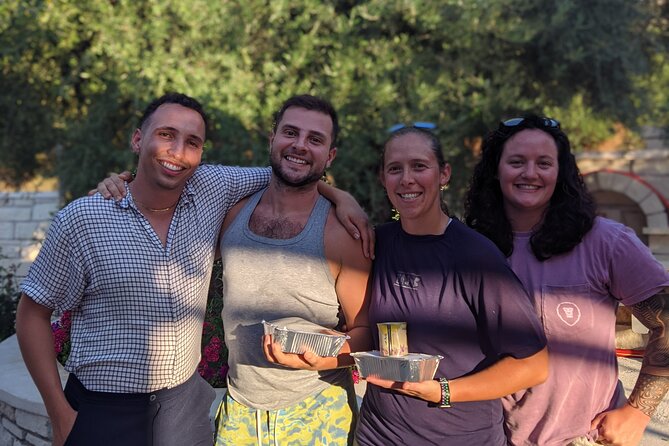
This is a Chania cooking class built like a home meal, not a factory demo. You start in a family kitchen environment near Chania, where the hosts teach with warmth and a practical focus: you’ll chop, roll, stuff, and assemble dishes you can actually recreate later.
What makes it special is how the menu connects to Cretan culture. Before you cook the main event, you’ll hear about the significance of kleftiko—thieves dinner—and then you’ll prepare the lamb dish at the center of the meal. That framing matters. It turns the cooking steps into something with meaning, so you remember the techniques instead of just collecting recipes.
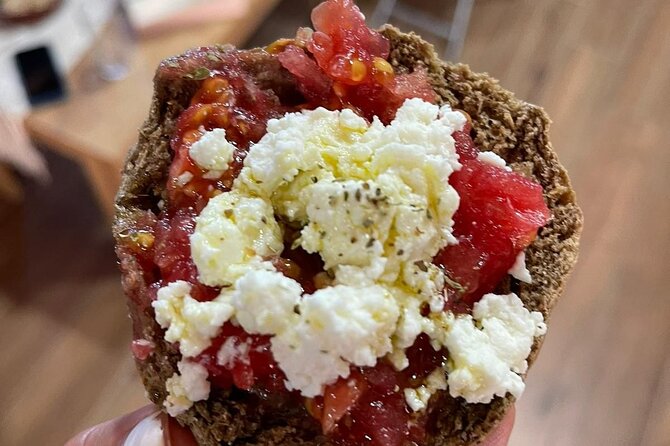
The other big win is the range of what you learn. You’re not stuck on one dish. Expect starters like tzatziki and Ntakos (with bread, tomato, and goat cheese), plus dough work for kalitsounia, and then rolling and stuffing for dolmades and vegetables. It’s a full Cretan spread, so even picky eaters usually find multiple favorites.
You can also read our reviews of more tours and experiences in Crete.

The 4-5 Hour Flow: Coffee, Dough, and When You Finally Sit Down
Timing here is very “kitchen real life.” You’re welcomed first with a homemade refreshment or a Greek coffee, plus homemade cookies. After that warm start, you get walked through the Mediterranean-based menu so you know what’s coming and what role each dish plays.
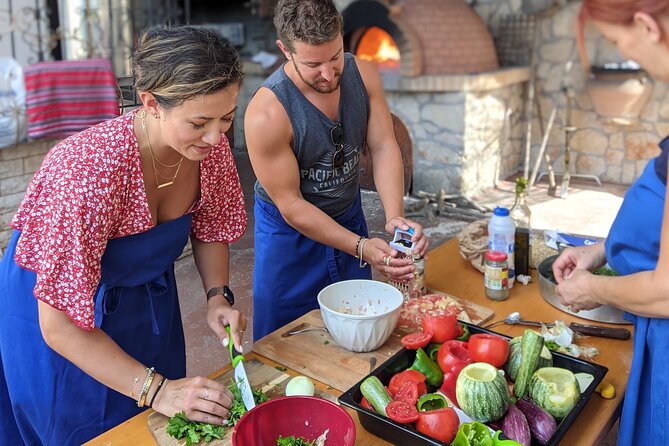
Then it’s hands-on work. You’ll learn the main lamb process for kleftiko, followed by stuffed vegetables and stuffed grape leaves (dolmades). Later comes kalitsounia, including using rolling pins to roll out the dough. Appetizers are prepared last but served first, so the order feels a little upside down—in a good way.
Here’s the practical heads-up: you spend a lot of the time cooking before the meal really happens. One helpful tip from real-world pacing is simple—eat something beforehand if you get hangry. Once you do sit down, though, you’ll understand why the wait is part of the deal: the meal is built from scratch and you’re eating what you made.
Sessions can run as lunch or dinner options. You can choose a 10:00–14:00 lunch-style timing or a 16:00–20:00 dinner-style timing, and total duration is about 4–5 hours depending on how many people are in the group.
Starters You Make First, Then Eat First: Ntakos, Tzatziki, and Cretan Salad
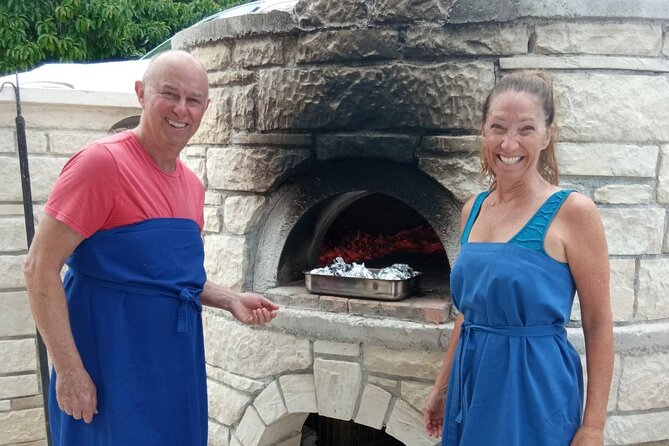
Even though appetizers are prepared later in the prep timeline, they land on your table early in the eating part. That’s a smart flow, because starters help you settle in and pace the meal.
You’ll work on dishes like:
- Ntakos (also seen as dakos): traditional Cretan baked bread topped with grape tomato and goat cheese
- Tzatziki: yogurt with cucumber and garlic
- Cretan salad: the kind of simple, fresh plate Cretans eat often
These starters also act like a flavor guide. You taste the tart tomato notes, the cool garlic-cucumber tang of tzatziki, and the comfort of bread-based dishes. Then when you move to lamb and stuffed items, the flavors make more sense in your head.
One detail I like about the way this class is structured: you don’t just eat the starters. You build them. That means you get the “why” behind texture—how the bread behaves, how the toppings balance, and how the yogurt base sets the tone for the rest of the meal.
Kleftiko Lamb (Thieves Dinner): Learning the Name and the Method
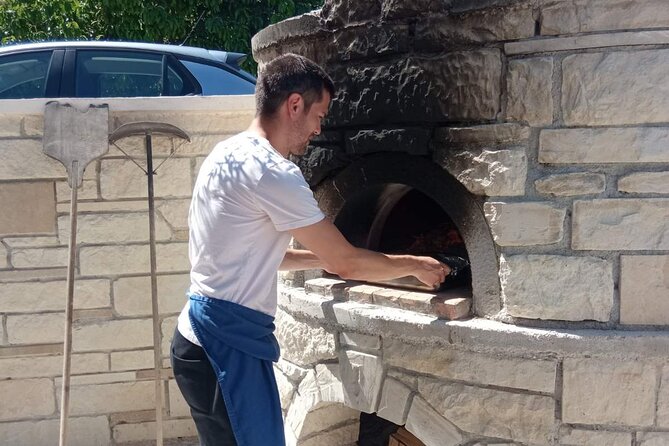
Kleftiko is the star for a reason, and you’ll cook it as the main dish. The class specifically points out the significance of the nickname “thieves dinner,” and the teaching doesn’t treat that like trivia—it gives it context so the dish feels tied to the island, not like a random lamb recipe.
In the cooking steps, you prepare a pouch stuffed with lamb, goat cheese, and vegetables. That pouch-style approach is practical: it helps keep everything tender and lets flavors mingle as it cooks.
If you care about getting the lamb right, pay attention to the “flow” of assembly rather than chasing perfection. Your goal is a sealed, well-packed setup that keeps moisture in and flavors together. You also get plenty of instruction along the way, so even if you’re not a confident cook, you’re not left guessing.
This is also where the class energy usually peaks. The work shifts from prep to main-course anticipation, and you end up feeling like you’re building the centerpiece of the evening. Once the lamb is ready, it becomes the dish that makes everyone stop talking long enough to eat.
Dolmades and Stuffed Vegetables: Rolling, Stuffing, and Staying in Control
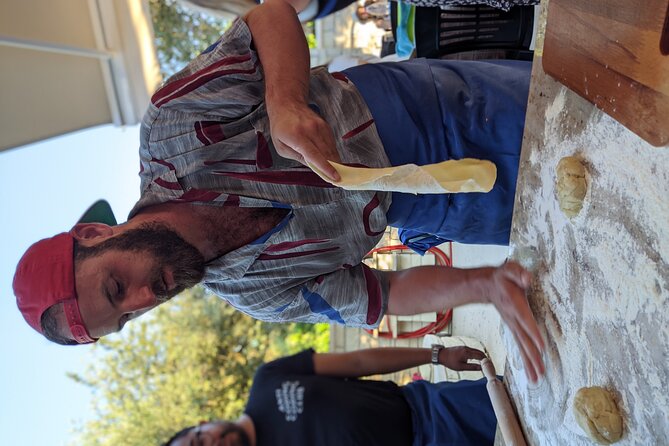
After kleftiko, you move into the stuffed section of the menu: stuffed vegetables (like tomatoes, peppers, and zucchini) and dolmades—stuffed grape leaves.
These dishes are the kind of cooking that teaches by repetition. You’ll stuff the vegetables with rice and herbs, and you’ll roll the grape leaves for dolmades. The skill isn’t complicated in concept, but it rewards patience and steady hands.
A few things make this part of the experience feel worthwhile:
- You get real practice with stuffing technique
- The flavors are herb-forward and Mediterranean, so they taste great even if you’re still learning
- The end result is shareable and satisfying, which matters once you’re sitting down with everyone
It’s also a good balance against dough work. If kalitsounia feels delicate, dolmades can feel more hands-on and straightforward. Either way, you leave with a better sense of how Cretan cooking uses simple ingredients in different formats—leaf, pocket, and pie—rather than relying on complicated sauces.


Kalitsounia with Rolling Pins: Savory Pies to Honeyed Dessert
Kalitsounia is where the class gets fun, because it brings pastry skills into the mix. You’ll learn how to make kalitsounia dough and work it out using rolling pins. That’s a standout detail for anyone who’s tried pastry at home and knows it’s not as easy as it looks.
You’ll make savory kalitsounia filled with cheese and wild greens and herbs from an organic garden. Then you’ll make a sweet version for dessert, with cheese and honey.
There are two extra dessert elements too, depending on how the meal lands:
- Yogurt with spoon sweet, where wild fruits are processed into a spoonable fruit preserve
- Sweet, seasonal bites after the main courses
This dessert arc is important. It finishes the meal with the right kind of Cretan sweetness—often not overly heavy. Plus, since you helped make the kalitsounia earlier, you understand the transformation from dough to pie, and then from savory to sweet.
If you’re the type who loves cooking classes for the skill transfer, kalitsounia is the biggest “take-home” win here. It’s also the dish that turns lunch or dinner into a story you can tell later: the moment you rolled dough and then ate it a short time afterward.
Eating What You Cook: Outdoors, Olive Groves, Wine, and Dessert Timing
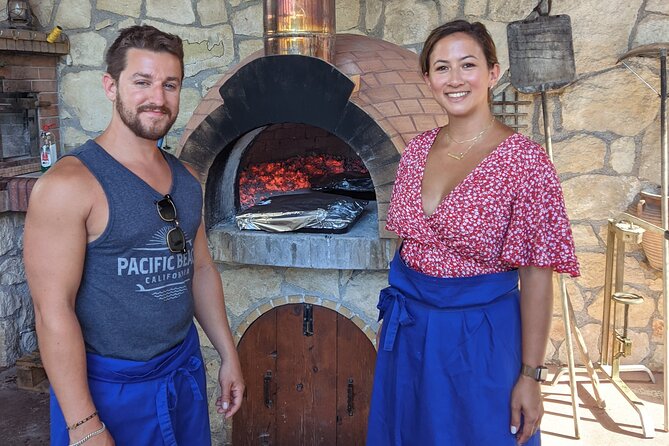
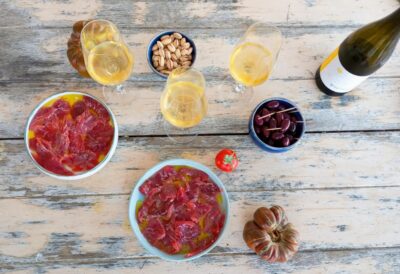
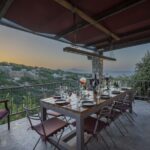
After all the hands-on work, the meal becomes the payoff. You’ll enjoy the traditional Cretan dishes you created with copious local wine, plus soft drinks. The setting often includes an outdoor kitchen setup, and the garden-and-olive-grove feel shows up in real-world descriptions of the property. Expect a relaxed vibe, not a formal restaurant rhythm.
And yes, dessert is part of the plan. You’re encouraged to leave room, because the last course isn’t an afterthought. The sweet kalitsounia with honey and the yogurt with spoon sweet are built to round out the meal, not just add sugar.
One more practical note: because this is a real cooking session, food timing can feel slightly different than a restaurant. Some people love that. Some people hate waiting. If you’re the first type, you’ll enjoy the kitchen-to-table rhythm. If you’re the second type, plan a small snack before you go and you’ll be much happier with the pacing.
The best kind of meal is the one where you can taste your effort. This class hits that goal hard.
Price and Logistics: Pickup, Semi-Private Transport, and Value Around 105 EUR
For adults, the price is listed as 105 EUR, and the tour summary shows around $133.08 per person. Either way, the value is strong because you’re paying for far more than a tasting flight.
You’re included for:
- ingredients for everything you cook
- local wine and soft drinks
- a full lunch or dinner experience (depending on your selected time slot)
When you compare that to the cost of a restaurant meal plus wine, you’re really buying the kitchen time—plus the instruction—and getting the meal as the return. And since the class teaches multiple dishes, you’re not just “learning one recipe.”
Logistics are pretty straightforward. Pickup is offered for an extra fee depending on your location, and the transport is semi-private. You may share the ride with other guests. The service uses a 9-seat van and an EV, and the experience ends back at the meeting point.
The meeting point is listed near Nerokouros in Chania, and the exact location is emailed after confirmation. You’ll also get a mobile ticket, and the class is offered in English.
Group size is capped at a maximum of 40, and smaller group experiences happen naturally depending on scheduling. That matters if you don’t want to feel like you’re cooking in a crowd.
Should You Book This Chania Cooking Class?
If you’re in Chania and want a real taste of Cretan food, this is a very easy yes. You’ll cook kleftiko lamb, learn dolmades and stuffed vegetables, and handle the dough for kalitsounia—then eat a full meal with wine that matches what you made. It’s hands-on, family-run, and built around a proper Cretan spread.
I’d think twice only if timing frustrates you or you hate waiting for the meal. This class is long enough that you’ll want to show up with at least some food in your system. Also, if you’re expecting a super-quiet, private experience, remember it’s capped at 40 and transport can be shared.
If you’re flexible, open to cooking, and excited to take the flavors of Crete home with you, booking is a smart move.
FAQ
How long is the Chania cooking class?
It’s about 4 hours on average, and it can run 4–5 hours depending on the number of participants.
Do I get lunch or dinner?
You can choose a lunch session (10:00–14:00) or a dinner session (16:00–20:00). Meals are included in both cases.
What dishes will I learn to make?
The class covers Cretan dishes including Ntakos and tzatziki starters, kalitsounia (savory and sweet), kleftiko (thieves dinner) lamb, plus stuffed vegetables and dolmades.
Is transportation included?
Transportation is not included in the base price. Pickup is offered for an extra fee depending on your location, and the activity ends back at the meeting point.
Are ingredients and drinks included?
Yes. Everything you need to cook is provided, along with local wine and soft drinks.
Is the class in English?
Yes, the class is offered in English.
Is free cancellation available?
Yes. You can cancel for a full refund up to 24 hours in advance. After that point, no refund is provided.