REVIEW · GRAN CANARIA
CANYONING aquatic and fun route in Gran Canaria
Book on Viator →Operated by YUKAN Outdoor Gran Canaria · Bookable on Viator
If you like adrenaline with structure, try canyoning.
This canyoning trip in Gran Canaria mixes practical skills with real volcanic scenery, and I love how it’s organized around safety-first guidance and certified supervision. You’ll get a wetsuit and helmet, plus belays on the tricky bits so you’re not guessing your way through rappels. The one downside to consider: you should expect to get wet, feel cold at times, and deal with a little scrambling.
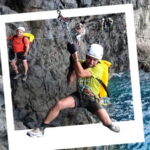
What makes it especially appealing is that you’re not stuck waiting around in a huge crowd. This is a private activity with a reduced group, and that means less downtime between steps. You can choose an aquatic canyon for waterfall abseiling through a green, water-fed route, or a dry canyon that’s more hiking-focused and ends with a maximum 9-meter rappel and geology views of volcanic lava layers.
Plan for a moderate fitness level. The activity runs about 4 hours starting at 10:00 am, and it depends on good weather. If you’re expecting an easy stroll, this is not that.
In This Review
- Quick Takes Before You Book
- Canyon-Worthy Value: What You Get for $78.58
- Aquatic vs Dry Canyoning: Pick the Route That Fits Your Day
- Aquatic canyoning: greener, wetter, and built around water
- Dry canyoning: more hiking, volcanic geology, and a capped rappel height
- The 10:00 am Start and the Meeting Point Reality Check
- Gear, Wetsuits, and the Safety System That Actually Matters
- Inside the Canyon: Rappels, Waterfalls, and Lava-Layer Views
- How the guides teach rappelling
- What makes the scenery feel different
- After the ropes: rest and the return trail
- Guide Energy: Why People Keep Mentioning the Same Names
- Fitness, Cold-Wet Reality, and Who This Suits Best
- Price and Scheduling: How to Decide If It’s Worth Your Time
- Photos and Memories: Don’t Rely on Your Camera
- Should You Book This Canyoning Trip?
- FAQ
- How long is the canyoning experience?
- Where does the tour start?
- What time does it start?
- Is pickup available?
- What routes are offered?
- What gear is included?
- Is this private or shared with strangers?
- What fitness level do I need?
- What language are the guides?
- What happens if the weather is bad?
- FAQ
- What is the cancellation window?
- Are there photos from the trip?
- How far in advance should I book?
Quick Takes Before You Book
- Aquatic or dry route options so you match the day to your mood
- Wetsuit and helmet provided to help you stay warm and protected
- Certified guide belaying keeps you secure on rappels
- Max 9-meter rappel on the dry canyon option for a clear intensity target
- Reduced-group private feel with less waiting and more doing
- Guides like Nestor, Dani/Daniel, Pablo, and even the YUKAN Outdoor Gran Canaria team are repeatedly praised for keeping people at ease
Canyon-Worthy Value: What You Get for $78.58
At $78.58 per person for about four hours, this isn’t just a ticket price—it’s paying for time, instruction, and real safety support. You’re not only getting the canyon. You’re also getting skills and supervision: the guides belay you and supervise you during the rappels, which is the part most people feel anxious about.
The value also shows up in how the trip is built to reduce wasted time. Since it’s a private activity with only your group, you avoid the worst kind of tour bottleneck—waiting while someone else learns or repeats a step. One of the best indicators of value is that people rate it 5/5 with 100% recommending it (218 ratings), and the feedback consistently circles back to feeling safe while still having fun.
Yes, it’s an outdoor adventure, not a museum ticket. You might leave a little bruised or scratched, and you’ll likely be wet. But that’s the point. If you want to see Gran Canaria in a way you can’t from a bus window, this is a hands-on way to do it.
You can also read our reviews of more tours and experiences in Gran Canaria.
Aquatic vs Dry Canyoning: Pick the Route That Fits Your Day
This tour offers two distinct styles, and choosing the right one is half the fun.
Aquatic canyoning: greener, wetter, and built around water
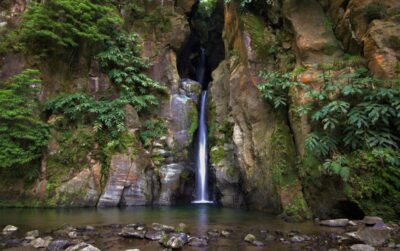
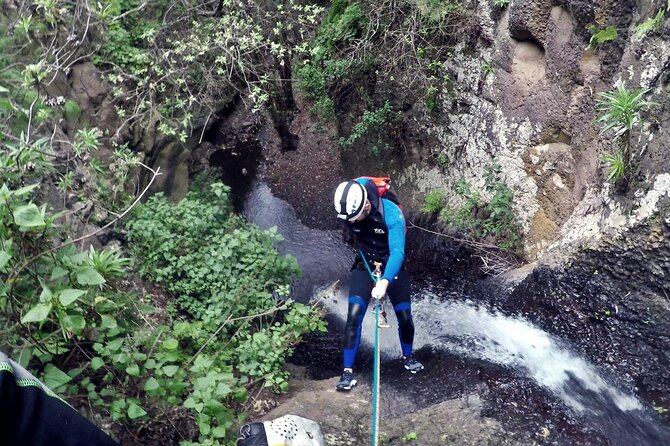
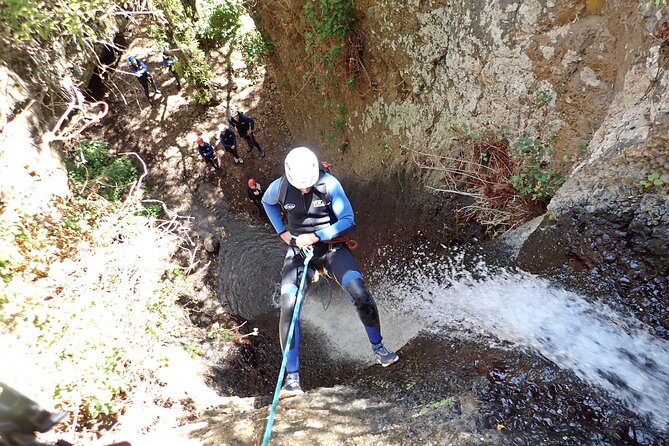
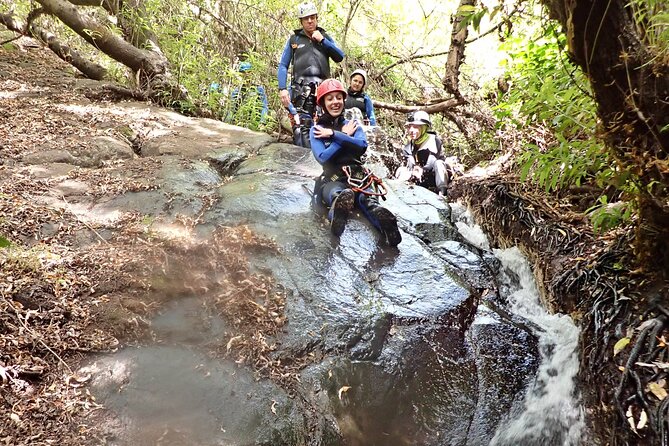
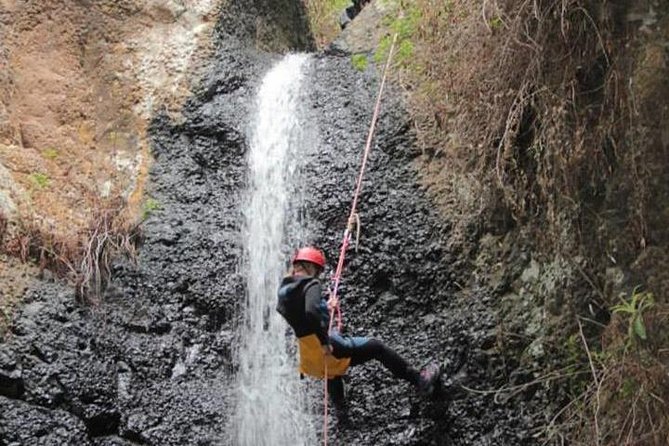
In the aquatic route, you move toward a fresh green forest area, following the water course. The guides also point out local plant life along the way, so the day isn’t just about adrenaline—it’s tied to the island’s natural details. Then you learn about how rappelling works and you get to enjoy waterfall abseiling, which is where the excitement really ramps up.
If you love the feeling of being in nature, hearing water, and getting soaked in a controlled, guided way, the aquatic option makes the most sense.
Dry canyoning: more hiking, volcanic geology, and a capped rappel height
The dry canyon option starts with hiking. Your goal is to reach the canyon for ropes and rappelling. The maximum rappel height is 9 meters, which gives you a clear intensity level without turning the day into something you can’t manage.
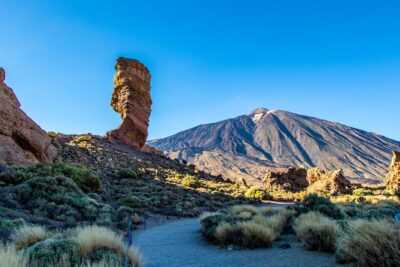
Here the payoff is visual and educational: you can look at different layers of volcanic lava in the canyon walls while you’re moving and waiting your turn at the ropes.
If you’re the type who likes walking as much as descending, or you’d rather keep things a bit less wet, the dry route can feel like the sweet spot.
The 10:00 am Start and the Meeting Point Reality Check
This one starts at 10:00 am at Barranquismo Los Cernícalos (GC-130), 35211 Telde, Las Palmas, Spain and ends back at the meeting point. That matters because canyoning is all about momentum. You want to be on time so you can get gear checked, briefings done, and then get moving into the canyon while conditions are right.
Pickup is available but note the detail: pickup only with a PREMIUM price. If you’re traveling light or you prefer to sort your own transport, you might plan around the fact that it’s listed as near public transportation.
Also, confirmation comes at booking time, and it uses a mobile ticket, so you’re not stuck with printing or last-minute scanning problems.
The overall feel you’re aiming for here is an active half-day. About four hours is enough time to do rappels and still have a return hiking/adventure trail moment without turning the day into a full-day endurance test.
Gear, Wetsuits, and the Safety System That Actually Matters
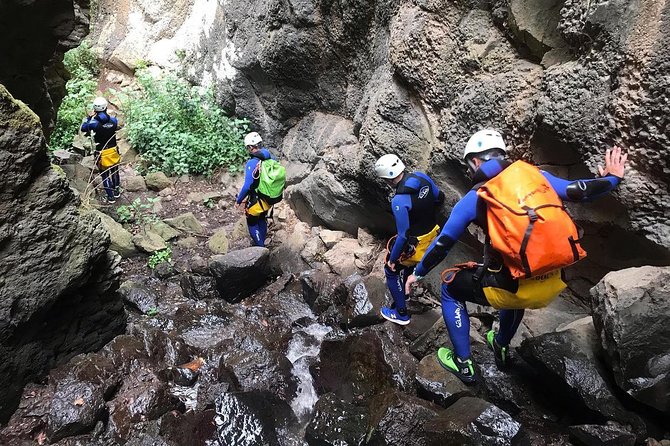
The gear list is refreshingly clear: you get a wetsuit and a helmet. That’s key on Gran Canaria, where the canyon can feel cooler once you’re wet and moving through shade.
But the real safety value is how the guides work with you. The trip emphasizes that certified guides belay you and supervise you always. In plain terms: you’re not thrown into rappelling and told good luck. You’re assisted through the process, and you’re watched during the moments where mistakes matter.
One thing I like about the way this is described is that it treats safety as part of the experience, not a separate checkbox. Expect clear guidance on rappelling technique. Then expect hands-on help when you’re making the controlled descents.
And yes, you should still be ready for the real outdoors. One person’s takeaway was exactly this: you will get wet, you might feel cold, and you might get bruises or scratches. That doesn’t mean it’s unsafe. It means this is true activity, not a staged photo-op.
Inside the Canyon: Rappels, Waterfalls, and Lava-Layer Views
The canyon portion is the main event, and it’s designed so you learn while you do.
How the guides teach rappelling
You’re taught how to rappel so you can enjoy the waterfall abseilling in the aquatic option or complete your rope descent in the dry option. That means your first “attempt” isn’t blind. You’ll get explanations before you start.
On the dry canyon route, the maximum rappel is 9 meters, so you get a proper vertical challenge without it going off the charts.
What makes the scenery feel different
Gran Canaria’s volcanic character shows up in a very personal way when you’re actually in the canyon. In the dry option, you can look at the canyon walls and notice layers of volcanic lava. That turns the rope time into something more than just adrenaline—it becomes a chance to see geology up close.
In the aquatic route, the scenery changes again. You’re moving through areas that feel greener and more “alive,” following the water course. Guides also bring in local plant knowledge, so the route feels like a nature walk that turns into an adventure.
After the ropes: rest and the return trail
After the rappels, there’s a break in a wonderful spot, and then you return on an adventure trail. This is a smart pacing choice. You get adrenaline, then you get a moment to catch your breath (and warm up a bit in the sun) before heading back.
Guide Energy: Why People Keep Mentioning the Same Names
When people describe a canyoning trip as their best adventure, it’s usually because the guide is good at two things: keeping fear controlled and keeping instructions understandable.
In the feedback, names show up again and again. Nestor is credited with expertise, enthusiasm, and safety attention that made people feel at ease. Dani/Daniel gets praise for enthusiasm and also for reassuring beginners—especially people who were nervous signing up. Pablo is repeatedly described as friendly, patient, and supportive, even for families that weren’t the most confident at first.
There’s also a mention of the YUKAN Outdoor Gran Canaria guide team as extremely helpful and informative—exactly what you want when you’re learning new physical skills in a setting that isn’t forgiving.
If you’re a beginner, this matters: the most common anxiety is not the hiking. It’s the moment you’re clipped in and standing at the edge. The guides’ belay system and consistent supervision seem to be the reason people rate the experience so highly.
Fitness, Cold-Wet Reality, and Who This Suits Best
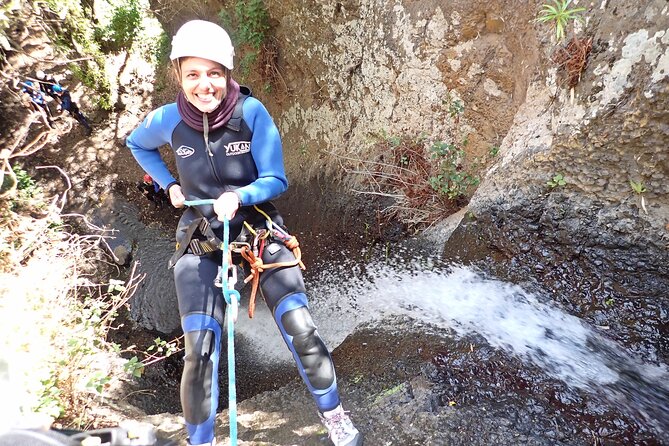
The tour says you need moderate physical fitness. That’s fair. You’re hiking to the canyon (especially in the dry route) and then moving through uneven terrain. Even if you’re not a hardcore athlete, you should feel comfortable walking and handling steps with some scrambling.
You should also be mentally ready for the sensory side of canyoning:
- You’ll likely be wet for much of the experience
- You might feel cold at points
- You may get small bruises or scratches, because ropes and rocks come with consequences
That said, this trip has a track record with younger adventurers. Families mention kids around 10 to 13 doing it, with guides adjusting and keeping them safe. If you’re considering it for teens, start with honesty about nervousness: the feedback suggests guides handle beginners well.
Who this suits best:
- Active travelers who want hands-on nature time, not sightseeing only
- People who want safety support without losing the thrill
- Families with kids who can listen, follow instructions, and keep moving
If you have concerns about heights, water, or getting cold, the key is to choose the route that matches you—aquatic for water-and-waterfall energy, dry for more hiking and lava views.
Price and Scheduling: How to Decide If It’s Worth Your Time
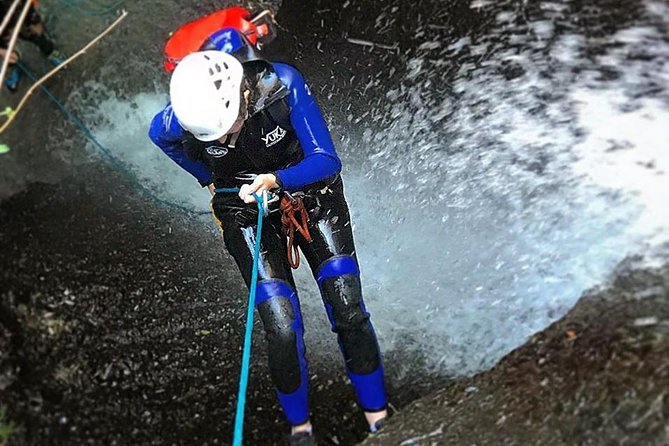
The big question is: is $78.58 worth it? For me, the value depends on what you’re trying to get from Gran Canaria.
If you want a “do something different” morning where you learn a skill, get real nature scenery, and leave feeling like you actually experienced the island, then yes, it’s good value. You’re paying for:
- certified-guided rappelling and supervision
- gear like wetsuits and helmets
- a route that’s built around either waterfall descent or volcanic geology
- a reduced-group private feel that cuts down waiting
Also, it’s booked about 11 days in advance on average, which tells me this isn’t something everyone leaves to the last minute. If your schedule is tight, booking sooner is the safer move.
On timing: it’s a morning start. That’s ideal if you want the rest of the day free for beaches, lunch, or a slow wander through Telde or elsewhere on the island.
Photos and Memories: Don’t Rely on Your Camera
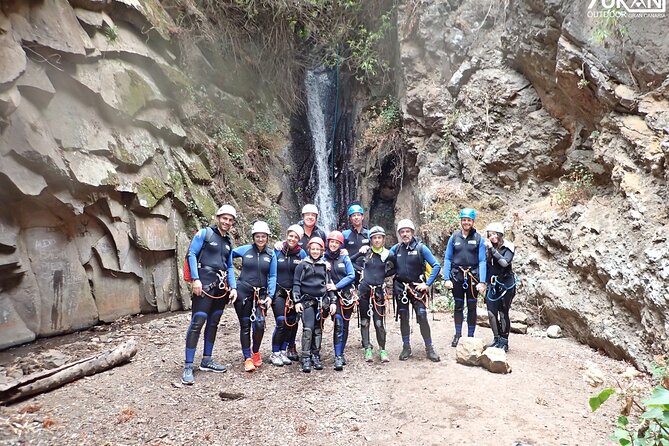
One practical perk that comes up in the experience feedback: guides take photos and share them afterward. In one case, photos were sent via WhatsApp, and that meant someone didn’t feel the need to keep a phone out during the action.
That’s a real comfort advantage. When you’re wet and focused on staying secure on ropes, the less you juggle devices, the better. Still, only you can decide how much you want to bring tech. The trip is clearly designed for movement first.
Should You Book This Canyoning Trip?
I’d book it if you want a guided adventure that blends safety, skill, and genuine scenery. Choose the aquatic route if you want waterfall abseiling and a greener water-course vibe. Choose the dry route if you prefer more hiking, volcanic lava layers, and rappels capped at 9 meters.
Skip it (or think twice) if getting cold and wet sounds miserable, or if you’re not comfortable with moderate hiking and rocky footing. Also, remember it requires good weather, so you want a plan for flexibility.
If you’re looking for the kind of experience where the guide names come up repeatedly for a reason—because people feel looked after—this is one of the stronger canyoning options on Gran Canaria.
FAQ
How long is the canyoning experience?
It lasts about 4 hours.
Where does the tour start?
It starts at Barranquismo Los Cernícalos GC-130, 35211 Telde, Las Palmas, Spain.
What time does it start?
The start time is 10:00 am.
Is pickup available?
Pickup is available, but only with a PREMIUM price.
What routes are offered?
You can choose between an aquatic canyon and a dry canyon.
What gear is included?
A wetsuit and a helmet are provided.
Is this private or shared with strangers?
It is private, with only your group participating.
What fitness level do I need?
The experience is for travelers with a moderate physical fitness level.
What language are the guides?
It’s offered in English.
What happens if the weather is bad?
The activity requires good weather. If it’s canceled due to poor weather, you’ll be offered a different date or a full refund.
FAQ
What is the cancellation window?
Free cancellation is available. You can cancel up to 24 hours in advance for a full refund.
Are there photos from the trip?
The experience includes photos in at least some cases, and one guest mentioned receiving photos via WhatsApp after the trip.
How far in advance should I book?
On average, it’s booked about 11 days in advance.