REVIEW · NAXOS
Naxos: Half-Day Cooking Class at Basiliko Family Tavern
Book on GetYourGuide →Operated by Naxos: Cooking Lessons at Basiliko · Bookable on GetYourGuide
Food on Naxos tastes better when you help make it. This 4-hour class at Basiliko Family Tavern turns Naxian cuisine into something you can actually cook, from garden to table.
What I like most is the hands-on flow: you cut, stuff, and prep while your host explains what makes local flavors work. I also love the built-in farm time—walking the property, seeing animals, and even watching cheese making so you understand the ingredients beyond a plate. One thing to plan for: it’s 10 km from Naxos Town and there’s no hotel transfer, so getting there on your own (or arranging a ride early) matters more than you’d think.
In This Review
- Key points before you go
- Why a Basiliko Family Tavern class feels like Naxos, not a show
- Entering Potamia: where the day starts (and what to expect walking)
- Garden picking: how you turn ingredients into flavor memory
- The river stroll and the village context you actually remember
- Cheese making: seeing the work behind the dairy
- Time to cook: how the class stays hands-on (and fun)
- The feast: wine, starters, and the family-style finish
- Music, dancing, and the famous plate moment
- Price and value: what $117 buys you in real terms
- Who this fits best (and who might not love it)
- Small-group vibe matters: why max 15 feels personal
- What to bring and what to plan around
- Should you book Basiliko’s cooking class?
- FAQ
- How long is the Naxos half-day cooking class?
- Where is the meeting point?
- Is wine included?
- Do I need to arrange my own transportation?
- Is the class taught in English?
- What should I bring?
Key points before you go
- Potamia setting: the cooking happens at Basiliko Family Tavern in a traditional village area, not a city kitchen.
- Farm-to-ingredients: you pick produce straight from the family garden and use it right away.
- Short walk + local context: you may stroll up to a river and learn village and island stories along the way.
- Cheese making look-see: you can see the process with a local producer during the experience.
- You eat what you make: the class ends as a family-style feast with wine and starters.
- Music and dancing energy: Greek dancing is part of the finish, and plate breaking shows up in the celebrations.
Why a Basiliko Family Tavern class feels like Naxos, not a show
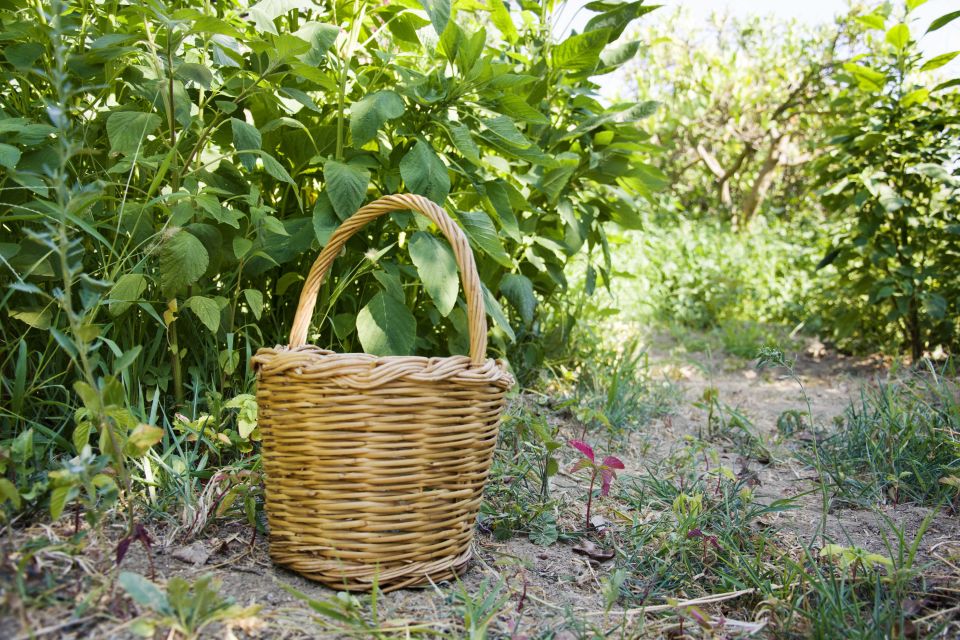
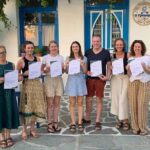
This isn’t a cooking demo where you watch someone else do the work. The whole point is participation. You’ll be doing real tasks—chopping, stuffing, assembling—while the instructors (often Anna, Ana, Jakob/Jak, Maria, Jack/Jac) keep things friendly and grounded in local habits.
That hands-on structure is a big value play. For $117 per person and about 4 hours, you’re not just buying recipes. You’re buying context: where the herbs come from, how the farm operates, and how Naxian food fits into everyday rural life.
You can also read our reviews of more tours and experiences in Naxos.

Entering Potamia: where the day starts (and what to expect walking)
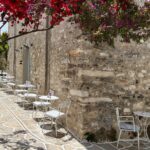
Your meeting point is Potamia Village, at Basiliko Family Tavern (about 10 km from Naxos Town). Plan transport early because last-minute taxis can be hard to line up, and the roads in this part of the island can feel tight and winding.
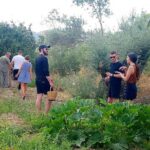
Once you arrive, the day usually starts with a welcome and a property tour vibe. Expect a walk around the gardens and farm areas where you’ll meet livestock and see how the household runs. Many hosts point out specific herbs and aromatic plants, and that matters because you’ll use that knowledge later while cooking.
Practical note: bring comfortable shoes. Several guests note the ground can be uneven and there’s more walking than you might assume from a half-day label.
Garden picking: how you turn ingredients into flavor memory
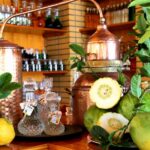
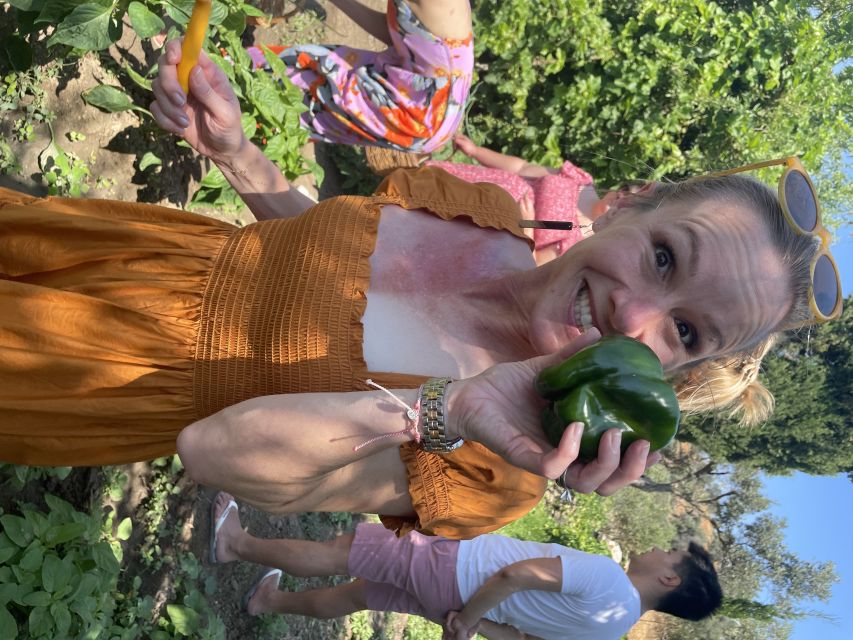
One of the most praised moments is collecting ingredients directly from the garden. This is where the class stops being abstract. When you pick your own produce—vegetables, fruits, herbs—you pay attention. You start noticing aromas and textures, and you end up cooking with more confidence.
I like this approach because it’s fast learning. You don’t need a food degree. You need a quick way to understand what’s fresh, what’s seasonal, and what pairs well on Naxos. The program is built around local and fresh ingredients and calls out organic products.
If you’re prone to sunburn, take the garden part seriously. Wear sunscreen, sunglasses, and a hat. You’ll likely be outside during the picking and farm walk.
The river stroll and the village context you actually remember
You may add a short walk up to the local river with your instructor. This is one of those small pieces that makes the day feel like travel, not a workshop. Over the walk, hosts often share history and cultural details tied to the area—what life on Naxos rural land looks like and how traditions connect to food.
Some sessions include extra stops on the property grounds tied to local heritage (for example, references to a Byzantine chapel and a Venetian tower show up in guest accounts). Even if those stops don’t happen every time, the program is clearly designed to connect what you’re cooking to where people have lived and worked.
Cheese making: seeing the work behind the dairy
A signature feature is seeing the cheese making process with a local producer. You’ll get a peek behind one of the most important building blocks of Greek food. It’s not about tasting cheese in a vacuum—it’s about understanding the craft and the local system that supports it.
This part also sets expectations for the meal. Once you’ve seen how cheese fits into the bigger picture, you’ll notice it more when dishes land on the table. It’s one of those quiet “now I get it” moments.


Time to cook: how the class stays hands-on (and fun)
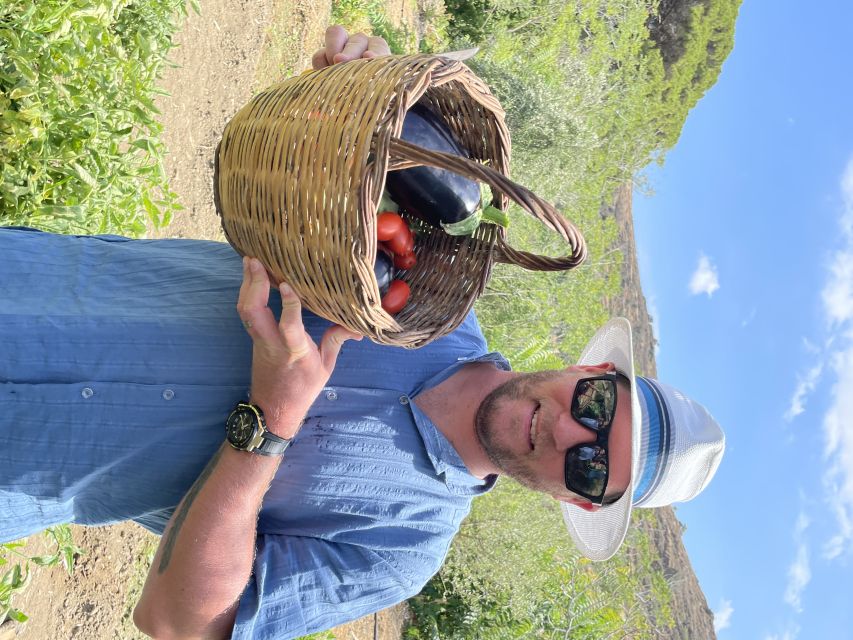
The cooking portion is the core. The day is structured so you’re doing more than stirring. You can expect tasks like chopping vegetables, preparing fillings, and assembling dishes together as a group.
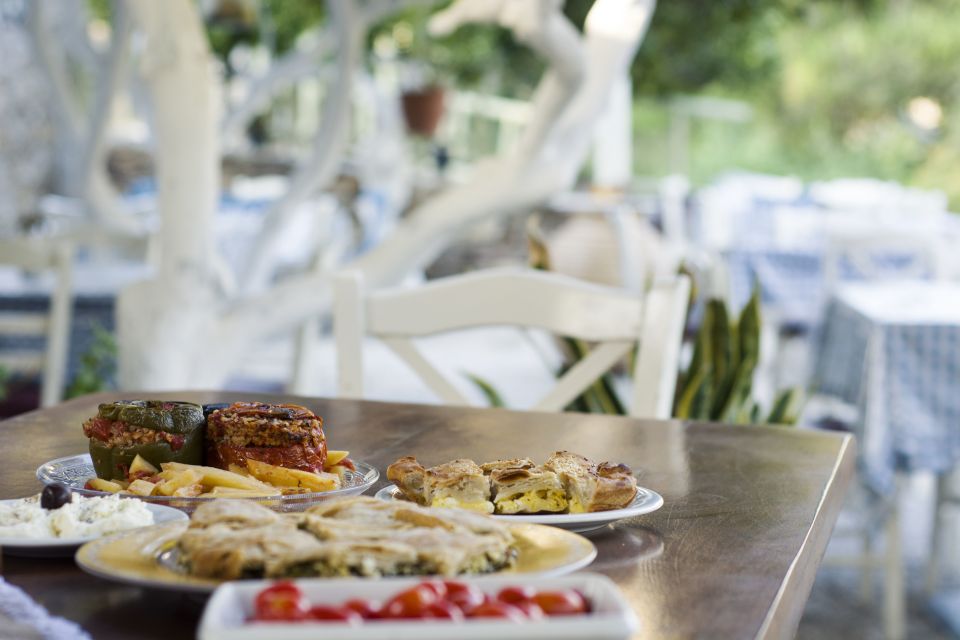
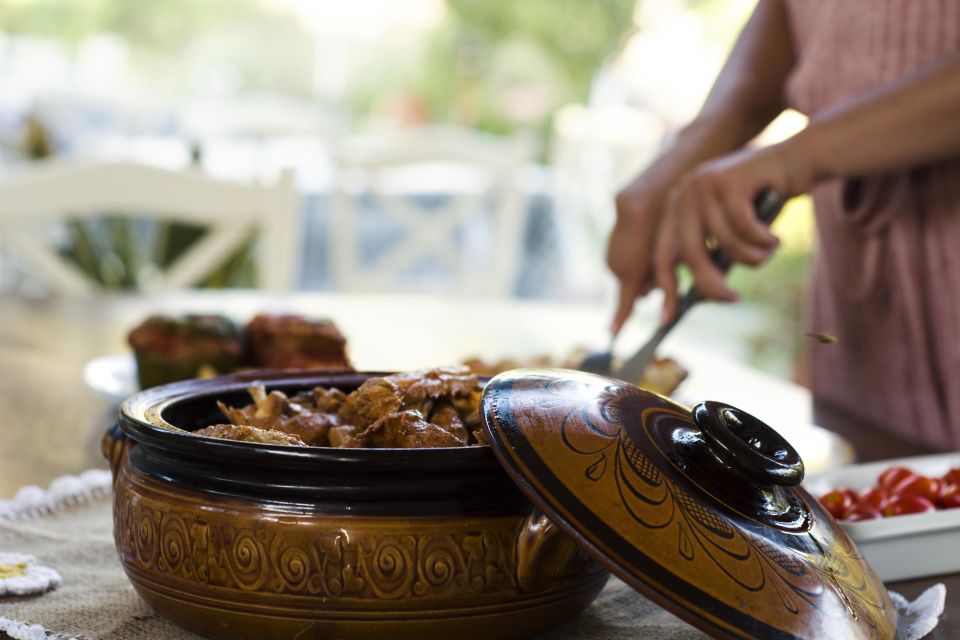
Depending on the group and session, you might cook things like stuffed vegetable styles (stuffed peppers and similar dishes show up repeatedly in guest stories). You may also see vegetarian-focused cooking in some groups. The consistent thread is that you’re learning Naxian cooking recipes with fresh local ingredients.
A key value detail: instructors generally explain not just what to do, but why. Hosts share techniques connected to herbs, aromatic plants, and flavor building. That makes the recipes easier to repeat at home later.
The feast: wine, starters, and the family-style finish
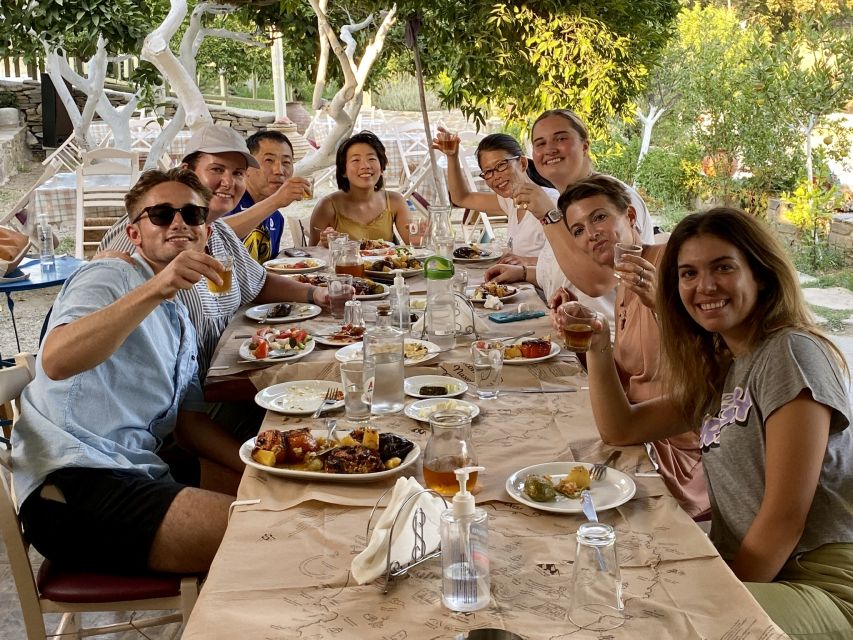
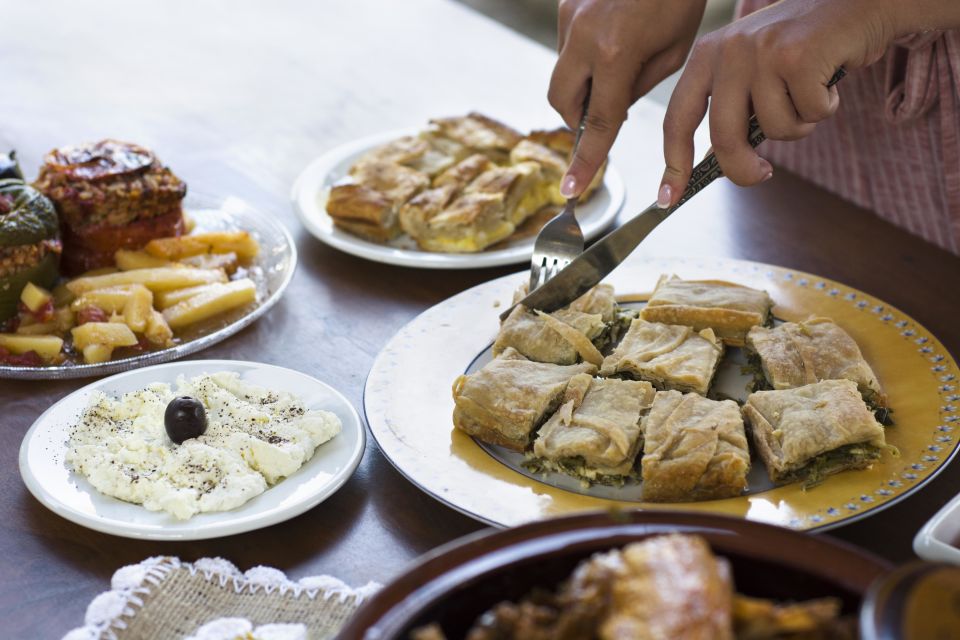
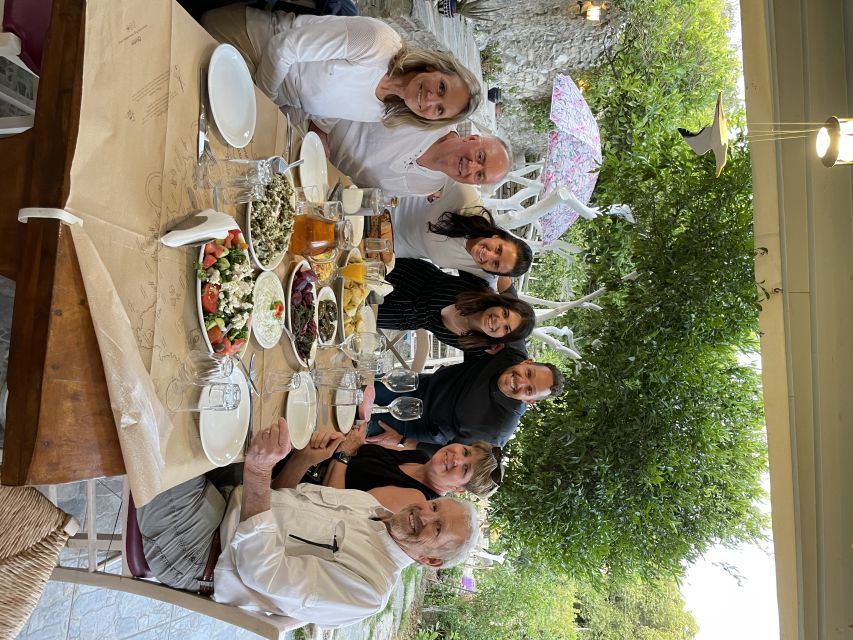
Then comes the meal you made—often described as a feast, not a token dinner. Included in the price are local wine, starters, and the meals you prepare. That matters because it turns the half-day into a complete experience. You’re not leaving hungry, and you’re not paying extra for the fun part.
Family-style table setup is a big part of the atmosphere. Guests describe it as communal and celebratory, the kind of meal where strangers chat and you end up comparing notes on what you thought was the hardest step.
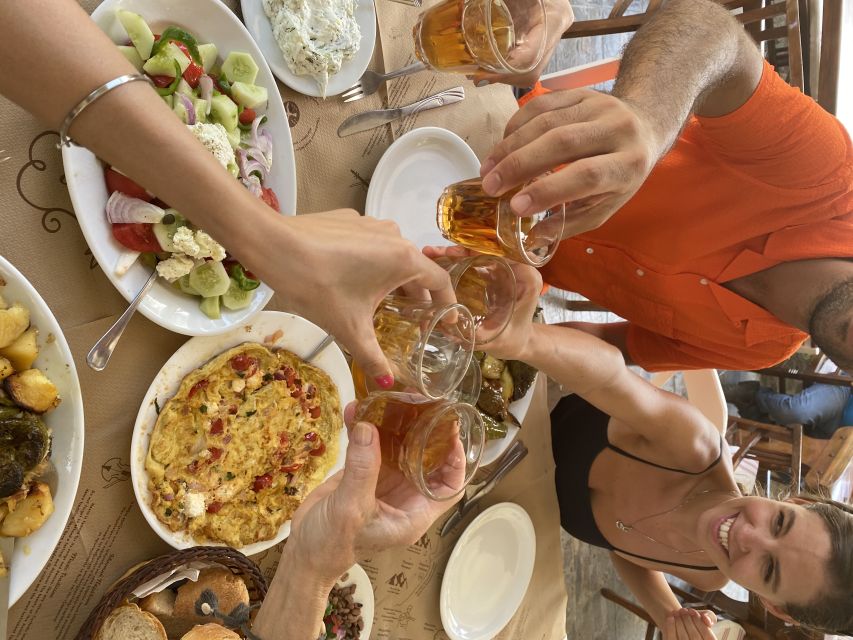
Wine and non-alcoholic drinks tend to flow during the food portion (lemonade shows up in accounts), and many groups end up feeling like the event started hours ago and somehow sped up.
Music, dancing, and the famous plate moment
The ending is where the energy turns festive. Traditional music and Greek dancing are part of the wrap-up, and plate smashing shows up in the celebration. In at least some sessions, breaking plates is treated as part of the final send-off—messy, loud, and memorable.
This part is optional in tone depending on the group and host, but the overall goal is clear: you’re not leaving with a cookbook feeling. You’re leaving with a story.
Price and value: what $117 buys you in real terms
At $117 per person for about 4 hours, this isn’t the cheapest thing in Naxos. But it’s priced like a cultural experience with real costs baked in: farm access, ingredient sourcing, an instructor, and food plus wine.
Here’s the value math I think about:
- You’re getting a guided farm experience, not just a kitchen class.
- You’re using ingredients you picked, which supports the hands-on learning.
- You’re eating what you make, plus starters and wine.
If you’ve only got one cooking-related activity on your trip, this is a strong pick because so much is included. If you’re someone who wants purely theoretical cooking knowledge with no eating involved, you may feel it’s more of a party meal than a culinary workshop.
Who this fits best (and who might not love it)
This experience fits best if you want food AND the reason behind the food. It’s great for couples, friends, and small groups who like hands-on travel and don’t mind walking on uneven ground.
It’s also a nice match if you’re curious about rural island life. Several accounts mention learning about farm operations, local traditions, and history tied to the property and village.
You might want to skip it (or at least mentally adjust) if:
- you hate being outdoors in the sun,
- you need long stretches of sitting and quiet,
- you’re not comfortable with driving to a non-central location without a transfer.
Small-group vibe matters: why max 15 feels personal
The class welcomes a maximum of 15 participants. That size is a sweet spot. You’re far enough into the group that you feel included, but not so packed that it becomes slow or chaotic.
That’s also why the hosts can keep the pace lively. Guests repeatedly describe the atmosphere as warm and welcoming, with instructors treating people like part of the day rather than just paying customers.
What to bring and what to plan around
Bring:
- Comfortable shoes (you’ll walk more than you expect)
- Sunglasses and sun hat
- Sunscreen
Not allowed:
- Luggage or large bags
Before you go:
- If you have food allergies, provide details at booking. The info is explicitly requested, so don’t wing it.
In your planning:
- You should arrange transport early since there’s no hotel transfer and the tavern is 10 km from Naxos Town (and about 15 km from Agia Anna beach).
Should you book Basiliko’s cooking class?
Yes, if you want a cooking class that feels like Naxos life. This one earns its reputation through participation: garden picking, farm touring, hands-on cooking, and then a meal with wine and dancing. The best part is that you don’t just learn recipes—you learn what makes them local.
Book with a practical mindset. Plan your ride to Potamia ahead of time, wear shoes you trust on uneven ground, and embrace the outdoor start. If you do that, you’ll end the day full, sun-touched, and with at least a few dishes you’ll actually want to remake.
FAQ
How long is the Naxos half-day cooking class?
The experience lasts about 4 hours.
Where is the meeting point?
You meet at Basiliko Family Tavern in Potamia Village.
Is wine included?
Yes. The price includes local wine along with starters and the meals you prepare.
Do I need to arrange my own transportation?
Yes. Hotel transfers are not included, and the venue is 10 km from Naxos Town.
Is the class taught in English?
Yes, the instructor is English.
What should I bring?
Wear comfortable shoes and bring sunglasses, a sun hat, and sunscreen. Large bags and luggage are not allowed.