REVIEW · NAXOS
Naxos: Highlights Bus Tour with Free Time for Lunch and Swim
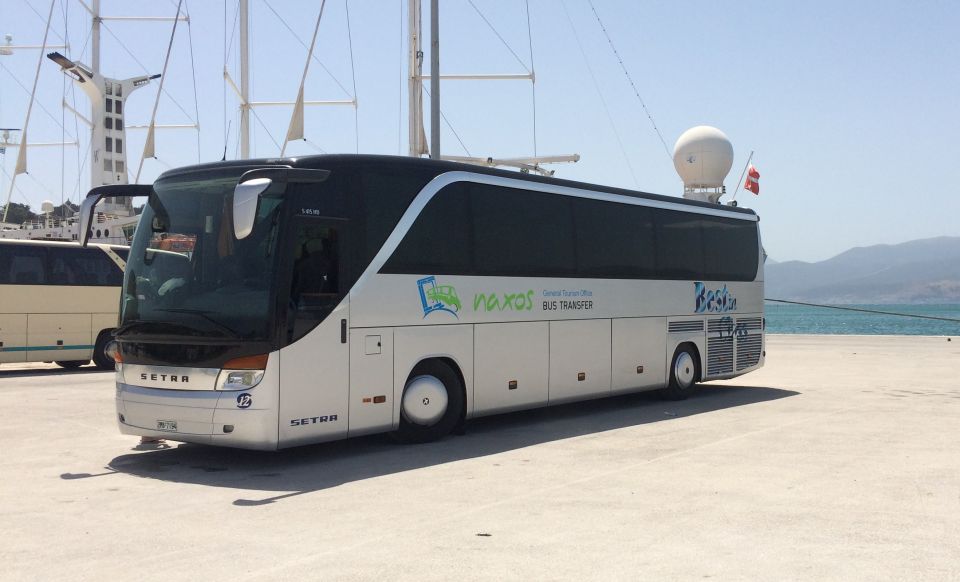
Book on GetYourGuide →Operated by Naxos Bus Transfer · Bookable on GetYourGuide
Ancient temples and a swim in one day. That’s the basic recipe of this Naxos bus tour: an air-conditioned ride that takes you into the island’s villages and archaeological stops, then hands you real free time to wander, eat, and cool off. I love the pairing of Demeter’s Temple in the Gyroula valley with the Apollonas Bay swim break at the end. The only thing to plan for is the long day and the winding roads—if you’re prone to motion sickness, this route can be a rough one.
What also works well is the structure. You get guided context from a Greek/English local guide during the day, then you’re given blocks of freedom in places like Chalki and Apiranthos so you can shop, snack, and take photos at your own pace. Just keep in mind the tour is mostly walking uphill and climbing steps at the Temple of Demeter and at the Kouros site.
In This Review
- Key highlights worth aiming for
- How the Naxos Highlights Bus Tour Works in 8 Hours
- From pickup to Gyroula: Demeter’s Temple and what to expect
- Damalas olive press museum and Limpertas pottery: the hands-on culture stop
- Chalki: Venetian architecture, shops, and 45 minutes to wander
- Apiranthos at the foot of Fanari: lunch time, views, and shop browsing
- Apollonas Bay swim stop and the Kouros moment you don’t expect
- Price and value: what $35 gets you (and what costs extra)
- The winding roads reality check: comfort tips that actually help
- Who should book this Naxos bus tour (and who should skip it)
- Should you book this Naxos highlights bus tour?
- FAQ
- How long is the Naxos highlights bus tour?
- What does the tour cost?
- What’s included in the price?
- Is lunch included?
- Is there an entrance fee for Demeter’s Temple?
- Is there a swimming stop?
- What should I bring?
- What happens on Tuesdays?
- Is the tour suitable for everyone?
Key highlights worth aiming for

- Gyroula’s Demeter Temple: you get an explanation before entry, since the guide can’t go inside.
- Damalas olive culture: a restored olive press museum shows how oil work used to happen.
- Limpertas pottery workshop: watch traditional ceramics from a third-generation potter, then browse and shop.
- Chalki’s Venetian-feeling lanes: time to wander at street level, not just see the view.
- Apiranthos lunch time: free time to find food like rosto and kalogiros (lunch is on you).
- Apollonas Bay swim and changing facilities: bring a towel and swimsuit so you can actually use the break.
How the Naxos Highlights Bus Tour Works in 8 Hours
This is an 8-hour, air-conditioned coach day trip that focuses on getting you around Naxos without the hassle of driving a rental on narrow mountain roads. The day is built around steady travel, short guided visits, and then planned stretches of independence where you can go at your own speed.
You’ll start with pickup from a long list of locations across the island. Then the bus heads inland first—toward green valleys and stone sites—before it loops back through villages and finishes along the west coast with views on the return.
The big practical win is time management. Each major stop is given enough time to do something real: look around, take photos, and still have enough energy left for the next village. It also helps that the tour is designed for a wide range of interests—ancient Greece, everyday village life, and a seaside reset.
You can also read our reviews of more tours and experiences in Naxos.


From pickup to Gyroula: Demeter’s Temple and what to expect
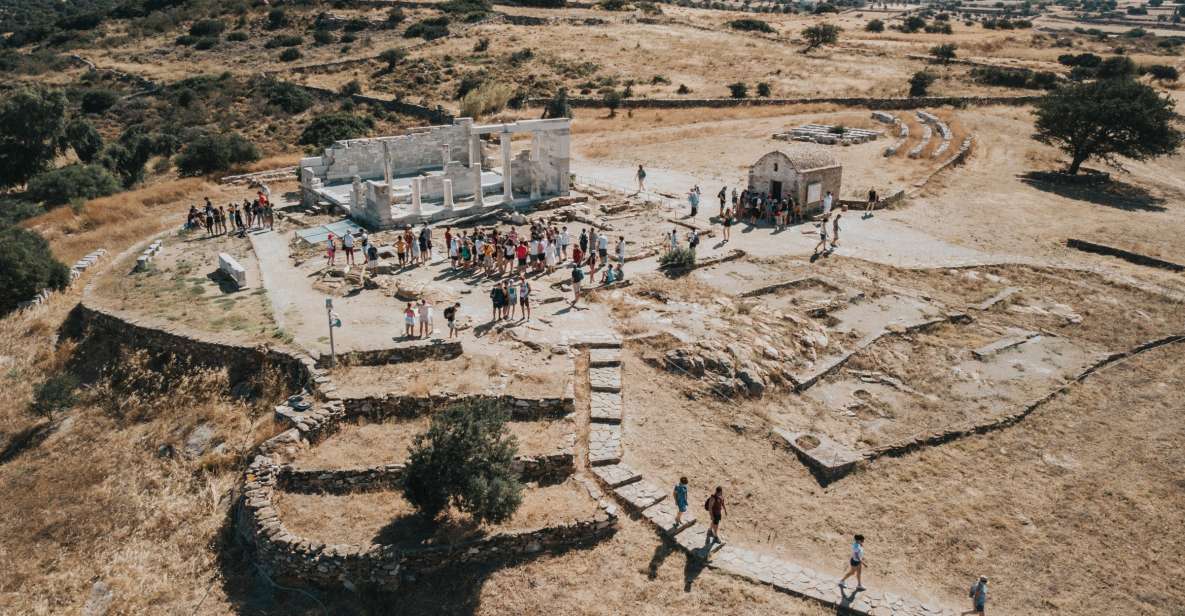
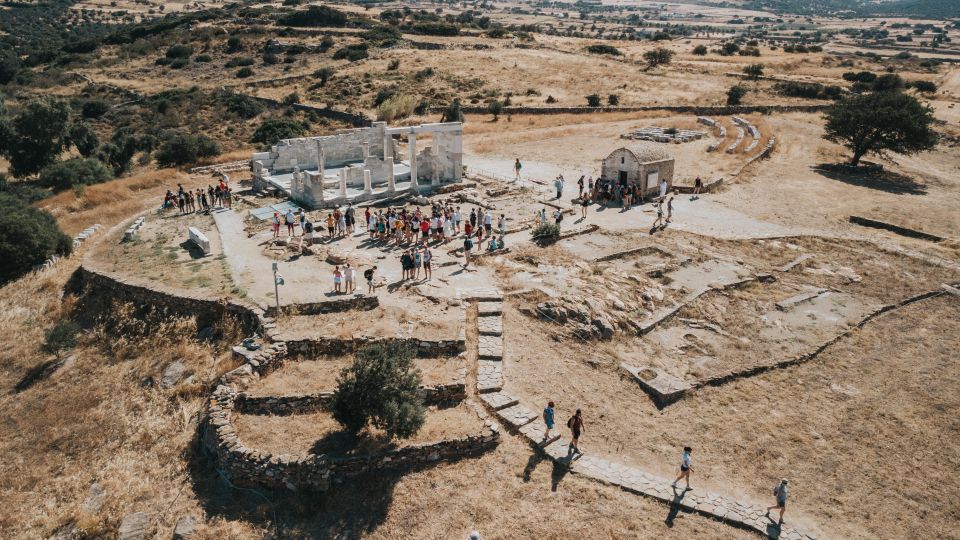
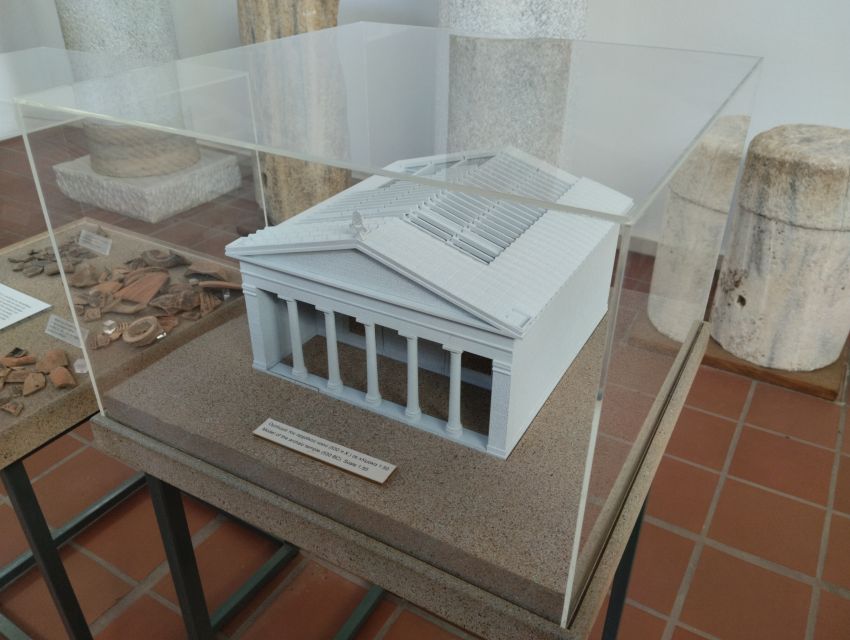
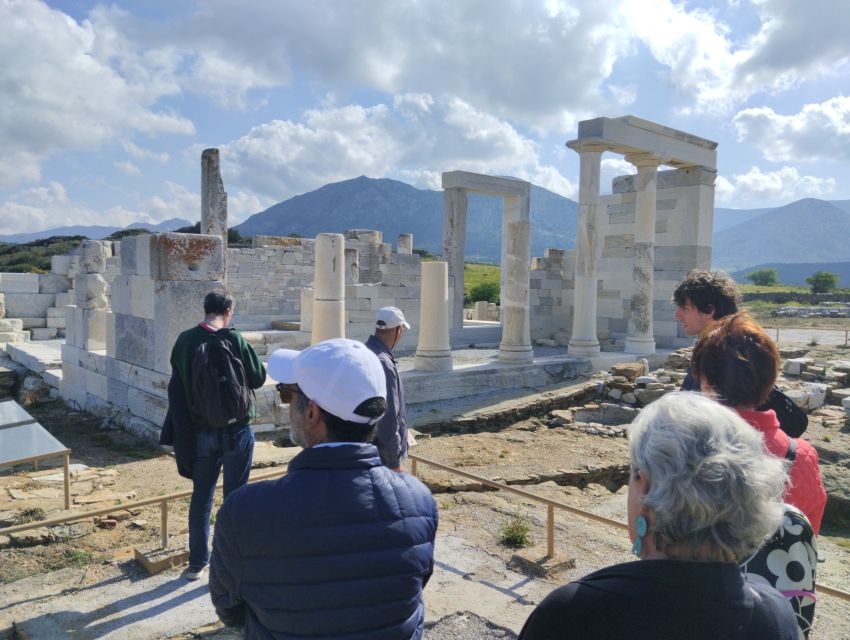
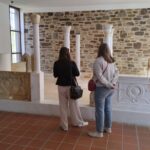
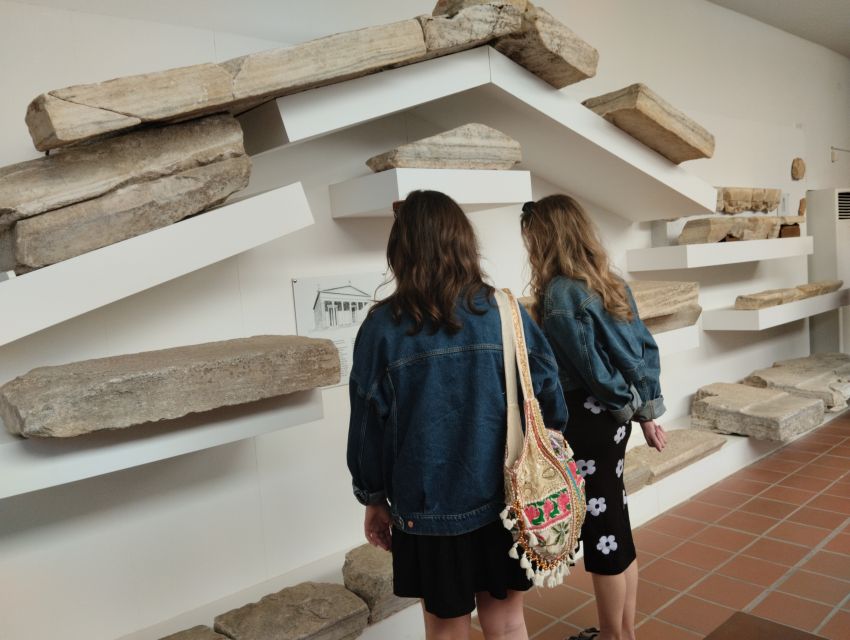
The day kicks off with a drive to the green valley of Gyroula, followed by a visit to the Temple of Demeter. This sanctuary dates back to the 6th Century BC, and it’s one of the key ancient moments on the island.
Expect a guided visit outside the entry area, with the guide sharing context before you go in. One important detail: the guide is not licensed to lead inside the temple, so you won’t get a live “stand here and point” explanation while you’re within the site. Still, you can get the meaning of what you’re seeing because the tour provides the background ahead of time.
You should also plan for the physical part. You’ll need to climb steps and walk uphill to reach both the Temple of Demeter and later the Kouros statue. Comfortable shoes matter here more than anything else.
Two more logistics notes that affect your day:
- Entrance fee: the Demeter Temple entry costs €5 per person, paid in cash.
- Tuesday schedule: on Tuesdays, the Temple of Demeter is closed. The tour replaces it with longer village time in Chalki and Apiranthos.
If you want ancient Naxos without the stress of finding it yourself, this is the stop that makes the whole day feel worth it.
Damalas olive press museum and Limpertas pottery: the hands-on culture stop
After Gyroula, the tour shifts into village rhythm with stops that focus on how Naxos used to work—especially through agriculture and craft.
First up is Damalas, a tiny village where you’ll visit a restored olive press museum. It’s short, but it’s the kind of stop that connects the dots between mythology and daily life. You see how older oil production worked, and it gives you a better sense of why olive cultivation matters across the Cyclades.
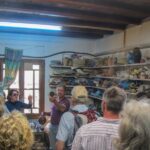
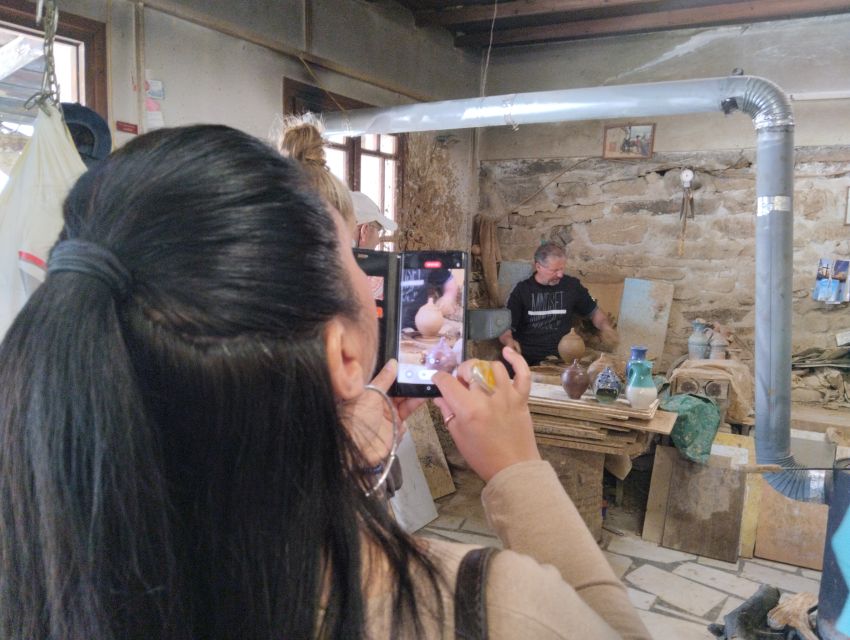
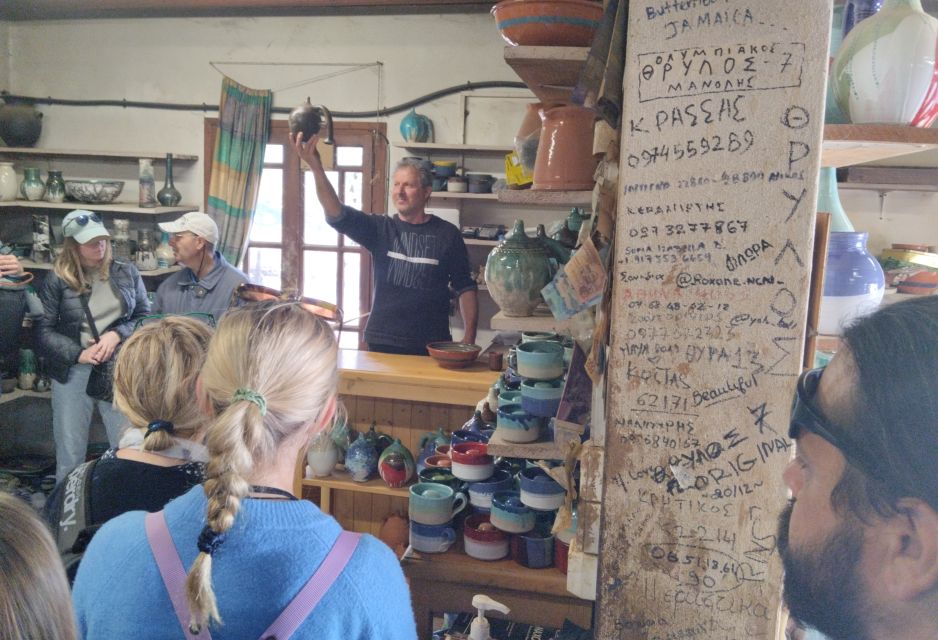
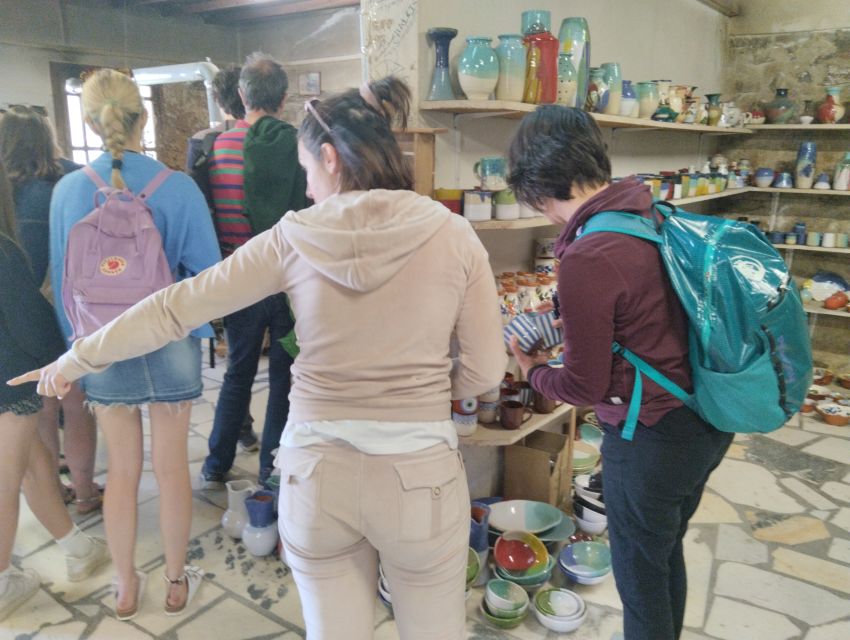
Right after that, you’ll go to a traditional pottery workshop: Pottery Limpertas Manolis. The tour is set up so you’re not just browsing glass cases. You’ll get a guided visit and workshop-style experience tied to traditional ceramic craft. It’s a great moment to slow down, talk with the makers, and pick up small items that feel like they actually belong on your shelf at home.
There are two practical things to remember:
- This is a shop-and-craft environment, so if you want to buy something, bring a little patience. Sometimes the group gets concentrated in the workshop area.
- Wear something comfortable. Even though the visits are relatively brief, you’ll still be moving around in and out of small spaces.
From the reviews, the pottery stop is one of the most consistently praised parts of the day—people repeatedly mention it as a standout moment worth slowing down for.
Chalki: Venetian architecture, shops, and 45 minutes to wander
Next comes Chalkio (Chalki), an ancient commercial center with beautiful Venetian architecture. This is a village stop designed for walking and browsing, not for long formal site viewing.
You’ll have about 45 minutes of free time here. That’s enough to:
- stroll the lanes,
- peek into shops and artisan stalls,
- find a coffee or quick snack,
- and just enjoy the atmosphere without feeling rushed.
One of the nice details is that Chalki also has that “find something on your own” feel. If you’re the type who likes art and churches, you might look for the Byzantine church in Chalki, which shows up as a recommended little extra by people who’ve done the tour.
In other words: Chalki works as your reset between the more structured stops and the longer village break later in Apiranthos.
Apiranthos at the foot of Fanari: lunch time, views, and shop browsing
Then the day shifts to the larger village stop: Apiranthos, at the foot of Mount Fanari. This is where Naxos starts to feel especially “lived in,” with marbled alleys, views over the countryside, and a lot more time to explore on your own.
You’ll get about 1.5 hours, which includes break time, guided elements, and free wandering. This is also your lunch window, and lunch is not included in the tour price—so you’ll choose where and what to eat.
Food tip: locals’ favorites to look for include rosto and kalogiros. Even if you don’t order those exact dishes, it’s a helpful direction because it points you toward traditional flavors rather than tourist-only menu items.
Apiranthos is also a strong photo stop. The tour notes emphasize the Venetian towers, verandas, and the overall “marbled lane” look of the town. When you’ve been in buses all morning, having real time to stand still and take in the views feels like a payoff.
If you’re traveling with mixed interests—someone who wants ancient sites and someone who just wants village charm—Apiranthos is the meeting point.



Apollonas Bay swim stop and the Kouros moment you don’t expect
The final stretch moves toward the coast. The bus drives past Koronos village and the emery mines, then reaches Apollonas, a picturesque fishing village.
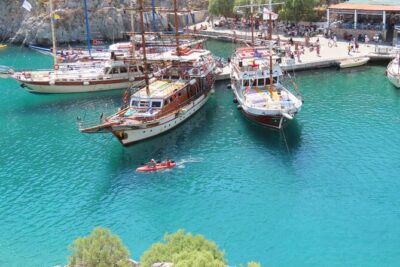
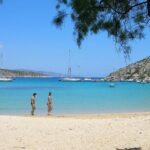
Here, you’ll get about 45 minutes of free time with the chance to swim. This is the part that turns a history-heavy day into a full vacation day. You’ll want to bring your swimsuit and towel, because changing booths and shower facilities are available at Apollonas beach.
Think of this stop as two things at once:
1) a quick swim and coffee or dessert by the seaside, and
2) a gentle decompression before the final ancient-photo stop.
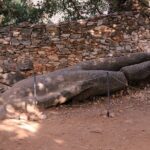
Then comes the headline you didn’t see coming: the Kouros. You’ll have a photo stop and guided visit at the unfinished marble statue—about 11 meters tall—that has been lying in the same spot for more than 2500 years. The tour time at the site is short (around 15 minutes), but it’s impactful because you see how the work looks unfinished and grounded in the real stone landscape.
As with the temple, expect steps and uphill walking.
After that, the tour returns by bus along the west coast, finishing with scenic views and a final drive back to your pickup/drop-off area.
Price and value: what $35 gets you (and what costs extra)
This tour is priced around $35 per person for an 8-hour day with a luxury air-conditioned bus, pickup and drop-off, and a Greek/English-speaking local guide plus driver.
That price is mostly buying you:
- transportation across parts of Naxos you might not reach easily by bus on your own,
- structured timing so you actually see multiple regions in a single day,
- guided interpretation that turns sites from random ruins into understandable places.
What’s not included is also clear:
- €5 cash entry for the Temple of Demeter,
- lunch (you pay at the village),
- personal purchases like souvenirs, pottery, and any tastings.
One optional-type opportunity that fits naturally into the Chalki timing: the village has the Vallindras distillery, often associated with tasting kitron. If you’re the type who likes trying a local drink, it’s worth factoring into your budget for a small purchase.
So is $35 worth it? For many people, yes—especially if you don’t want the stress of driving a rental and you want a guided overview that includes both ancient sites and village life, then ends with a real swim.
If you’re traveling on a strict budget and you’re perfectly comfortable doing everything independently, it might feel like you’re paying to be transported and guided. But if your priority is seeing more of the island in less time, it’s good value.
The winding roads reality check: comfort tips that actually help
The biggest “read this before you go” factor is transportation. This route covers mountainous, winding roads, and it’s part of the reason the tour is so effective—you reach inland valleys and remote villages without doing the driving yourself.
But it’s also exactly why the tour isn’t a match for everyone. The guidance says it’s not suitable for people with mobility impairments and not suitable for people with motion sickness. Still, if you’re sensitive rather than completely unable, you can reduce the risk.
Practical moves that come straight out of real-day experience:
- If motion sickness is a concern, carry travel sickness pills.
- Tell the guide if you need help. One review notes the guide was able to arrange a seat toward the front for someone who gets motion sickness.
- Dress for comfort and movement. You’ll be walking and climbing steps at multiple stops.
Also remember: the tour runs rain or shine, so bring weather-appropriate clothing. Small itinerary changes can happen in rough conditions, but the structure of the day stays similar.
Finally, pack the small essentials that make the day easier: camera, water, and shoes you trust on uneven village streets.
Who should book this Naxos bus tour (and who should skip it)
This tour is a strong fit if you want:
- a full-day overview of Naxos without renting a car,
- a mix of ancient sites and real village wandering,
- multiple photo moments (Temple, Kouros, Venetian-style alleys, seaside views),
- and an actual swim break instead of just a coastal drive.
It’s especially useful for first-timers who want to understand how Naxos is shaped—valleys inland, craft and farming life in villages, then coastline for relief.
You might skip it if:
- you have mobility limitations. The day includes uphill walking and steps,
- you get bad motion sickness and don’t think pills will help,
- or you prefer slow, unstructured travel where you don’t want any set schedule.
Should you book this Naxos highlights bus tour?
If your goal is to see a lot of Naxos in one day with minimal logistics, I think this is a smart booking. The strongest reason to go is the balance: ancient monuments and mythology framing early on, then a craft and agriculture thread through olive and pottery stops, then enough free village time to feel like you’re living among the locals. Add the Apollonas swim at the end, and you get a day that doesn’t feel like a checklist.
If you’re unsure, decide based on two factors: your tolerance for winding roads and how much you want a structured day. If you’re comfortable with steps and you can handle the mountain driving, this tour is one of the cleanest ways to get the island’s highlights without renting a vehicle.
FAQ
How long is the Naxos highlights bus tour?
The tour runs about 8 hours.
What does the tour cost?
It’s listed at $35 per person.
What’s included in the price?
Pickup and drop-off near your hotel, a Greek/English-speaking local tour guide, a Greek/English-speaking professional driver, luxury air-conditioned bus transportation, and taxes.
Is lunch included?
No. Lunch isn’t included, and you’ll have free time in Apiranthos to choose where to eat.
Is there an entrance fee for Demeter’s Temple?
Yes. The Temple of Demeter has an entrance fee of €5 per person, paid in cash.
Is there a swimming stop?
Yes. You’ll have free time at Apollonas beach for a swim, and changing booths and shower facilities are available.
What should I bring?
Bring swimwear, a towel, a camera, and weather-appropriate clothing. Comfortable shoes are also important because you’ll climb steps and walk uphill.
What happens on Tuesdays?
On Tuesdays, the Temple of Demeter is closed, and the tour makes longer stops in Chalki and Apiranthos instead.
Is the tour suitable for everyone?
No. It’s not suitable for people with mobility impairments or people with motion sickness.
If you tell me your travel month and whether you’ve dealt with motion sickness before, I can help you judge if this day trip fits your comfort level.