REVIEW · GRAN CANARIA
Beginners Scuba Diving Experience in Gran Canaria
Book on Viator →Operated by Blue Water Diving · Bookable on Viator
See Gran Canaria from below the surface. This beginner-friendly scuba try with all equipment included turns Las Palmas area waters into a hands-on lesson: breathe underwater, learn basic control fast, then head out for an underwater reef swim with a pro watching you the whole time.
My favorite part is the structure. You start in shallow water to get comfortable with breathing and movement, then progress at a pace your instructor controls. One key consideration: depending on your exact schedule and group, the water access might be farther south than the Las Palmas meeting address, so plan extra time and check directions before you show up.
In This Review
- Key Highlights That Matter
- What This Beginner Underwater Experience in Gran Canaria Really Gives You
- Meeting Point on Calle Olimpicos and the Logistics You Should Know
- Gear, Paperwork, and the Quick Reality Check Before You Go Under
- Step One: Shallow Water Training Where Breathing Becomes Normal
- The Reef Swim Part: What You’ll Do and What You Might See
- Safety and Instructor Support: Why the Small Details Count
- Price in Context: Is $108.89 Good Value for Your First Time Underwater?
- Quick Tips So You Enjoy It Instead of Just Surviving It
- Who Should Book This, and Who Should Probably Rethink It
- Should You Book This Beginner Underwater Experience in Gran Canaria?
- FAQ
- Where is the meeting point for the experience?
- Is hotel pickup or drop-off included?
- What’s included, and what should I bring?
- How long does the experience take?
- Is this suitable for beginners, and what age can go?
- What happens if the weather is bad or I need to cancel?
Key Highlights That Matter
- Small group size (max 8) for more attention and calmer learning
- Gear included so you only need swimwear and a towel
- Shallow-water skills first so you’re not thrown in cold at the deep end
- Professional guide on hand to keep you safe and reduce panic triggers
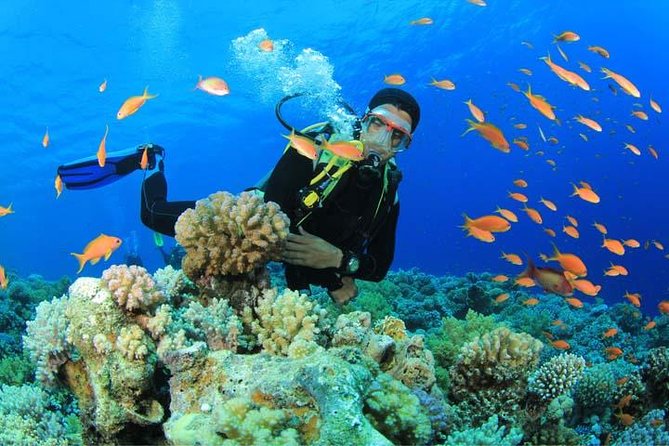
- Reef time for marine life with typical first-session depths around 8–11 m in reviews
What This Beginner Underwater Experience in Gran Canaria Really Gives You
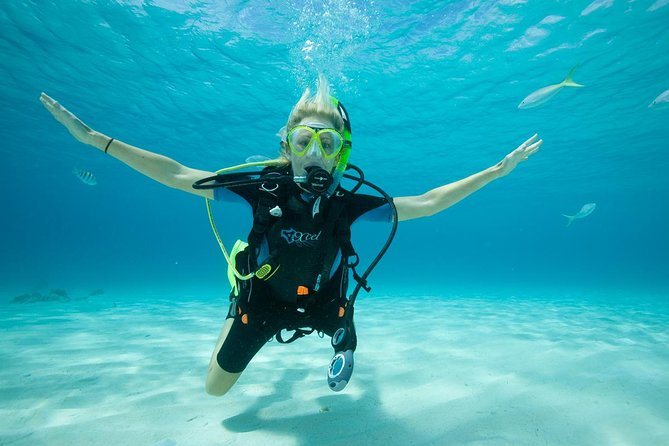
This isn’t a full multi-day training course. It’s a short, guided “try it” session built for people who want the real sensation of scuba—breathing underwater and moving in three dimensions—without signing up for the longer certification path.
The big value is the pacing. You’re not just renting gear and hoping for the best. You’ll meet the instructor, do paperwork, get outfitted, and then start in shallow water to practice the basics until you feel steady. Only after that do you go out for an underwater reef swim.
If you’re nervous about being underwater (even the “what if I can’t breathe right?” feeling), this format is designed to address that early. Reviews mention instructors being patient with anxiety, and that matters because your brain needs time to trust the process.
Also, it’s short. The total experience is about 2 hours, so you can fit it into a day without losing the whole vacation to training blocks.
You can also read our reviews of more tours and experiences in Gran Canaria.


Meeting Point on Calle Olimpicos and the Logistics You Should Know
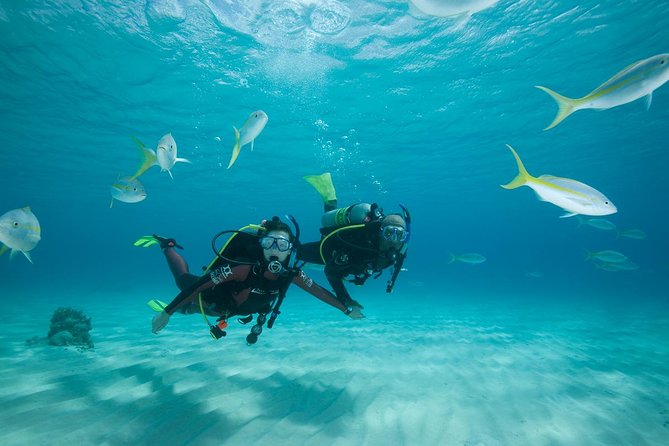
The listed meeting point is at Blue Water’s location on Calle Olimpicos, C. Doreste y Molina, s/n, 35130 Gran Canaria, Las Palmas, Spain. The activity ends back at the same meeting point.
Two practical notes. First, there’s no hotel pickup or drop-off, so you’ll want to plan how you’ll reach Calle Olimpicos (public transportation is nearby, which helps). Second, one caution I’d take seriously: some people report that the actual water access is about 30 miles south near Amadores Beach in Puerto de Mogán, even though the meeting is in the Las Palmas area. That can be simple and manageable, but it can also catch you off guard if you assume you’ll be changing into gear right next to the meeting address.
My advice is simple: confirm the exact start area and departure timing when you book, and give yourself a buffer. With scuba-style activities, being rushed before you even get suited up is the quickest way to spike nerves.
Gear, Paperwork, and the Quick Reality Check Before You Go Under
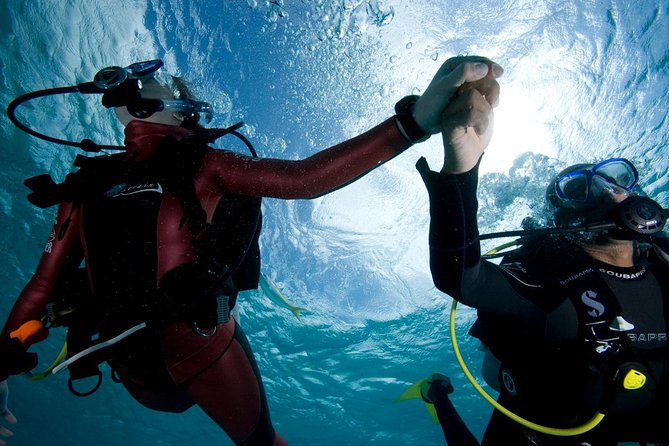
You don’t bring scuba gear. The price covers all necessary equipment plus the professional guide. In practice, that means you show up in swimwear and follow along.
Expect a quick paperwork moment before you get in the water. You’ll also complete a health questionnaire. The important part: some medical conditions may prevent you from diving (asthma and heart conditions are specifically mentioned), and you should consult your doctor if you’re unsure.
There’s also a travel timing rule: diving within 12 hours of flying is not recommended. If you’re arriving from the UK, Ireland, or anywhere with a long flight and you’re thinking of booking your session for the same day, don’t. Wait until you’ve had some time to reset.
One other detail from reviews: some people were directed to take a short online PADI-style quiz in advance (a short test called out as being on the PADI website). If they give you that instruction after booking, do it early. It speeds up the start and helps you understand what you’ll practice once you’re in shallow water.
Step One: Shallow Water Training Where Breathing Becomes Normal
This is where first-timers usually decide whether they love scuba or swear it off forever. The good news is the experience begins gently.
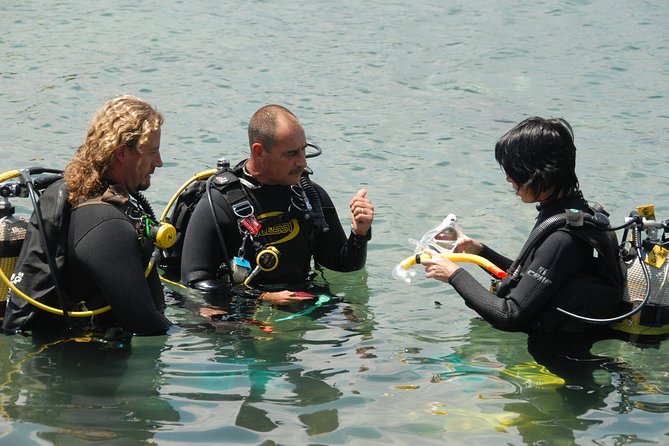
You’ll meet your instructor, get your kit organized, and then go straight into shallow water. The goal is comfort with breathing through the regulator and building calm control before anything adventurous happens. Several reviews describe kneeling or practicing on the harbour floor area, one step at a time, while the instructor guides each person.
You’ll also learn underwater hand signals and key safety procedures. That sounds basic, but it’s not trivial. When you can’t rely on your voice underwater, the right signals reduce confusion and help you relax.
This part is also where you can feel how the instructors handle nerves. Reviews mention instructors like Kate, Chris, and Keko/Kecko being patient and calm, even with someone dealing with an anxiety attack. That tone matters. When your instructor stays steady, your body settles faster.
Potential drawback: the session is time-boxed. One review complained about feeling rushed and not being allowed extra time in the shallow end. I can’t promise every group gets the same pace, so here’s what you can control: if you want extra repetition, say it early and clearly. Ask your instructor before the group moves on. Good instructors can often adjust within the schedule.
The Reef Swim Part: What You’ll Do and What You Might See
Once you’re comfortable with breathing and simple skills, you’ll head out for the reef swim. In many first sessions, you go by boat from the harbour area to the reef zone.
Then comes the moment you’ve been waiting for: you’ll descend and swim at a beginner-friendly depth. Reviews mention times like just over 30 minutes underwater, with depths around 8 meters, and others around 11 meters. You should treat those as “typical reported ranges,” not promises. Your instructor will decide based on comfort and conditions.
What makes this moment special is that it’s not just about being underwater. It’s about feeling free while staying safe. You’ll move in three dimensions instead of clinging to the ocean surface. And because you’re in a guided group, you’re not figuring everything out alone.
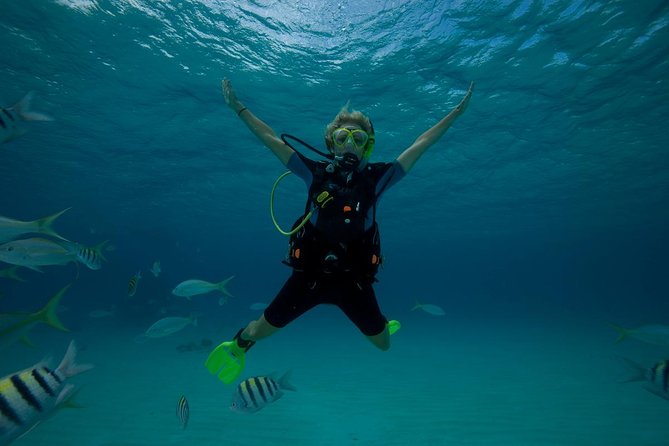
As for marine life, don’t expect a guarantee of any one animal. But you can reasonably hope to see plenty of reef fish and sea creatures. Reviews mention loads of fish, sea anemones, sea cucumbers, crabs, and even sightings like baby barracudas or a large stingray. One review describes a 2.5-meter stingray experience that sounds like the kind of moment that sticks in your memory for years. Even if you don’t see a stingray, reef time usually delivers plenty of color and motion close enough for a first-timer to feel amazed.





Safety and Instructor Support: Why the Small Details Count
This is a safety-led experience. The highlights across reviews repeat the same theme: you feel looked after, and you’re not left to fend for yourself.
Multiple reviews mention:
- professional instruction,
- close supervision,
- patience with first-timers,
- and having an extra person nearby as support during the water time.
You’ll also hear this in the way instructors talk during training. Their job isn’t just to show you the mechanics. It’s to keep you calm enough to actually enjoy the experience.
If you’re coming in with fear—cramps, panic, or the general “I don’t know if I can do this”—that matters. One review specifically credits the team for helping someone through a scare from a past experience. That kind of practical emotional support is hard to capture in an advertisement, but you can feel it when the instructor keeps giving clear cues instead of rushing.
Also, note the group limit of 8 travelers. That’s not huge. It usually translates into more time for each person’s fit, adjustments, and questions.
Price in Context: Is $108.89 Good Value for Your First Time Underwater?
For $108.89 per person, you’re paying for a lot of the “hard parts” that cost money in real life: professional guidance and full equipment setup. You’re also getting a structured progression that’s meant to make first-timers successful.
What’s not included is also clear:
- food and drinks, and
- no hotel pickup/drop-off.
That means your real cost can be more than the listed price if you’ll need transport to and from Calle Olimpicos and if you don’t plan meals beforehand. But even with that, you’re still paying for a guided, equipment-provided, safety-focused first underwater experience. Compared with the cost of formal training, this is a lower-commitment way to test if you actually want the bigger scuba journey next.
If you’re unsure whether scuba is for you, this price looks like a smart “try it” expense. If you already know you want certification, you might eventually spend more—but getting comfortable first can make the bigger course easier and less stressful.
Quick Tips So You Enjoy It Instead of Just Surviving It
Here’s how you make the experience go smoothly from the start.
Arrive with your swimwear ready. You’ll likely move fast once you’re checked in and suited up. Reviews also mention wearing clothes you don’t mind getting wet and slipping over a wet bathing suit.
Bring water for after. You’re underwater, but you’ll still feel warm and tired after. A simple bottle makes the post-session part easier.
Tell your instructor what you’re worried about. If you freeze with breathing control, mention it right away. If you’re anxious before going in, say so early. Reviews include examples of instructors helping people through anxiety by keeping instructions clear and calm.
Give yourself buffer time for logistics. Because some groups may start from the Las Palmas address and go south to access the water, don’t schedule this as the last stop of your day with no room for delays.
Plan around health and flight timing. If you flew recently, don’t force it. The rule exists for a reason. And if you have asthma, heart issues, or anything your doctor has flagged, don’t guess—check first.
Who Should Book This, and Who Should Probably Rethink It
I’d book this if you:
- want a real first scuba experience without committing to a full training course,
- get nervous in water and want an instructor-run process,
- like small groups where you can actually ask questions,
- and you want to see reef life close up.
You should rethink it if:
- you have medical conditions that might prevent you from scuba (especially asthma or heart conditions),
- you’re planning to fly within 12 hours of your session,
- or you know you need lots of extra shallow-time repetition and can’t handle a time-boxed format.
Also, the minimum age is 10 years old, and the experience is offered in English. Service animals are allowed, and the meeting point is near public transportation, which makes it easier for people who don’t want complicated transfers.
Should You Book This Beginner Underwater Experience in Gran Canaria?
If you want the best chance of leaving with a huge smile and a new hobby, I think it’s a solid booking. The big reason is the combination: shallow-water skills first, all gear included, and real instructor support in a small group. That’s exactly what you want for your first underwater try.
My main “wait and check” point is logistics. Because the meeting is in Las Palmas but the water access may be farther south (Amadores Beach in Puerto de Mogán is mentioned), make sure you confirm timing and location for the actual water session. Once you do that, the rest is pretty straightforward.
If you’re reasonably healthy, can follow instructions, and want an authentic hands-on ocean experience, this is the kind of excursion you’ll remember long after you’ve dried off.
FAQ
Where is the meeting point for the experience?
The meeting point is Blue Water at Calle Olimpicos, C. Doreste y Molina, s/n, 35130 Gran Canaria, Las Palmas, Spain. The activity ends back at the same meeting point.
Is hotel pickup or drop-off included?
No. The experience does not include pick up or drop off service from hotels.
What’s included, and what should I bring?
The price includes a professional guide and all necessary equipment. You’ll need your own swimwear, and you should plan for no food or drinks being included.
How long does the experience take?
It runs for about 2 hours (approx.).
Is this suitable for beginners, and what age can go?
It’s designed for beginners and most travelers can participate. The minimum age is 10 years old.
What happens if the weather is bad or I need to cancel?
The experience requires good weather. If it’s canceled due to poor weather, you’ll be offered a different date or a full refund. You can cancel up to 24 hours in advance for a full refund.