REVIEW · LANZAROTE
Lanzarote: Sea Safari Experience
Book on GetYourGuide →Operated by Sea Safaris Lanzarote S.L · Bookable on GetYourGuide
Lanzarote from the water feels different fast. This sea safari pairs a small boat with a skipper and marine team so you can scan for whales and dolphins while learning what you’re actually seeing. I love that you cruise past volcanic cliffs in a way most people never get, and I also like that there’s a real on-board cetacean setup (including a hydrophone) rather than just hoping for sightings. One thing to consider: this is on a smaller motor trimaran, so if you’re prone to motion sickness, you’ll want to plan for choppy conditions.
The tour runs about 2–3 hours and is built for nature spotting along Lanzarote’s Atlantic edge. You’ll hear wildlife too—using a hydrophone—while your guide team helps you understand behavior and what signals to look for. The group stays small (up to 10), which makes it easier to get focused attention when animals are near.
The main drawback is comfort and length of time on open water: there are reports of limited space, no onboard toilet, and stronger boat movement than a larger catamaran would offer.
In This Review
- Key things that make this Lanzarote sea safari worth your time
- From port to open Atlantic: how this tour is set up
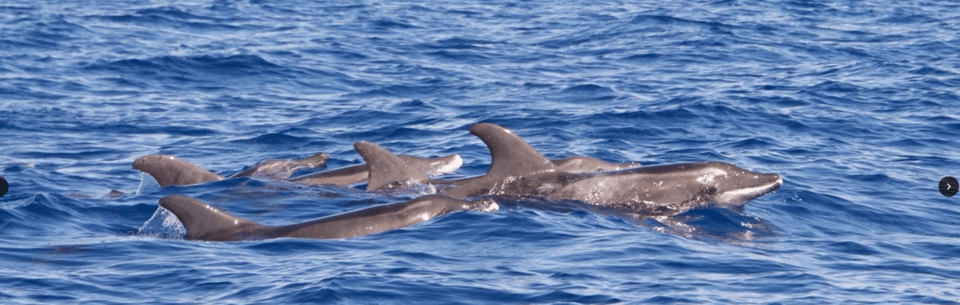
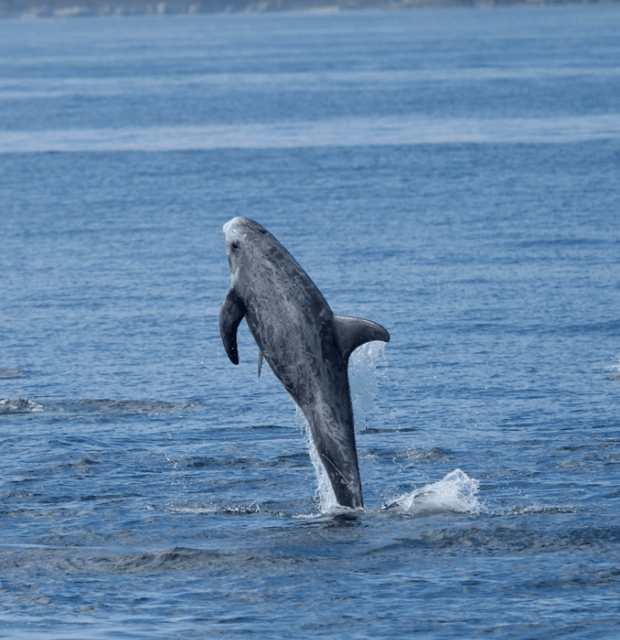
- What you’ll actually see: whales, dolphins, and the coastline in between
- The hydrophone twist: hearing cetaceans, not just spotting them
- On-board guidance: skipper + marine and cetacean expert team
- Boat comfort and motion: what to realistically expect
- Volcanic cliffs and open-water views: what the pacing feels like
- Duration and group size: why it keeps the experience personal
- Price ($71) and value: what you’re paying for
- What to bring (and what’s not allowed) so you stay comfortable
- Who this is best for (and who should think twice)
- When to go: how conditions can change the day
- Should you book this Lanzarote sea safari?
Key things that make this Lanzarote sea safari worth your time
- Small-group search (max 10) so spotting and listening feels targeted, not rushed
- Hydrophone listening that helps you connect sounds to what you’re seeing
- Volcanic coastline from close range, with a skipper who knows where to look
- Marine expert + cetacean focus so you learn the “why,” not just the “what”
- Modern safety setup on the OLBAP TR8 trimaran, including autopilot and chartplotter
From port to open Atlantic: how this tour is set up
This is a 3-hour sea safari experience in Lanzarote that uses a modern motor trimaran (the OLBAP TR8, about 8.6 meters long). It’s licensed for up to 15 people, but the tour itself is kept to a small group—so you’re not packed in with a crowd. The boat is powered by a Mercury Verado 250 H.P. four-stroke outboard engine and runs with practical tech like autopilot and an electronic chartplotter.
Why that matters for you: whale and dolphin watching is less about “waiting around” and more about making smart moves when conditions line up. A fast, maneuverable boat helps the crew reposition quickly, and the onboard electronics are the kind of details that support safe navigation when visibility, wind, or sea state changes.
You can also read our reviews of more tours and experiences in Lanzarote.

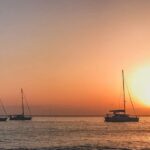
What you’ll actually see: whales, dolphins, and the coastline in between
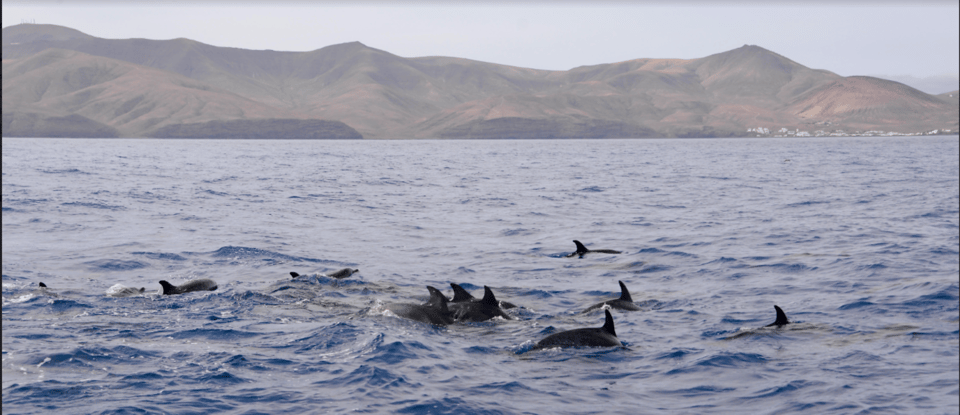
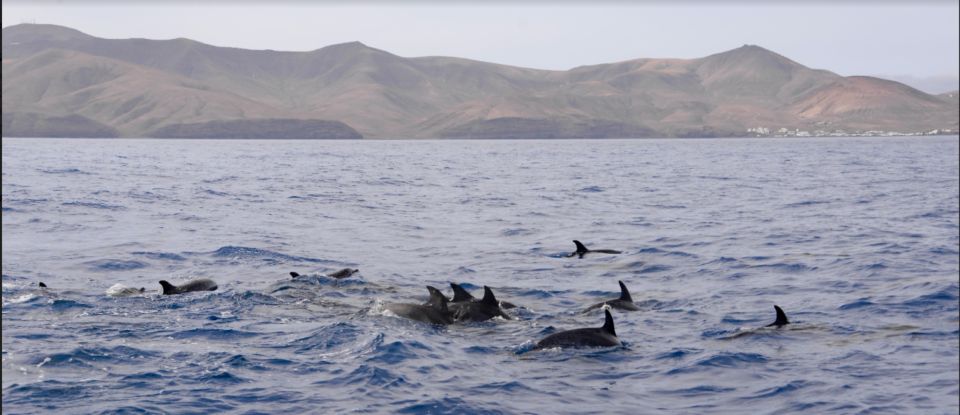
The whole point here is simple: you go out to look for whales and dolphins in their natural habitat, and you do it along Lanzarote’s dramatic volcanic coastline. Expect to spend time cruising the coastal waters, watching for changes in the water surface, birds, and the kind of behavior that often shows up before you get a clear view.
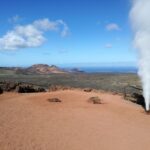
The coastline side of this experience is a big deal. Lanzarote’s coast is shaped by volcanic rock and the look of dormant volcano topography. Even if sightings aren’t constant the entire time, you’re still getting that rare “from the sea” perspective: steep rock, open Atlantic air, and headland angles that change the view every few minutes.
A key value is the way the spotting is explained. You’re not just scanning; you’re learning what’s worth paying attention to so your time on the water feels purposeful.
The hydrophone twist: hearing cetaceans, not just spotting them
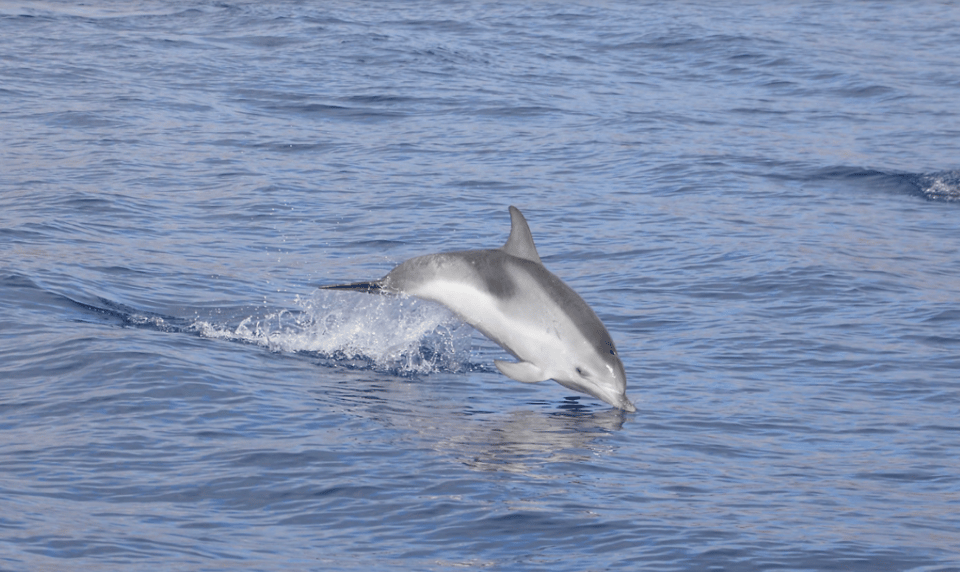
This safari includes a hydrophone for listening to cetaceans. That’s one of the most interesting parts of the whole setup, because it adds an extra channel to the hunt: even when wildlife is farther out or briefly out of view, you can sometimes track activity by sound.
For you, this means the experience can feel less like a guessing game. When the team times it right and the water carries sound well, the listening piece helps you understand that whale and dolphin presence isn’t purely visual. It also makes your time more interactive, since you’ll likely be guided on what to notice during listening moments.
On-board guidance: skipper + marine and cetacean expert team
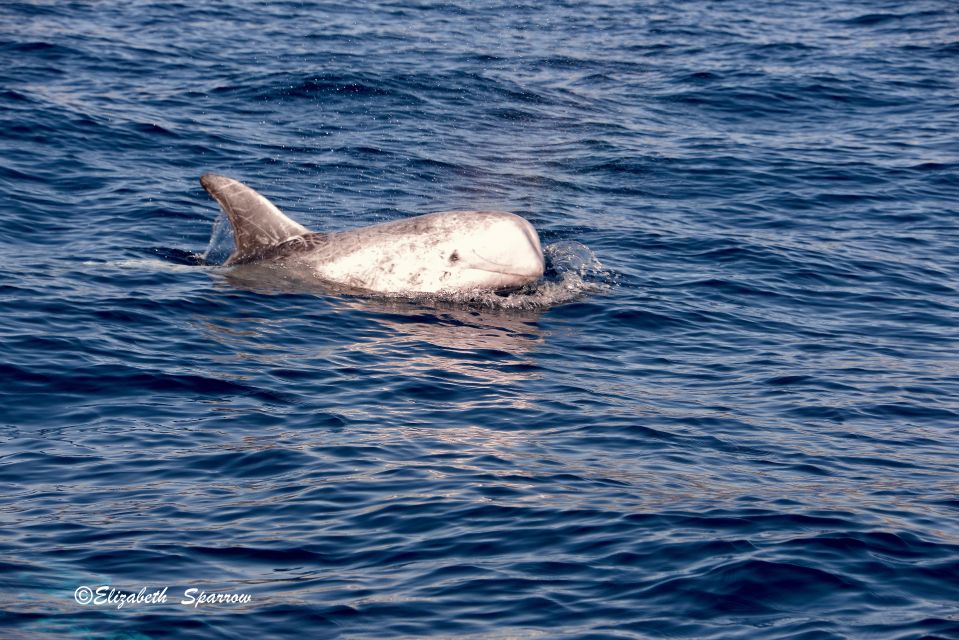
You’ll sail with an experienced skipper plus a marine expert and a cetacean expert on board. The goal is to help you identify what you’re seeing and connect it to behavior—how animals move, travel, or react around the area you’re cruising.
In past departures, you can get a sense that the crew’s approach is active and tuned to the ocean. One strong theme from feedback is that the skipper and guides can spot dolphins in groups and recognize where they’re likely to be, even before they’re clearly visible at a distance. Another theme is humor and energy from the guide team, which helps when you’re standing out on deck scanning and waiting for the “there it is” moment.
Boat comfort and motion: what to realistically expect
The boat is a motor trimaran, not a giant catamaran. That’s not automatically bad, but it changes how the ride feels.
A few practical considerations:
- The trimaran is compact, and on longer open-water periods you may feel the space more than you would on a larger vessel.
- There’s no food or drinks included, so you’ll want to plan hydration before you set off.
- There are reports of stronger motion and faster onset of seasickness on some trips, especially when conditions are less calm.
If you tend to get motion sickness, don’t ignore that. Bring what usually helps you on boats (seated options if available, timing, and any personal remedies you trust). And if you’re going with kids or you’re sensitive to movement, it’s smart to choose a departure when the sea looks calmer.



Volcanic cliffs and open-water views: what the pacing feels like
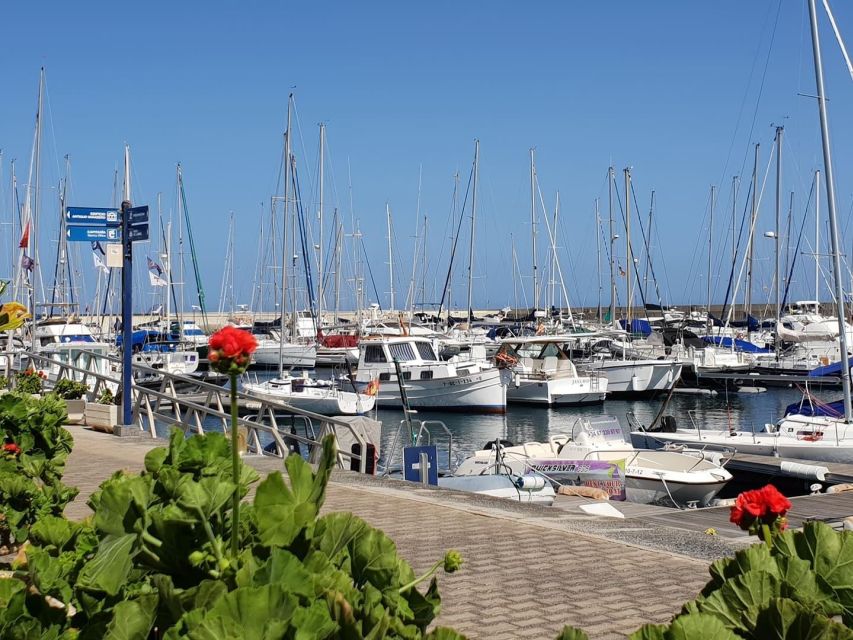
Your time is structured around searching and learning. You’ll cruise along the coast, pause and reposition as sightings (or sound signals) come in, and then spend time where the team thinks animals are most likely to appear.
The pacing works best if you’re ready for a mix of:
1) Travel and scanning along the coastline
2) Listening moments with the hydrophone
3) Short windows of intense viewing when whales or dolphins are near
That last part is what makes these safaris addictive. When the team finds activity, the atmosphere shifts fast—everyone’s eyes track the same patch of ocean, and the guide’s explanations snap into focus.
Duration and group size: why it keeps the experience personal
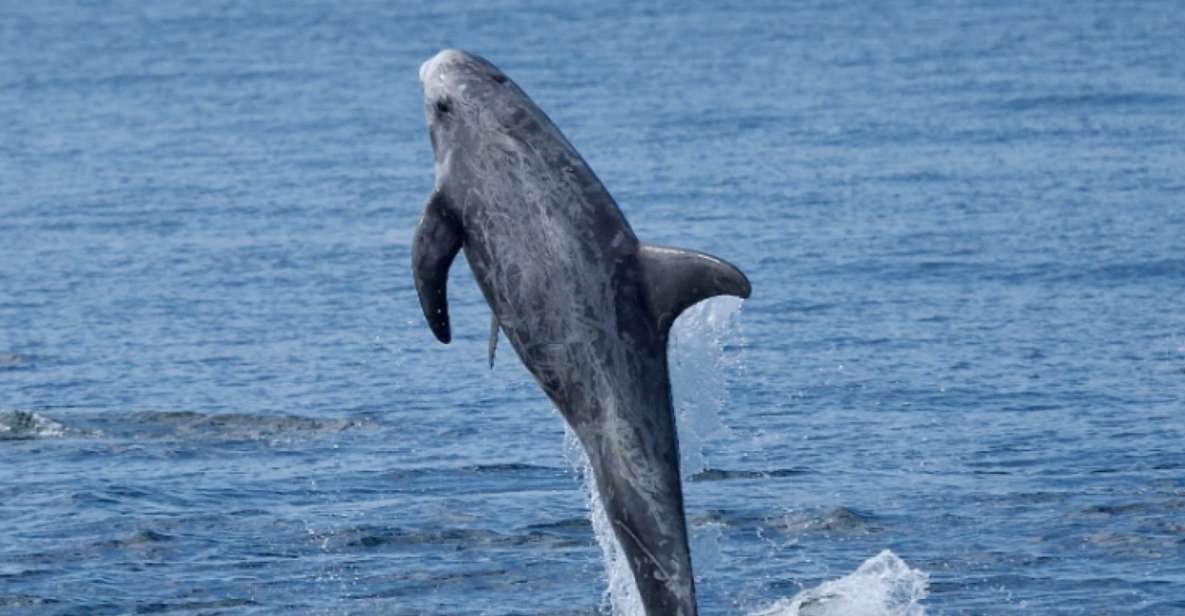
The safari typically runs 2–3 hours, with a stated duration of 3 hours. Group size is limited to 10 participants, even though the vessel is licensed for 15.
Why you’ll like that: when animals show up, you don’t want a crowd blocking your view or everyone shouting over each other. A smaller group makes it easier to keep sightlines and follow instructions from the skipper and marine expert.
Also, a shorter total duration suits this kind of activity. You get enough time to search along the coast, but you’re not stuck for half a day on a vessel where your biggest reward depends on the ocean’s mood.
Price ($71) and value: what you’re paying for
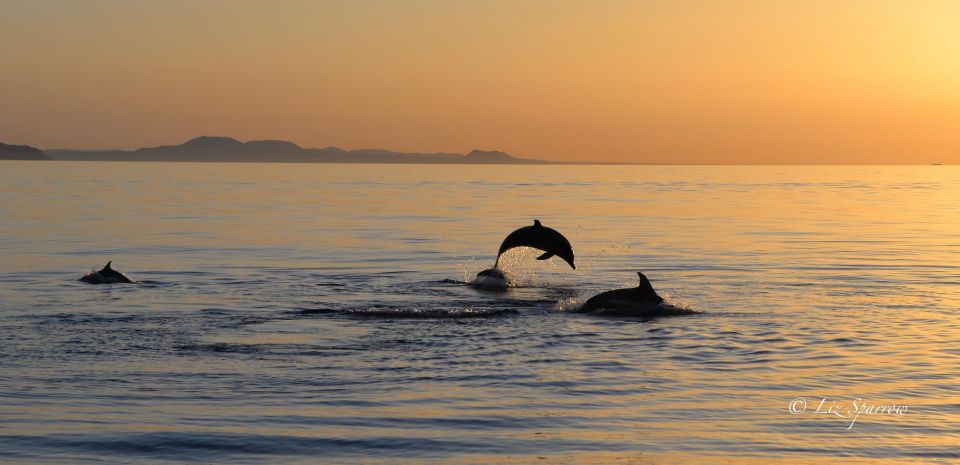
At about $71 per person, this lands in a mid-range activity price bracket for Lanzarote marine experiences. What justifies the cost is the combination of:
- A specialist team on board (marine + cetacean focus)
- A small-group format
- Equipment like a hydrophone
- A modern trimaran crewed for active coastal searching
If you only cared about a quick boat ride, you’d find cheaper options. But this is designed around learning and wildlife detection, not just sightseeing from a distance.
Where the value can dip: if the sea state is rough or animals are hard to locate on that specific day, you may feel the time more strongly than someone who booked a longer, larger-boat wildlife cruise. That’s the ocean’s rule, not the operator’s fault—but it’s worth knowing.
What to bring (and what’s not allowed) so you stay comfortable
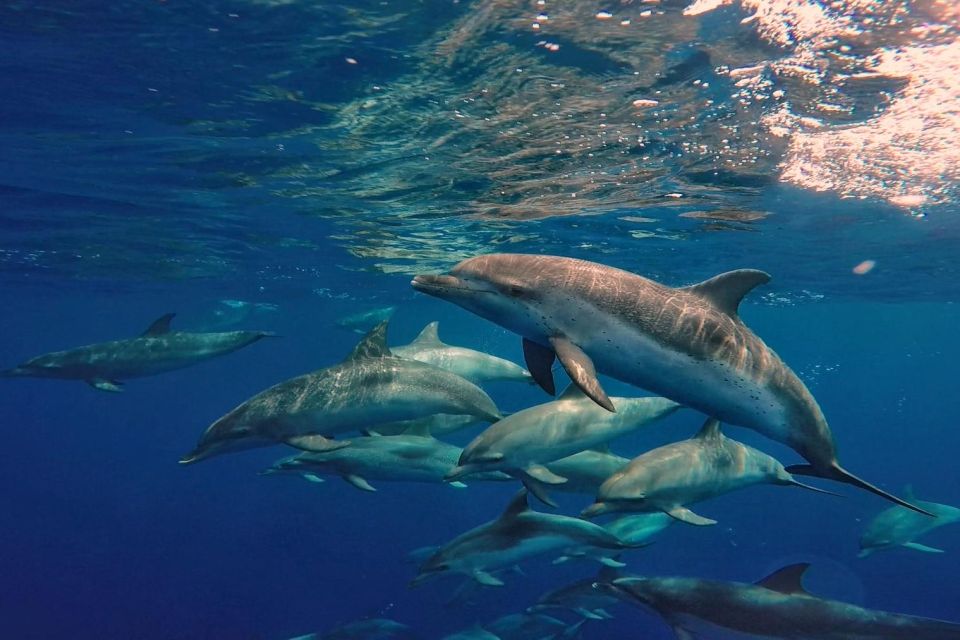
This part is simple, and getting it right makes a noticeable difference on deck.
Bring:
- Comfortable shoes
- Comfortable clothes
Not allowed:
- High-heeled shoes
- Smoking
- Vaping
Included:
- Life jackets
- Boat safari
No food or drinks are included, so you’ll want a plan for that. Even if you pack snacks, remember this is a marine outing: keep things easy to manage with sea spray and deck movement.
Who this is best for (and who should think twice)
This sea safari is a good fit if you’re:
- Interested in real wildlife spotting along a volcanic coastline
- Curious about marine behavior and want an expert to translate what you’re seeing
- Happy with a short trip on open water where sightings can happen within a limited time window
- Travel in a small group style (this caps at 10)
It’s not suitable for:
- Children under 2 years
- Pregnant women
If you fall outside those limits but you’re sensitive to motion, that still matters. The boat is modern and licensed, but its smaller size compared with bigger catamarans may mean more movement.
When to go: how conditions can change the day
You can’t control wildlife sightings, but you can choose conditions that make the experience smoother.
On calmer mornings with clear sun, the ride tends to feel more comfortable, and scanning along the coastline is easier. On rougher days, you may still learn a lot and hear sounds via hydrophone, but your focus may split between spotting and keeping comfortable.
My practical advice: check the forecast close to departure day and decide whether you’re willing to trade comfort for a higher chance of active sea life.
Should you book this Lanzarote sea safari?
I’d book it if you want a hands-on marine experience with a real team on board, not just a generic boat tour. The hydrophone adds something genuinely different, and the small-group size helps the spotting feel immediate when whales or dolphins are in the area.
Skip it (or rethink your expectations) if:
- You’re very sensitive to sea motion
- You need onboard comforts like toilets and lots of space (this is a smaller trimaran)
- You’re traveling with someone who falls under the pregnancy or under-2 restriction
If you’re a wildlife-first traveler and you can handle a deck ride, this is a smart way to see Lanzarote’s coast while chasing the Atlantic’s biggest residents.