REVIEW · TERCEIRA
Terceira: Whale & Dolphin Watching | Best Wildlife Tour
Book on GetYourGuide →Operated by OceanEmotion · Bookable on GetYourGuide
A few minutes can change everything in the Atlantic. This Terceira whale and dolphin watching tour pairs high-point lookouts with real marine-life know-how, so you’re searching in the right places and in the right way. The Azores are famous for cetaceans, and with a recorded 29 species, you’re visiting an ocean hotspot.
Two things I especially like: first, the tour’s focus on safe, respectful observing. It follows the Azores conduct code for cetacean observation, and that matters when you’re sharing space with wild animals. Second, the setup aims for consistent results: they cite an around 98% success rate for year-round sightings, plus a sighting guarantee.
One thing to keep in mind is that sightings are still wild and unpredictable. You’re guaranteed at least one whale or dolphin, but you can’t plan on a specific species (and weather can affect what you see).
In This Review
- Key things to know
- Why Terceira is a whale and dolphin watching magnet
- What you’ll actually do during the 2.5 hours
- The gear that helps
- The sighting guarantee and what it means for your expectations
- What you can realistically hope to see
- The guide matters more than you’d think
- Respectful cetacean watching: why the conduct code is part of the value
- Weather, clothing, and the reality of ocean conditions
- Who this tour is best for (and who should skip it)
- If you’re on a tight schedule
- Price and value: is $82 worth it
- Booking smart: small choices that affect your results
- Should you book this Terceira whale and dolphin tour
- FAQ
- How long is the whale and dolphin watching tour on Terceira?
- What is the meeting point?
- What does the tour include?
- Is there a sighting guarantee?
- What should I bring?
- What’s not allowed?
- Is pick-up and drop-off included?
Key things to know
- Lookouts first: spotters watch from high points using long-range binoculars before you rely on the team’s in-the-moment decisions
- Hydrophone included: you’ll use a hydrophone to support what you’re seeing in the water
- At least one sighting guarantee: the promise is that you’ll see whales and/or dolphins, not a specific type
- Respect rules are built in: the tour follows the Azores conduct code for cetacean observation
- Winter and shoulder season still work: they quote an around 98% year-round success rate
- Guides get you focused fast: several guides are praised for enthusiasm and helping the whole group stay engaged
Why Terceira is a whale and dolphin watching magnet
Terceira sits in the middle of the Atlantic, and that location is the whole point. The Azores have recorded 29 species of cetaceans, and the islands are linked to about 33% of the world’s known species. That’s not just a bragging statistic. For you as a visitor, it means the search isn’t random. You’re going to an area where marine life is a real, regular part of the ecosystem.
I also like that the tour doesn’t sell “guaranteed whales” as a fairy tale. It’s honest about uncertainty while still giving you a safety net. They aim for an at-least-something payoff each time, and if conditions make it impossible to run, or if you truly don’t get any sightings, you’re covered with a free tour offer or a full refund.
And the vibe fits the place. This isn’t a theme-park style checklist. It’s more like joining a careful group in the field: you listen, you scan, and you keep your eyes trained as the ocean decides what to show.
You can also read our reviews of more tours and experiences in Terceira.

What you’ll actually do during the 2.5 hours
This is a 2.5-hour experience, and it’s built around time-efficient searching. You’ll meet at the OceanEmotion office (the one with the red cover). From there, you’ll be guided through what to do and how to spot.
The core method is a two-part system:
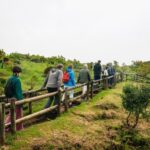
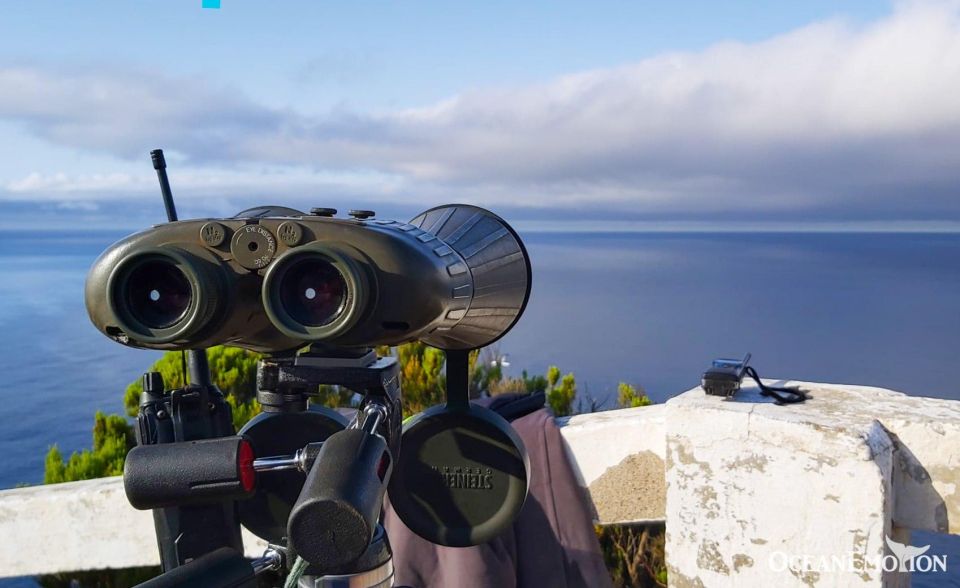
- Lookouts on high points use long-range binoculars to locate activity at a distance
- The tour team brings the next level of expertise, so your watch time isn’t wasted
On top of that, you’ll use a hydrophone. Even when you’re not fully sure what you’re seeing yet, the sounds can help you understand what’s happening nearby and keep the group focused on likely areas.
Because the tour is short, the best results come from being ready to watch the moment things shift. When the group is alert and moving as one unit, spotting gets easier. When people are still pulling out jackets or asking where they should stand, you lose time. So I recommend treating the first few minutes like a starter pistol, not a coffee break.
The gear that helps
Wind is a real factor in the Azores, so you’ll be given a wind jacket. You still should bring warm clothing underneath. Comfortable shoes matter too. Even if you’re not doing a lot of walking, you’ll likely be standing and scanning for extended stretches.
They also provide a tour guide (English, Portuguese, Spanish) and a whale and dolphin spotter. Public liability insurance is included, which is a nice baseline for an ocean activity.
The sighting guarantee and what it means for your expectations
Here’s the deal: you’re not promised whales only, dolphins only, or both. The ocean is the ocean. Animals change direction, surface timing varies, and weather can shift visibility fast.
But you are promised this:
- You’ll get sightings of at least one of the whales or dolphins present in Azorean waters.
They also spell out what happens if sightings don’t happen during your tour: you’ll be offered a new free tour. And if adverse weather makes it impossible to carry out the activity, or if the activity can’t run, you get a full refund.
That’s a fair and useful approach. I’d rather have a truthful guarantee like this than a marketing promise that collapses the second conditions get messy.
What you can realistically hope to see
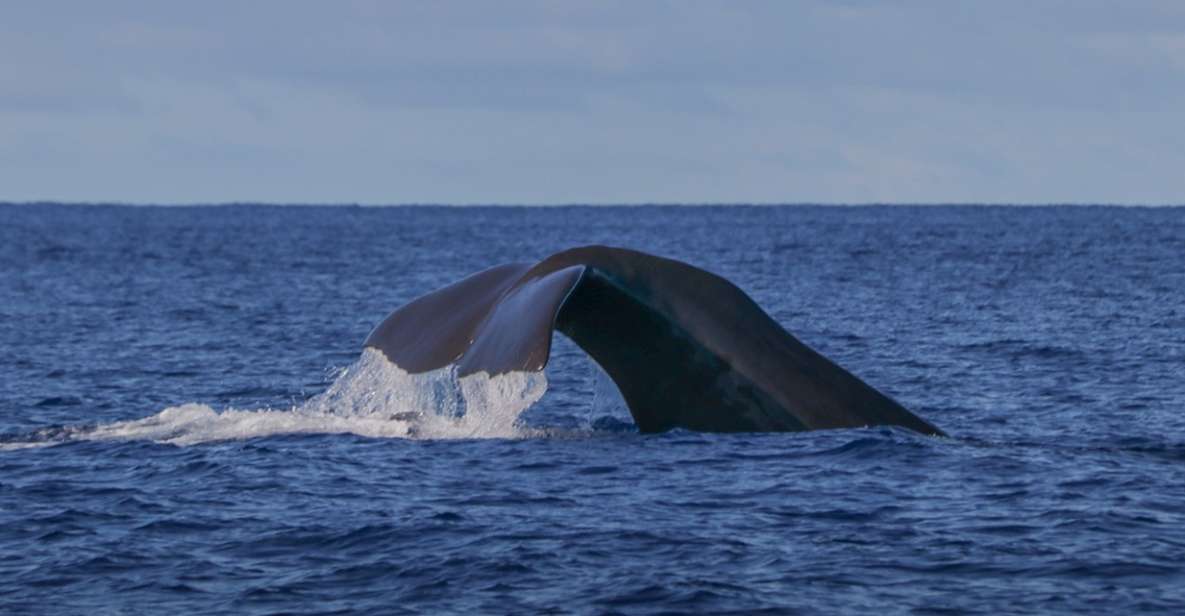
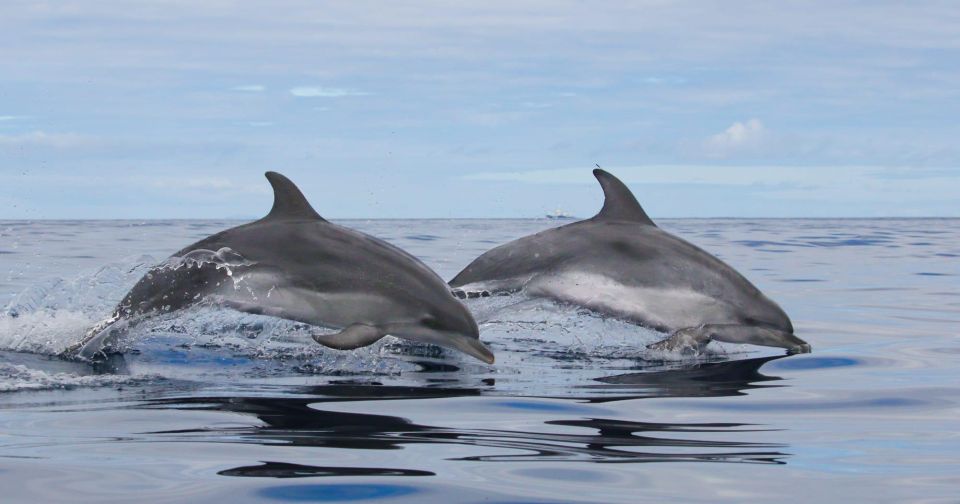
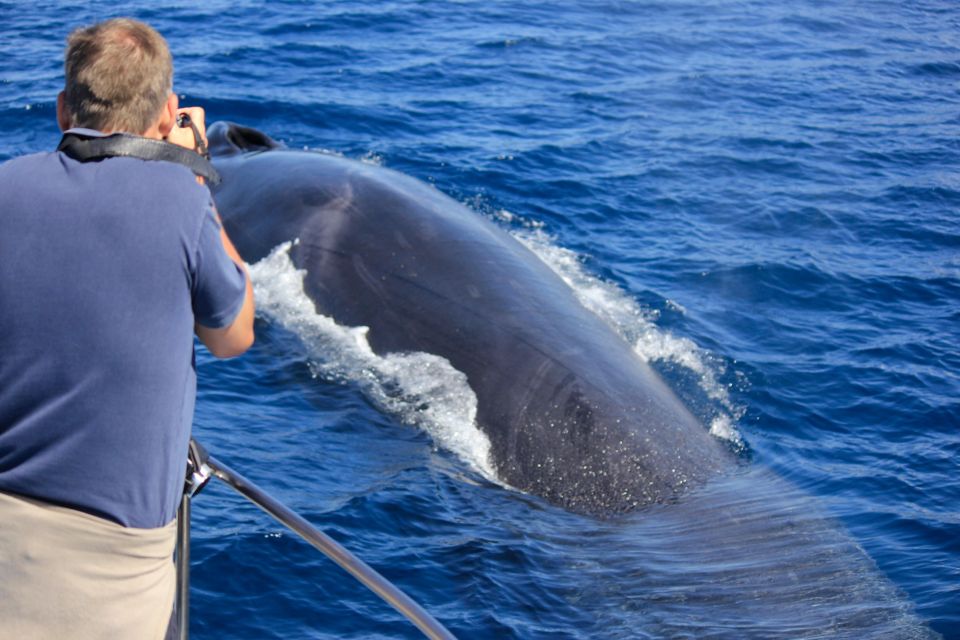
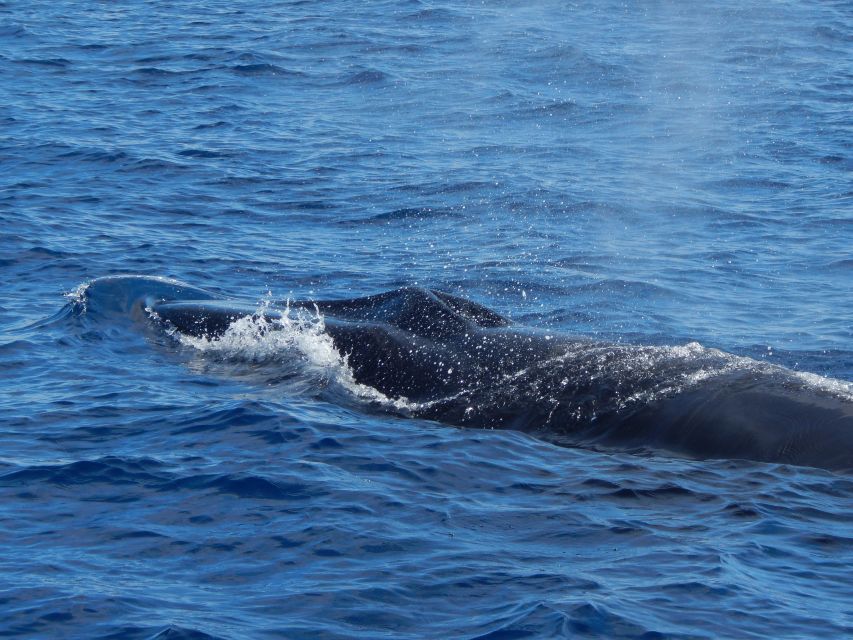
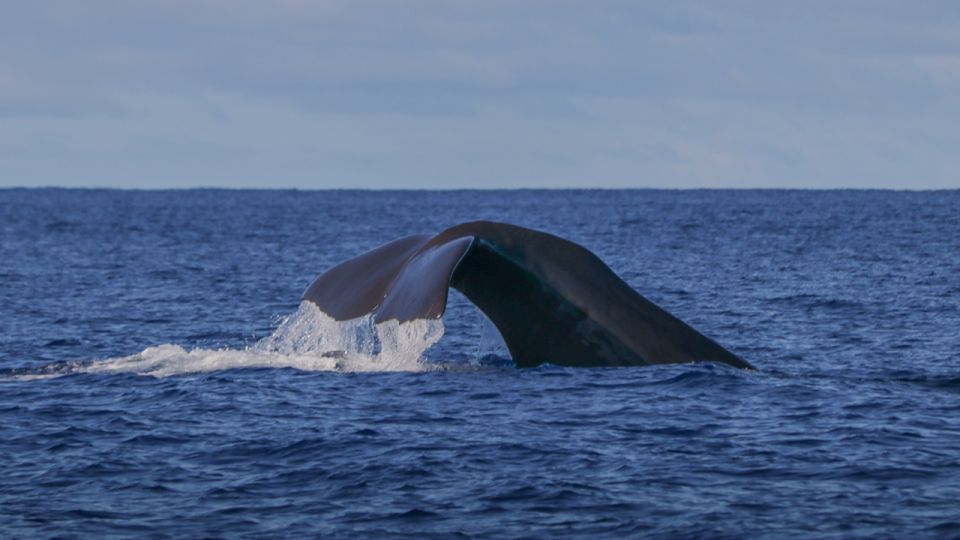
On a great day, you’ll see plenty. One recent outing included two dolphin species traveling together in a large pack plus a Bryde’s whale doing circles. Another day included sightings across six species. You can’t count on those exact results, but those examples show what “good” can look like in these waters.
And yes, whales can be harder to spot than dolphins because they don’t always surface long. Still, the system is designed to give you the best shot at what’s around that day.


The guide matters more than you’d think
A whale or dolphin watch lives and dies on attention. If the guide explains what to look for and keeps everyone scanning, the whole group performs better.
In the feedback you provided, the guide Iara gets major praise for energy and enthusiasm. When your guide is that engaged, you tend to stay patient through the quiet moments. You also learn what matters: how to track movement, how to interpret a brief surface, and when to wait for a second look.
I’ve found that the best wildlife guides also handle the human side. They make sure you’re in the right spot, that you’re not staring at the wrong patch of water, and that you’re asking questions at the right time. If you love nature, this kind of guidance turns the trip from viewing into understanding.
And if you’re with kids or you’re just tired after a busy day of sightseeing, a great guide helps you squeeze real meaning out of 2.5 hours.
Respectful cetacean watching: why the conduct code is part of the value
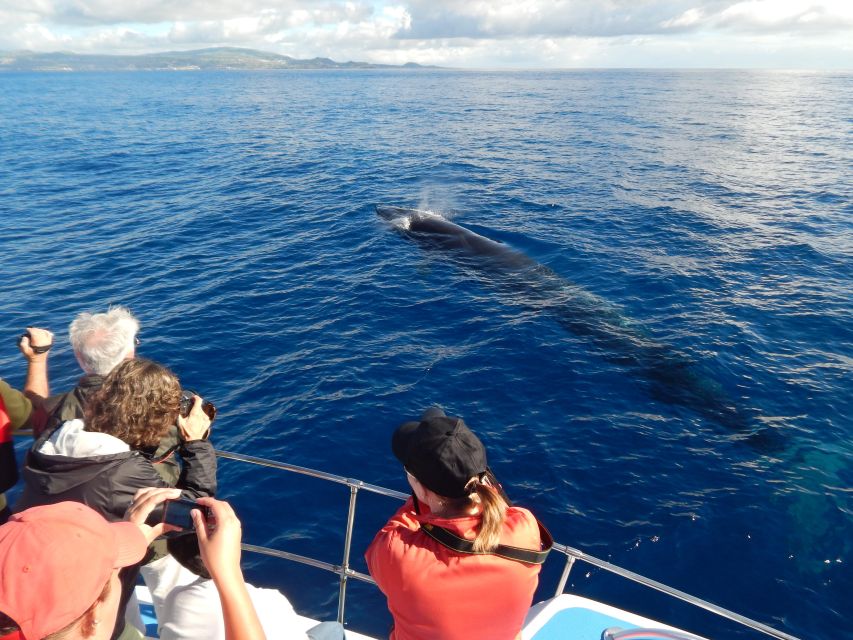
This tour emphasizes a respectful approach, in line with the Azores conduct code for cetacean observation. That’s not just moral fluff. It’s practical.
When wildlife viewing is done responsibly:
- animals are less stressed
- the group is more likely to observe natural behavior
- you’re less likely to chase moments that lead to scattered viewing
In other words, good behavior toward animals tends to improve the experience for you, too.
This is also where the land lookouts pay off. Spotters identify activity from a distance first, which reduces the frantic “everyone aim and hope” approach. You get a calmer, more organized hunt.
Weather, clothing, and the reality of ocean conditions
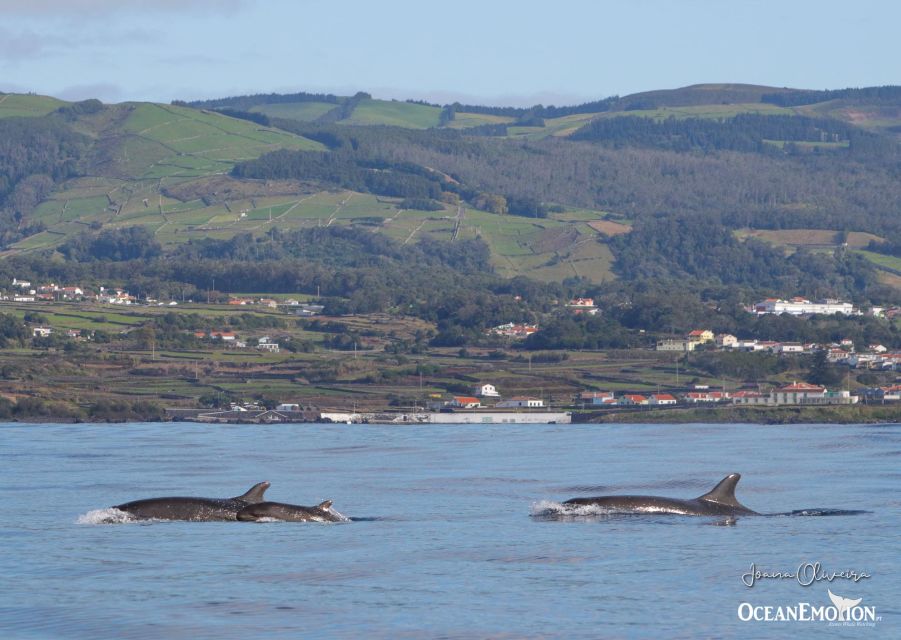
Wildlife watching lives and dies on weather. Wind and sea state can change what’s visible and how comfortably you can watch.
That’s why they recommend:
- warm clothing
- comfortable shoes
- water
And even though a wind jacket is included, you shouldn’t assume that’s enough by itself. Think layers. The Atlantic can feel chilly, especially with wind.
Also note what’s not allowed: smoking, glass objects, and alcoholic drinks in the vehicle. I like these rules because they keep the viewing focused and the gear safe.
If you’re someone who gets seasick easily, this is where you should be honest with yourself. The tour includes on-water elements implied by the hydrophone and the boat references in the feedback. Dress for comfort and be prepared for ocean movement.
Who this tour is best for (and who should skip it)
This is a strong fit for marine life lovers and people who want a focused, nature-first activity on Terceira. If you enjoy wildlife and you’re okay with unpredictability, you’re in the right place.
It’s less suitable for:
- pregnant women
- people with back problems
- people with heart problems
That isn’t just fine print. Wildlife tours can involve standing, shifting conditions, and physical discomfort from wind and movement. If any of those apply to you, I’d skip and look for a gentler option.
If you’re on a tight schedule
Two and a half hours is workable even if you’re also doing volcanic viewpoints, coastal walks, or local dining. It’s long enough to matter, short enough to feel doable.
Price and value: is $82 worth it
At $82 per person, this is not the cheapest activity in the Azores. But it also isn’t just “a boat trip.”
You’re paying for:
- spotting by a lookout system plus the team’s expertise
- hydrophone use (not every wildlife tour provides this)
- a wind jacket
- a guide in multiple languages
- public liability insurance
- and a real sighting guarantee that promises at least one whale or dolphin
The quoted around 98% success rate is part of the value story, too. Even with uncertainty, the operator is signaling that this works often enough to justify the cost.
Is it expensive compared with some simpler tours? Possibly. But when wildlife viewing is done well, it’s one of those experiences you remember for years. And the structure here is designed to maximize your odds without pretending nature is controllable.
Booking smart: small choices that affect your results
Even with a solid operation, you can help yourself.
- Arrive ready. If you’re meeting at the OceanEmotion office (red cover), get there on time so the group briefing can start smoothly.
- Dress for wind and temperature change. Comfortable shoes and warm layers beat fashion.
- Stay mentally flexible. The tour can be unpredictable in what you see, because it’s wild animals reacting to the ocean that day.
- Ask questions early. If your guide explains what signals to watch for, use that information while you still have clear “first scan” energy.
If you’re considering a private group, that can be a plus when you want a calmer pace or more direct attention from the guide. The tour also lists options for free cancellation up to 24 hours ahead and a reserve now, pay later approach, which can help if you’re juggling weather in the Azores.
Should you book this Terceira whale and dolphin tour
I’d book it if:
- you’re specifically after whales and dolphins, not just a scenic outing
- you want a tour that uses lookouts + hydrophone + a respectful code
- you’re comfortable with uncertainty and prefer a guarantee of at least one type of sighting
- you value strong guide energy (Iara is a standout name from the experience feedback)
I would hesitate if:
- you want a guaranteed specific species like whales only
- you’re sensitive to cold wind and ocean conditions without a plan to layer up
- any of the listed health limitations apply to you
For most people doing the Azores right, this is one of the better ways to spend a half day. You’re not forcing the ocean to perform; you’re joining a system that’s built to find what’s already there.
FAQ
How long is the whale and dolphin watching tour on Terceira?
The duration is 2.5 hours.
What is the meeting point?
You should come directly to the OceanEmotion office, the one with the red cover.
What does the tour include?
It includes a whale and dolphin spotter, a hydrophone, a tour guide, a wind jacket, and public liability insurance.
Is there a sighting guarantee?
Yes. The tour guarantees sightings of at least one of the species of whales or dolphins present in the waters of the Azores. If no sightings occur, you’ll be offered a new free tour. If adverse weather prevents the activity, you get a full refund.
What should I bring?
Bring comfortable shoes, warm clothing, and water (plus comfortable clothes).
What’s not allowed?
Smoking, glass objects, and alcoholic drinks in the vehicle are not allowed.
Is pick-up and drop-off included?
No. Pick-up and drop-off are not included.