REVIEW · TERCEIRA
Watching whales and dolphins on Terceira Island
Book on Viator →Operated by Water4fun Whale Watching Terceira · Bookable on Viator
Rare animals, zero waiting around.
On Terceira in the Azores, whale watching isn’t just luck. You get help from a land-based spotter on high ground who uses long-range binoculars and radio guidance to steer the boat toward cetaceans, and that’s the whole secret behind the strong sighting rate. I like that the experience comes with a real structure: safety gear, clear guiding, and a team actively working for sightings.
Second, I love the small-group setup. With a maximum of 15 people on board, and seating arranged so most folks can see both sides, the wildlife feels close rather than distant. The main drawback to plan for is that nature runs the show: even with great spotting, you can end up on a day with more dolphins than whales (or mixed visibility), depending on weather and what’s moving offshore.
In This Review
- Key things to know before you go
- Terceira’s whale-and-dolphin reputation (and why it matters)
- The watchman system: how the boat finds cetaceans
- Meeting at Water4fun in Angra do Heroísmo: what to expect before you leave
- On the water for about 3 hours: the boat setup makes a difference
- Your “what might I see” reality check (and what the crew can’t control)
- The guarantee: what happens if you come up empty
- Dolphins close-up vs. whales at distance: how to judge a “good” day
- Food, clothes, and comfort: how to prepare like a local watcher
- Price and value: is $78.64 a fair deal?
- Who should book this tour (and who might feel let down)
- Quick booking checklist for your 8:30am start
- Should you book Water4fun Whale Watching Terceira?
- FAQ
- Where is the meeting point for the tour?
- What time does the tour start?
- How long is the whale watching experience?
- Is the tour offered in English?
- What’s included in the price?
- What is the sighting guarantee?
- What happens if you don’t see any whales or dolphins?
- Can I get a full refund if I cancel?
- Final thought
Key things to know before you go
- Land watchman spotting: guidance from Monte Brasil high ground helps aim the boat.
- A real sightings guarantee: at least one cetacean from the whale/dolphin group is promised.
- Small boat feel: typically around 12 passengers, arranged to keep views wide.
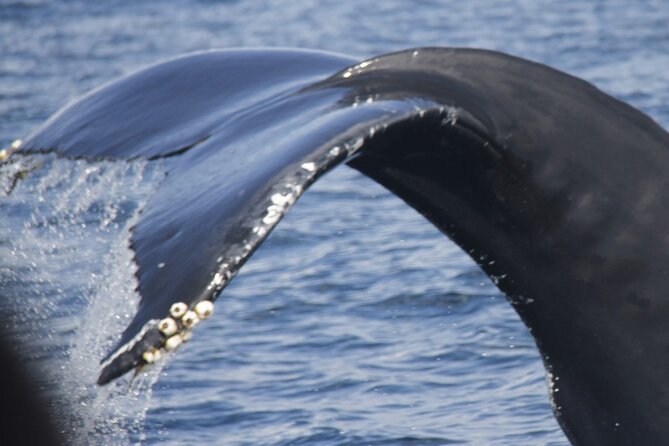
- Species variety is plausible: you may see sperm whales, sei whales, and several dolphin types.
- Guide-led watching: names like Victor come up again and again for pointing out where to look.
Terceira’s whale-and-dolphin reputation (and why it matters)
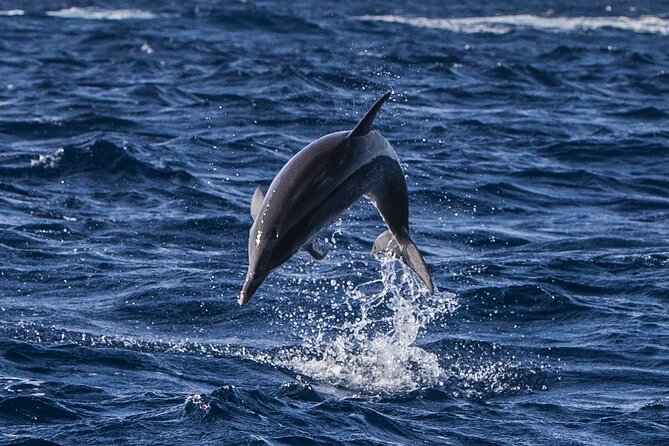
Terceira sits in one of the world’s best regions for spotting cetaceans. The Azores can host around 28 different species throughout the year—about one third of the planet’s known cetacean species. That’s not a marketing number for me. It means your trip has a higher chance of turning into a “wow” day, not just a scenic boat ride.
But here’s the practical angle: what you see depends on timing and conditions. Some days bring multiple species and pods that stay near the boat for long stretches. Other days shift toward the dolphins and you wait longer for whales—or you might not see whales even when the dolphins are active. The best mindset is flexible: show up ready to learn the marine neighborhood, not locked into one species photo.
You can also read our reviews of more tours and experiences in Terceira.



The watchman system: how the boat finds cetaceans
The part I’d want you to understand is the workflow. The team uses a “Watchman” located on land at a high viewpoint. That person scans with long-range binoculars, then relays info via radio so the vessel can reposition quickly to where cetaceans are likely to surface.
This approach helps them maintain a sighting rate of over 90%, which is impressive in a place where animals can travel fast and keep their distance. It also explains why the boat doesn’t just wander in hopes. Instead, you’re guided to the likely action zone—then the driver and spotter keep refining the search as sightings appear.
If you’re the type who gets impatient waiting for something to happen, this system is a comfort. You’re not just on a tour; you’re on a coordinated hunt with trained eyes watching from two angles.
Meeting at Water4fun in Angra do Heroísmo: what to expect before you leave
You’ll start at Water4fun – Whale Watching Terceira island, at 9700-154 Angra do Heroísmo. The start time is 8:30am, and the tour loops back to the same meeting point when it’s done.
Arrive early. One detail I’m glad you should know: the operation runs on time. If people are delayed, they may still start without them. So give yourself a cushion—especially if you’re taking a taxi or planning from where you’re staying in town.
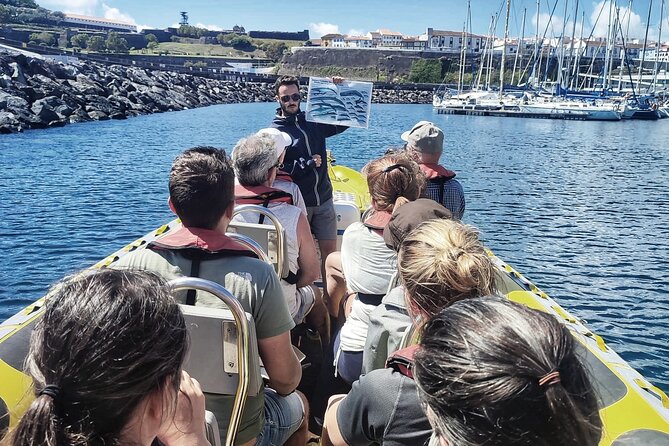
Once you’re on board, you’ll get life jacket support and the team handles the safety basics. The vibe is active from the jump. You’ll also hear talk about what kinds of whales and dolphins are possible in the area, so your eyes don’t start from zero when the water gets busy.
On the water for about 3 hours: the boat setup makes a difference
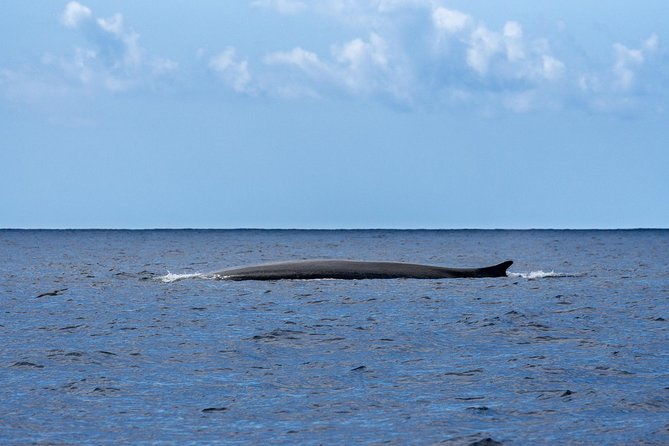
The tour lasts about 3 hours and runs on a speedboat. The exact path can change day to day based on sightings and sea conditions, but the pattern is consistent: look, reposition, then spend time with whatever appears.
Size matters here. Many sightings happen close to the boat, and the vessel is small enough that you’re not stuck craning your neck over a forest of heads. People describe it as having about 12 passengers in 6 rows, which keeps sightlines more open than boats with wider rows and cramped seating.
One more detail that really affects your comfort: with the seating layout, the tour can encourage a switch between sitting and standing depending on which side has the action. Reviews describe grab bars and partitions that help you feel stable, which is important because the boat can bounce over waves. Expect the sea breeze, and plan to hold onto your gear. If you’re prone to motion sickness, take that seriously before you go.
Your “what might I see” reality check (and what the crew can’t control)
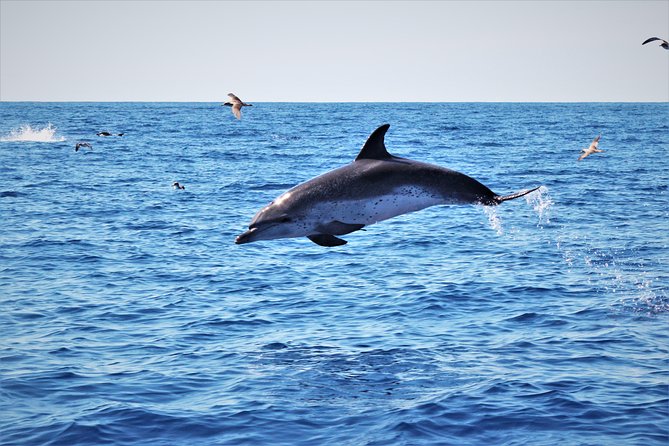
Here’s the promise and the limitation. The tour includes a Guaranteed Whale and/or Dolphin Sighting, but it does not guarantee a specific species. They can only guarantee that at least one cetacean from the whale/dolphin group will be seen. Which one—and what kind of behavior you’ll get—can’t be predicted.
That’s not a cop-out. It’s the honest part of wildlife watching. Cetaceans decide what they do. Your team can aim the boat, adjust the search area, and maximize your chances—but they can’t force an animal to surface at the exact moment you’re watching.
A few sightings that come up in actual trip experiences include:
- Sperm whales (including mom-and-calf situations)
- Sei whales
- Blue whale sightings with a calf mentioned in at least one account
- Humpback whales
- Several dolphin types like common dolphins, Risso’s dolphins, Atlantic spotted dolphins, and spotted/bottleneck-style dolphin references
Also mentioned are rarer-sounding encounters such as false killer whales and pilot whales. The takeaway for your planning: if you go in expecting variety, you’ll feel the reward even on a day that’s heavy on dolphins.




The guarantee: what happens if you come up empty
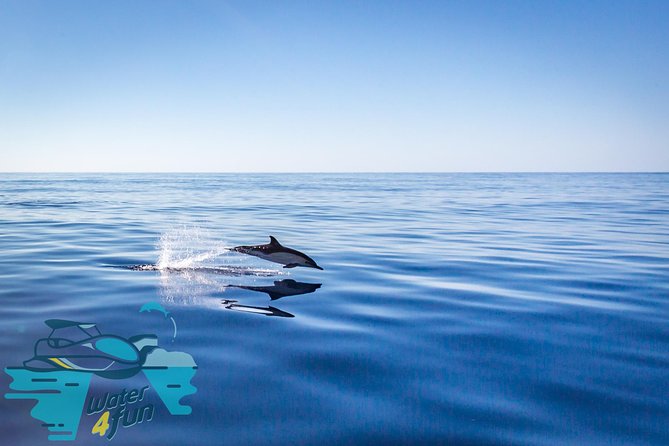
The tour guarantees at least one cetacean in the whale/dolphin group. If you don’t see a specimen from that cetacean order, you get a chance to try again. The option is either:
- Reschedule a second attempt free of charge, if dates are available, or
- Request a full refund as a last resort.
This kind of guarantee changes how I see the value. You’re still accepting wildlife uncertainty, but you’re not throwing money into a slot machine. The company stands behind the experience enough to offer a do-over or refund if the day truly fails on sightings.
Dolphins close-up vs. whales at distance: how to judge a “good” day
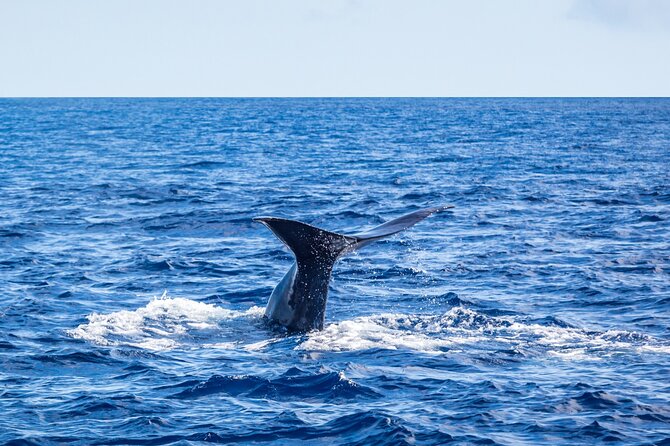
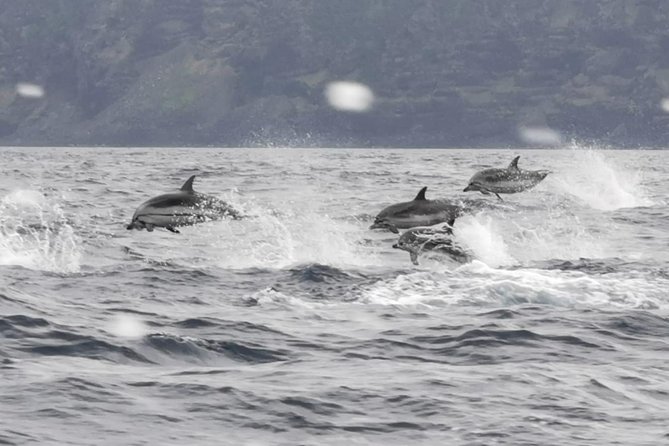
It helps to know what a “win” looks like on these trips. Many days feel like a dolphin buffet: pods can swim near the boat, sometimes in busy groups that offer repeated passes. Those long, close encounters are the kind that turn into endless counting and photo bursts.
Whales are different. Even if whales are present, they can be farther offshore, show in intervals, or spend longer under the surface. When a whale does come up, the best moments are often the moments you track calmly—then you see what you came for.
One practical tip: don’t just watch where the boat is pointing. Listen to the guide. Spotter directions can shift quickly, and guides often explain how to read surfacing patterns and movement. In the accounts I’ve seen, guide Victor is singled out for being funny, engaged, and good at directing attention so you don’t miss the short windows.
Food, clothes, and comfort: how to prepare like a local watcher
This kind of trip is short and weather-driven, so your comfort plan should be simple.
I’d recommend:
- A light, windproof layer (the sea breeze can cut fast).
- Non-slip shoes if you plan to stand for longer looks.
- A small towel or cover for spray.
- A phone/camera setup that you can secure quickly.
One more thing: the boat experience can feel a bit adrenaline-heavy if the sea is active. That’s part of the adventure, but it’s also why you should take seasickness seriously. If you’ve had issues before, bring your solution rather than hoping.
Price and value: is $78.64 a fair deal?
At $78.64 per person, you’re paying for four things: access to the water, a guided search, safety gear support, and the spotting effort behind the scenes.
The big value boosters are:
- The small-group feel, which improves your viewing.
- The watchman guidance model, which reduces aimless searching.
- The sighting guarantee, which handles the biggest fear most people have: paying and getting skunked.
Could the day still end with fewer whales than you hoped? Yes. Could the seas create tricky visibility at first? Also yes. But the guarantee plus the strong reputation score (4.9 with 150 reviews) suggests that even when whales aren’t abundant, you still get meaningful cetacean time.
If you’re choosing between a generic tour and one with active spotter guidance and a guarantee, you’ll usually get a better return on your time and money.
Who should book this tour (and who might feel let down)
Book this if you:
- Want real wildlife time on the water, not just “maybe we’ll see something.”
- Like guided interpretation—learning what species might be around and how the spotting works.
- Enjoy being active outdoors, including standing briefly for views.
You might consider another option if you:
- Need very predictable, scripted experiences. This is still wildlife watching.
- Are easily discouraged by partial success. Some days are dolphin-heavy, whale-light.
- Are uncomfortable in moving boats. The speedboat is part of the thrill, but it’s not a flat ferry.
That said, the crew’s goal is to put you in the right area, then keep you there. The over-90% sighting rate and the guarantee speak to a serious attempt, not a casual “let’s see what happens” approach.
Quick booking checklist for your 8:30am start
If you want the smoothest day, do these:
- Plan to be at Water4fun early for the 8:30am departure.
- Bring layers for wind and spray.
- Charge your camera and have a quick-access setup for sudden surfaces.
- Keep expectations flexible on species (you’re guaranteed cetaceans, not a specific whale).
Also: the tour can depend on weather. If conditions are unsafe or not workable, it may be canceled. If that happens, the operator offers a different date or a full refund in line with their weather requirement.
Should you book Water4fun Whale Watching Terceira?
Yes—if you’re going to Terceira and you’re even mildly serious about marine life, this is a strong pick. You’re paying a fair price for an operation built around spotter-guided searching, a small boat that keeps views practical, and a guarantee that removes the worst-case fear.
Just go with the right mindset: you can’t demand one species, but you can absolutely expect a focused hunt and real cetacean encounters. If you treat the morning like a nature-science outing—listen to the guide, stay ready when the boat shifts—your odds of leaving with a “worth it” story are very high.
FAQ
Where is the meeting point for the tour?
The tour meets at Water4fun – Whale Watching Terceira island, 9700-154 Angra do Heroísmo, Portugal.
What time does the tour start?
The start time is 8:30am.
How long is the whale watching experience?
It lasts about 3 hours.
Is the tour offered in English?
Yes, the tour is offered in English.
What’s included in the price?
Life jacket and safe are included, and there is a guaranteed Whale and/or Dolphin Sighting.
What is the sighting guarantee?
The guarantee is for at least one specimen from the cetacean order (whales and/or dolphins). The company cannot guarantee which exact species.
What happens if you don’t see any whales or dolphins?
If no specimen is seen, you can reschedule a second attempt for free (subject to availability) or request a full refund as a last resort.
Can I get a full refund if I cancel?
Free cancellation is available up to 24 hours in advance of the experience start time for a full refund.
Final thought
If your goal is to maximize your chance of real whale-and-dolphin time in the Azores, this is the kind of tour that’s worth your slot. Just plan for the sea to be the boss, and let the spotter-guided search do its job.