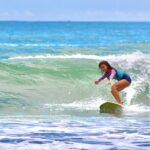
First wave nerves usually vanish here. This private surf lesson at Playa Espadilla (near Manuel Antonio) in Quepos is built for real beginners, with step-by-step coaching that takes you from standing on the board to catching waves.
I love the 10 minutes on the sand at the start. It’s where your posture and feet placement get fixed before you ever get pummeled by surf. I also love the teaching style—Tony stays close in the water, corrects what you’re doing wrong as you go, and then lets you paddle and ride on your own when you’re ready.
One consideration: it’s weather-dependent and you’ll be doing a fair amount of paddling and repeated getting up, so moderate physical fitness helps.
In This Review
- Key highlights you’ll care about
- Surf Lesson at Manuel Antonio Beach: What You’ll Really Learn
- Where the lesson starts: Restaurante Marlin and Playa Espadilla
- The 10-minute sand clinic: the fastest way to improve
- Into the water: close coaching that helps you catch your first wave
- How the instructor’s style supports beginners (Tony’s approach)
- Timing, duration, and what 2 hours feels like
- Price and value: what $55 buys you in Quepos
- Who should book this lesson (and who might want a different option)
- Meeting day tips: make the most of your time in the ocean
- Weather, safety, and what happens if conditions change
- Should you book this surf lesson at Manuel Antonio?
Key highlights you’ll care about
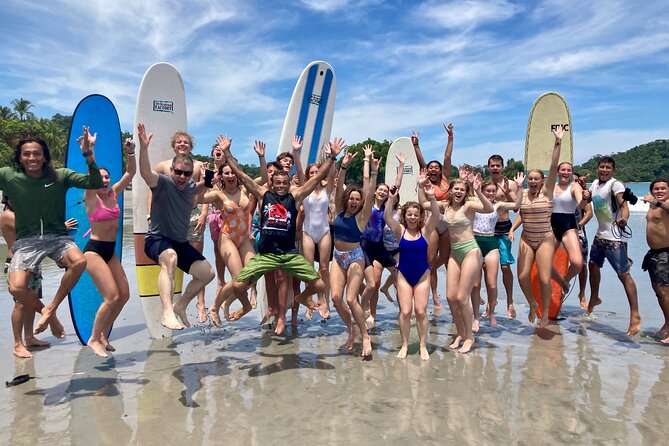
- 10-minute sand start focused on posture and foot placement
- Close in-water coaching with push-ins to help you time the waves
- Private lesson for your group only, so feedback is direct
- Confidence-first approach so your first wave feels understandable
- $55 for ~2 hours of hands-on instruction in Quepos
- Runs daily (6:30 AM to 5:00 PM), giving you options
Surf Lesson at Manuel Antonio Beach: What You’ll Really Learn
Manuel Antonio is famous for good beach time, but this lesson is about the skill chain: stand up, balance, paddle, and then catch your first wave without guessing. The format matters because surfing is one part athletic move and one part timing problem. If you get both wrong at the start, you’ll waste a lot of energy and confidence.
This class is designed to fix the timing and the body mechanics early. You begin on shore with quick, practical instruction, then you move into the ocean while the instructor is right there. As the lesson progresses, you do less “being helped” and more “doing it yourself,” which is exactly how you learn to trust your board and your movement.
You can also read our reviews of more tours and experiences in Quepos.



Where the lesson starts: Restaurante Marlin and Playa Espadilla
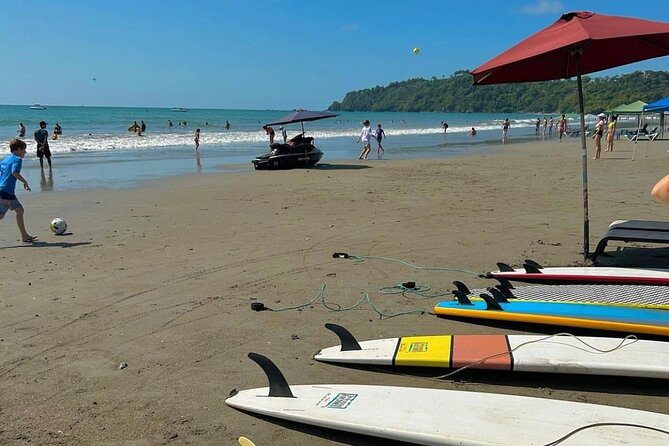
Your meeting point is Restaurante Marlin Frente a Playa Espadilla in Quepos. The activity ends back at the same place, which keeps the logistics simple after you’re wet, sandy, and done sweating in a tropical way.
If you’re using public transport, the area is listed as near public transportation. That’s useful in Quepos, where getting around can be easy if you’re flexible, but a little annoying if you show up with no plan. Aim to arrive a few minutes early so you can get your bearings and gear sorted before the sand coaching starts.
The 10-minute sand clinic: the fastest way to improve
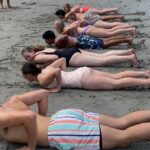
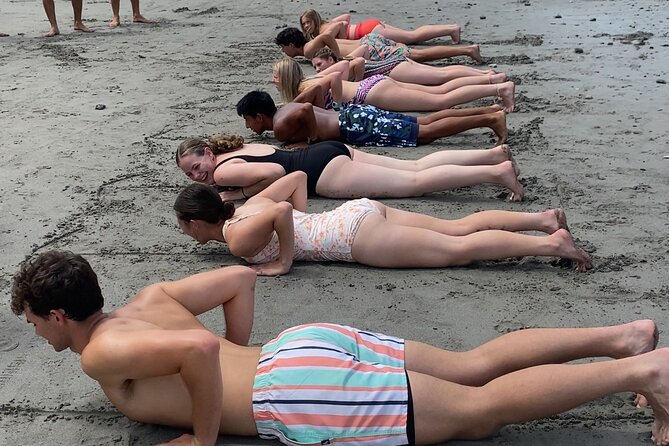
The first part of the lesson is about 10 minutes in the sand. This is not “hang out and warm up.” This is the moment where someone fixes the small things that cause big wipeouts later.
You’ll work on:
- how to get up on the board
- posture basics
- feet placement and how to position them
This is valuable because most beginners lose time trying to figure out the stance while already sitting on the board, in motion, with waves breaking. Sand is calm. You can reset your body, learn what correct feels like, and then carry that muscle memory into the water.
If you like learning by doing (and you should, because surfing is not a sit-and-watch sport), this first chunk is a good setup. You’ll feel less “random” once you hit the waves.
Into the water: close coaching that helps you catch your first wave
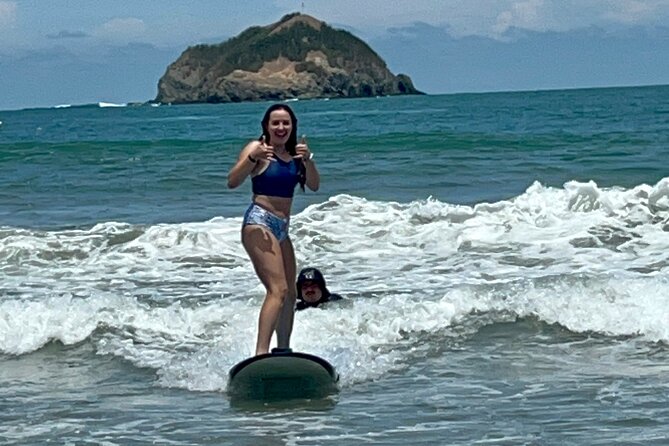
Once you move into the water, the instructor stays close to students. That doesn’t just mean safety—it changes how you learn.
The coaching works in steps:
- Pushing you into the waves so you experience the correct timing
- Correcting your mistakes as they happen
- Gradually getting you to paddle and catch waves on your own
That “push, correct, then release” progression is smart. Early on, you’re not trying to prove independence. You’re trying to understand the flow: when to paddle, how to line up, and what to do when a wave lifts you.
It also helps with the mental side. Surfing can feel intimidating if you don’t know what the next move should be. With an instructor right next to you, you spend less time panicking and more time learning.
How the instructor’s style supports beginners (Tony’s approach)
One of the strongest signals from the experience is that the teaching is built around comfort and confidence. The goal is that when you get your first wave, you understand the feeling—not just that it happened.
Tony is highlighted as an excellent teacher, and that matches the structure: close guidance early, then steady improvement until you’re paddling and catching waves by yourself. In other words, you’re not left to figure it out after the first wipeout.
That’s the kind of teaching style that turns a potentially frustrating session into a real learning arc. You should come out knowing what to focus on next time, not just hoping you’ll remember how it went.



Timing, duration, and what 2 hours feels like
The lesson runs for about 2 hours. For most people, that’s a sweet spot: enough time to learn the basics and get multiple chances to stand up, but not so long that you’re exhausted beyond learning.
Also pay attention to the daily schedule window: it runs Monday through Sunday from 6:30 AM to 5:00 PM. That matters for planning because in Costa Rica, the easiest day is the one you can fit into your beach rhythm. If you’re visiting Manuel Antonio, you’ll probably want this earlier in the day so you’re not fighting fatigue later.
On average, this experience is booked about 18 days in advance. Popular surf instruction sells out faster than you’d think, especially when you want a specific time window.
Price and value: what $55 buys you in Quepos
The price is $55.00 per person and the lesson lasts about 2 hours. On the surface, that sounds like “a surf class.” But the real value is in what’s included in that time: sand coaching for your stance and feet, then close in-water support that helps you time waves and improve quickly.
It’s also a private tour/activity, meaning only your group participates. Private instruction usually costs more than group lessons because you get more direct feedback and less waiting your turn. Here, the price feels reasonable for the level of coaching implied by the format: posture correction, active wave interaction, and step-by-step progression.
In short: you’re paying for guidance that reduces trial-and-error. And with surfing, that’s where most of the money and time are usually wasted—especially if you go in with no plan.
Who should book this lesson (and who might want a different option)
This is a good fit if:
- you’re a beginner who wants clear instruction
- you want an instructor close enough to correct mistakes in real time
- you prefer a private setting for faster learning
- you’re comfortable with a moderate fitness level
The experience notes a moderate physical fitness level is recommended. That doesn’t mean you need to be an athlete. It does mean you should expect paddling, getting up repeatedly, and moving with purpose even when it’s slippery and sandy.
If you’re looking for a surf lesson that focuses on theory only, this isn’t that kind of class. If you want to feel the board and the wave timing while being coached, this matches your goal.
Meeting day tips: make the most of your time in the ocean
Because this class is structured around being on the beach first and then in the water, your day planning affects your learning. Here are practical things that help you get more from the 2 hours.
- Go in ready to move. Tight schedules and rushed mornings reduce focus when you’re learning foot placement and getting up.
- Expect repetition. The sand lesson and in-water coaching are meant to build a pattern, so doing the same action a few times is normal.
- Keep your mindset simple: follow the next instruction. In surfing, too much self-analysis is a way to get stuck.
Also remember: it requires good weather. If conditions aren’t right, the experience may be rescheduled or you may get a full refund. That weather dependency is common for surf lessons, but it’s still worth planning your overall Costa Rica itinerary with some flexibility.
Weather, safety, and what happens if conditions change
Surf lessons depend on conditions, and this one explicitly requires good weather. If it’s canceled due to poor weather, you’ll be offered a different date or a full refund.
In real-world terms, that means you’re not paying for an experience that ignores the ocean. You’re paying for instruction that only runs when it can safely help you learn. If you’re traveling in rainy season or you’re on a tight schedule, it’s smart to keep this lesson flexible in your plan.
Should you book this surf lesson at Manuel Antonio?
If you want a beginner-friendly surf experience with close instruction, this one is a strong choice. The format is built for learning, not just beach entertainment: sand coaching for your stance and then hands-on wave work until you can paddle and ride more independently. Tony’s teaching is specifically called out as excellent, and the overall recommendation rate is extremely high.
Book it if:
- you want private, direct feedback
- you’re trying to get your first wave with confidence
- you value coaching that corrects mistakes quickly
Consider a different option if:
- your schedule is inflexible and you can’t handle weather-related changes
- you’re not comfortable with the physical demands of paddling and getting up on a board
If you’re coming to Quepos for Manuel Antonio beach time, this adds a real skill you can practice on future trips. You’ll leave with a clearer sense of how to stand, how to position your feet, and what the first real wave is supposed to feel like.