REVIEW · QUEPOS
Naranjo River White Rafting Clas III-IV from Manuel Antonio
Book on Viator →Operated by Tucanes Tours · Bookable on Viator
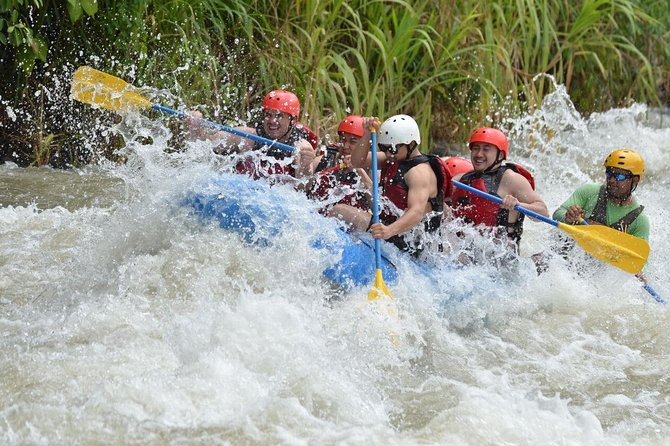
If you want adrenaline with a side of wildlife, this Naranjo River rafting trip from Manuel Antonio delivers. You’ll head to the Savegre River through tropical rainforest, raft Class III–IV sections, and then return for lunch and a dry-ish landing back at your hotel area.
What I like most is how much structure you get before you hit the main rapids. You’re coached, guided, and even given chances to understand what to do in the water—so first-timers aren’t left guessing. I also like the day’s balance: real rapids action plus a chance to spot creatures like toucans, herons, monkeys, king fishers, and iguanas along the route.
One thing to consider: this is a rainy-season-friendly adventure, not a sit-and-sip cruise. In wet months, water can bring tougher moments (even up to Class 4 in some sections), and you should assume you’ll come back soaked—so pack smart and don’t rely on sandals for comfort.
In This Review
- Quick highlights you’ll feel immediately
- Class III–IV rafting on the Savegre: the thrill-to-scenery ratio is the point
- How the 5 hours move: Tucanes pickup, the put-in, then lunch and back
- Guides on this run: why the safety talk actually matters
- Wildlife spotting without pretending you’re on a safari bus
- Rapids and paddling: beginner-friendly with real adrenaline
- Photos and the lunch recovery plan
- What to pack so you don’t spend the day annoyed
- Price and value: what $103.60 includes (and what doesn’t)
- Who should book this rafting trip from Manuel Antonio?
- Book it or skip it? My practical verdict
- FAQ
- How long is the Naranjo River Class III–IV rafting trip from Manuel Antonio?
- What’s the meeting point for the tour?
- What time does the tour start?
- Is hotel pickup and drop-off included?
- What river class should I expect?
- What’s included in the price?
- What’s the minimum age?
- What should I bring?
- Is there a vegetarian lunch option?
- How many people are in a group?
- Can I get a full refund if I cancel?
Quick highlights you’ll feel immediately
- Hotel pickup and drop-off from Quepos and Manuel Antonio so you’re not figuring out transport
- Class III–IV rapids with rainy-season variations, including possible Class 4 sections
- Wildlife spotting along the tropical rainforest sections on the way down the river
- Safety-first coaching with clear instructions and water practice before the main run
- Lunch included after the rafting, plus optional photo/video upsells
Class III–IV rafting on the Savegre: the thrill-to-scenery ratio is the point
This outing is built for people who want both excitement and nature without turning it into a full-day slog. You’re on the Savegre River, not a polished “theme” river. That means you get real current, real drops, and a rainforest setting where birds and animals show up when you least expect it.
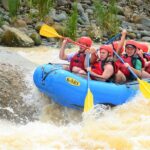
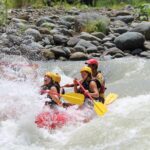
The rafting difficulty is listed as Class III–IV. Here’s the practical takeaway: you’re not just rolling through gentle rapids. Expect paddling moments, sharper waves, and the kind of hands-on scrambling that makes you laugh and shout at the same time.
During the rainy season, some sections can reach Class 4. That’s not a promise that every run will be maximum intensity. It does mean your trip can feel more intense if conditions are higher and faster, and it also explains why you should listen closely during the safety talk.
You can also read our reviews of more tours and experiences in Quepos.
How the 5 hours move: Tucanes pickup, the put-in, then lunch and back
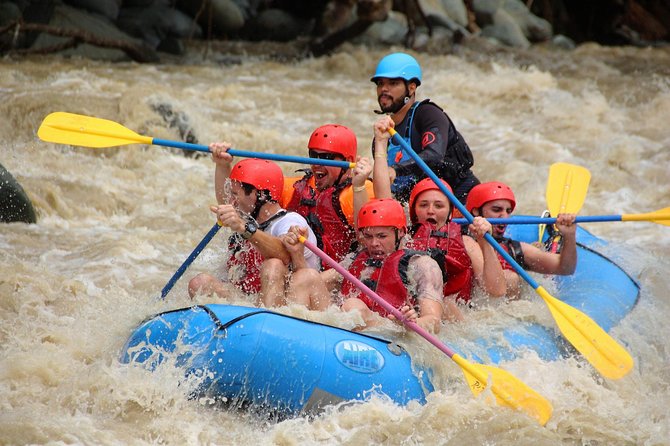
The trip is about 5 hours total. The schedule is simple: you get picked up, driven to the put-in, raft your way through the river sections, and then return for lunch and drop-off.
You can typically choose a morning or afternoon departure time. The provided start time shows 8:30 am for the listed meeting, so if you’re booking for a later start, double-check your actual departure time when you confirm.
There’s also a maximum group size of 15 travelers. That matters. Smaller groups usually mean more personal attention during instructions and less chaos when you’re changing gear or listening to what the guide wants you to do.
The day’s rhythm is also comfortable for families and couples who don’t want to spend the whole afternoon stuck in traffic. You get a real block of rafting time, then you transition to food and decompression instead of stretching the day longer than it needs to be.
Guides on this run: why the safety talk actually matters
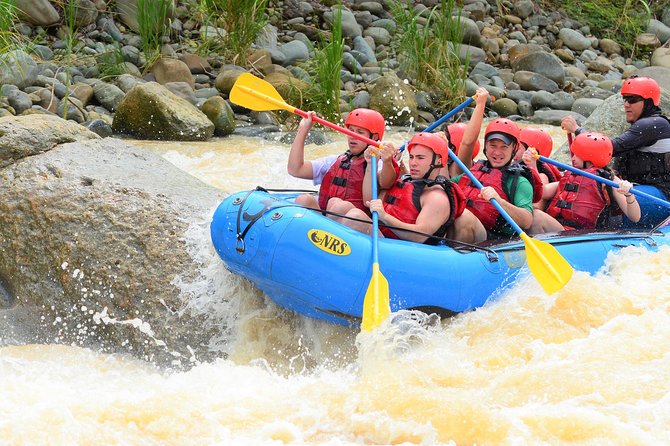
One of the best parts of this experience is how much the guides focus on communication. People describe the guidance as clear and specific, including when to move around, when to leave things in the bus, and what to do during the rafting itself.
You’ll also hear mentions of guides like Nicholas, Orlando, Josue, Ruper, Nico, and Dani—names that show up consistently in strong feedback. Even when rafting conditions get bumpy, the core idea stays the same: you’re not expected to “figure it out” on your own.
A standout detail: some trips include practicing on the water before you reach the main rapids. That’s huge for confidence. It helps you learn how the raft responds and what “follow the guide” means in real moving water, not just as a safety speech.
Wildlife spotting without pretending you’re on a safari bus
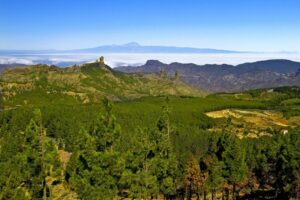
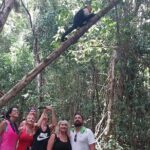
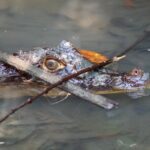
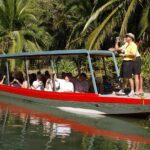
The rainforest part isn’t a separate “nature tour.” It’s part of how you reach the river and how the rafting experience unfolds. You’re given opportunities to see wildlife such as herons, toucans, monkeys, king fishers, and iguanas.
In practical terms, that means you can enjoy the setting even if you’re not a hardcore birder. You’re watching from the river and from the experience flow, not staring at one spot for an hour waiting for something to happen.
If you want the best odds of spotting animals, keep your eyes open when you’re slowing down—especially during transition moments. Rapids are loud and exciting, but the calm stretches are when creatures often show up.
Rapids and paddling: beginner-friendly with real adrenaline
This tour is often described as beginner friendly, but it’s not “beginner gentle.” The difference is in how the day is handled. You get instruction, you practice, and your guide manages the run so you’re safe and still feeling the thrill.
Here’s how it typically feels:
- You go straight into the excitement after the put-in rather than spending forever cruising to find rapids.
- You’ll paddle when told, follow commands quickly, and stay aware of how your movements affect balance.
- You’ll likely get a few “oh wow” moments when the river picks up.
Rainy-season conditions can change the intensity. One example shared is an August run where water levels weren’t as high as expected for the rainy month, resulting in Class III rapids. So the trip can vary. That’s also why guides take safety and positioning seriously.
One consideration from experience: some guides may keep paddlers positioned more inside the raft during harder parts. That can reduce the chance of going overboard, but it can also limit how much you paddle from the edges and what it feels like physically. If you’re more experienced and want a more active paddling role, you can talk to your guide during instruction so expectations match reality.
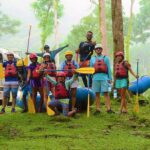
Photos and the lunch recovery plan
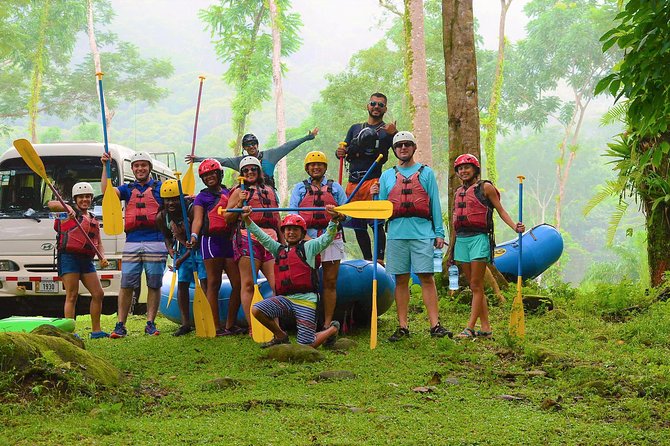
After you’re done on the river, you return for lunch. Lunch is included, and it’s described as a buffet. That’s a big value point because whitewater days are not gentle on your appetite.
There’s also mention of being able to change into dry clothes at the restaurant bathroom after the trip, which makes the transition back to “normal” much easier.
Photo service is available and not included as part of the base price. One shared cost: $40 for pictures and $60 if you want videos. If you’re the type who likes to remember the chaos (you will, trust me), plan for this as an optional add-on rather than a surprise.
What to pack so you don’t spend the day annoyed
This is a wet activity. The tour gives you guidance on what to bring, and those items matter:
- Rubber-soled shoes (good grip is your friend)
- Swimsuit
- Quick-drying shorts
- Towel
- Waterproof sun protection
- Extra clothes for the ride back after you get soaked
If you show up in anything that soaks and stays heavy—think cotton—your comfort drops fast. Quick-drying fabrics and a towel are the difference between feeling fine and feeling like your clothes are plotting against you.
Price and value: what $103.60 includes (and what doesn’t)
At $103.60 per person, you’re not just paying for the raft time. This price includes:
- hotel pickup and drop-off from Quepos and Manuel Antonio
- lunch
- equipment
- all taxes, fees, and handling charges
- a professional guide
So you’re effectively paying for transportation, gear, and a guided experience, with lunch handled too. That’s why the cost can feel reasonable compared to “barebones” rafting—because the hidden costs (gear rental, getting to the river) are already covered.
What’s not included:
- optional photo/video purchases during or after the trip
If you’re traveling in a pair or small group, this is especially good value because the logistics are taken care of for you. And with a maximum of 15 travelers, you’re not getting swallowed by a huge crowd.
Who should book this rafting trip from Manuel Antonio?
This fits best if you:
- want real whitewater (Class III–IV) rather than mild river play
- like the idea of rainforest scenery and wildlife while you’re moving
- can follow instructions and keep your focus during the rapids
- are okay with getting wet and changing afterward
It’s also a solid choice if you’re a first-timer who wants structure. Multiple people mention the coaching, practice on the water, and guides staying attentive during the run.
It may not be ideal if you’re hoping for a perfectly “controlled” intensity level. Water conditions can shift, especially during rainy season. And if you hate the idea of being less involved in edge paddling during rougher moments, you’ll want to communicate your preference ahead of time.
Book it or skip it? My practical verdict
I’d book this if you’re in Manuel Antonio or Quepos and you want a guided river day that combines thrills, clear instruction, and included lunch. The small group size, hotel transfers, and the way the guides handle safety make it a smart choice for people who don’t want chaos in the planning.
I’d think twice if you’re extremely sensitive to getting wet, or if you need a specific, unchanging level of rapids intensity. This tour can flex with conditions, and the rainy-season possibility of tougher sections is part of the deal.
If you want a memorable day that feels like you did something real in Costa Rica—this is the kind of adventure that delivers.
FAQ
How long is the Naranjo River Class III–IV rafting trip from Manuel Antonio?
It’s approximately 5 hours.
What’s the meeting point for the tour?
The start point is Tucanes Tours.
What time does the tour start?
The provided start time is 8:30 am, and the experience offers morning or afternoon departures.
Is hotel pickup and drop-off included?
Yes. Pickup and drop-off are included from hotels in Quepos or Manuel Antonio.
What river class should I expect?
The trip is described as Class III–IV. During the rainy season, some sections can reach Class 4.
What’s included in the price?
Hotel pickup and drop-off, lunch, equipment, professional guide, and all taxes, fees, and handling charges.
What’s the minimum age?
The minimum age is 10 years.
What should I bring?
Bring rubber-soled shoes, a swimsuit, quick-drying shorts, a towel, waterproof sun protection, and extra clothes.
Is there a vegetarian lunch option?
Yes. A vegetarian option is available if you advise at the time of booking.
How many people are in a group?
The tour has a maximum of 15 travelers.
Can I get a full refund if I cancel?
Yes. Free cancellation is offered up to 24 hours in advance of the experience start time for a full refund.
If you want, tell me your travel dates (and if you prefer morning or afternoon), and I’ll help you pick the best timing based on the rainy-season Class 4 possibility.