REVIEW · QUEPOS
Mangrove Damas Island Kayak Tours
Book on Viator →Operated by Iguana Tours · Bookable on Viator
Mangroves have a way of slowing you down. On this open-seat kayak tour, you paddle the protected Damas Estuary while bilingual naturalist guides (including Marlon Erick Gonzalez Araya, who goes by Mega) help you spot wildlife and learn what you’re seeing. Two things I really like: you get a front-row view of birds, iguanas, crabs, and more in a quiet, guided setting—and the tour includes breakfast, lunch, dinner, plus snacks so you’re taken care of afterward. One possible drawback: timing depends on the tides, so the start may not always be as early as you hope, and you do need to paddle for a few hours.
If you’re staying around Manuel Antonio/Quepos, the included pickup and drop-off makes this feel low-stress. It’s also capped at 30 travelers, which helps the vibe stay personal rather than like a factory tour. Just remember you’re in an outdoor, wet-and-sunny environment—bring the right shoes and expect your clothes might get damp.
In This Review
- Key Highlights Worth Planning For
- Mangrove Kayaking in Quepos: What Makes Damas Island Special
- The 4-Hour Plan Around Isla Damas (and Why Tides Matter)
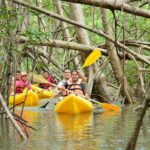
- Open-Seat Kayak Feel: Peaceful Water, Real Paddling
- Wildlife Spotting That Feels Personal, Not Random
- Isla Damas Views: Cameras Come Out for a Reason
- Meals Included: The Often-Overlooked Value Boost
- Price and Logistics: Is $70.20 a Good Deal?
- What to Pack (So You Don’t Spend the Trip Miserable)
- Who Should Book This Kayak Tour (and Who Might Want Another Option)
- Should You Book Mangrove Damas Island Kayak Tours?
- FAQ
- How long is the Mangrove Damas Island Kayak Tour?
- Where does the tour start and end?
- How much does it cost per person?
- What is included in the tour?
- What should I bring or wear?
- Is this suitable for children?
- Do I need good physical fitness?
- What time does the tour run?
- What happens if weather is poor?
- What is the maximum group size?
Key Highlights Worth Planning For
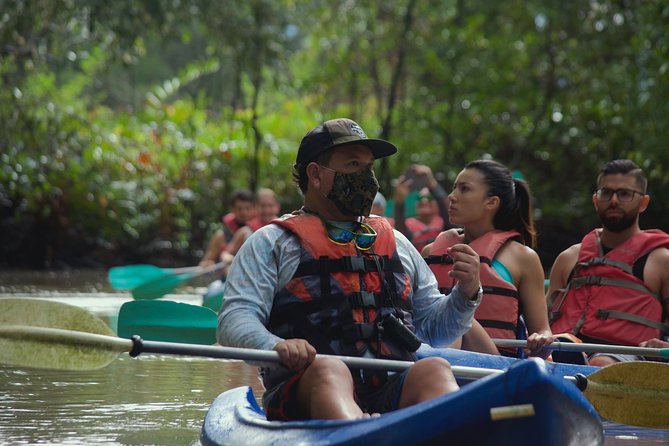
- Open-seat kayak on protected inland waterways so you’re paddling mangrove channels, not battling big open water
- Bilingual naturalist guidance with guide support from Mega (Marlon Erick Gonzalez Araya) known for being patient and informative
- Isla Damas as the main paddling focus, with a few hours spent working with the currents
- Wildlife spotting is the point: birds, iguanas, crabs, and sometimes capuchin monkeys or anteaters (not guaranteed)
- Meals are built in: breakfast, lunch, dinner, and snacks mean less planning and more time enjoying the day
- Small-group feel (max 30) which makes it easier to ask questions and keep up on the water
Mangrove Kayaking in Quepos: What Makes Damas Island Special
This isn’t about zooming through a scenic checklist. The appeal here is the contrast: mangroves feel wild and alive, but the route stays in protected inland waterways where you can actually focus on what your guide points out.
You’ll be on an open-seat kayak, which changes the experience compared with enclosed tours. With an open cockpit, you feel the weather more directly—breeze, sun, and the subtle shift of water—so it’s easier to notice birds flying between branches and small movements along the waterline. It also means you’ll want to dress smart, because you can get damp and you’ll definitely be in the sun.
The other big draw is that you’re not just paddling. You’re learning alongside bilingual naturalist guides. One guide in particular—Marlon Erick Gonzalez Araya, known as Mega—stands out in the way he supports people who want to participate even if their Spanish isn’t strong. That matters because mangroves can be visual-messy: leaf shapes, roots, and channels all blur together unless someone helps you interpret them.
You can also read our reviews of more tours and experiences in Quepos.
The 4-Hour Plan Around Isla Damas (and Why Tides Matter)
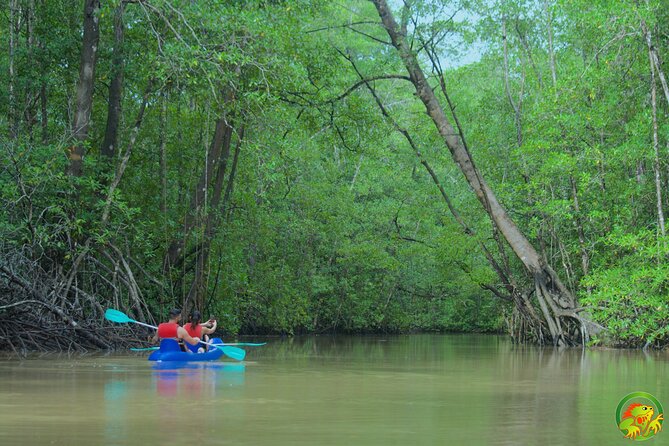
The tour runs about 4 hours, and the heart of it is your paddling out toward Isla Damas and through the mangrove estuary waterways. Expect “a few hours” on the water, working with the currents rather than constantly fighting them.
Here’s the practical thing to know: timing can shift because the start depends on tides. So even if you’re hoping for an early morning paddle, plan for the day to feel more flexible. In one case, the outing started midday just before afternoon rains—so don’t build your schedule around a strict hour. Instead, think of this as a guided window into the mangroves that adjusts to conditions.
That tide dependency is also part of why the experience can feel smooth. The goal is that you’re on the water when conditions help you move through channels safely and comfortably, rather than forcing the paddle against less friendly water movement.
Open-Seat Kayak Feel: Peaceful Water, Real Paddling
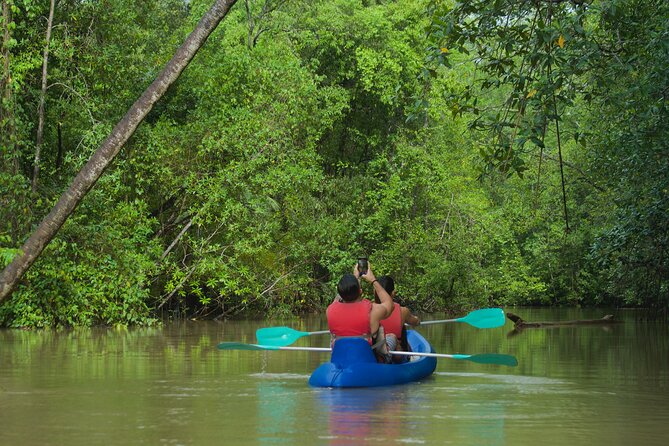
This tour is peaceful, but it’s not a lazy drift. You’re in a real kayak where you’ll paddle for a few hours. The upside is that mangrove kayaking tends to feel calmer than many ocean adventures, because the waterways are inland and protected.
Still, you should honestly gauge your comfort level. The requirements call out moderate fitness and recommend you’re relatively physically fit for open-seat kayaking for several hours. If you don’t paddle much at home, bring the right expectations: your arms will work, and you’ll get a feel for balance after a short stretch.
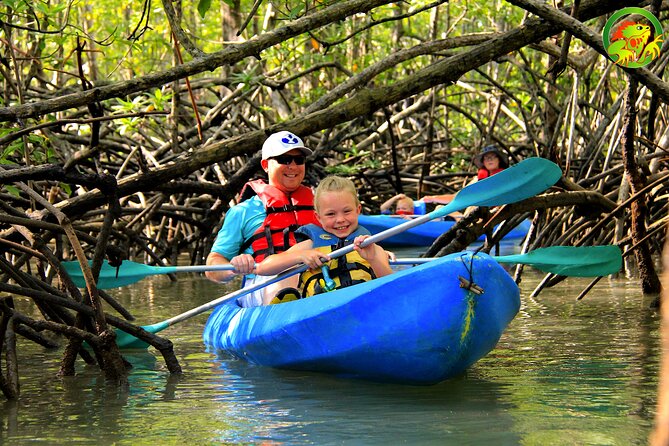
Also note the kayak setup. You’ll paddle in a double kayak with an adult. That’s a meaningful detail for families or groups: it means kids over 7 can join, but they’re paired in a way that keeps the activity manageable and safer. If you’re traveling as a group, this structure can also make the kayaking feel more like a shared experience rather than everyone doing separate things.
Wildlife Spotting That Feels Personal, Not Random
The whole point of paddling through mangroves is that wildlife lives where land meets water. Your guide helps you connect the dots: why certain birds hang around certain branches, how mangrove roots shape the water, and what to look for besides big, obvious sightings.
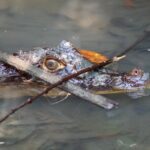
From what’s described, you may see birds, iguanas, crabs, and sometimes larger mammals in the trees—like capuchin monkeys. One guide-led outing also included a curled-up anteater in distant trees. The key word is possibility, not promise: you’re in nature, and sightings vary with time, weather, and tide movement.
What I value most is that the guide doesn’t just point at random animals. Mega is described as informative and entertained, and also patient—especially when someone wants to practice Spanish on the water. That changes how you remember the trip. You’re not only watching; you’re learning how to read the environment.
Isla Damas Views: Cameras Come Out for a Reason
Get your camera ready—but also get your expectations right. Mangroves aren’t like open beaches where wildlife stands still in full sun. You’ll often see animals at angles through branches or movement in the water’s edge, so photo success depends on staying patient and using quick, steady framing.
A good strategy is to treat your photos as “evidence” and not just trophies. If you catch a bird landing, a crab movement near roots, or an iguana sunning on a branch, you’ll come home with more than vague blur. And because the tour encourages you to bring a camera, it’s clearly part of the experience design.
Also, remember lighting. You’re out for roughly 4 hours, and the start time can be affected by tides, which can push you into different light. If midday is your window, you’ll likely deal with harsher sun. That’s another reason the recommended gear matters: sunblock and a hat help you stay comfortable long enough to get the shots you want.
Meals Included: The Often-Overlooked Value Boost
Kayak tours sometimes leave you starving afterward. Here, meals are part of the plan: breakfast, lunch, dinner, plus snacks. That’s a real value add, especially in this area where you might otherwise be scrambling for food after you get wet and tired.
Think about what you’re paying for when the package includes the full eating schedule. At $70.20 per person, you’re not just buying paddle time. You’re buying a guided nature outing plus a whole day’s meal coverage. That makes the economics easier to justify—particularly for families or groups.
The descriptions also point to the meal being satisfying and delicious, which sounds minor until you remember you might be paddling in warm conditions and then sitting down to something substantial. That post-tour comfort is part of why the overall experience feels complete.
Price and Logistics: Is $70.20 a Good Deal?
At $70.20 per person for about 4 hours, this lands in the mid-range for guided wildlife kayaking. The best part isn’t the base cost. It’s what comes attached: bilingual naturalist guidance, open-seat kayaking on protected waterways, and the full meal plan (breakfast through dinner) plus snacks.
Logistically, you also get hotel pickup and drop-off in the Manuel Antonio area. That matters more than people think. In Costa Rica, driving can take time and energy—so having someone handle transfers helps you show up focused, not stressed. The meeting point is on Av. 4 297 in Quepos, and the tour ends back at the meeting point, which keeps the flow simple.
One thing to watch: you’ll want to confirm your time and plan around tide variability. If you’re trying to fit this between tight connections, you’ll have less flexibility than you would with a fixed-time city tour.
What to Pack (So You Don’t Spend the Trip Miserable)
This is one of those tours where comfort gear actually changes the experience. The recommendations are simple and spot-on:
- Comfortable clothing you don’t mind getting wet
- Water shoes that can handle wet conditions
- Sunblock lotion and a hat
- A towel
- Camera
- Bring what you need to stay hydrated and comfortable in sun
Also, plan for the fact that open-seat kayaking means more direct exposure. Even on a calm day, you’ll feel sun and breeze. If you’re traveling with kids, pack extra thought for comfort—especially water shoes that don’t slip.
Who Should Book This Kayak Tour (and Who Might Want Another Option)
This tour fits best if you want nature education with a hands-on element. It’s also a great match for adventurous individuals, families, or groups of many ages, especially because children over 7 can participate as long as they paddle in the double kayak with an adult.
If you love wildlife but don’t want a strenuous hike, kayaking can be the sweet spot. You’ll still do real movement, but you’re not climbing or scrambling. And if you like asking questions, bilingual guides make it easier to connect what you see to what’s happening in the ecosystem.
It’s less ideal if you:
- hate paddling for several hours
- need a guaranteed start time regardless of tides
- are uncomfortable in sun and outdoor conditions
Should You Book Mangrove Damas Island Kayak Tours?
I’d book it if you want a guided, nature-first day with real paddling, strong wildlife attention, and meals handled for you. The combination of open-seat kayak access to the Damas Estuary, a patient bilingual guide like Mega (Marlon Erick Gonzalez Araya), and the built-in meal plan makes it good value for the time you spend.
Skip it if your schedule can’t bend for tides, or if you’re not comfortable paddling in a double kayak setup for a few hours. But if you’re game for a calm, educational mangrove experience and you pack for sun and water, this is exactly the kind of Costa Rica activity that feels both authentic and practical.
FAQ
How long is the Mangrove Damas Island Kayak Tour?
The tour is about 4 hours (approx.).
Where does the tour start and end?
It starts at Av. 4 297, Provincia de Puntarenas, Quepos, Costa Rica, and it ends back at the meeting point.
How much does it cost per person?
The price is $70.20 per person.
What is included in the tour?
The tour includes meals as per the itinerary (breakfast, lunch, and dinner), snacks, a local guide, hotel pickup in the Manuel Antonio area, and hotel drop-off in the Manuel Antonio area.
What should I bring or wear?
Wear comfortable clothing and water shoes that might get wet. Bring sunblock lotion, a towel, a camera, and a hat.
Is this suitable for children?
Yes, it’s available for children over 7 years old, but they have to paddle in a double kayak with an adult.
Do I need good physical fitness?
It’s recommended for people with moderate physical fitness who can paddle in an open-seat kayak for a few hours.
What time does the tour run?
Tours operate between 5:00 AM and 11:00 AM, Monday through Sunday, during the listed date range.
What happens if weather is poor?
If it’s canceled due to poor weather, you’ll be offered a different date or a full refund.
What is the maximum group size?
The experience has a maximum of 30 travelers.