REVIEW · SAN JOSE
Poas Volcano + Coffee tour + Waterfall tour day from San Jose
Book on Viator →Operated by Costa Rica Itinerary · Bookable on Viator
Poás Volcano is a full-senses day. From San José, you’ll ride up through cooler forest zones to see the crater of Poás Volcano and then switch gears to a coffee farm tour that explains how beans become a cup. It’s a classic Costa Rica combo, just stretched into one 10 to 12 hour schedule.
I especially like two parts: the time you get at Poás to stand near the main crater and take in the sulfur fumaroles up close, and the coffee stop at Fraijanes, where you can see the process from nursery to wet milling, drying patio, and roaster. The day also runs with hotel pickup and drop-off, so you’re not playing transport Tetris.
One possible drawback is that weather and timing can change what you actually see at the volcano, and the day’s final pieces (like the waterfall) can feel tight if the schedule compresses. If fog rolls in, the crater can be harder to see, but it can still be impressive—plan to be flexible.
In This Review
- Key things to know before you go
- One San José Pickup, Three Big Experiences: Poás, Coffee, and the Waterfall
- Poás Volcano National Park: What the Cloud Forest Change Feels Like
- Inside the Crater: Sulfur Fumaroles, Fog, and Why Timing Matters
- Fraijanes Coffee Farm Visitor Center: Bean to Cup, Step by Step
- Where the Waterfall Fits (and When It Can Slip)
- Price, Lunch, and the Real Meaning of Included
- Transportation and Group Size: How to Judge the Day Early
- How to Make This Day Go Smoothly: Packing and Weather Moves
- Should You Book This Poás + Coffee + Waterfall Tour?
- FAQ
- What time does the tour start?
- How long is the tour?
- How much does the tour cost?
- What’s included in the price?
- Is admission free for Poás Volcano and the coffee farm?
- What is the cancellation policy?
Key things to know before you go
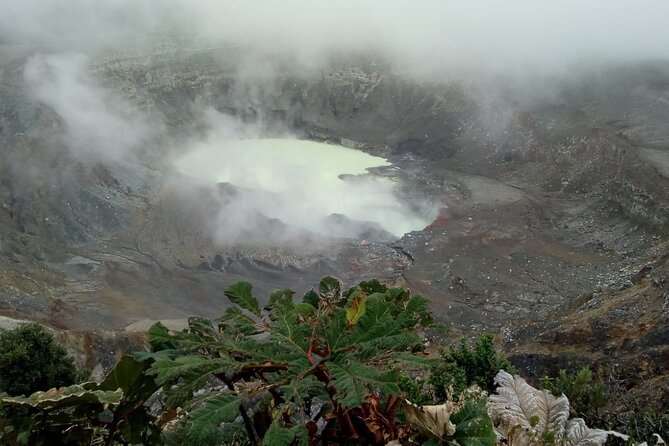
- Poás crater time matters: you’ll focus on the main crater, and fog can limit what you can clearly see.
- Coffee at Fraijanes is process-heavy: nursery, wet mill, drying, and roasting are part of the visitor center experience.
- Admission is included for Poás and the coffee stop: national park fees and coffee farm admission are listed as free.
- Lunch is included, but don’t expect a fancy meal: it’s meant to keep you going during a long day.
- Waterfall time can be squeezed: the day includes it, but the schedule can run short on some routes.
- Small group size: the tour caps at 15 travelers, which helps keep things controlled.
One San José Pickup, Three Big Experiences: Poás, Coffee, and the Waterfall
This is a long-day tour with a simple promise: get you out of San José early, show you Poás Volcano, then switch to a coffee farm visit, and finish with a waterfall stop. The big win for most people is the logistics. You get hotel pickup and drop-off, bottled water is listed as included, and national park fees are included, which takes a chunk of decision-making off your plate.
At the same time, the structure is a reminder that this is one continuous day, not three separate outings. When you cram volcano views, a farm tour, and a waterfall into about 10 to 12 hours, you need reasonable expectations about pacing. The schedule is designed so you can enjoy each stop without turning it into a marathon—but if one segment runs slower due to weather or access, the later part can feel rushed.
The overall vibe is practical and educational. You’re not just looking out a window at scenery. You’re also learning how large-scale coffee production works, from plant stage through processing, and why Poás’s region has the conditions it does.
You can also read our reviews of more tours and experiences in San Jose.



Poás Volcano National Park: What the Cloud Forest Change Feels Like
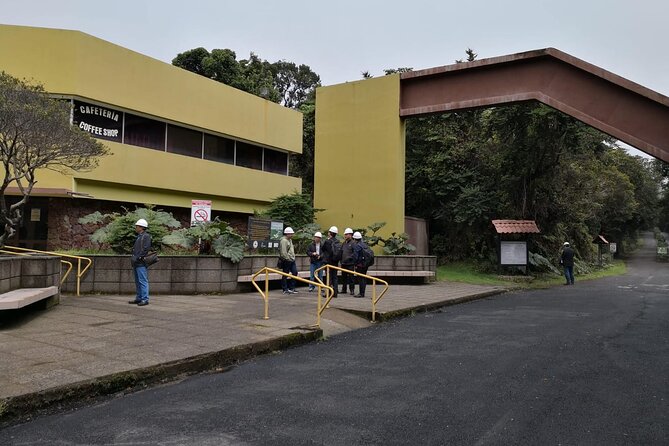
The Poás portion starts with a pickup at your hotel and then a gradual climb through changing landscapes. As you ascend, you’ll pass coffee plantations, plus fern, flower, and strawberry farms. It’s one of those drives where the scenery keeps shifting instead of staying flat and samey.
Then comes the real Costa Rica cue: temperature and vegetation change. You move from lower elevation farming into cloud forest conditions, and it feels like the air itself gets different—cooler, with more moisture in the air and a thicker feel to the vegetation. Even before you reach the main viewpoint, it sets up why Poás is worth it. You’re not just visiting a volcano. You’re visiting a whole ecological transition zone.
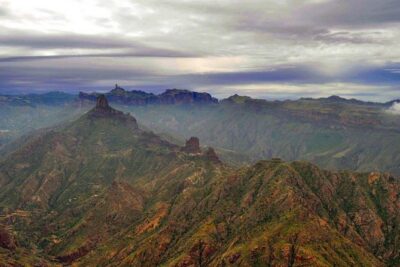
Poás is an active stratovolcano at 2,708 meters (about 8,885 feet). The crater is described as over a mile across and about 1,050 feet deep, and it has erupted many times since 1828, including an eruption in April 2017. That kind of scale changes how you look at the landscape. You don’t see a little hill with smoke. You’re seeing a major, living geological feature.
In the park, you’ll have time to enjoy the main crater with its sulfur fumaroles. Admission for the park is listed as free, which helps you feel good about the value of the ticket—more of what you’re paying for is the tour guide + transportation rather than separate entry costs.
Inside the Crater: Sulfur Fumaroles, Fog, and Why Timing Matters
The main crater is the star of the Poás stop. The description you’ll get is detailed: the crater area is huge, it drops deep, and the fumaroles (gas vents) can create a dramatic scene. In clear weather, that’s the moment where the whole day starts to feel real.
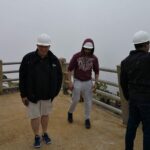
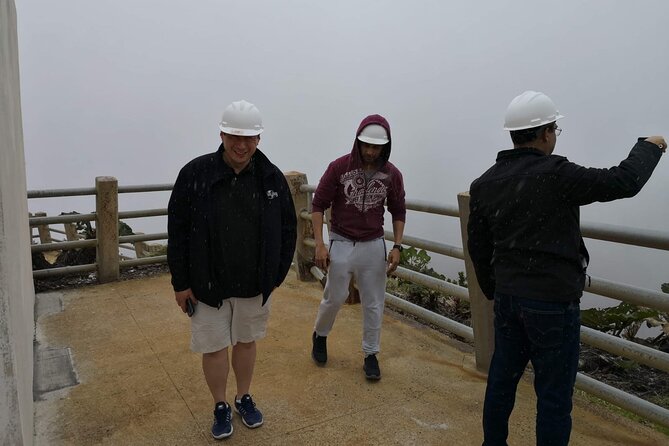
But here’s the key point: fog can steal some visibility. One of the most common issues at high-elevation volcano sites is that cloud cover rolls in fast. If the crater is hard to see, don’t treat it as a failure. On Poás, even partial views and the atmosphere around the sulfur fumes can still feel powerful. Just be ready for the possibility that you’ll need to rely more on what you can see from a range of angles and on-the-spot timing.
Also keep an eye on trail access. In at least one unhappy scenario, a lagoon trail closure cut into the plan. I can’t promise which trails will be open on your day, but the takeaway is simple: you should expect the itinerary to focus on the main crater first. If extra side routes don’t happen, you still get the core Poás experience.
Practical advice: wear layers you can peel on and off. The drive up can be comfortable and the park itself can feel noticeably colder. Bring a light rain layer too, because “cloud forest” often means damp air, and that can turn wind and fog into chill fast.
Fraijanes Coffee Farm Visitor Center: Bean to Cup, Step by Step
After Poás, the day shifts gears in a good way: you head to Fraijanes, described as the first Costa Rica farm in the world. This stop is all about how coffee becomes something drinkable, not just how it tastes.
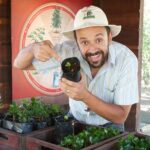
What I like about this coffee visit is the structure. You’re not only walking through coffee plants and taking photos. You can see an end-to-end flow at the visitor center, including a working tree nursery, a wet mill, a drying patio, and a roaster. That’s the “bean to cup” concept made physical. Even if you’re not a coffee geek, it helps you connect what you taste in a café to the steps that happen before roasting.
The tour is described as immersive, with tours available in English and Spanish. So if you care about understanding every part, you’ll want to choose based on the language you’ll join (and check what language your group will have when you confirm).
Admission for the coffee stop is listed as free, which again increases the sense that your money is going toward transportation and guided time rather than entry fees. The coffee farm’s message also leans toward responsibility: it frames the work as “positive change” and developing the next generation of coffee farmers. You don’t have to agree with every message to find it meaningful. It’s one of those stops that makes you see coffee as an agricultural system, not just a product.
Where the Waterfall Fits (and When It Can Slip)
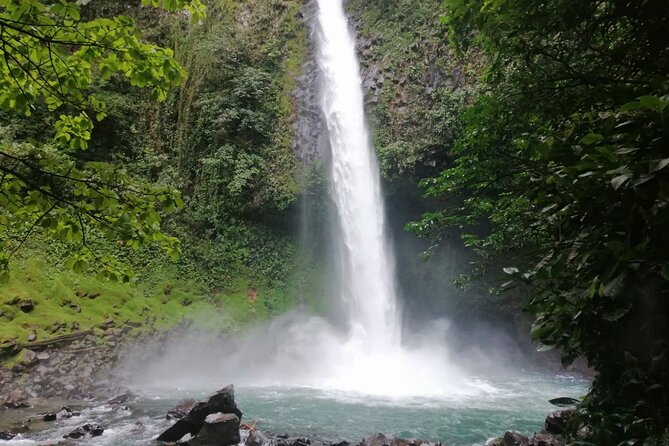
A waterfall stop is part of the day’s promise, and you can feel that it matters to the overall balance. The best feedback style for this kind of tour is basically: you get just enough time at the volcano and then the coffee tour is informative, with the rest of the day rounding it out.
Here’s the reality check: the day is long, and Poás is weather-dependent. If the volcano portion needs extra time or if access changes on-site, there may be less flexibility for the waterfall later.
In one negative scenario, the waterfall was not given its expected time window. That’s the caution I’d carry. Not that it will happen to you, but that waterfall time is the first thing that can feel threatened when schedules compress.
If you want the waterfall badly, I’d treat it like your second priority after Poás. That means asking upfront how the day’s timing works and staying realistic about what you might get if fog or access issues show up in the morning. You’ll enjoy the day more if you go in expecting the waterfall, but mentally prepared for a shorter version if the schedule tightens.





Price, Lunch, and the Real Meaning of Included
The price is $149.86 per person, and the duration is listed as about 10 to 12 hours. That can feel steep or fair depending on what you’re comparing it to—especially in Costa Rica where self-planning is possible, but day tours remove the hassle.
Value-wise, the key inclusions are strong on paper:
- National Park fees
- Bottled water
- Lunch
- Driver/guide
- Hotel pickup and drop-off
On top of that, both Poás admission and the coffee farm admission are listed as free. That’s important because it prevents your day from getting eaten alive by extra cash at the door.
The main “value trap” is when expectations for comfort and service don’t match what you actually get. In one unhappy account, water wasn’t provided despite it being listed, lunch was basic at a local soda, and the coffee stop felt mismatched. I’m not saying that’s your outcome, but it does highlight where the tour can break trust: transportation comfort, the actual inclusions, and whether you truly get a guided experience versus just being transported.
My practical recommendation: go in expecting a solid day, but keep your eyes open. If bottled water doesn’t show up, or lunch feels very minimal, you’ll feel less surprised if you remember those inclusions are promises. For lunch, just assume it’s filling and straightforward, not gourmet.
Also note: alcoholic drinks are not included (you can purchase), and souvenir photos are available for purchase. So if you’re budgeting, treat photos as optional extras.
Transportation and Group Size: How to Judge the Day Early
This is a small-group tour with a maximum of 15 travelers, and it starts at 8:00 am. That early start matters because you’re going up and down, and because volcano conditions can shift through the morning.
Most of your time on this tour is riding and waiting between stops. That means the quality of the vehicle and driver behavior affects the whole mood. In one bad example, there were claims about a very dirty van and seat belt issues. Those are not minor complaints. Seat belts are safety, and safety issues are deal-breakers.
So here’s what you can do without being dramatic:
- When you board, check seat belts quickly.
- If anything feels unsafe or broken, speak up right away.
- Pay attention to whether a real guide is present for explanations, especially at Poás and during the coffee farm portion.
One more logistics point: confirmation is received within 48 hours (subject to availability), and children must be accompanied by an adult. Most travelers can participate, but because this is a long day with high-elevation walking at Poás, bring your best shoes and accept that you’ll be moving on uneven ground.
The bottom line: this tour can be an efficient, rewarding day trip if everything runs on time. But with day tours, you should watch for the early signs that the schedule and service quality will hold up.
How to Make This Day Go Smoothly: Packing and Weather Moves
If you want the best shot at enjoying Poás (not just enduring it), pack for sudden changes:
- Layers: it can be warm lower down and cold at altitude.
- A light rain/wind layer: cloud forest air can feel damp and chilly.
- Closed-toe shoes: the park areas are not built for flip-flops.
- A small day bag for water and snacks if needed.
Even with “bottled water included,” I like the mindset of having your own fallback. The tour lists bottled water, but if it doesn’t show up for any reason, you’ll still be comfortable if you have a backup option in your own bag.
For the crater: keep your expectations flexible. If fog is thick, you still get the sulfur-fume atmosphere and the sense of scale. You just might need to enjoy the views from where you can see, not where you wish you could see.
For the coffee: wear something comfortable for walking between process stations. The visitor center experience is hands-on in spirit, and you’ll likely want to pause and look closely at the stages of production.
And for the waterfall: keep your plans relaxed. The waterfall is part of the day, but it’s not the only focus. If it’s shorter than expected, you’ll be much happier if you’ve mentally positioned it as the bonus at the end.
Should You Book This Poás + Coffee + Waterfall Tour?
If you want a single-day structure that covers Poás Volcano and a real coffee farm process, this tour can be a good value. The strongest selling points are practical: hotel pickup/drop-off, national park fees included, free admission for both major stops, and a small group size that keeps things from turning into a herd.
I’d book it if:
- you like guided explanations and want a “one day, two key icons” plan
- you’re comfortable with a long day and variable weather
- you’re excited to see coffee production steps, not just drink coffee
I’d pause or ask pointed questions if:
- you care deeply about getting a full waterfall experience and hate schedule compression
- you’re picky about vehicle cleanliness and safety basics
- you need guaranteed bottled water and a truly guided format throughout
My call: this is worth considering for first-timers who want efficiency and clear highlights. Just don’t treat Poás visibility as guaranteed, and keep the day’s pacing in mind. When it runs smoothly, it hits the big Costa Rica themes in one go: volcano drama, coffee craft, and a final water payoff.
FAQ
What time does the tour start?
It starts at 8:00 am.
How long is the tour?
The duration is listed as about 10 to 12 hours.
How much does the tour cost?
The price is $149.86 per person.
What’s included in the price?
Included items are national park fees, bottled water, lunch, a driver/guide, and hotel pickup and drop-off.
Is admission free for Poás Volcano and the coffee farm?
Yes. Poás Volcano National Park admission is listed as free, and the coffee tour at the farm also lists free admission.
What is the cancellation policy?
You can cancel for a full refund up to 24 hours before the experience’s start time.