REVIEW · GRAN CANARIA
Open Water Diver Scuba Diving Course in Puerto de Mogan
Book on Viator →Operated by Delphinus Diving School Gran Canaria · Bookable on Viator
Scuba starts with a calm shoreline. In Puerto de Mogan, this three-day PADI Open Water Diver course pairs PADI instructor Peter with patient, safety-first coaching, so you stay comfortable in every step. I also love how free hotel pickup and drop-off smooth out the logistics, letting you focus on the training instead of the runaround. One watch-out: the PADI Open Water manual and certification fee are extra, and photos cost extra too.
You’ll work through the course basics (online or at the training center), practice in confined water, then complete four open-water check-out sessions in the ocean. It’s capped at 20 people, which matters because you want close supervision while you learn control of your breathing, buoyancy, and comfort underwater. Before you go, you’ll fill out a required health questionnaire.
In This Review
- Key highlights to know before you go
- Where Puerto de Mogan training fits into your day
- The three-day flow: knowledge, confined skills, then open water
- Phase 1: Knowledge work (online or on-site)
- Phase 2: Confined water sessions
- Phase 3: Ocean check-out sessions
- Your ocean time: four open-water check-outs and marine life sightings
- What you get (and what costs extra) for PADI certification
- Included
- Not included
- Safety, supervision, and why instruction style matters
- Who this course is for in Gran Canaria
- Price value check: is $542.15 a good deal?
- Should you book this Open Water Diver course in Puerto de Mogan?
- FAQ
- FAQ
- What does the course price include?
- What’s not included in the price?
- What age do you need to be to enroll?
- Do you need prior scuba experience?
- What swimming ability and health are needed?
- Is the course offered in English?
- How long is the course?
- How many people are in the group?
- Where do you meet for the start?
- What should I bring with me?
- Is it okay to fly and then dive right after?
- Is there a cancellation option if plans change?
Key highlights to know before you go
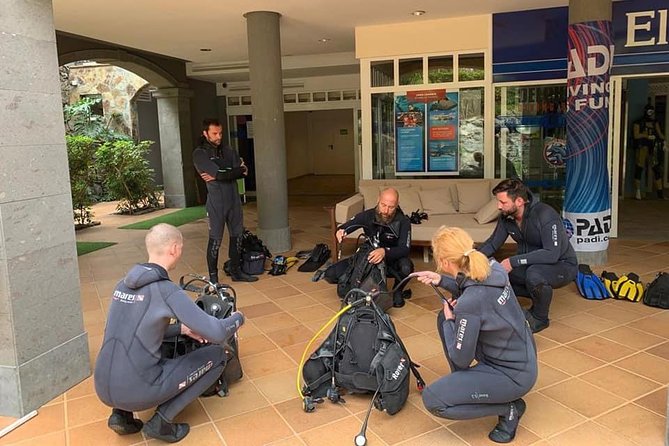
- PADI instructor-led instruction with professional supervision throughout
- A structured path: knowledge work, confined water sessions, then open-water check-outs
- Four ocean sessions designed to help you see marine life while building confidence
- Equipment + insurance included, so you’re not scrambling for gear
- Hotel pickup/drop-off tied to your Gran Canaria stay
- Small group size (max 20) for more personal attention
Where Puerto de Mogan training fits into your day
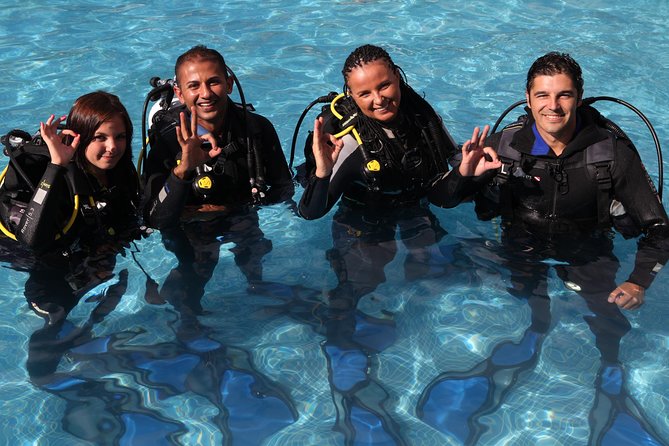
Puerto de Mogan is one of Gran Canaria’s easier places to enjoy. The vibe is relaxed, and the course logistics are built to match that. The start time is 9:00 am, which is early enough to get your day moving but not so early that it feels like a travel punishment.
Your morning begins either with free pickup or by finding the team at your own pace. If you’re meeting them yourself, go to hotel Cordial Mogan Playa and look for the Delphinus sign near the hotel reception or a side door along the main walking passage to the beach. Ring the door and they’ll open it.
This setup is practical for two reasons: first, you avoid the stress of figuring out where the day starts. Second, you’re not stuck in a long waiting game before you even get into gear. And because the group stays relatively small (up to 20 people), you’re more likely to get the kind of instruction that keeps you calm instead of confused.
What to bring is refreshingly simple: a swimsuit and towel. You’ll also want to wear comfortable clothing for the time between pickup and water time, since you may go through multiple short phases during the day.
You can also read our reviews of more tours and experiences in Gran Canaria.
The three-day flow: knowledge, confined skills, then open water
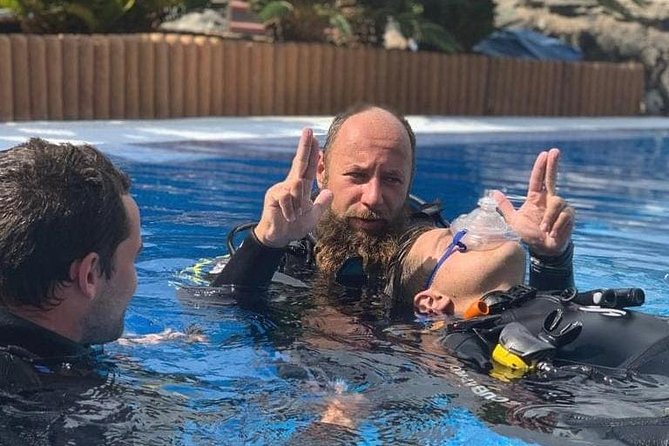
This PADI Open Water Diver course runs about three days, and it’s designed with a clear order. That order matters. You learn principles first, you practice the basics in controlled conditions, and only then do you go out where conditions feel more real.
Phase 1: Knowledge work (online or on-site)
Before you touch the water, you’ll handle the course knowledge. That can be online or completed with the training center. I like this format because it lets you absorb the basics at your speed, then use your time with instructors for what matters most: hands-on skill building and safety.
You’ll also get five theory sessions, which is a lot of time to ask questions. If you tend to learn better by talking through things, don’t be shy. This part is where good scuba habits get formed.
Phase 2: Confined water sessions
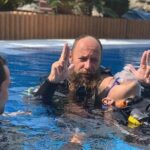
Next comes the practice phase in confined water, with five sessions. Confined water is where you build muscle memory without feeling overwhelmed by open-ocean variables. It’s the part of the course where you learn how to manage comfort underwater and how to stay in control while you work through core skills.
If you’ve ever worried that you’ll feel awkward or panicky, this is where that fear gets replaced by competence. The confined setup lets you repeat what you need to repeat until it starts to feel normal.
Phase 3: Ocean check-out sessions
Finally, you’ll do four open-water check-out sessions in the ocean. This is where the course shifts from practice to real-world application. The goal isn’t just to go down and come back up; it’s to use what you learned so you can enjoy the experience while staying safe.
And because the course is staged this way, you don’t start open water on day one with all the pressure. You arrive with a baseline understanding and the basic control you need.




Your ocean time: four open-water check-outs and marine life sightings
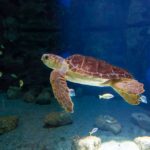
The biggest promise of this course is ocean time with fantastic marine life sightings. You get four open-water sessions, which is a sweet spot for beginners. It’s enough repetition that you can improve between sessions, but it’s not so many that the schedule turns into a fatigue marathon.
Here’s how to think about it: each ocean session becomes a chance to simplify. You stop treating the water as a scary environment and start treating it like a place you can move around safely. When the instruction is patient, like what’s highlighted about instructor Peter, that learning curve feels much less stressful.
Also, remember you’re in Gran Canaria waters, so conditions can change across days. The course structure helps you handle that because you’ve already practiced in a controlled setting. If something feels different on one session, you’re not starting from zero—you’re applying the same fundamentals.
A practical tip: bring your mindset with you. You’ll have gear on, you’ll be breathing differently than on land, and you’ll likely spend time adjusting. Staying relaxed makes a big difference. Focus on the basics you’re taught and let marine life be a bonus, not a pressure test.
What you get (and what costs extra) for PADI certification
This is where you should pay attention if you’re cost-sensitive. The $542.15 price covers a lot of the heavy lifting, but two key items aren’t included.
Included
You get:
- Supervision by a professional PADI-certified instructor
- Five confined water sessions
- Five theory sessions
- Four open-water check-out sessions
- All required scuba equipment
- Diving insurance
- Hotel pickup and drop-off
- Delphinus Club membership
That’s a real value bundle. Instructor time, equipment, and insurance aren’t small-ticket items. When those are bundled, your money goes toward learning instead of shopping and paperwork.
Not included
Plan for:
- PADI Open Water manual & certification fee (87€ paid at the training center)
- Photos (optional purchase)
If you want the photos, factor that into your total budget now so it doesn’t sting later.
I also recommend budgeting for extras you might naturally want during any course day, like water, snacks, or a casual post-session meal. Those aren’t listed as included, so treat them as personal expenses.
Safety, supervision, and why instruction style matters
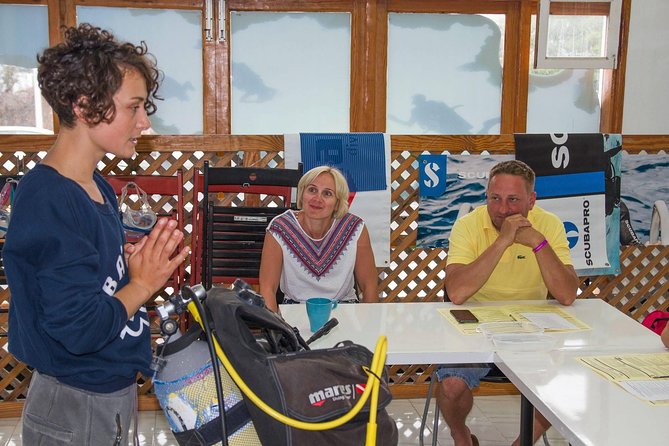
You’re learning a skill set that requires calm communication and clear routines. That’s why supervision is not a minor detail here. This course is led by PADI-certified instructors, and the structure is heavy on theory and coached practice.
One thing that really comes through is the emphasis on feeling safe and being given time to understand. Instructor Peter is specifically praised for explaining things and taking the time to get you comfortable. That matters because scuba success is often less about speed and more about confidence.
Here’s what you can do to get the most out of the supervision:
- Ask questions in the theory portion. Don’t wait until you’re already in gear.
- In confined water, focus on learning the skill process, not just passing the exercise.
- During open-water sessions, stay consistent with the instructions you already practiced.
If you’re the type who likes tight explanations and reassurance, you’re likely to appreciate this teaching style.
Who this course is for in Gran Canaria
This is the kind of beginner course you choose when you want a recognized credential and a structured learning path.
You must be 10 years old or older, and you need adequate swimming skills plus good physical health. No prior scuba experience is required. The course is offered in English.
It’s also a good fit if you want your trip to feel easy logistically. Pickup and drop-off from your Gran Canaria hotel reduces “travel tax,” especially when you’re trying to enjoy the island beyond your training hours.
A few extra practical points from the course info:
- Children must be accompanied by an adult.
- Service animals are allowed.
- You’ll complete a health questionnaire prior to diving, and some conditions may mean you can’t participate. If you’re unsure, talk with your doctor ahead of time.
- You should have a moderate physical fitness level.
Also note: diving within 24 hours of flying is not recommended. If your travel schedule is tight, build in a buffer day.
Price value check: is $542.15 a good deal?
For a three-day beginner certification course, $542.15 can feel like a lot until you look at what’s actually wrapped into it.
You’re paying for:
- Multiple coached sessions: five theory sessions, five confined water sessions, and four open-water check-out sessions
- All required equipment
- Instructor supervision
- Diving insurance
- Hotel pickup and drop-off
- Delphinus Club membership
Then you add the fact that you’re operating in a small group (max 20), which usually translates into less time waiting and more time getting questions answered.
Your budget has two predictable extras: the 87€ manual + certification fee and optional photos. If you’re planning for those, the rest of the price starts to look like “pay once, get trained” value rather than a piecemeal experience where you’ll keep discovering add-ons.
If you prefer to travel light and avoid gear rentals and extra insurance purchases, this bundled approach is especially efficient.
Should you book this Open Water Diver course in Puerto de Mogan?
I’d book it if you want:
- A PADI Open Water Diver credential with a widely recognized structure
- A course that spends real time on theory and coached practice
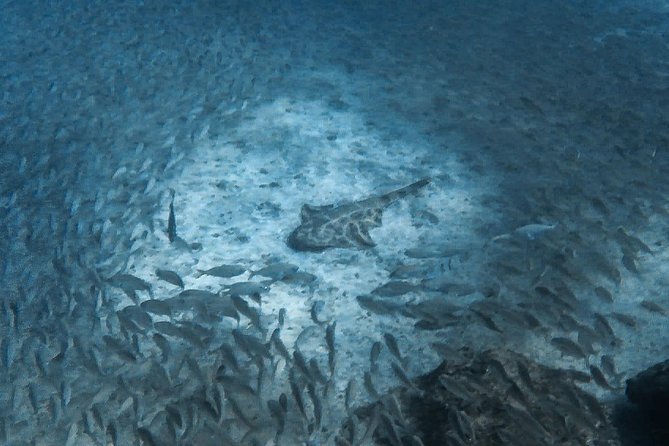
- Four ocean check-out sessions with a chance to see marine life
- A simpler trip thanks to hotel pickup/drop-off and a small maximum group size
I’d think twice if you:
- Don’t have the required swimming ability or you’re not cleared for the health questionnaire
- Have a travel schedule that puts flying within 24 hours of your water sessions
- Want to keep costs ultra-tight, since the 87€ manual/certification fee and optional photos are extra
If you do book, one smart move is to ask the training team early what you should expect for the knowledge work format (online vs on-site) and whether your schedule includes a lot of waiting time between sessions.
FAQ
FAQ
What does the course price include?
The course includes supervision by a professional PADI-certified instructor, five confined water sessions, five theory sessions, and four open-water check-out sessions, plus all required scuba equipment, diving insurance, hotel pickup and drop-off, and Delphinus Club membership.
What’s not included in the price?
The PADI Open Water manual and certification fee (87€) are not included, and photos are available to purchase separately.
What age do you need to be to enroll?
The minimum age is 10 years old. Children must be accompanied by an adult.
Do you need prior scuba experience?
No prior scuba experience is required.
What swimming ability and health are needed?
You need adequate swimming skills and to be in good physical health. You must also complete a health questionnaire before diving, and some preexisting medical conditions may prevent diving. You should consult your doctor if you have concerns.
Is the course offered in English?
Yes, the course is offered in English.
How long is the course?
It’s listed as 3 days on average.
How many people are in the group?
The course has a maximum of 20 travelers.
Where do you meet for the start?
You either get free pickup, or you can find the team inside hotel Cordial Mogan Playa. Look for the Delphinus sign next to a door and ring the door for entry.
What should I bring with me?
Bring a swimsuit and towel.
Is it okay to fly and then dive right after?
Diving within 24 hours of flying is not recommended.
Is there a cancellation option if plans change?
Free cancellation is available up to 24 hours in advance for a full refund.