REVIEW · MOOREA
Moorea : Safari Nature and Culture Tour with local guide
Book on GetYourGuide →Operated by TE MANA TOUR VR · Bookable on GetYourGuide
VR makes Moorea’s past feel close. I love how this tour pairs real-world viewpoints with virtual reality reconstructions supported by the Department of Culture, so legends and ancient sites aren’t just talked about—they’re staged in a way that actually sticks. You start at Toatea, looking out over the coral reef and getting your bearings before the stories begin.
My second favorite thing is the human scale: it’s a small group (max 8), and my guide, Christine (sometimes written Christin), is the kind of person who answers questions with patience and optimism. One practical drawback: it’s a walking-and-getting-in-and-out type of tour and there’s no meal included, so plan on bringing snacks if you’re the type who gets hungry mid-afternoon.
In This Review
- Key things I’d prioritize on the Moorea VR tour
- Getting Oriented in Moorea: Toatea and the reef first
- Cook’s Bay and the early navigators: history tied to water
- Through the tropical forest: species, plants, and practical survival
- The crater center, caldera views, and pineapple tasting
- Opunohu archaeological site: ancient living, not just ruins
- Virtual reality headsets: marae ceremony and a naval battle
- Belvedere panoramas: two bays at once
- Missionaries, temples, and how culture changed in the 1800s
- Rotui Juice Factory and Distillery: refreshing drinks with shopping time
- Price and value: does $117 make sense for 4 hours?
- Timing, group size, and logistics that affect your comfort
- What to bring (so the day feels easy)
- Who this tour is best for
- Should you book the Moorea VR nature and culture tour?
- FAQ
- How long is the Moorea Safari Nature and Culture Tour?
- Where does pickup and drop-off happen?
- What language is the live guide?
- Is virtual reality included, and what does it show?
- Are tastings included?
- Does the tour include meals?
- What’s the group size?
- Who should not book this tour due to suitability?
Key things I’d prioritize on the Moorea VR tour
- VR archaeology reconstructions on-site, with headsets provided
- Ancient village and marae ceremony reenactment plus a bay naval battle in VR
- Opunohu archaeological site walk paired with myths and legends
- Crater center viewpoint and pineapple fields stop, with a tasting session
- Rotui Juice Factory & Distillery refreshment break with local drinks
Getting Oriented in Moorea: Toatea and the reef first
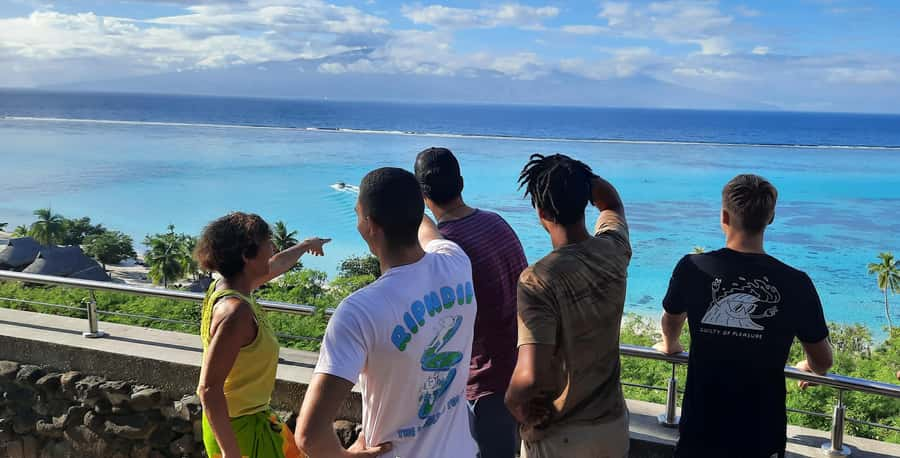
This tour is built like a story with chapters—and the first chapter happens before you even start “doing history.” You meet your guide at Moorea-Maiao, then head to Toatea Lookout for a photo stop of about 20 minutes.
From here, you get the big-picture view: Moorea’s coastline and the coral reef are right there in front of you. It matters because so much of what you’ll hear later connects to geography—bays, winds, waterways, and why certain spots became important for living, travel, and ceremony. If you’ve never been on the island, this viewpoint is the fastest way to get your bearings fast.
I also like that the day doesn’t rush. You’re not just shown a view; you’re set up to understand it.
You can also read our reviews of more tours and experiences in Moorea.


Cook’s Bay and the early navigators: history tied to water
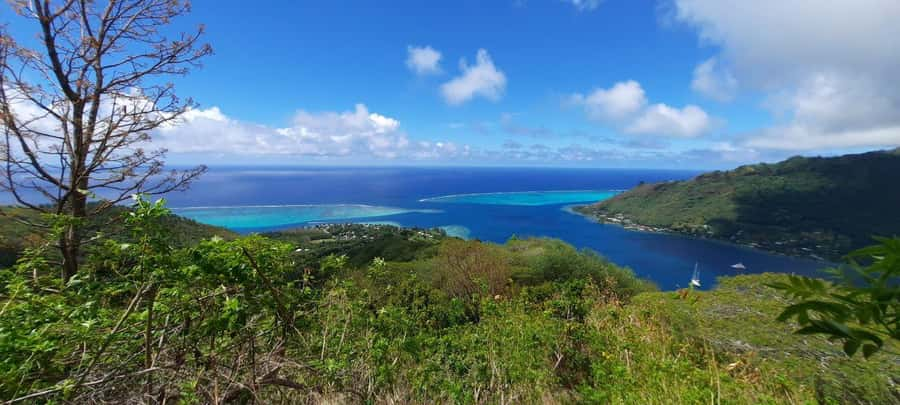
Next comes Cook’s Bay for a guided stop (about 25 minutes). This is where the tour shifts from scenery to movement—how the first navigators discovered Tahiti and Moorea, and why that early travel shaped the islands.
Even if you don’t consider yourself a history person, the water-based framing helps. The “why” of exploration is easier to picture when you’re standing near the bay rather than reading facts later.
Through the tropical forest: species, plants, and practical survival
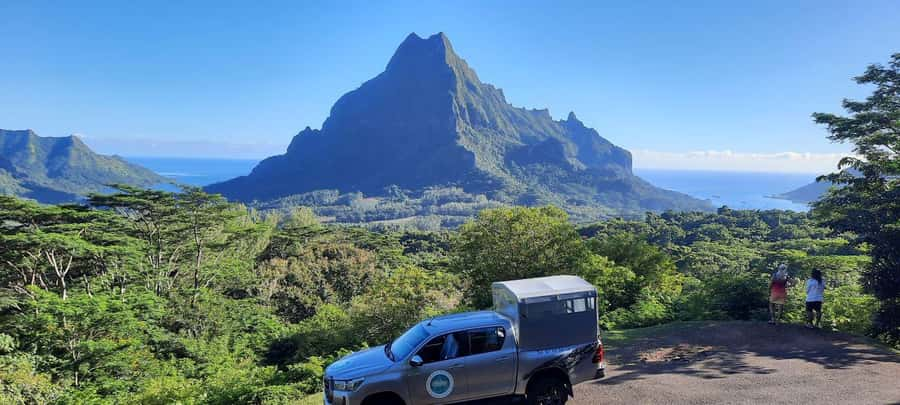
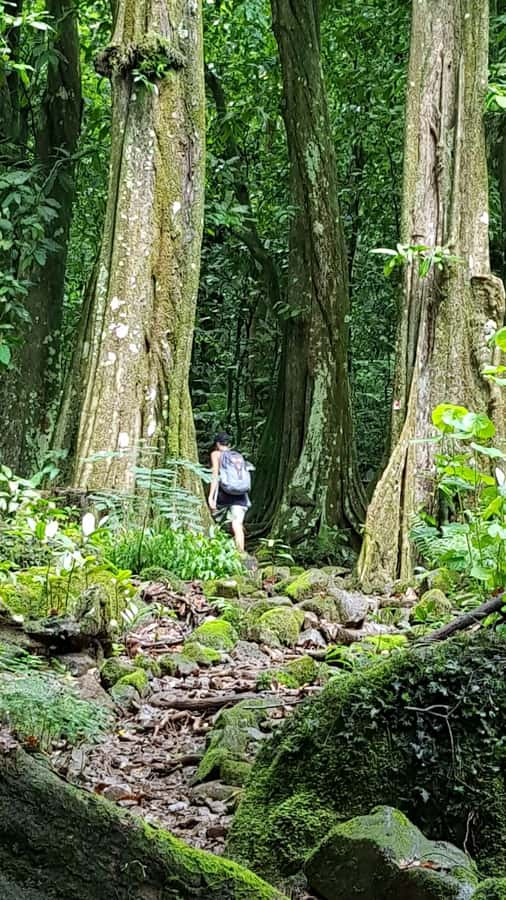
After Cook’s Bay, you’ll pass through tropical forest on the way to the crater area. The guide points out different species along the route, and this is one of those times where the tour feels genuinely local: you’re learning what grows there and what it meant for people who lived with those plants every day.
It also connects back to the “culture and nature” angle. Moorea’s stories aren’t only about ceremonies and legends; they’re about how people used land and plants across time.
Bring insect repellent. Even with a good guide, you’re in the outdoors for walks and short drives, and you’ll be happier if you’re comfortable.
The crater center, caldera views, and pineapple tasting
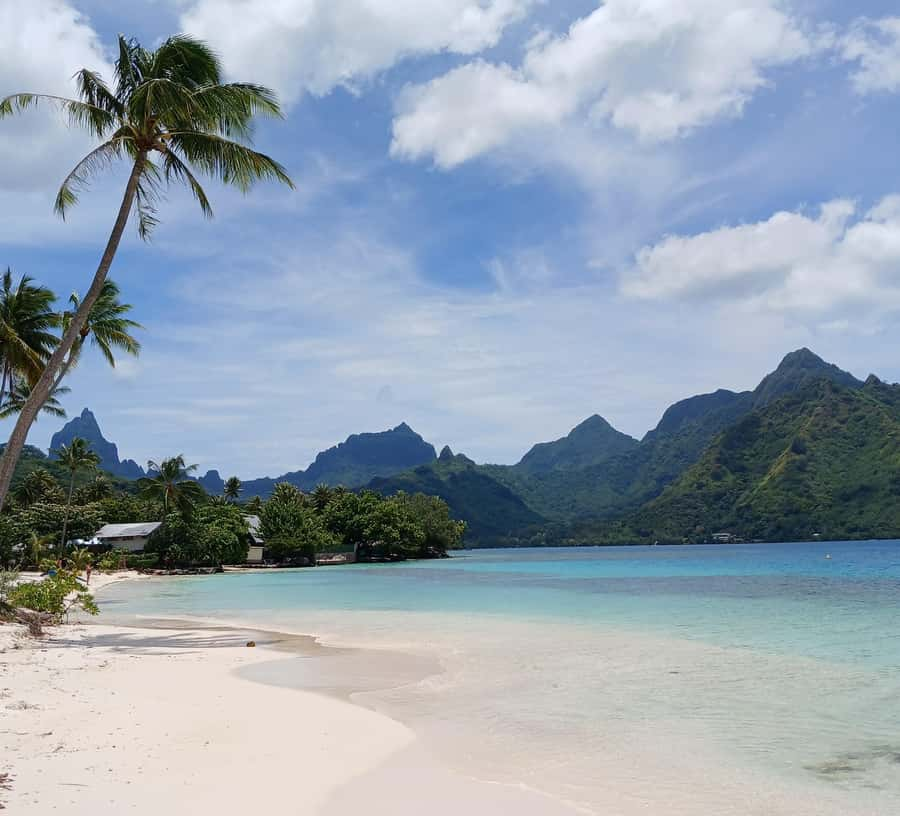
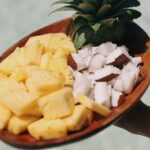
A highlight for many people is the crossing into the center of the island’s crater. You’ll get an incredible view of the caldera, and you’ll also see pineapple fields—those big, recognizable textures that make Moorea feel like more than just postcard water.
Here’s where the tour adds a short tasting session. It’s not a full food stop, but it gives you a real flavor moment that matches the land you’re seeing. It also breaks up the pace before the archaeological walk.
Tip: wear shoes you can trust. The tour includes walking sections, and you don’t want to think about footing when your brain should be absorbing the stories.
Opunohu archaeological site: ancient living, not just ruins
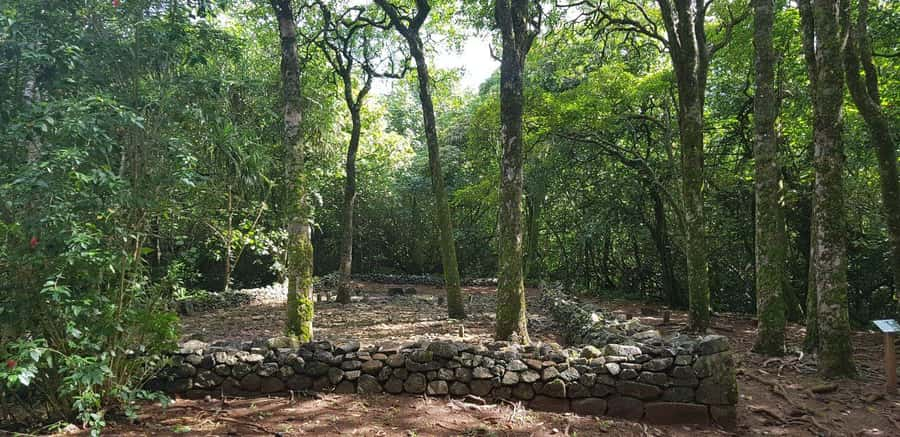
Now for the core cultural stop: the Opunohu archaeological site. You’ll do a photo stop and guided walk (about 25 minutes guided, plus time to look around).
This is where the tour is strongest for anyone who wants more than scenery. You’re guided through the meaning of the site for the first Polynesians, and the guide brings myths and legends into the explanation. That mix matters because it shows how people understood place—often through story as much as through measurement.
If VR is what initially got your attention, this ground-level stop is what makes VR feel earned. You can look at the environment and understand why reconstructions make sense.





Virtual reality headsets: marae ceremony and a naval battle
Then you switch into VR. The tour provides the headsets on-site and you use them to travel back to the 17th century—specifically to experience a ceremony on a marae and a naval battle in the bay. The guide also tells myths and legends while you’re in the VR storyline.
I like VR best when it does two things at once:
1) it gives a visual reference you can’t get from photos, and
2) it helps you connect your memory of the physical site to the story being told.
That’s exactly how this part feels. You’re not just watching a screen. You’re standing in the general area of what you’re seeing, and the guided narrative helps you interpret what you’re experiencing.
Practical note: if you’re the type who gets uncomfortable with headsets, take it slowly during setup and ask the guide to explain what to expect before you start.
Belvedere panoramas: two bays at once
After the VR experience, you’re guided to the Belvedere Lookout for another photo-and-view moment, plus scenic views on the way (about 15 minutes).
Belvedere is the reward stop. You’ll look over Moorea’s two bays with a clearer sense of why all those earlier locations mattered. It’s the moment where the day clicks: navigation, settlement, ceremony, and defense all connect back to the same coastline and waterways you’re seeing now.
If you like photography, this is where you’ll likely slow down and take extra time.
Missionaries, temples, and how culture changed in the 1800s
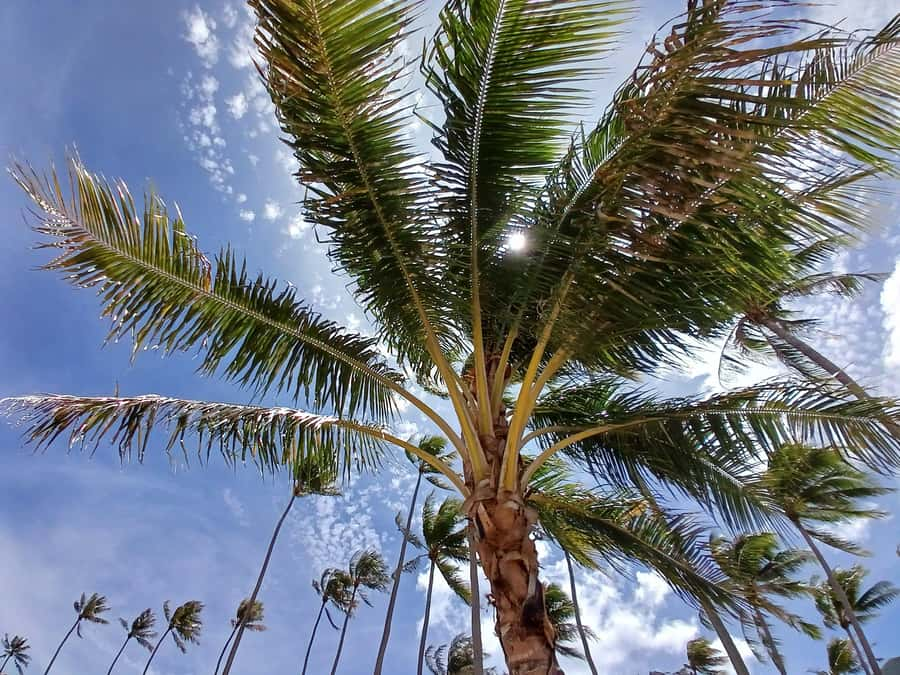
Moorea’s story doesn’t stop at ancient times. The tour also covers the arrival of the first Protestant and Catholic missionaries in the early 19th century and what that meant for the island’s temples.
This section is less about showing one single dramatic landmark and more about explaining the shift in belief and practice over time. For me, it’s a reminder that culture keeps changing, not just repeating ancient patterns.
If you enjoy asking questions, this is a good time to do it. Your guide can usually connect what you just saw (ceremony and sacred spaces) to how later communities reinterpreted religious life.
Rotui Juice Factory and Distillery: refreshing drinks with shopping time
At the end, you head to Rotui Juice Factory & Distillery for a break (about 20 minutes). This is the stop that keeps the tour from feeling like a nonstop lesson.
You’ll get tropical fruit juices, punch, and local beer. There’s also time for shopping, depending on what’s available.
It’s a nice finish after the more intense VR-and-archaeology moments. Also, it means you get at least some taste of what the island produces without needing to plan a separate food stop.
Still, remember: the 1/2 day tour does not include meals. If you’re doing this earlier in the day or you’re sensitive to hunger, eat beforehand or keep a snack handy.
Price and value: does $117 make sense for 4 hours?
At about $117 per person for 4 hours, the best way to judge value is to look at what’s actually included:
- hotel pickup and drop-off
- VR helmet for archaeological reconstructions
- guided history and culture interpretation
- fruit and juice tasting, plus drinks at the distillery
Many island tours charge similar money for a generic driving route and a couple of photo stops. Here, you’re paying for guided context plus a specific tech element (VR) tied to cultural interpretation, not random entertainment. You’re also getting multiple “type” stops: viewpoints, forest passage, crater views, archaeology walking, VR reenactment, and a tasting finish.
In other words: the price feels more justified if you care about the cultural layer and the story behind locations—not just the views.
Timing, group size, and logistics that affect your comfort
This runs around 4 hours in total. Group size is limited to 8, which is a big deal on a small island like Moorea. Smaller groups generally mean you spend less time waiting and more time actually listening.
Pickup and drop-off happen at Moorea-Maiao, which makes it easier if you’re staying in that area. If you’re farther out, confirm pickup time so you can plan for transportation without stress.
The tour includes walking sections, and it’s not designed for everyone. It’s not suitable for:
- children under 5
- people with back problems
- people with mobility impairments or wheelchair users
- people over 80
- babies under 1
- people over 70
- pregnant women
If any of these apply, it’s worth choosing a different format—because VR won’t compensate for discomfort on uneven ground or during transitions.
What to bring (so the day feels easy)
You’ll have a better time if you pack like you’re doing a short active day in the tropics:
- comfortable shoes
- water
- camera
- comfortable clothes
- insect repellent
Also, if you wear glasses, consider bringing a case or cleaning cloth for your VR moment. Keeping your hands free helps during headset setup.
Who this tour is best for
This fits best if you:
- want a guided history-and-culture experience in one half-day
- like mixing nature stops with sacred-site storytelling
- are curious about VR reconstructions tied to archaeology
- want small-group attention from a local guide like Christine
If your idea of a great tour is mostly beach time or long open-ended wandering, you might feel time is tight. But if you like structure and explanations, this is a strong match.
Should you book the Moorea VR nature and culture tour?
Book it if you want Moorea to feel like more than views—if you want to understand why specific places mattered, and you like the idea of VR reenactments (marae ceremony plus a naval battle) that connect to what you’re seeing around you.
Skip it if you need a fully seated experience or if you rely on mobility support. Also, if you hate tours where food isn’t included, plan your timing carefully since there’s no meal.
My overall take: for $117, the value comes from the combination of guided sites, small group pacing, and VR archaeology that turns learning into something you can picture.
FAQ
How long is the Moorea Safari Nature and Culture Tour?
The tour duration is 4 hours.
Where does pickup and drop-off happen?
Pickup and drop-off are at Moorea-Maiao.
What language is the live guide?
The live tour guide speaks English and French.
Is virtual reality included, and what does it show?
Yes. You’ll be given VR headsets on site to see archaeological reconstructions, including a ceremony on a marae and a naval battle in the bay.
Are tastings included?
Yes. You’ll have a fruit and juice tasting, and later you’ll also stop at a juice factory and distillery for tropical fruit juices, punch, and local beer.
Does the tour include meals?
No. Meals are not included.
What’s the group size?
It’s a small group limited to 8 participants.
Who should not book this tour due to suitability?
The tour is not suitable for children under 5, pregnant women, people with back problems, people with mobility impairments, wheelchair users, people over 80, babies under 1, and people over 70.