REVIEW · GRAN CANARIA
Gran Canaria:Live an Adventure and Learn to Dive with Expert
Book on GetYourGuide →Operated by Zeusteam SLU · Bookable on GetYourGuide
Gran Canaria’s underwater breathing lesson is surprisingly friendly. You go to the protected bay of Playa de Amadores for calm, guided open-water time, then finish with a real beach reset on soft white sand. It’s the kind of outing that makes the ocean feel less like a mystery and more like something you can handle with the right cues.
I especially love the focus on basics you can use right away. Getting your head around breathing underwater, with an instructor watching you closely, turns a scary idea into a doable skill. The small-group feel matters too, and I liked the way the teaching kept its tempo.
One possible consideration: the underwater portion can feel a bit short. One review specifically wished the session ran about 10–15 minutes longer, which is worth knowing if you’re the type who wants lots of time at the waterline.
In This Review
- Key highlights to know before you go
- Playa de Amadores: why this location is perfect for your first scuba try
- The 4-hour rhythm: pickup, prep, water time, then beach
- Safety briefing that’s actually about you, not just rules
- Gear time: what you’ll get and how to avoid common first-trip mistakes
- Underwater experience: calm conditions, friendly depth, and real wildlife
- Small group size: why it changes your learning curve
- Beach time afterward: white sand, cold drinks, and a chance to land softly
- Price and value: what $100 really buys you on Gran Canaria
- Who should go, and who should skip it
- My practical tips to make your session feel easier
- Should you book this Playa de Amadores scuba experience?
- FAQ
- Where does this scuba experience take place?
- How long is the experience?
- Is it suitable for first-time scuba participants?
- How small are the groups?
- What’s included in the price?
- What should I bring with me?
- Is there a minimum age?
- Can I get a full refund if I cancel?
Key highlights to know before you go
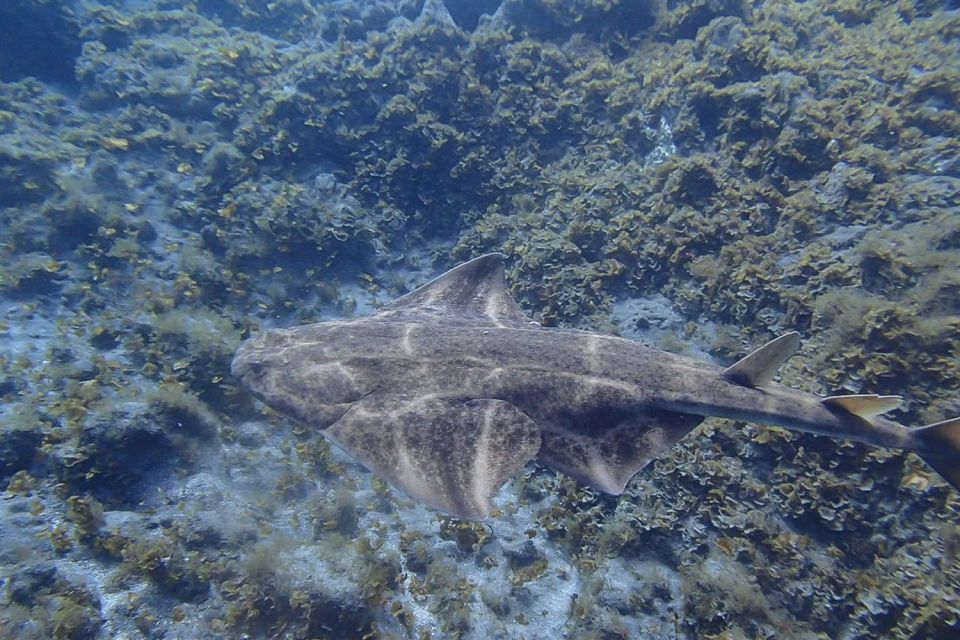
- Protected-bay setting at Playa de Amadores: easier conditions for first-timers who want confidence fast
- Up to 6 meters: a reasonable depth target for learning control and comfort
- Very small groups: the experience is described as limited to 2 participants, with close instructor attention
- Instructor coaching on breathing: real-time tips so you can adjust if you feel off
- Beach time after: white-sand relaxation with bars and restaurants nearby
- Photos available to buy later: one review mentions pictures taken during the session
Playa de Amadores: why this location is perfect for your first scuba try
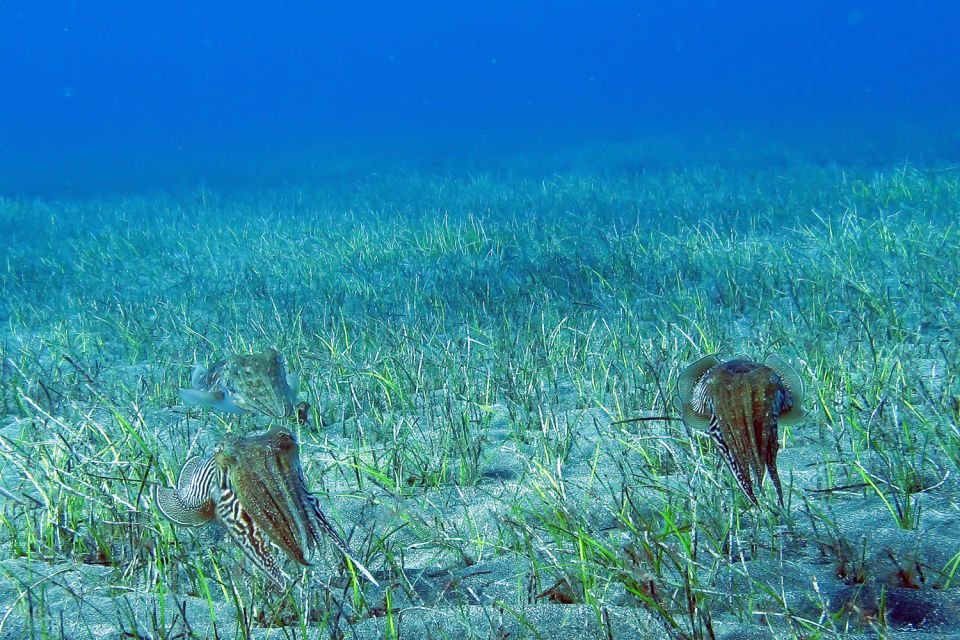
The big reason this experience works is the setting. You head to the protected bay of Playa de Amadores, which is exactly what you want for an early scuba session. Calm water makes it easier to focus on the breathing, balance, and hand signals instead of fighting waves or slippery footing.
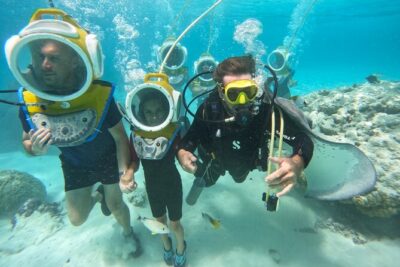
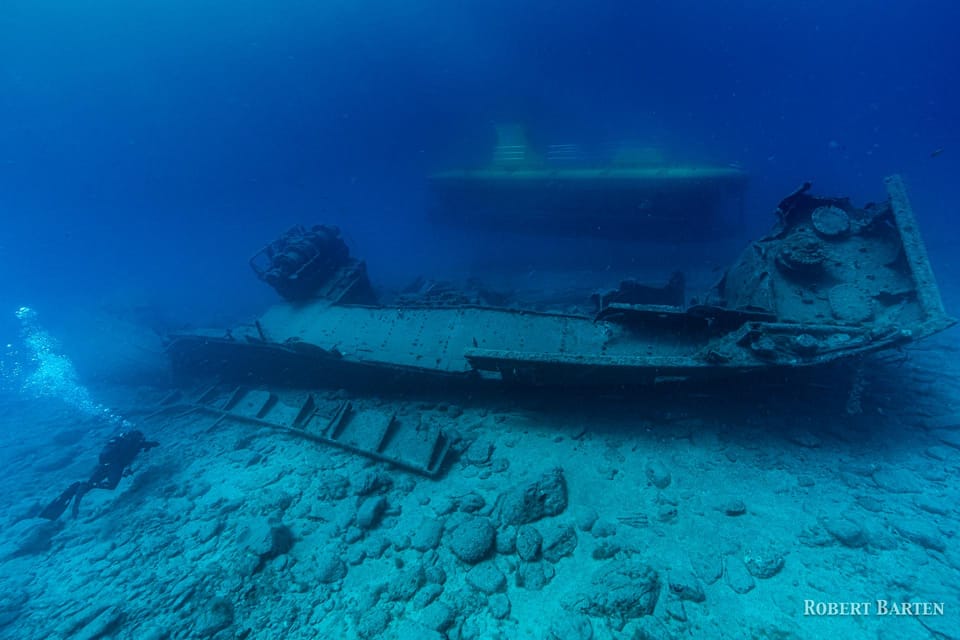
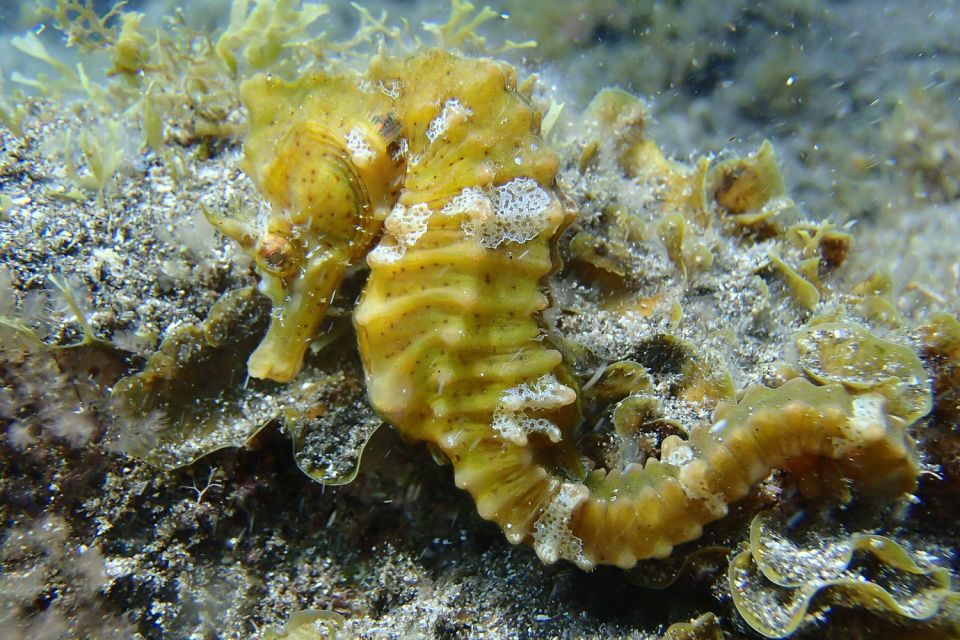
What you’re looking at underwater is fun and close up. You can expect schools of colorful fish, cuttlefish gliding by, and the possibility of spotting a seahorse or a ray if you’re lucky. The point isn’t just seeing animals; it’s learning how to move slowly and safely while they swim around you.
And on land, you’re rewarded with time at a beach that’s known for its white sand. That matters because your brain needs a breather after anything new. You’re not rushed off to another activity. You get to come back to normal life—saltwater in your hair, dry clothes in your bag, and a cold drink within reach.
You can also read our reviews of more tours and experiences in Gran Canaria.


The 4-hour rhythm: pickup, prep, water time, then beach
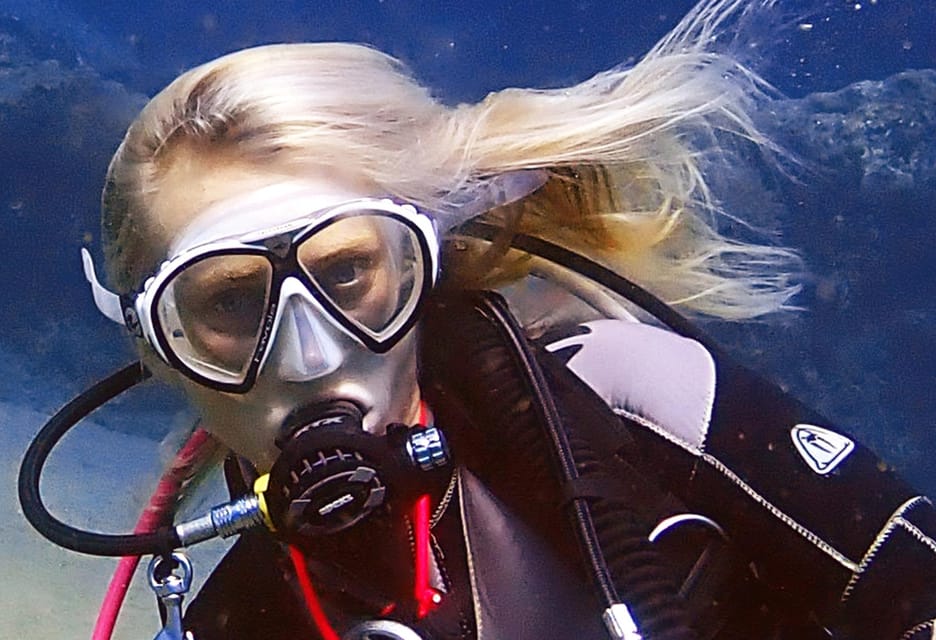
This tour runs about 4 hours, and most of that time is used to keep things simple and low-stress. You’ll get pickup and drop-off from the south of Gran Canaria, so you don’t have to puzzle out parking or drive yourself while you’re excited (and maybe nervous).
A typical flow looks like this:
- Hotel pickup in the south
- Gear handling and safety briefing with your instructor
- Getting kitted up and moving to the water
- Underwater time that reaches up to around 6 meters
- Back onshore for beach time and a chance to grab a snack or drink
I like schedules like this because they don’t pretend you’ll do a full-day “learn everything” course. It’s a short, structured block. You’ll learn enough to understand how scuba breathing works, how to stay calm, and what your next steps could be if you want to go further later.
Safety briefing that’s actually about you, not just rules
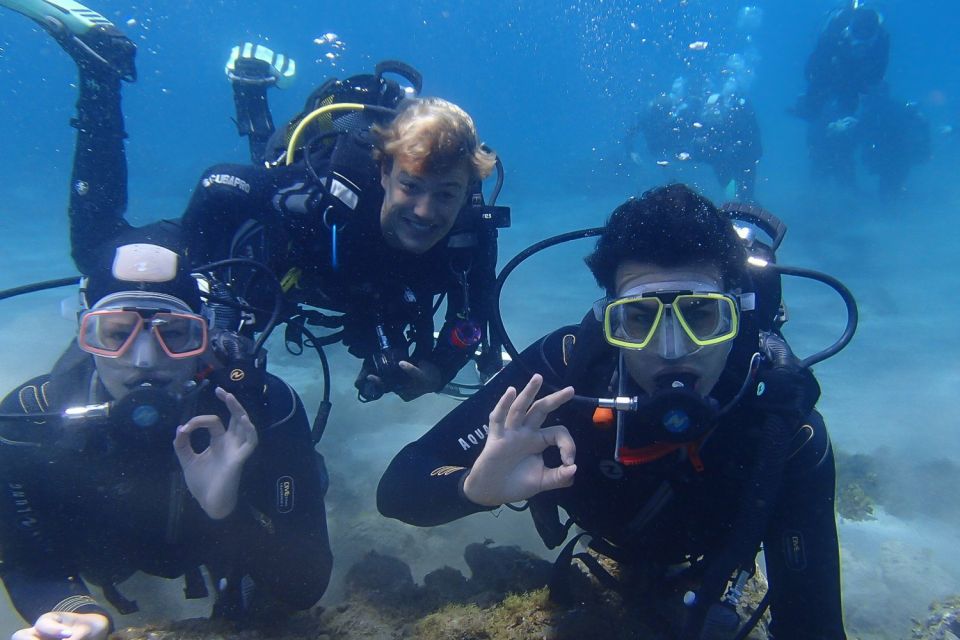
The best part of an introductory scuba experience is the instructor’s job: turning anxiety into clear steps. This one includes a safety briefing from the expert instructor before you gear up. That’s not just legal paperwork. It’s the moment you learn what to do if something feels off—especially if you’ve never breathed underwater before.
The coaching style matters, and the reviews reflect that. One person guided by Mike (the review notes he handled the instructions in German with humor and the right amount of seriousness) described how he responded when the student had trouble with breathing. That’s the whole deal here: if you struggle, you’re not left to figure it out on your own.
You should expect guidance on how to control breathing and stay relaxed. You also get reassurance that you can descend and move at your own pace. That pacing is a big deal for first-timers. When you’re not being dragged along, you can focus on learning instead of performing.
Gear time: what you’ll get and how to avoid common first-trip mistakes
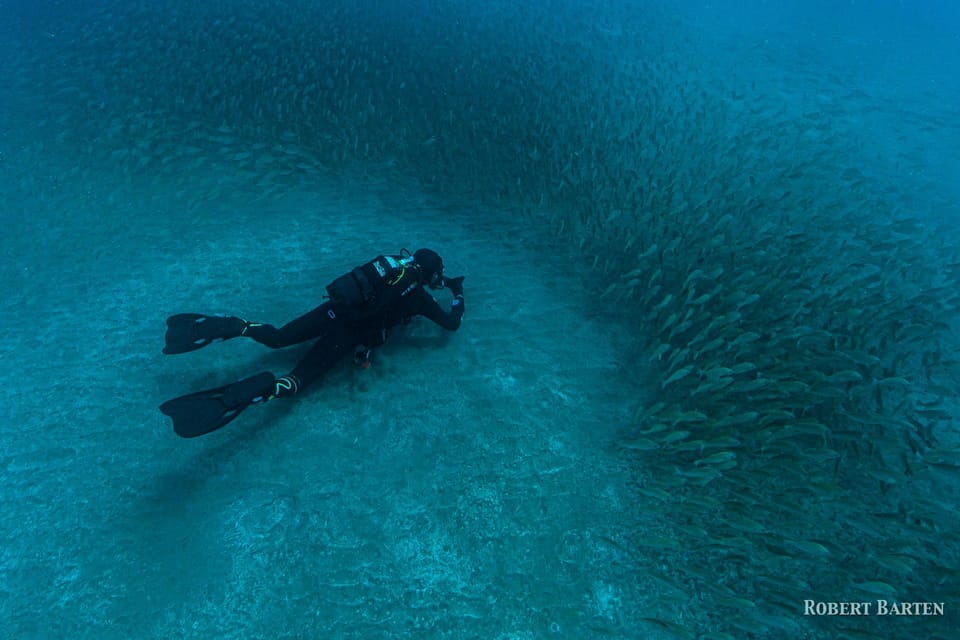
Everything you need for the water is included: scuba gear, insurance, and an instructor. You’ll also get water. That saves you from the usual “wait, what do I still need?” scramble.
The gear you’ll use includes the basics for staying comfortable:
- fins and boots
- mask
- wetsuit
Your prep on your side is mostly comfort and readiness. Bring:
- swimwear
- a change of clothes
- a towel
- biodegradable sunscreen
- beachwear
One practical note: the vehicle rules are strict—no smoking, no food or drinks in the vehicle, no alcohol or drugs, and no bare feet. I’d treat that as a reminder to keep everything simple and follow the staff’s lead.
Also, biodegradable sunscreen is specifically recommended. It’s a small change that helps protect the marine environment where you’re learning. If you’re going to spend time at the beach after, consider wearing the swim layers you can keep on while you wait.
Underwater experience: calm conditions, friendly depth, and real wildlife
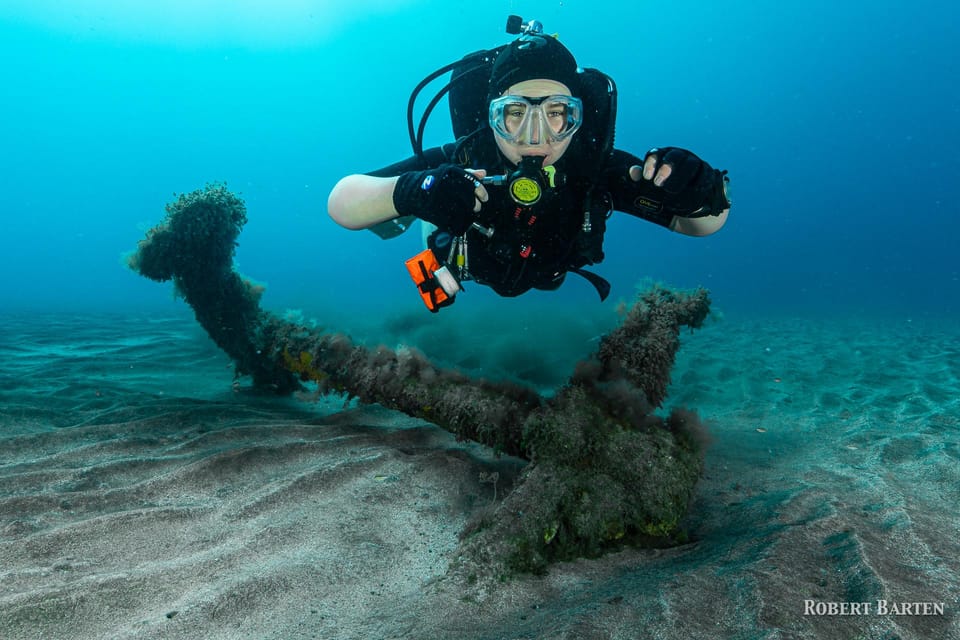
Your underwater time happens in the protected bay of Playa de Amadores, and the plan includes a descent up to 6 meters. That depth is deep enough to feel like scuba, but not so deep that you’ll spend your whole brain panicking about pressure or losing control.
What you’ll likely see:
- schools of colorful fish moving in patterns
- cuttlefish gliding close enough to study their behavior
- possible seahorse sightings
- possible ray sightings
You’ll also be taught how to breathe steadily and move slowly. The “small-group” format helps here because you’re less likely to feel like you’re in a line. Instead, you can watch what others are doing while the instructor adjusts you as needed.
A useful mindset for your first session: think of this as learning control. You’re not trying to “win” underwater. You’re building a foundation—how to regulate your breathing, how to stay relaxed, and how your body feels when you’re weightless.
And yes, it’s normal if you don’t feel completely comfortable at first. One review mentions the instructor spent time showing what to do to breathe better and stay calmer when it didn’t click immediately. That kind of tailored help is exactly why expert guidance matters.





Small group size: why it changes your learning curve
This experience is built around close attention. The highlights call out personal attention with a maximum of 2 persons per instructor, and the experience description also talks about very small ratios (with an upper limit mentioned in the description). Either way, the message is clear: you’re not getting “assembly line” instruction.
For you, that means:
- more time to ask questions
- quicker feedback on breathing and movement
- a better chance to go at the pace that suits you
It also helps that the instruction languages include Dutch, English, French, German, and Spanish. I like that because it reduces the odds of confusion. When you can understand the cue the first time, you’ll relax faster.
If you’re the type who learns by watching, you’ll appreciate the ability to see what your instructor demonstrates and then try it right away while they’re still close.
Beach time afterward: white sand, cold drinks, and a chance to land softly
After the water, you get to unwind. The activity includes time to relax on the beach right after your session. That’s not just convenience; it’s smart training recovery. Your body cools down, your mind resets, and you get to enjoy the day instead of squeezing in another task right after being underwater.
There are many bars and restaurants nearby, and the experience mentions you can get a cold drink or snack. Water is included with the tour, so you’re not starting the reset dehydrated.
If you want a souvenir, one review mentions photos are taken and can be purchased later. The tour details also say underwater pictures aren’t included in the price, so treat it as an add-on option rather than a guaranteed bundle.
This “two-part” setup—water skill building, then beach relaxation—is one of the reasons the outing feels complete. It doesn’t cut off the fun right when you’re just starting to feel confident.
Price and value: what $100 really buys you on Gran Canaria
At about $100 per person, you’re paying for more than a spot in the water. You’re covering:
- scuba gear
- insurance
- an instructor
- pickup and drop-off from the south of Gran Canaria
- water
- online registration of your scuba session (included)
For an intro activity, that’s a decent value because the biggest costs you’d face on your own are usually instructor time, gear rental, and logistics. If you factor in transportation, it often adds up quickly when you plan everything separately.
You should also know what’s not included:
- lunch
- underwater pictures
So if you want a full day of food plans, you’ll want to bring or buy lunch elsewhere. The good news is you’re near plenty of options once you’re done. For most people, that’s easier than trying to force a meal into a tight 4-hour window.
Who should go, and who should skip it
This is described as not suitable for children under 8, and it lists several health and mobility restrictions. It also says it’s not suitable for pregnant women, people with back problems, people with heart problems, people with respiratory issues, epilepsy, and people with high blood pressure, plus those with recent surgeries.
On the mobility side, the info includes both a wheelchair accessibility note and a statement that it isn’t suitable for wheelchair users and people with mobility impairments. That’s a conflict worth taking seriously. If mobility is a factor for you, contact the provider directly before booking so you’re not guessing.
If you’re healthy and you want an introduction to scuba with expert coaching and plenty of personal attention, this is a solid first step. If you’re dealing with any of the listed conditions, the safest move is to look for an alternative activity.
My practical tips to make your session feel easier
You don’t need special training to have a good time, but a few choices help:
- Wear or bring swimwear you can get on fast. You’ll be changing once you’re ready.
- Bring a towel and a dry set of clothes. Even if you’re excited, you’ll want to warm up quickly afterward.
- Use biodegradable sunscreen and put it on before you go out.
- If breathing feels tricky, treat it like a “feedback loop,” not a failure. The instructor’s job is to help you adjust.
- Go in with a calm expectation. The best first sessions are the ones where you slow down on purpose.
And remember: the point isn’t to show off underwater. It’s to learn how to feel steady while you breathe and move.
Should you book this Playa de Amadores scuba experience?
Book it if you want:
- a beginner-friendly intro in a protected bay
- small-group coaching and close instructor attention
- an easy, structured 4-hour outing that ends with real beach time
Skip it or rethink it if:
- you’re within the listed “not suitable” health categories
- you have mobility needs and want clear confirmation on whether the setup truly works for you
- you want lots of underwater time. The experience is designed for learning and safety, and some people may wish the water time lasted longer
If you fit the target group, this is a strong value way to test scuba breathing with experts in a place that makes calm feel possible.
FAQ
Where does this scuba experience take place?
It takes place in Gran Canaria, in the protected bay of Playa de Amadores.
How long is the experience?
The duration is about 4 hours.
Is it suitable for first-time scuba participants?
Yes. It’s designed as an introductory experience with expert instruction and a setup described as good for first-timers.
How small are the groups?
The experience is limited to a small group, with information stating a maximum of 2 participants and very close instructor attention.
What’s included in the price?
Included are scuba gear, insurance, online registration for your session, an instructor, pickup and drop-off from the south of Gran Canaria, and water.
What should I bring with me?
Bring swimwear, a change of clothes, a towel, biodegradable sunscreen, and beachwear.
Is there a minimum age?
Yes. It is not suitable for children under 8 years old.
Can I get a full refund if I cancel?
Yes. Free cancellation is offered up to 24 hours in advance for a full refund.