REVIEW · GRAN CANARIA
Gran Canaria: Winery Tour, Wine Museum, and Tasting
Book on GetYourGuide →Operated by Timonfaya Travel Lanzarote · Bookable on GetYourGuide
There is something special about wine made by hand. This Gran Canaria winery tour mixes vineyard walks, a cellar smell-test, and a visit to the island’s wine museum in just 1.5 hours. It’s also a pretty casual, family-run experience—my kind of pace—with a chance to taste two wines paired with local bites. One consideration: you’ll need to find the meeting spot yourself since there’s no hotel pickup.
What I like most is the mix of old and new—old stone lagares and old machinery side-by-side with modern winemaking. I also like that the tasting is simple but focused: two wines with cheese and toasted bread (plus olives). If you’re sensitive to weather, note the tour runs rain or shine, so plan for changing conditions and wear shoes that handle uneven ground.
In This Review
- Key Moments You’ll Remember
- Entering Bodega San Juan, Finca El Mocanal
- The First Stop: Estate Stories and a Walk Through the Past
- Organic Vineyards and Volcanic Soil: What It Means for Your Glass
- The 100-Year-Old Stone Lagares: Grapes Trodden in a Different Era
- The Wine Museum in Gran Canaria: Old Equipment, Clear Comparisons
- Cellar Time: Wooden Casks and Fermentation Aromas
- The Modern Facility: Seeing How Traditions Fit Today
- The Tasting Area: Two Wines, Local Cheese, Toast, and Olives
- Price and Value: What $34 Buys You
- Who Should Book This Tour (And Who Might Not)
- Quick Practical Tips Before You Go
- Should You Book This Gran Canaria Winery Tour?
- FAQ
- How long is the Gran Canaria winery, museum, and tasting tour?
- What does the tour include?
- How many wines do I taste?
- Where do I meet for the tour?
- Is hotel pickup and drop-off included?
- Is the host able to guide in English?
- Does the tour run in bad weather?
- Can I cancel for a refund?
Key Moments You’ll Remember
- Family-run organic vineyards with real stories and photo moments from the estate
- Gran Canaria’s only wine museum, including older equipment and how winemaking changed
- Cellar time where wooden casks and fermentation aromas set the scene
- Volcanic soil and endemic grapes, explained in plain language
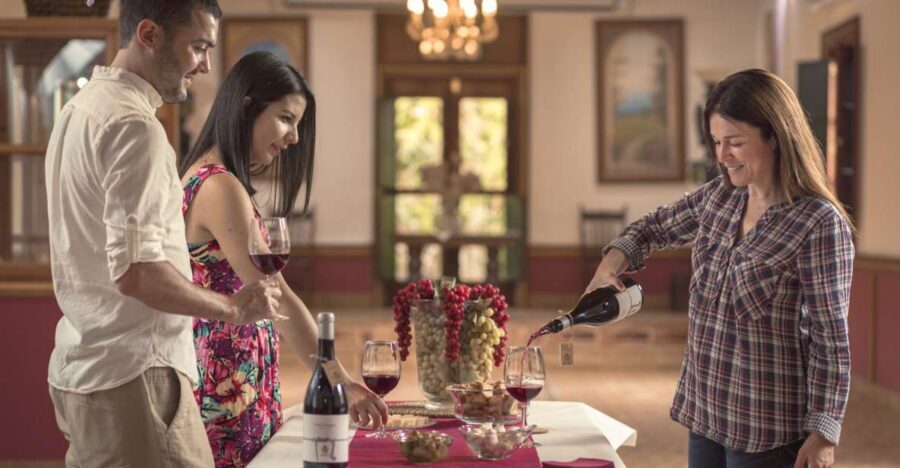
- A 2-wine tasting paired with local cheese and toasted bread
- Photo-friendly estate gardens and rolling vines around the tasting area
Entering Bodega San Juan, Finca El Mocanal
This tour centers on Bodega San Juan – Finca El Mocanal, a historic property that’s been shaped by the same family over five generations. The vibe isn’t stiff or showroom-like. It feels like you’ve stepped into a working farm where history still has fingerprints.
You meet at the bodega and start with an orientation from your English-speaking host. Reviews commonly call out guides such as Maria for friendly, clear explanations, and that matters here because the details are the whole point—vineyard choices, soil, and the practical steps of making wine.
The first thing you’ll notice is how quickly you shift from modern life to old routines. You’re not just looking at bottles; you’re walking a timeline.
You can also read our reviews of more tours and experiences in Gran Canaria.


The First Stop: Estate Stories and a Walk Through the Past
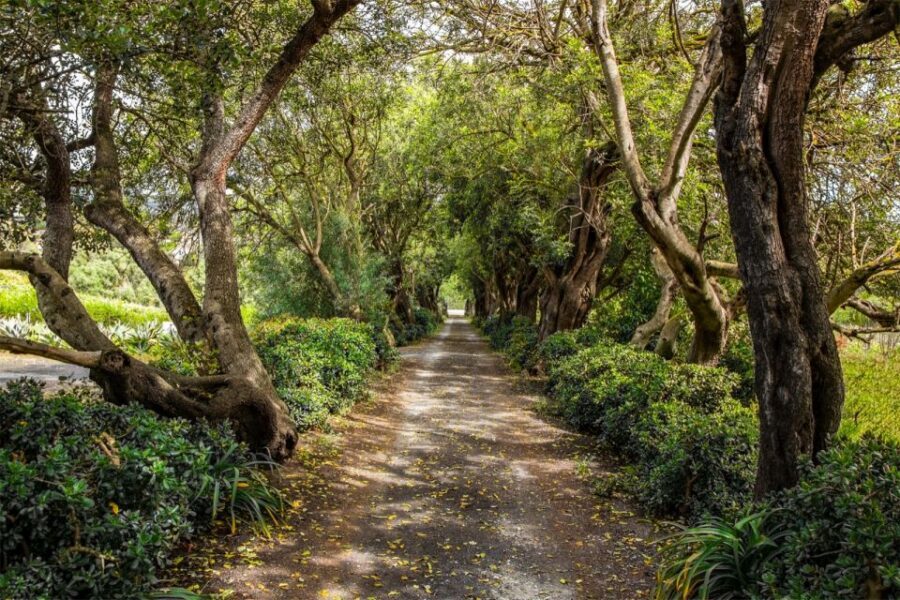
After meeting, expect to hear about the family behind the winery. You’ll see old photos and learn how the estate has evolved while staying organic in practice. This is the part that helps the rest of the tour make sense, because winemaking isn’t only chemistry—it’s decisions made year after year.
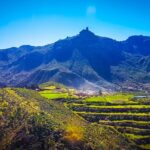
Then you move from stories to scenery. You’ll take a stroll through the organic vineyards, where grapes ripen in the sun. The guide talks about endemic grape varieties and why volcanic soil matters on Gran Canaria—how it affects the character of the wine and the way the vines handle the environment.
If you like photos, this section is where you’ll want to pause. Rolling views around the estate give you those easy, natural-looking shots you’ll actually use.
Organic Vineyards and Volcanic Soil: What It Means for Your Glass
It’s easy to hear the words volcanic soil and organic and think they mean marketing. The tour makes it more practical by focusing on what growers actually do.
You’ll hear about the work needed to keep grapes in optimal conditions. That includes managing the crop through the growing season and understanding how local conditions influence harvest timing and flavor development. In other words, you’re learning how the vineyard shapes the final wine—not just the winemaker.
A key detail is that the tour explains grape-to-bottle secrets without trying to make you a professional. You’ll come away with a clearer idea of why two wines from the same region can taste different, and why the estate’s choices matter.
The 100-Year-Old Stone Lagares: Grapes Trodden in a Different Era
One of the most memorable moments is the chance to view a 100-year-old stone lagares. This is where grapes were once trodden on—simple, physical work that’s now mostly replaced by modern equipment.
Seeing this stone structure in person gives you a visceral sense of the effort behind wine production. It also helps you compare traditions and techniques without turning the tour into pure nostalgia. You’re not just looking at a relic; you’re using it as a reference point for what comes next.
This part is great if you’re the type of traveler who likes “how it used to be done” moments. And if you’re not, the next section usually wins you over, because it shifts from stone and stories to the nitty-gritty of machinery.
The Wine Museum in Gran Canaria: Old Equipment, Clear Comparisons
The tour includes a visit to the island’s only wine museum in Gran Canaria. This stop is all about seeing how winemaking equipment and methods have evolved.
Expect to spot old machinery and learn how processes moved forward over time. The guide will help you compare the old with the new, so the museum doesn’t feel like a storage room of rust and labels. It feels like a timeline you can walk through.
This is also where you start connecting the dots between the vineyard and the tasting. When you understand what changed—fermentation methods, handling, storage—you taste with more context.
If you’re short on time in Gran Canaria, I like that this isn’t a long museum detour. It fits inside the 1.5-hour flow without dragging.

Cellar Time: Wooden Casks and Fermentation Aromas
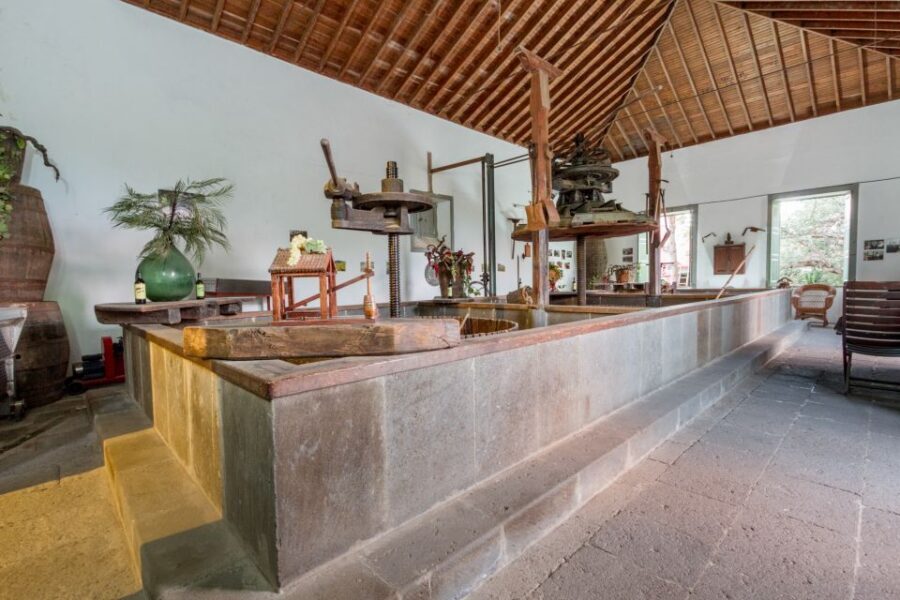
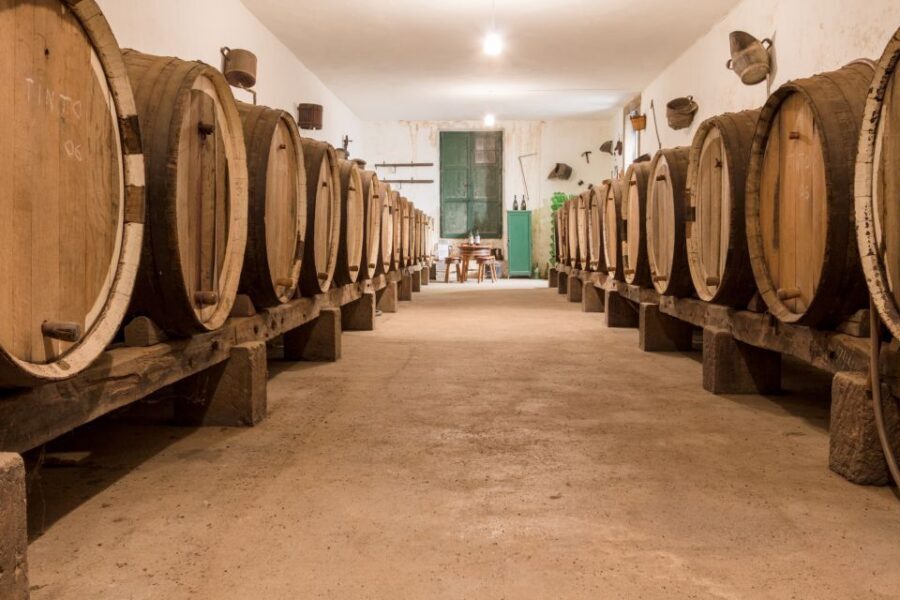
As you enter the cellar area, you get the sensory payoff. The tour focuses on the smell of wines fermenting in wooden casks. It’s the kind of detail that makes the visit feel real, not just educational.
You’ll learn what’s happening during fermentation and why the cellar environment matters. Even if you don’t care about technical vocabulary, this is the part you can feel—warm wood smells, a hint of fermentation, and the quiet rhythm of the process.
One practical note: cellars can be cooler and dimmer than outdoor areas. Bring a phone camera that handles low light well, and don’t expect bright, sunlit photos down there.
The Modern Facility: Seeing How Traditions Fit Today
The tour doesn’t stop at the old stuff. You’ll also look at the modern facility so you can compare how the winery handles winemaking today.
This is valuable because it keeps the experience grounded. You’re not trapped in the past. You see how an old family property keeps using tradition as a foundation while updating the steps that matter.
If you enjoy food-and-wine travel where you learn the “why,” this comparison is one of the strongest parts. It helps you taste with intention later, because the glass becomes the final link in the chain.
The Tasting Area: Two Wines, Local Cheese, Toast, and Olives
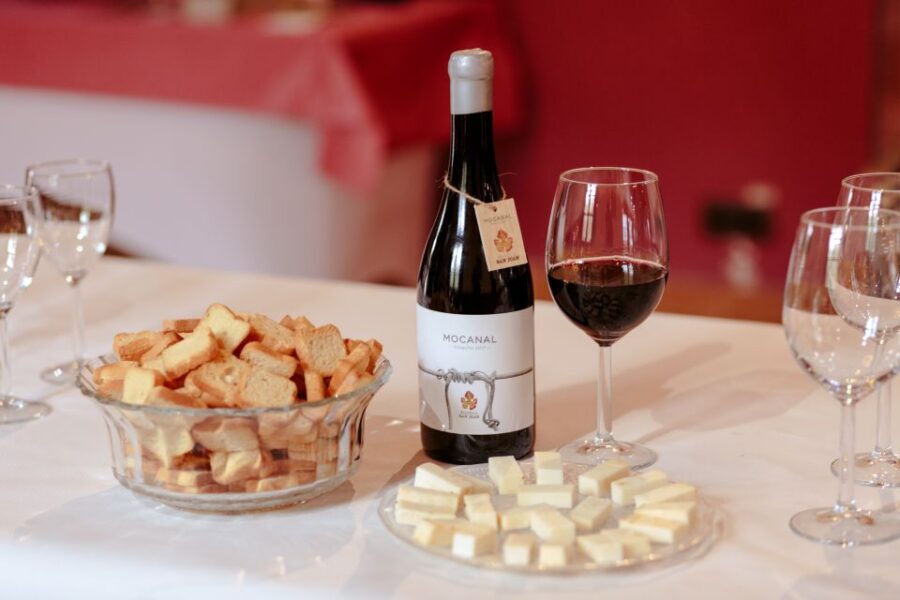
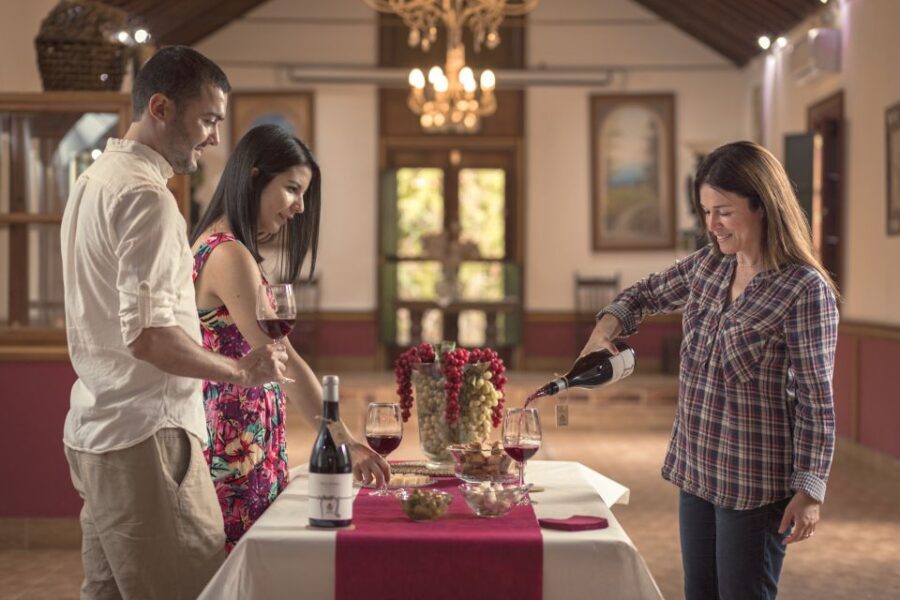
At the end, you enjoy a guided tasting of two wines. The tasting is paired with Gran Canaria cheese and toasted bread, with olives included as snacks.
This part is designed to be relaxed. You’re not being rushed through a flight like it’s a stopwatch event. Instead, you get time to taste, ask questions, and connect what you just learned to what’s in your glass.
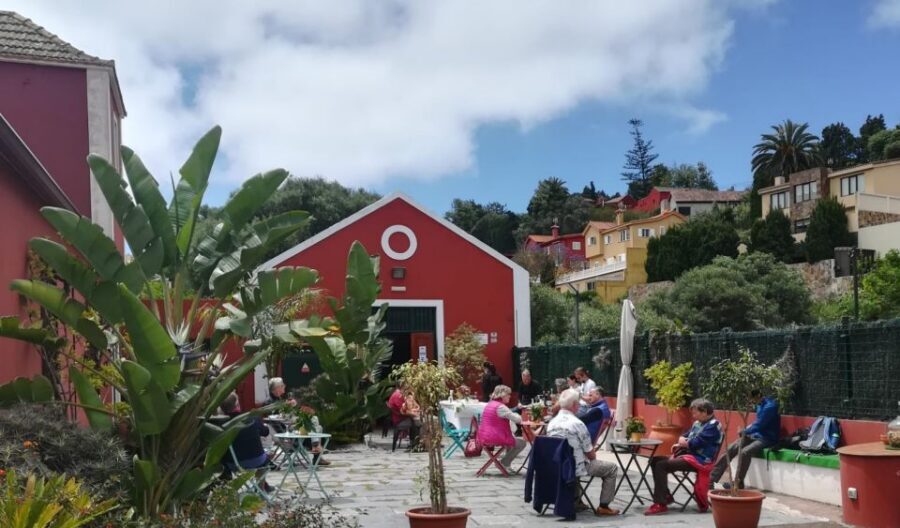
What makes this pairing work is simplicity. Cheese and bread let you focus on the wine’s balance—its acidity, body, and flavors—without overwhelming the palate. And the setting matters: the tasting area is described as garden-like and serene, with room to breathe and take photos without feeling like you’re trapped in a warehouse.
If you’re a wine fan, you’ll likely leave with a better sense of what you like. Several visitors also mention buying bottles to take home, though availability of specific bottles isn’t something you should count on.
Price and Value: What $34 Buys You
At $34 per person for 1.5 hours, the value is strong because you’re paying for more than a sip-and-spit experience. You get a farm tour, a visit to the wine museum, and a guided tasting with cheese, toast, and olives.
Here’s the practical math: you’re getting multiple distinct parts—vineyards, cellar atmosphere, historical lagares, museum machinery, and then a guided tasting—without needing half a day. That matters on an island where you might want time for beaches or hikes afterward.
Also, the host is in English, which can make the experience feel more personalized and less like you’re reading signs on your own. For many visitors, that’s the difference between a forgettable stop and one you actually remember.
Who Should Book This Tour (And Who Might Not)
This tour is a great match if you:
- Want a family-run organic winery experience rather than a big, corporate factory visit
- Like wine history you can see in objects (stone lagares, old equipment) not just talk
- Prefer short, focused tours that still include tasting and context
- Want good photo chances around vineyards and garden-style spaces
It may feel less perfect if you want a long, leisurely winery day with lots of walking distance. This is compact and timed, so it’s best for visitors who enjoy structure.
Quick Practical Tips Before You Go
- Wear comfortable shoes. Vineyard ground and historic stone areas can be uneven.
- Bring a light layer. It can be cooler in cellar spaces and shift outdoors when weather changes.
- Have your camera ready for vineyard views and museum stops.
- Since there’s no hotel pickup, plan how you’ll get to the meeting point at Bodega San Juan – Finca El Mocanal.
If you’re the type who likes to arrive a little early to get your bearings, do that. One small frustration that can pop up is not knowing where everything starts, so arriving early helps you relax before the tour begins.
Should You Book This Gran Canaria Winery Tour?
I’d book it if you want a short wine experience that feels authentic and hands-on. The organic vineyard walk, the only wine museum in Gran Canaria, and the chance to smell fermentation in the cellar make it more than a basic tasting. And for the money, you get real variety in a short time: history, practical winemaking, and then a guided tasting with cheese and bread.
Skip it only if you’re expecting a huge, luxury-style production. This is a working estate with a clear family voice, old-to-new comparisons, and a tasting that stays grounded in local flavors. If that sounds like your kind of day, you’ll likely leave happy and a little more wine-literate than when you arrived.
FAQ
How long is the Gran Canaria winery, museum, and tasting tour?
The tour lasts 1.5 hours.
What does the tour include?
It includes a farm tour, wine tasting, and snacks such as cheese, toast, and olives.
How many wines do I taste?
You’ll taste two wines in the tasting area.
Where do I meet for the tour?
Meet at Bodega San Juan – Finca El Mocanal (Bodega San Juan – Finca El Mocanal).
Is hotel pickup and drop-off included?
No. Hotel pickup and drop-off are not included.
Is the host able to guide in English?
Yes. The host or greeter speaks English.
Does the tour run in bad weather?
Yes, it takes place rain or shine.
Can I cancel for a refund?
Yes. You can cancel up to 24 hours in advance for a full refund.