REVIEW · GRAN CANARIA
Gran Canaria: Scuba Diving for Beginners
Book on GetYourGuide →Operated by Blue Water Diving · Bookable on GetYourGuide
The first breath underwater changes your brain fast. This PADI Discover Scuba try in Gran Canaria walks you from safety basics to a supervised open-water experience, small group size, gear included, and instructors who focus on keeping you calm. I like the way the team slows everything down—getting you comfortable with the kit before you go beyond the shallows. Small group limits (up to 8) also means you get more hands-on attention than the big-boat version. One consideration: this is not for everyone, and medical limits apply, so it’s worth checking your suitability before you book.
You meet at the Puerto Escala harbour area in Puerto Rico, then you get a short theory session, practice the core skills in shallow water, and finish with an open-water visit reaching up to 12 meters / 40 feet. From the reviews, names keep popping up—Kate, Jasmine, Harry, Eddy, Daniel, Jerry, Lilly—people describe patient coaching and quick reassurance when nerves show up. If you’re coming expecting a certification course, adjust your mindset: it’s a first-time introduction, but it can still count toward the next step if you want to continue.
In This Review
- Quick take: what matters most here
- PADI Discover Scuba in Gran Canaria: what you’re really buying
- Where you’ll start: Blue Water Diving by Puerto Escala Harbour
- The gear moment: everything you wear is part of the lesson
- Safety briefing and small-group coaching in plain language
- Shallow-water practice: breathing, clearing, and equalizing pressure
- The open-water part: your supervised session up to 12 meters
- Marine life in the Canary Islands: what you’ll likely notice
- Price and value: is $106 a good deal for a first try?
- Who should book this (and who should skip it)
- Handy tips that actually help underwater
- Instructor style: what the reviews reveal about the team
- What to watch for during your session
- Should you book this beginner scuba experience?
- FAQ
- How long is the scuba experience?
- Where do we meet?
- What’s included in the price?
- Do I need previous scuba experience?
- Is this suitable for pregnant women?
- What are the age and language requirements?
Quick take: what matters most here
- PADI Discover Scuba (DSD) format: supervised intro, not full certification
- Skill practice first: breathing control, mask clearing, and equalizing pressure in shallow water
- Open-water check-out up to 12 meters / 40 feet under close guidance
- Small group (max 8): more personal attention in the water
- Gear rental + insurance included: you don’t have to hunt down equipment
- Instructors who pause for nerves: calm coaching shows up again and again in reviews
PADI Discover Scuba in Gran Canaria: what you’re really buying
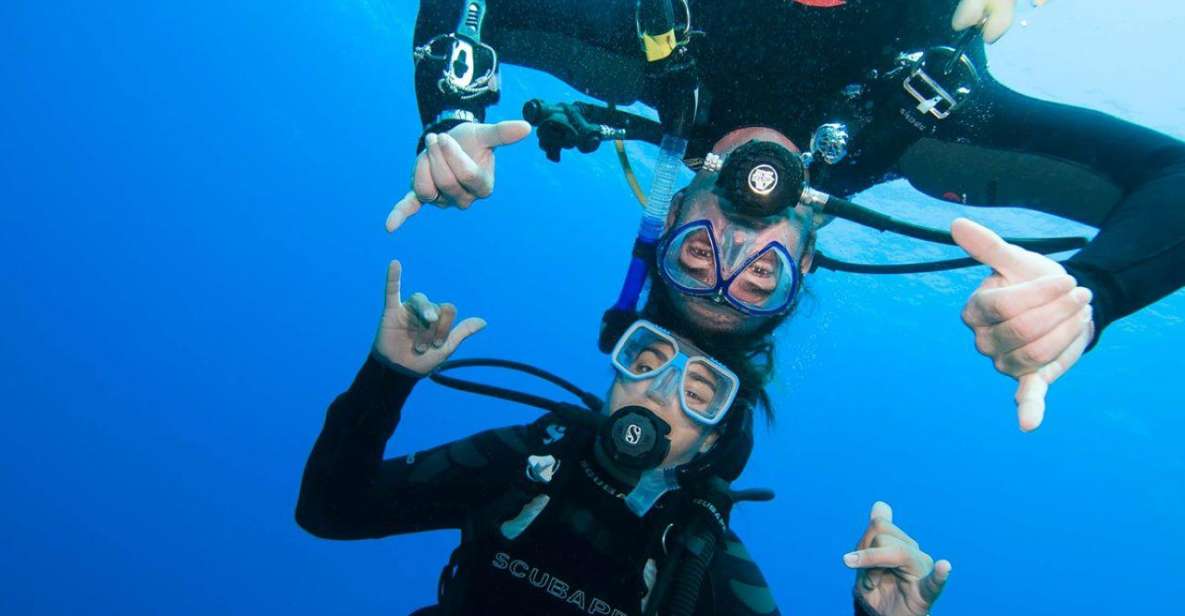
This experience is built for a simple goal: help you get your body and brain to work underwater without guessing. The “PADI Discover Scuba” structure is a supervised intro, led by a certified PADI Professional. That means you’re not just thrown in with a few instructions and a hope-and-pray attitude.
Think of it as a bridge between staying dry and starting to explore below the surface. You’ll learn the basics of scuba communication (mostly hand signals), how the regulator and tank work as a breathing system, and the safety rules that keep the whole thing comfortable—even when you’re still learning.
The value here is the mix of time and attention. You get a short theory piece, then actual practice in controlled conditions, then a real open-water moment. That sequence matters because most first-timers don’t fail from lack of courage—they struggle because the body feels different and the gear feels unfamiliar. Here, you practice the body-and-gear part first.
Also, if you love it, the try can count toward PADI Open Water Diver training. Your instructor can tell you how to continue if you want the full certification path.
You can also read our reviews of more tours and experiences in Gran Canaria.


Where you’ll start: Blue Water Diving by Puerto Escala Harbour
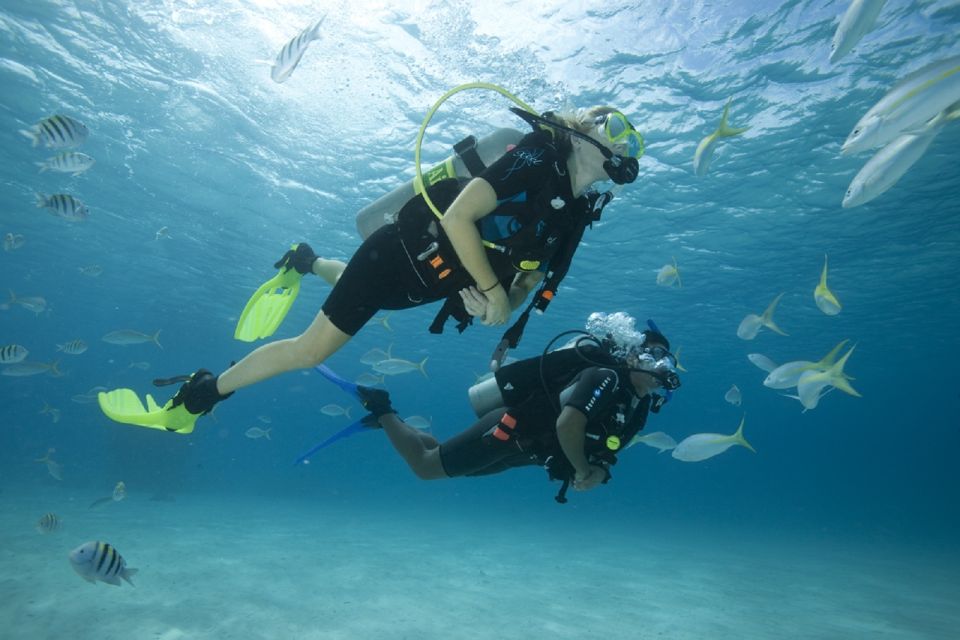
Logistics are usually the part people dread most. Here, your meeting point is clearly set: Puerto Escala harbour in Puerto Rico, Gran Canaria, with Blue Water Diving as the starting location.
Why I like this setup: harbour areas tend to be easy to orient yourself to, and you’re not hunting for a hidden dock behind a maze of alleys. Also, you’re already in the right place for calm, supervised water time—no long land transfers mid-day.
One practical downside: hotel pickup and drop-off isn’t included. So you’ll want to factor in how you’ll get yourself to the harbour on time. If you’re staying outside the Puerto Rico area, plan extra buffer time.
The gear moment: everything you wear is part of the lesson
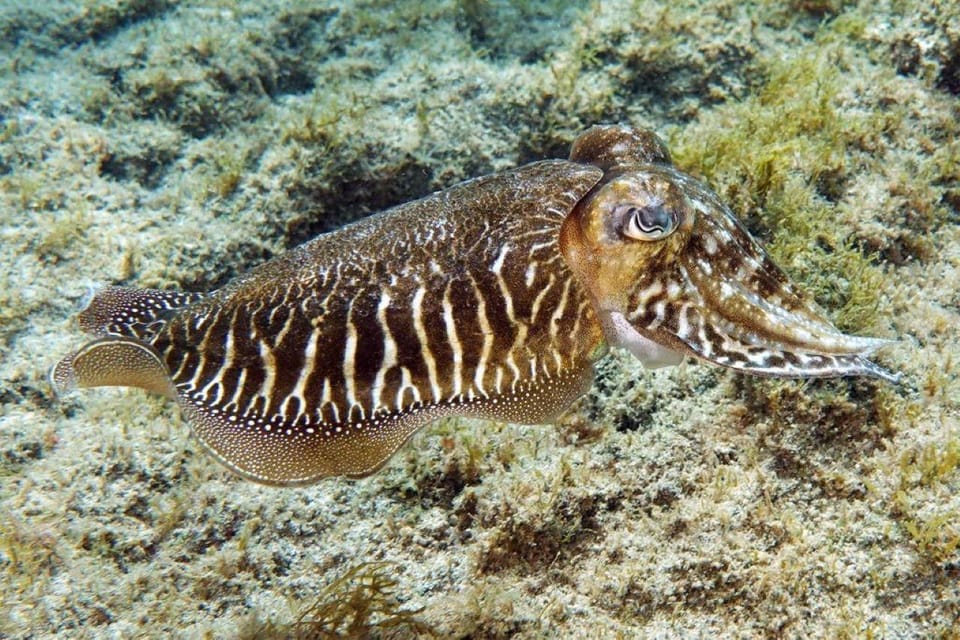
Scuba gear can feel intimidating—until you understand its job. In this experience, full equipment rental is included, and that’s a huge value-maker. You’ll typically use the standard kit: mask, fins, wetsuit, regulator, and tank (plus the rest of the setup that goes with it). You don’t need to own anything to try it.
What you learn during the gear check is as important as the gear itself. You get shown how the regulator works, how the mask should sit, and how the wetsuit helps with temperature and comfort. The goal is simple: you should be able to breathe and move without fighting your equipment.
From the reviews, the standout theme isn’t only instruction—it’s patience. People talk about being guided at their pace, getting relaxed, and getting settled in the water before the team expects anything complicated. If you’re the type who panics when you feel rushed, that matters a lot.
Safety briefing and small-group coaching in plain language
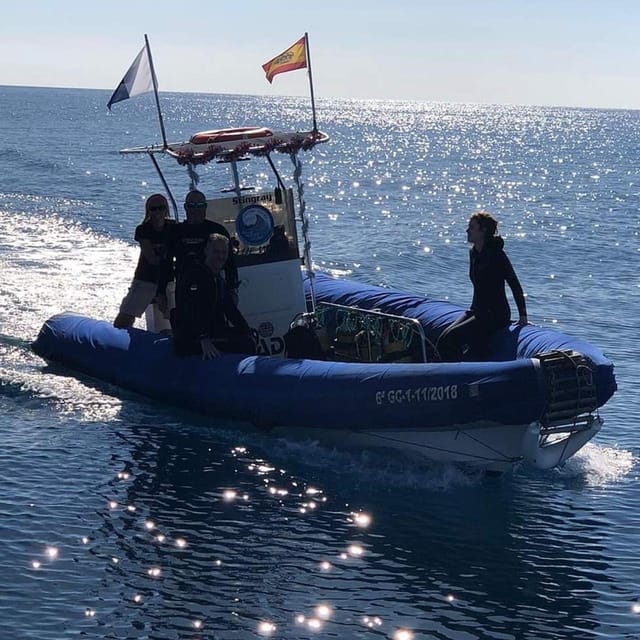
Your first chunk of time is about safety and basics. You’ll get a short theory session that covers:
- how scuba breathing works
- common hand signals used underwater
- safety guidelines you follow during the experience
Then you move into practice. This is one of those “boring on paper, lifesaving in real life” parts. Knowing what to do before you need it reduces stress and makes the whole water time feel more like training than improvisation.
A small-group setup helps here. Limited to up to 8 participants, the instructor can correct things in the moment—especially useful for first-timers who don’t even know what they don’t know yet.
In the review set, that patient coaching shows up repeatedly with instructors like Kate and Jasmine being described as calm, careful, and focused on comfort. Harry also gets mentioned for clear explanations and attentive support once people are in the water.
Shallow-water practice: breathing, clearing, and equalizing pressure
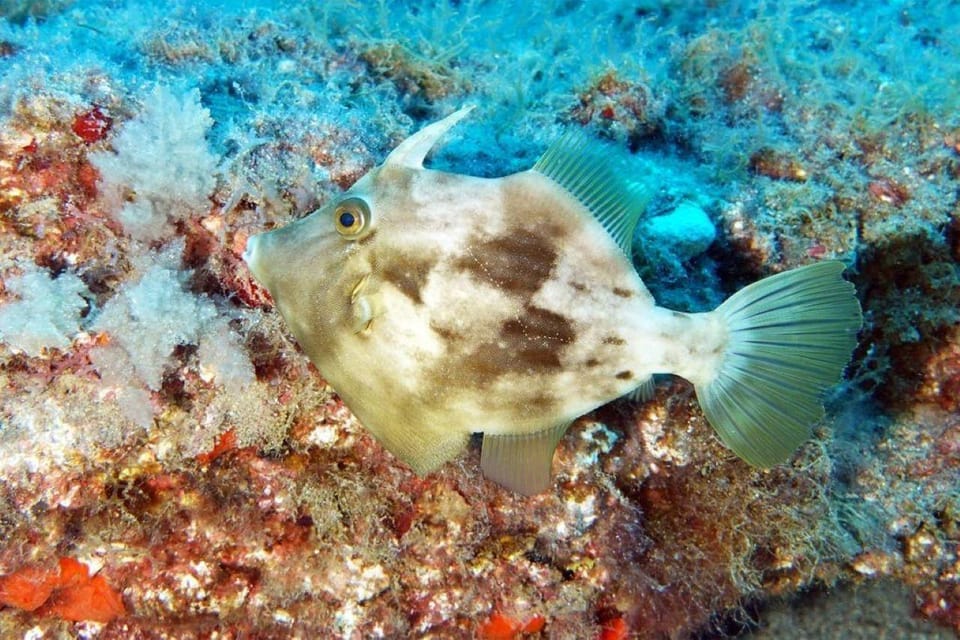
This is where most first-timers go from nervous to capable. You’ll do essential skills in a confined water area (think shallow, controlled conditions), so mistakes are fixable without drama.
The practice usually includes core tasks such as:
- breathing underwater through the regulator
- clearing your regulator and mask (so you learn how things feel and how to recover)
- equalizing pressure so your ears handle the change
Why this matters: pressure and water-goes-in-your-nose reality is the big mental hurdle for many beginners. You’ll get guidance before you hit open water. If you’ve ever had altitude or water pressure discomfort, you’ll appreciate that you’re not guessing.
Also, practice reduces the odds of a panic loop. In at least a few accounts, people mentioned moments where they felt nervous or had trouble equalizing. In those cases, the instructors helped them through it right there, so they could continue and even enjoy the experience. That’s not a guarantee for everyone, but it tells you the team is used to first-timer struggles.




The open-water part: your supervised session up to 12 meters
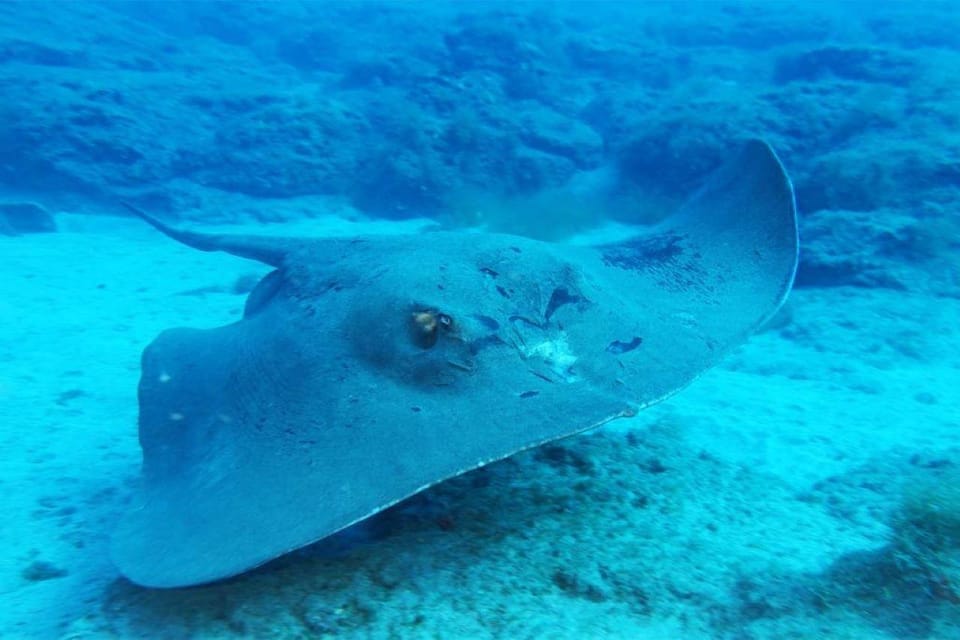
After the shallow practice, you’ll head out for a real underwater experience. This stage is under close supervision and reaches up to 12 meters / 40 feet.
In plain terms, you’ll be close enough to the instructor that you’re not left alone with your nerves. But you’ll still feel the difference: open water means movement, better views, and the excitement of actually exploring the marine world rather than just training in a small area.
If you’re worried about depth, remember that 12 meters is part of the beginner-friendly design. You’re not aiming for a technical profile. You’re learning comfort, control, and basic awareness—while experiencing the wow factor that made you book in the first place.
Marine life in the Canary Islands: what you’ll likely notice
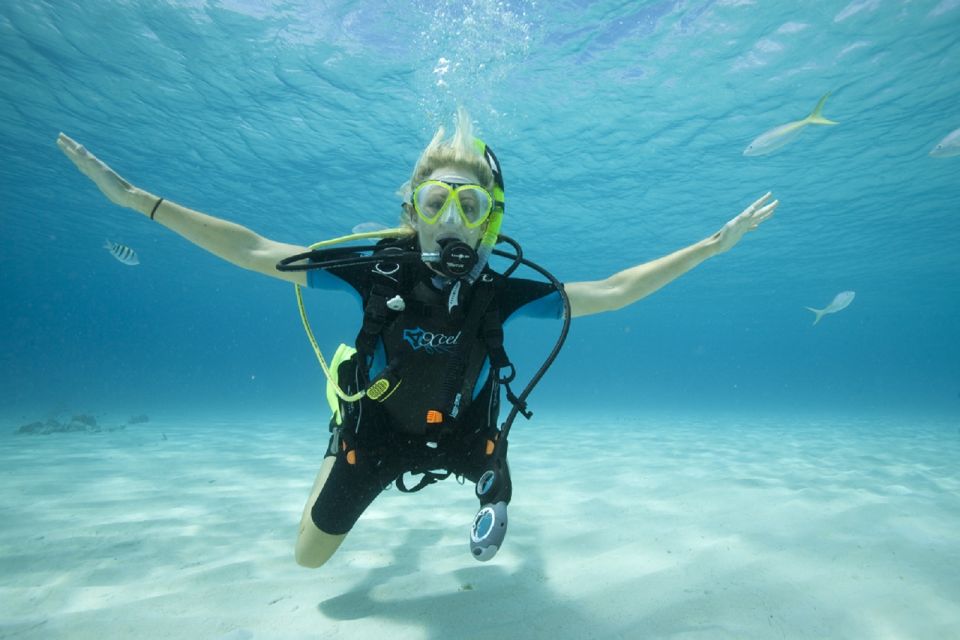
The Canary Islands are known for clear-water variety and interesting sea life. In this experience, you’re out long enough to see the point of scuba: animals don’t live on your schedule.
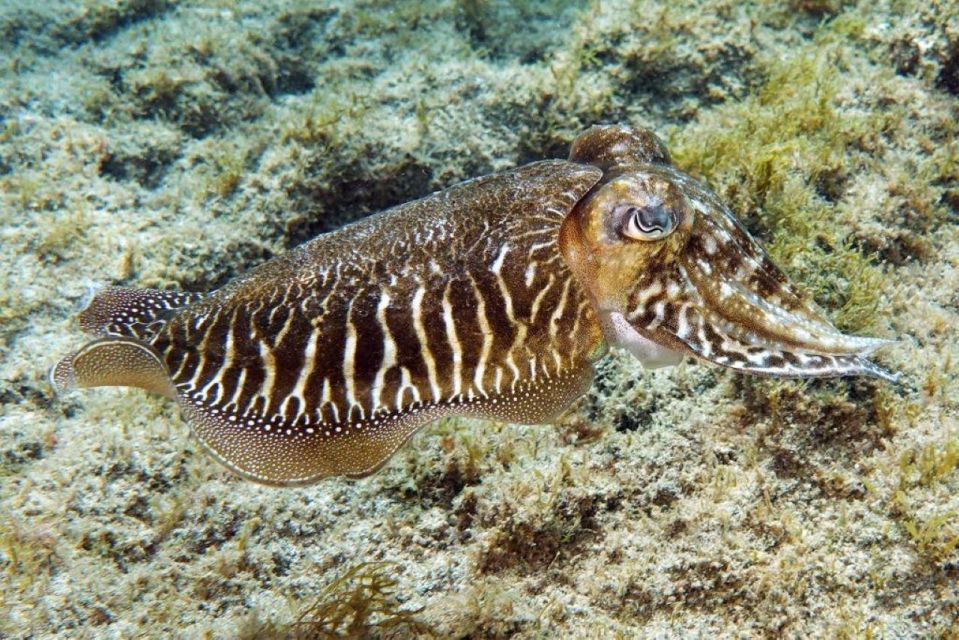
Based on feedback from the experience, people frequently mention seeing plenty of fish, and at least one person specifically highlights an octopus encounter. You can also expect coral or reef environments where you’ll spot movement and color as you float and follow the route set by your guides.
A practical way to enjoy this stage: stop treating it like a checklist. Keep your breathing steady, follow the hand signals, and let your eyes adjust. When you do that, animals show up. When you tense up, you miss them.
Price and value: is $106 a good deal for a first try?

At $106 per person, the price lands in a zone that can feel either reasonable or expensive—depending on what you compare it to.
Here’s the value math that matters:
- Gear rental is included (so you’re not paying extra for a mask, wetsuit, fins, or regulator)
- PADI instructors are included, meaning certified supervision and proper structure
- Insurance is included, which is a big deal for peace of mind
- The group is small (max 8), which usually translates into better hands-on coaching
What’s not included: hotel pickup and drop-off, so the cost doesn’t cover transport from your lodging. If you’re staying nearby, this is minor. If you’re farther out, factor in bus/taxi time and cost.
For a first-timer, I consider this price fair because you’re paying for coaching + safety + equipment. The whole point is to remove guesswork.
Who should book this (and who should skip it)
This is a good match if you:
- are 10 years old or older
- feel reasonably comfortable in water
- are healthy enough to pass a short medical form
- want to try scuba with supervision before committing to full certification
It’s also a smart “vacation activity” choice because the structure is short and clear: learn basics, practice skills, then get the underwater experience without dragging the course out for days.
Skip it if:
- you are pregnant (listed as not suitable)
- you don’t meet medical requirements or have restrictions that affect diving safety
Also note the experience requires planning details like height, weight, and shoe size, which helps the team fit equipment correctly and keep you comfortable in the water.
Handy tips that actually help underwater
You’ll be told what to bring and what to avoid. Here are the parts that make your life easier on the day:
Bring:
- Swimwear and a towel
- a charged smartphone (useful for photos or video, if that’s your thing)
Avoid:
- alcohol before your session
- flying for 18 hours after scuba (this is a standard caution for many scuba activities, and it’s listed as part of the tips here)
In the water itself, keep two things front-of-mind:
- If you feel stressed, signal it early. The instructors are there to guide you step by step.
- Practice the equalizing technique calmly. Trying to force it while panicking is a common beginner trap.
From the review trail, people like Koen and Amal describe how the instructor takes time to get relaxed and comfortable with the gear. That means you can arrive a bit nervous and still do okay—just communicate and follow their pace.
Instructor style: what the reviews reveal about the team
I always treat instructor reputation as part of the “real product,” because the water is unforgiving if the coaching style is poor.
Here the pattern is strong:
- Instructors take time to get you comfortable with the kit first
- Explanations are clear and patient
- Support continues if you hit a snag (like equalizing or feeling uneasy)
Specific names show up in different ways:
- Kate gets praise for calm, patient tuition
- Jasmine is described as amazing and helpful
- Harry is noted for explaining well and looking after participants in and out of the water
- Eddy and Daniel get mentioned for support during the underwater part
- Jerry and Lilly are described as knowledgeable and good at guiding steps
Even if you never meet the same instructor as the person who wrote the review, the consistent theme tells you what to expect: coaching that’s focused on your comfort, not speed.
What to watch for during your session
You’ll likely move through three phases: briefing, shallow skills, then open water. When you’re in the shallow practice, watch for these signals:
- Are you breathing steadily and comfortably through the regulator?
- Can you clear your mask/regulator as instructed?
- Is equalizing pressure working without pushing through pain?
If something feels off, it’s not the time to “tough it out.” Your instructor is the safety net. The best beginner experiences are the ones where you admit you need a slower pace.
When you reach open water, focus more on relaxation and awareness than performance. Your job is to breathe, follow, and look around.
Should you book this beginner scuba experience?
Yes, you should book it if you want a supervised first underwater try with gear rental and clear beginner coaching in a small group. The combination of shallow practice plus an open-water session is exactly what makes a first attempt feel doable instead of scary.
I’d think twice (or contact the provider with questions) if you have health concerns that could limit scuba participation, or if you’re in a situation where you’re not comfortable being in water for the duration of the training and supervised session. Also, remember there’s no hotel pickup, so make sure you can comfortably reach Puerto Escala harbour on time.
If you’re aiming for the wow factor of seeing marine life while learning the basics safely, this is a strong first step—especially if names like Kate, Jasmine, Harry, or others on the team match your style of learning.
FAQ
How long is the scuba experience?
The experience duration is 2 hours. Exact starting times depend on availability.
Where do we meet?
You’ll meet at Puerto Escala harbour in Puerto Rico, Gran Canaria.
What’s included in the price?
The experience includes equipment rental, PADI dive instructors, and insurance.
Do I need previous scuba experience?
No. You can join with no prior scuba experience as a beginner.
Is this suitable for pregnant women?
No. It is not suitable for pregnant women.
What are the age and language requirements?
You must be at least 10 years old. Instruction is available in English and Spanish.