REVIEW · GRAN CANARIA
Gran Canaria Maspalomas: Surf lessons all levels
Book on GetYourGuide →Operated by South Coast surfschool · Bookable on GetYourGuide
Hook: Surfing starts with one calm breath.
In Maspalomas, this 2.5-hour class turns ocean chaos into something you can actually control, with coaching that fits beginners and surfers who want a tune-up. I like that the team brings 30+ years of ocean experience to the beach, and the vibe is all about having fun while you learn real technique. One thing to consider: you’ll need to make your own way to the meeting point since no hotel pickup is included.
My second favorite part is the way instruction gets specific once you’re in the water. The teaching style focuses on basics like balance and the pop-up, and I saw that Daniel-style coaching is patient and clear, with lots of individual attention. The equipment setup is also straightforward: surfboard, wetsuit, and even mineral water and fruit are included, so you’re not wasting time hunting for supplies.
The main drawback is simple time math. At 2.5 hours, you’ll leave with new skills and your first real wave moments, but you won’t walk out feeling like you mastered advanced maneuvers. If you’re chasing big progression goals, you may want to book a second session during your stay.
In This Review
- Key Things To Know Before You Go
- Where Maspalomas Makes Sense for Surf Lessons
- Meeting Point Clarity: SouthCoast Surfschool Flags
- What You Actually Pay For: The $59 Value Mix
- The 2.5-Hour Lesson Flow: From Beach Basics to Real Waves
- Instructor Coaching That Targets Real Beginner Breakpoints
- Waves, Timing, and How You Get Better Without Guessing
- Gear and Comfort: Wetsuit, Board, and What to Bring
- Safety and Peace of Mind in the Water
- Who This Surf Lesson Fits Best (And Who Might Rethink It)
- Practical Tips to Get More Out of Your Surf Session
- Final Call: Should You Book This in Maspalomas?
- FAQ
- How long is the surf lesson?
- What is included in the $59 price?
- What level of surfing is this for?
- Where do I meet the instructor?
- Do they provide hotel pickup or transportation?
- What languages are the instructors available in?
- Do I need to bring a wetsuit and surfboard?
- Is there insurance included?
- Can I cancel for a refund?
Key Things To Know Before You Go
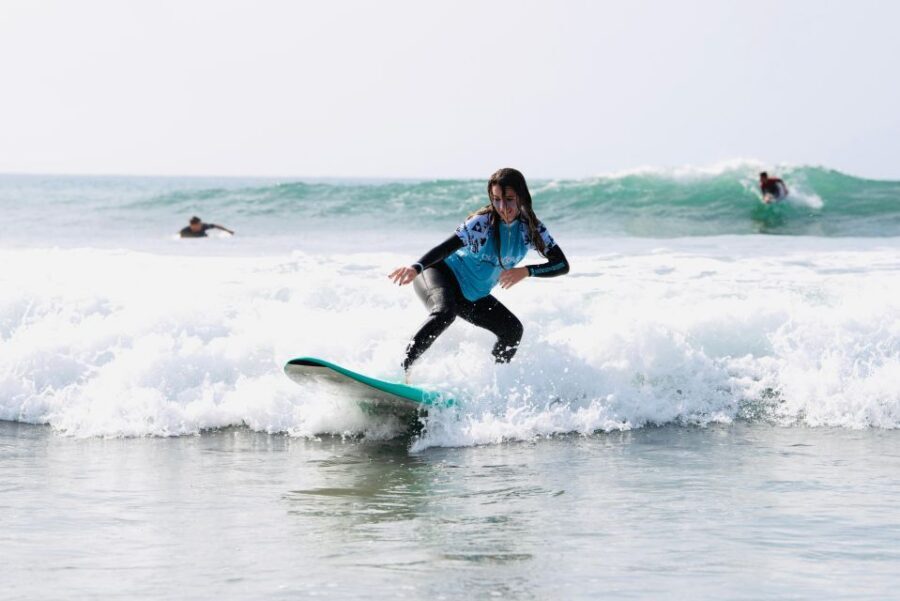
- Small-group coaching and individual feedback help you fix problems fast, especially around pop-up technique.
- Beginner to advanced guidance means you can show up at your level and still get useful corrections.
- Equipment is included: surfboard and wetsuit, plus mineral water and fruit.
- Insurance is covered with accident and liability included in the price.
- Meet at the SouthCoast surfschool flags near the beach bar, close to the red cross office.
Where Maspalomas Makes Sense for Surf Lessons
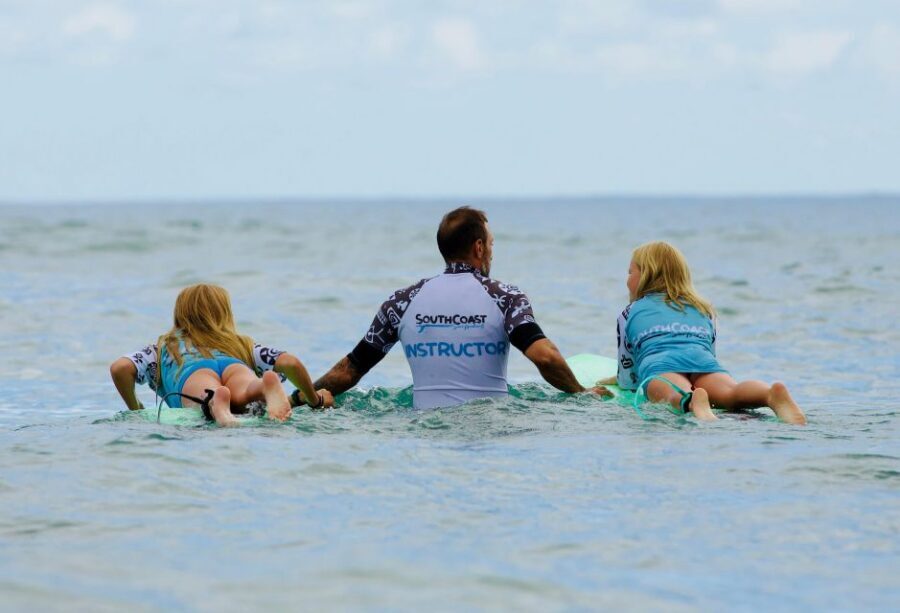
Maspalomas is one of those places where surfing lessons feel doable even if you’ve never stood on a board before. The south coast is set up for day-to-day water activity, and the area’s surf culture is strong enough that you’ll see surfers and swimmers out without it feeling like a one-off stunt.
What matters for your lesson is not just the scenery. It’s the overall setup: you can count on instructors to work with the conditions you get that day, instead of treating every session like a perfect-movie moment. That’s why the school’s promise of finding the right waves for your level isn’t just marketing talk. You’re there to learn how to read what the ocean is giving you, then match your timing to it.
Also, the weather and beach routine tend to support a lesson that stays upbeat. The tone from the instructors is consistent: learn the mechanics, then have fun doing it. That combination is what keeps beginners from freezing up the moment the board hits the water.
You can also read our reviews of more tours and experiences in Gran Canaria.



Meeting Point Clarity: SouthCoast Surfschool Flags
You’ll save stress if you arrive early and know exactly where to stand. The meeting point is at the SouthCoast surfschool Flags, meet at the beach bar, directly close to the red cross office.
That’s helpful because you’re not guessing which beach section the instructors picked. Bring this up in your head the moment you walk in: flags, beach bar, red cross nearby. If you’re coming from a hotel or apartment, allow extra time to reach the beach area and confirm you’re at the right spot before your start time.
One practical note: since transportation and hotel pickup aren’t included, plan your travel like it’s a self-guided trip. If you’re staying in a car-friendly area, a quick taxi ride can be the easiest move. If you’re using buses, buffer extra minutes so you’re not late and rushed.
What You Actually Pay For: The $59 Value Mix
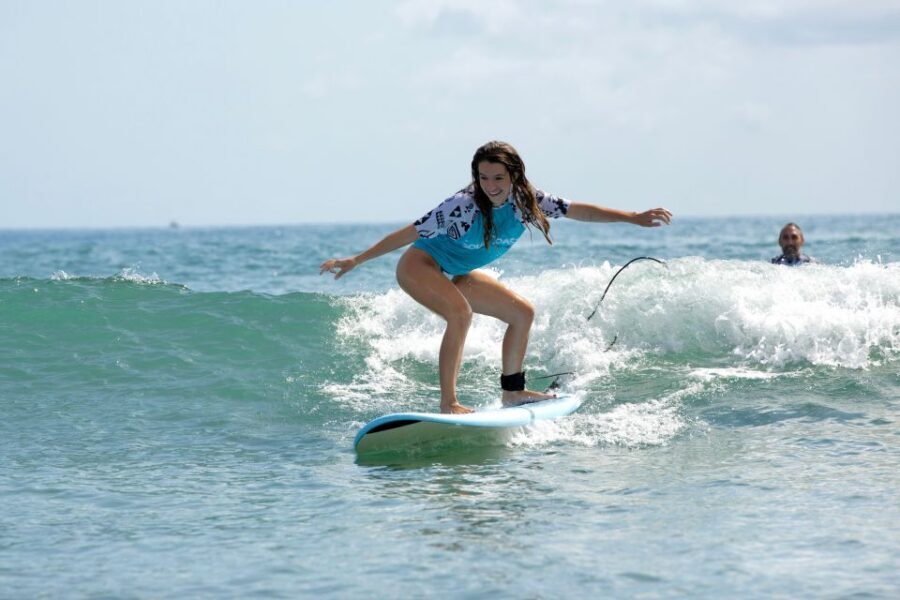
At about $59 per person for a 2.5-hour session, the price is strongest when you look at what’s bundled.
You get:
- Surfboard
- Wetsuit
- Mineral water and fruit
- Accident and liability insurance
That matters because surf lessons often become expensive in the “extras” phase. Here, the big gear pieces are handled. Wetsuit access is a big one in the Canaries. Even when it’s sunny, being warm enough keeps your energy up and helps you focus on the technique part of learning.
The included insurance is also worth a quick pause. It’s not the kind of thing you think about while you’re excited, but it’s the kind of thing you’re grateful for if something goes wrong. Instructors are responsible for safety every minute of the lesson, but having coverage built into the experience is a real value.
Your only typical “cost” is getting yourself there. Once you’re on the beach at the right spot, the rest is set.
The 2.5-Hour Lesson Flow: From Beach Basics to Real Waves
This is a structured class with a clear progression. The general rhythm goes like this:
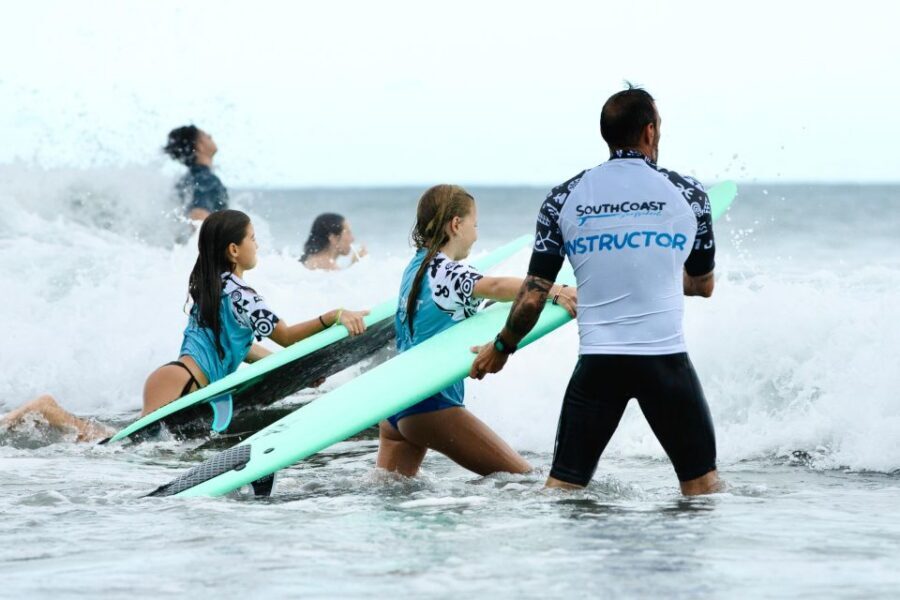
First comes a short theoretical or beach-based session. This is where instructors set the foundation so you’re not just guessing when you’re sitting on the board. You’ll learn core surfing basics at a low to intermediate level in the beginner-focused sessions, then the same fundamentals get reinforced as you progress.
Then you move into the sea for practice. The practice block is the moment most people come for: you apply what you learned and start building muscle memory. The coaching doesn’t stop once you enter the water. Expect the instructor to keep guiding you, including pointing out corrections that matter for standing up safely and staying balanced.
The key for you is that the instruction stays practical. Instead of giving you a long list of rules, the coaching tends to focus on the next fix that will help you catch more chances. That’s why people walk away feeling supported instead of overwhelmed.
Instructor Coaching That Targets Real Beginner Breakpoints
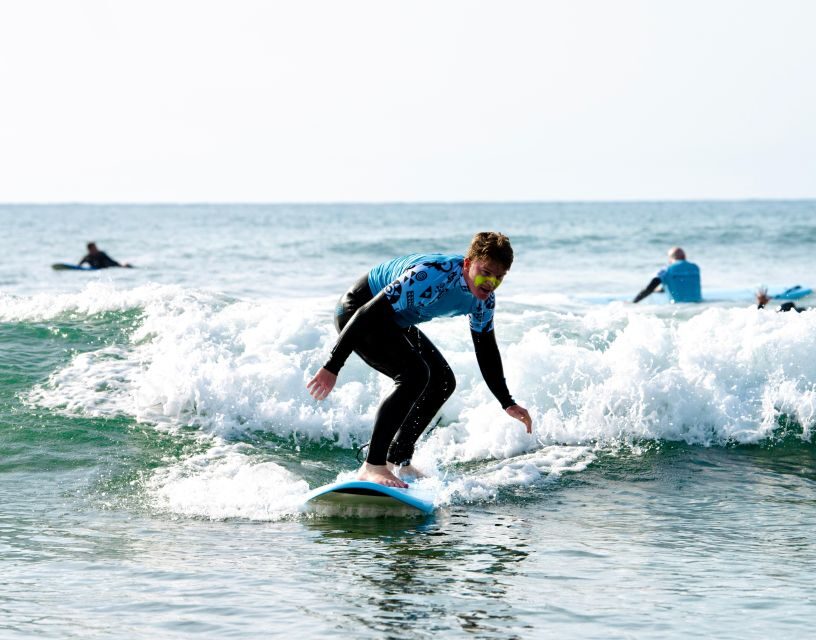
Great surfing lessons feel like a conversation with the ocean. The best parts of this class are the coaching details that match what your body is doing wrong.
From the teaching style described in past sessions, instructors spend real time on the pop-up technique and related balance issues. If you’ve ever tried to do a push-up motion after lying still and then suddenly sprinting into a wave, you know how awkward it feels. That’s why pre-water coaching on your movement order helps a lot.
A clear example of what you can expect: instructors take time to break down steps, then they keep things simple enough that you can repeat them under pressure. That approach is especially helpful if you show up as a total beginner with a bad feel for balance. You’re not being asked to become a different person in 2.5 hours. You’re being taught a process you can repeat.
If you’re returning for a second session, you still benefit because the guidance shifts from learning basics to refining what you already know. Advanced surfers can work on improvements too, because the coaching is about technique and wave selection, not just first-time success.






Waves, Timing, and How You Get Better Without Guessing
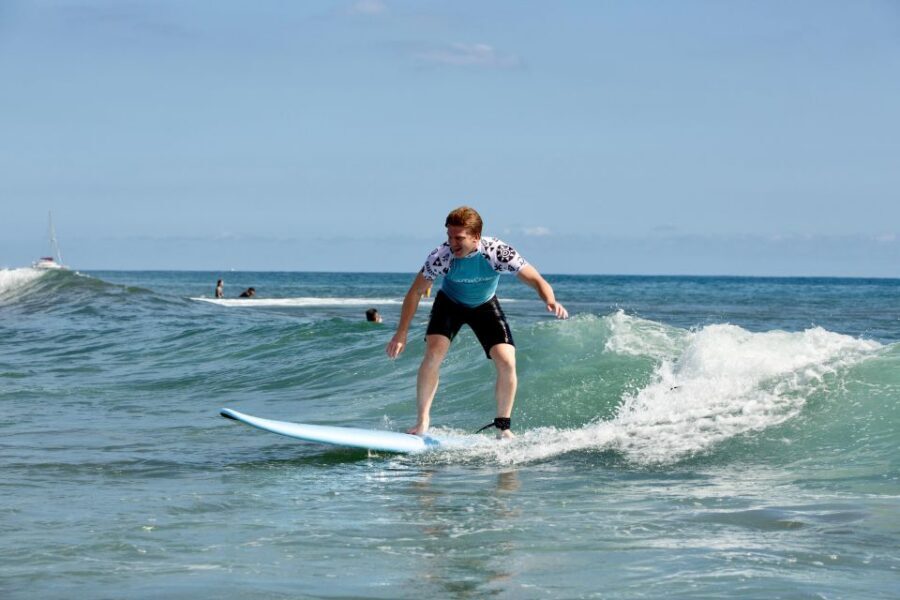
One of the highlights is the focus on finding the perfect wave with the class. That phrase is basically code for something important: you don’t want random chaos. You want waves that match your current ability level and give you a fair chance to stand up.
Wave selection affects everything:
- If the wave is too strong, you’ll rush and lose form.
- If it’s too weak, you’ll feel like you’re paddling forever without payoff.
- If you’re aiming at the wrong part of the breaking pattern, your timing won’t connect.
The instructor’s job is to help you line up your effort with the wave you’re actually getting. That’s why people leave with that “I can do this” energy. They aren’t just lucky. They’re learning how to position themselves for success.
And yes, the ocean still does what it wants. But you’ll get coaching that turns surprise into skill.
Gear and Comfort: Wetsuit, Board, and What to Bring
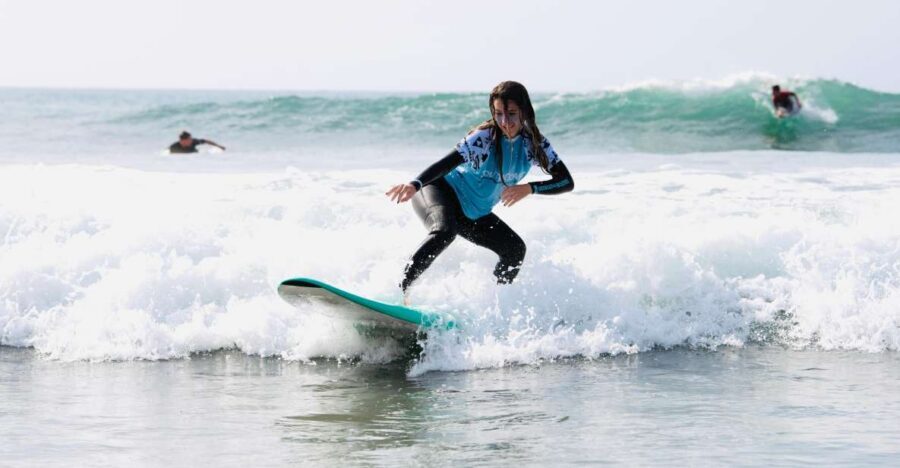
You’re not expected to bring a board or wetsuit. Those are provided. The school also includes mineral water and fruit, which sounds small until you’re sitting on a warm rock between sets and realizing you’re actually fueled.
For your side, think comfort and practicality:
- Wear swimwear under your wetsuit if you can.
- Bring a towel and something for after the session.
- You’ll likely want flip-flops or easy sandals so you’re not barefoot on beach surfaces.
- If you’re sensitive to sun, pack sunscreen. You’ll be outside and moving.
Since the class is weather dependent in any surf destination, arriving prepared for sun and wind is smarter than waiting until you’re already there.
Safety and Peace of Mind in the Water
The class includes accident and liability insurance, which is a good baseline. Beyond paperwork, the way coaching is described in multiple sessions points to a calm, patient teaching style.
That matters because nervous students make learning slower. When you feel safe, you try harder. When you try harder, you improve faster. The coaching tone is repeatedly described as friendly and supportive, with instructors spending time on your technique rather than rushing you through.
You should also take cues from the instructor in the moment. If they ask you to wait, breathe, and reset, follow it. Surf lessons work best when you treat every attempt as part of the training, not a pass/fail event.
Who This Surf Lesson Fits Best (And Who Might Rethink It)
This class is a great fit if you want:
- A first surf experience with clear basics
- Lots of guidance for technique like pop-up and balance
- A fun, not-too-serious way to learn a new skill
It’s also a solid choice if you’re not a beginner but you want better feedback on your mechanics. The class is designed to guide different levels, so you’re not stuck feeling bored or lost.
You might rethink it if you’re looking for something very specific like an hour-by-hour training plan for advanced tricks, or if you’re short on time and can only spend one beach block. For most people, the 2.5 hours is a sweet spot: enough to make progress, short enough to fit into a busy vacation.
Practical Tips to Get More Out of Your Surf Session
Here’s how you can make the most of your time on the water:
- Arrive early enough to find the meeting spot without panic. The SouthCoast surfschool flags near the beach bar is the key landmark.
- Pay attention during the beach instruction. That’s where your pop-up and balance corrections get set up.
- Don’t judge your progress after the first few tries. Early sessions feel chaotic even when your technique is improving.
- If you’ve got a question, ask it right away. Clear feedback early reduces repeated mistakes later.
- Bring a plan for after: towel, water, and something to eat. You’ll have fruit and water included, but you’ll still want to settle your body afterward.
The lesson isn’t just about catching waves. It’s about learning how to respond to the ocean. That’s what sticks.
Final Call: Should You Book This in Maspalomas?
Yes, I’d book it if you want a surf lesson that’s genuinely coach-led, gear-included, and focused on helping you stand up without turning the day into a stressful test.
The value is strongest if you’re coming from elsewhere and you don’t want to rent a board or chase down a wetsuit. The included equipment, the insurance, and the teaching emphasis on clear technique all help justify the $59 price for a 2.5-hour session.
Only skip it if getting to the beach area is a hassle for you, or if you’re expecting a long, advanced training program in one sitting. For most visitors, this is a smart, fun way to earn real surf moments in Gran Canaria.
FAQ
How long is the surf lesson?
The duration is 2.5 hours.
What is included in the $59 price?
You get a surfboard, a wetsuit, mineral water and fruit, and accident and liability insurance.
What level of surfing is this for?
It’s offered for beginners and also includes guidance for more advanced surfers who want to improve their skills.
Where do I meet the instructor?
Meet at the SouthCoast surfschool Flags, at the beach bar, directly close to the red cross office.
Do they provide hotel pickup or transportation?
No. Hotel pickup and transportation are not included.
What languages are the instructors available in?
Instructors are available in English, German, and Spanish.
Do I need to bring a wetsuit and surfboard?
No. The surfboard and wetsuit are included.
Is there insurance included?
Yes. Accident and liability insurance is included.
Can I cancel for a refund?
Yes. Free cancellation is available up to 24 hours in advance for a full refund.