REVIEW · FUERTEVENTURA
Fuerteventura: Guided Stargazing Calderón Hondo Volcano Tour
Book on GetYourGuide →Operated by Volcano Roads · Bookable on GetYourGuide
Stars over an active volcano. This Fuerteventura night tour trades a quick photo stop for a real crater-at-dark experience, with Calderón Hondo geology and Milky Way viewing in one 3-hour outing. I love how the guide connects the sky to local fire-and-astrology traditions, and I love that the stargazing is hands-on, not just a pointing session from a bus. One drawback to plan for: the ground is rocky and the sky can be clouded, so you’ll want solid shoes and realistic expectations.
You start with pickup options around Fuerteventura’s north (Corralejo, El Cotillo, and Puerto de El Rosario if you choose transfer), then you climb in the dark and circle back for star spotting in the best available viewing area. The guide here is Viktor/Victor, and his style shows up in the flow: fun energy in the minibus, calm guidance at the crater, and clear explanations using tools like a laser pointer and sky apps.
In This Review
- Calderón Hondo at night: the point of this guided stargazing tour
- What makes this tour special: volcano, myths, and a real sky lesson
- Key moments I’d plan my night around
- Price and value: is $53 worth 3 hours of volcano stargazing?
- Before you go: what to pack and what kind of night to expect
- Meeting point and timing: how pickup usually works
- The crater climb: what happens on the way up
- Inside the crater after dark: stargazing that actually feels guided
- When clouds show up
- The local fire-and-sky angle: why astrology is part of the fun
- How the guide experience makes or breaks the night
- Comfort, safety, and who should skip it
- Getting the best results: my practical tips
- Should you book this Calderón Hondo stargazing tour?
- FAQ
- How long is the Fuerteventura guided stargazing tour at Calderón Hondo?
- Where is the meeting point?
- Is hotel pickup included?
- What’s included in the tour price?
- What should I wear and bring?
- Can I get a refund if clouds ruin the stargazing?
- Who should not book this tour?
Calderón Hondo at night: the point of this guided stargazing tour
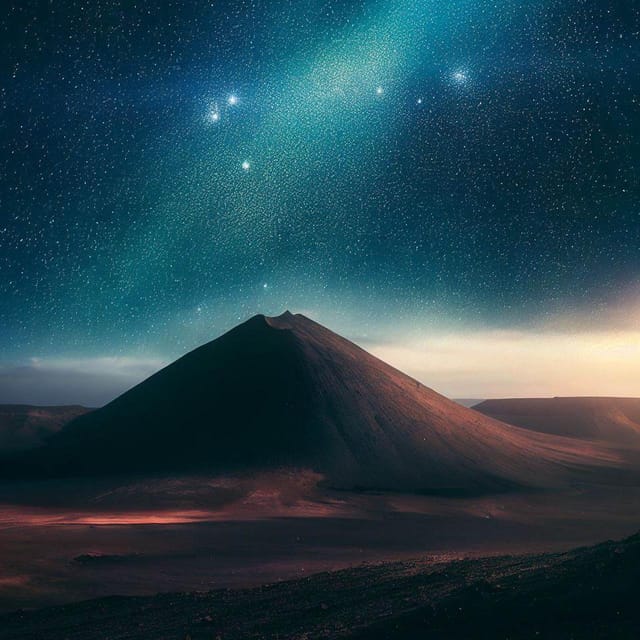
This isn’t a generic “stand under stars” event. The magic comes from pairing two things that usually stay separate on trips: an active-volcano setting and a guided astronomy/constellations session.
At the Calderón Hondo crater, you’re literally looking out from the island’s volcanic story. Then, when the climb is done, the group shifts from geology to sky-watching—spotting constellations, planets, and the Milky Way when the atmosphere cooperates. Even when the night isn’t perfect, a good guide changes the experience from luck-based to skill-based.
What makes this tour special: volcano, myths, and a real sky lesson
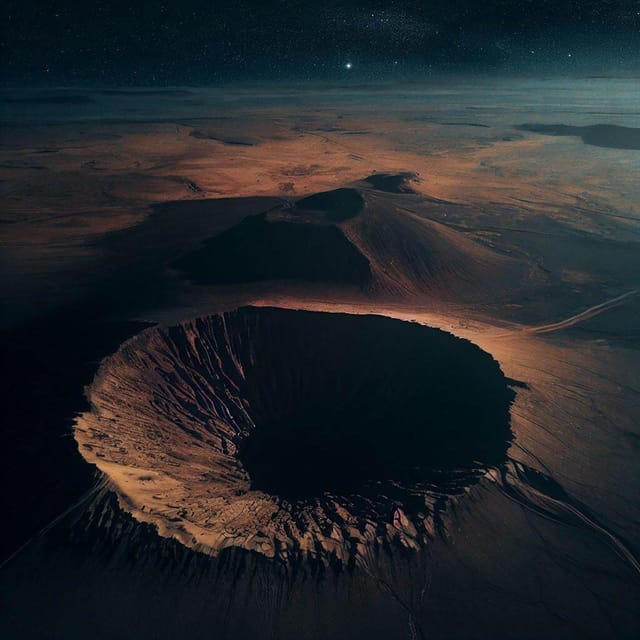
You’re not just told facts. You get a themed night with three threads that fit together:
- Volcano first, stars second: crater views and geology come before the sky lesson, so the night has a beginning, not just a finish.
- Fire-and-sky traditions: the tour includes local cultural references where fire and the heavens are linked in folklore.
- A guide who actively teaches: the group uses simple tech (like apps) and a laser pointer approach so you can actually follow what’s being explained.
- Headlamps included: that small detail matters a lot when you’re moving around a crater edge in the dark.
- Panoramic context from the rim: the climb includes wide views toward Lajares, Corralejo dunes, and even across to Lanzarote on clear sight lines.
You can also read our reviews of more tours and experiences in Fuerteventura.


Key moments I’d plan my night around
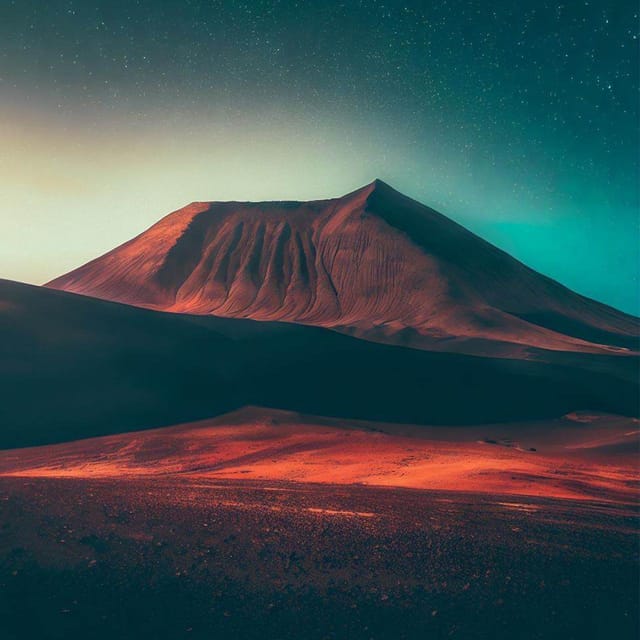
- Climbing to the Calderón Hondo crater edge: you get big, open views right at nightfall, not just in daylight.
- Crater stargazing with provided headlamps: you’re not juggling gear or dim phones.
- Laser-pointer and sky-app guidance: it makes the sky feel less random and more readable.
- Constellations, planets, and the Milky Way: when visibility is good, you’re set up for the main event.
- Local stories tying astrology to the island’s fire imagery: it gives the sky context beyond astronomy.
Price and value: is $53 worth 3 hours of volcano stargazing?
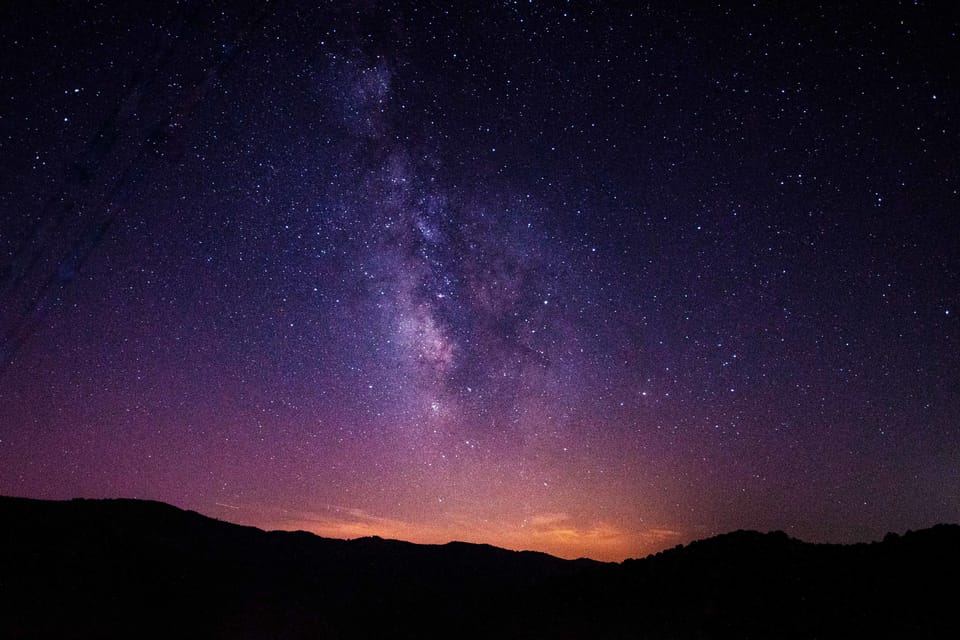
At about $53 per person for a 3-hour guided tour, the value comes from what’s bundled. You get the guide, water, and headlamps. If you choose transfer, pickup and drop-off by bus from Corralejo, El Cotillo, and Puerto de El Rosario is included too.
That matters because the hardest part isn’t the sky lesson. It’s getting to the right dark-sky area safely and on time. A local guide handles the timing, the route pacing, and the shift from climb to stargazing. If you’ve already spent your time on Fuerteventura beach days, this is the kind of night activity that actually feels different.
The other value piece: you’re paying for interpretation. The best nights aren’t only about whether the Milky Way appears. They’re about understanding what you’re seeing when it does.
Before you go: what to pack and what kind of night to expect
This tour runs at night, on volcanic ground. I’d treat it like an outdoor hike with stargazing, not a museum talk.
Bring:
- Comfortable closed-toe shoes (rocky terrain is part of the experience)
- A warm jacket (wind and cold show up fast at night)
- Comfortable layers you can move in
Know this going in:
- Booking at least three days in advance helps with checking the weather.
- No refund is given if stars aren’t visible due to weather. Translation: you’re buying the activity, not a guaranteed Milky Way.
- The exact start time is emailed to you about 24 hours before. The meeting time shown can shift with season and where you’re picked up.
- The tour duration can vary based on your location.
Meeting point and timing: how pickup usually works
You meet at the Repsol h2go service station. From there, the tour route can include bus stops for pickup and then return drop-offs around the island’s north, depending on the transfer option you select.
This is the kind of tour where being on time helps you enjoy the climb, not rush it. One review detail that’s worth taking seriously: if there’s any confusion about pickup, the guide may still help track down people—so don’t panic, but do double-check your local departure plan before the night starts.




The crater climb: what happens on the way up
The early part is built around getting you to the right vantage point. You’ll move toward the crater edge at dusk/after dark, with headlamps on and the guide pacing the group.
Two things make this segment matter:
- It’s your viewpoint setup. From the rim, you can take in panoramic lines toward Lajares, the dunes of Corralejo, and Lanzarote on the horizon when visibility allows.
- It sets the tone for stargazing. You learn where you’re standing in the volcano story before the sky lesson starts.
This is also where the “possible drawback” shows up for some people. If you’re afraid of heights, this is explicitly not listed for you. And even if you’re fine with heights, rocky, uneven ground means you should respect the climb pace and your own footing.
Inside the crater after dark: stargazing that actually feels guided
Once the group reaches a suitable viewing area, the tour shifts gears to astronomy. The guide uses a mix of real-sky pointing (often with a laser pointer) and a sky app on a tablet so you can match the explanation to what you see.
What you can hope to spot:
- Constellations (named and pointed out)
- Planets when conditions are right (some nights include sightings like Saturn and Jupiter)
- A chance at the Milky Way with naked-eye visibility on clearer evenings
- Sometimes extra viewing moments, like a moon glimpse through a telescope, if the guide brings it out (one group reported this bonus)
What I like about this approach: it turns stargazing into a skill. After the first few minutes, you’re not just hoping. You’re learning how to identify what’s overhead.
When clouds show up
Here’s the honest trade-off: you can’t control weather. Cloud cover can limit what you see, and the tour’s policy reflects that.
But the guide’s job isn’t to pretend the sky is perfect. Reviews emphasize that Viktor/Victor adjusts the plan—making the most of breaks in cloud cover and keeping the group moving between viewpoints so you still get a meaningful night.
The local fire-and-sky angle: why astrology is part of the fun
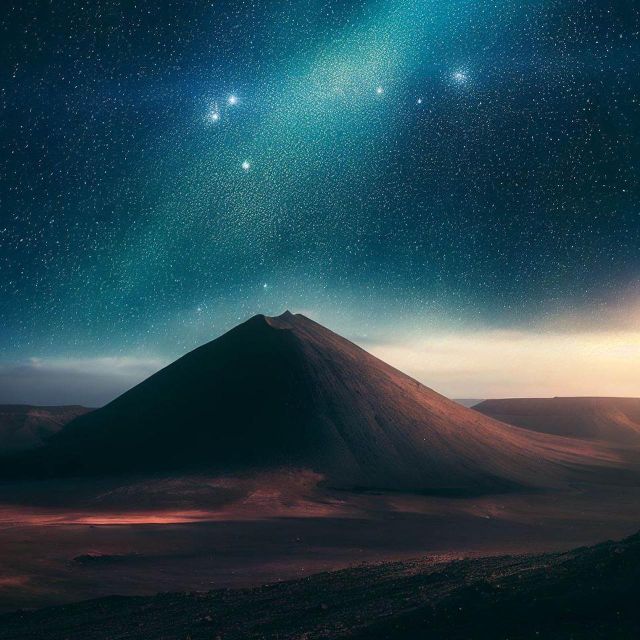
A big part of the theme is culture. The guide talks about the importance of astrology and how fire and the sky connect in local folklore. In practical terms, this matters because it changes the stargazing from pure identification to story.
Instead of only learning star names, you also hear why people used the sky to interpret seasons, movement, and meaning. That’s the kind of context that makes the night stick with you long after you’re back in a hotel bed.
How the guide experience makes or breaks the night
This tour’s reputation heavily centers on the host experience, and one name shows up again and again: Viktor/Victor.
Common threads in the positive feedback:
- He’s funny and keeps energy up from the minibus to the crater
- He explains clearly with real tools (laser pointer, apps)
- He’s careful about safety on the walk
- He handles mixed groups smoothly (different ages and nationalities)
If you want a stargazing night that feels like an event instead of a quiet shuffle, this is the main reason people return happy.
Comfort, safety, and who should skip it
The tour isn’t for everyone. It is not suitable for:
- People afraid of heights
- Cruise ship guests
- People over 65 years
- Babies under 1 year
Also, use the terrain reality as your extra filter. Reviews mention the ground can be rocky and there’s some steep walking to reach the top, so if you have mobility limits, think twice.
On the flip side, this tour can work well for:
- Solo travelers who want a guided experience (some people go alone and feel at ease once the group is set)
- Couples looking for a different night plan than dinner and bars
- Families with older kids who can handle a hike pace and cold evenings
Getting the best results: my practical tips
If you want the strongest chance at the Milky Way and the most enjoyable night overall, do these:
- Wear warm layers and bring a jacket you’ll actually zip up.
- Use the headlamp properly, especially on rocky stretches.
- Arrive at the meeting point with enough time that the pickup start isn’t stressful.
- Don’t treat the star visibility as guaranteed. You’re buying the guided crater-to-sky experience, not a meteorology contract.
Should you book this Calderón Hondo stargazing tour?
I’d book it if you want something genuinely different on Fuerteventura: a guided night walk to an active-volcano crater, paired with a real stargazing lesson and local storytelling about fire and the sky. The $53 price makes sense when you factor in headlamps, water, and expert guidance that helps you identify what you’re seeing.
I’d skip it if weather stress would ruin your mood, if heights make you nervous, or if you want a fully comfortable, flat, easy walk. With the right expectations and the right shoes, this is the kind of night you’ll remember because it teaches you to look.
FAQ
How long is the Fuerteventura guided stargazing tour at Calderón Hondo?
It lasts about 3 hours.
Where is the meeting point?
You meet at the Repsol h2go service station.
Is hotel pickup included?
Pickup and drop-off by bus from Corralejo, El Cotillo, and Puerto de El Rosario is included only if you select the transfer option.
What’s included in the tour price?
Included items are the guided tour, water, and headlamps. Pickup/drop-off is included only with the selected transfer option.
What should I wear and bring?
Wear comfortable shoes with closed toes, and bring a jacket or coat. The headlamps are provided.
Can I get a refund if clouds ruin the stargazing?
Refunds will not be given if the stars are not visible due to weather.
Who should not book this tour?
It’s not suitable for people afraid of heights, cruise ship guests, people over 65, or babies under 1 year.