REVIEW · FUERTEVENTURA
Fuerteventura: Artisan Goat’s Cheese Making at Local Farm
Book on GetYourGuide →Operated by Timonfaya Travel Lanzarote · Bookable on GetYourGuide
Goat milk turns into your own cheese. On this Fuerteventura farm visit, you’ll learn how Majorero cheese goes from milking to the press, step by step, in a truly hands-on way. I especially love getting close to the Majorera goats and doing the work yourself, not just watching.
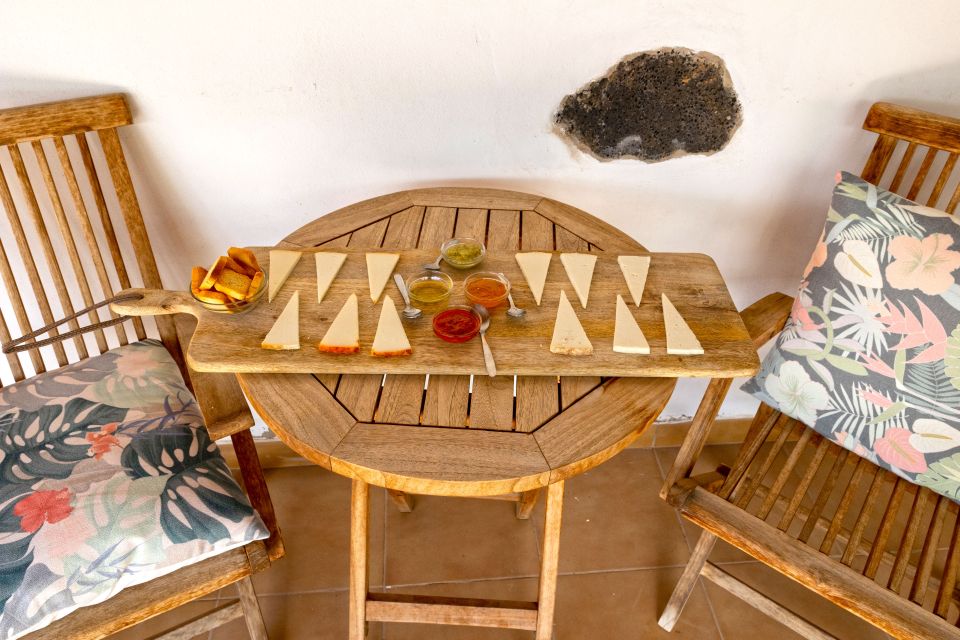
You’ll also like the food break: a traditional Canarian breakfast in a garden-style pause, with a cheese sandwich plus a local cheese board with mojos and homemade jams. And because the group is small (limited to 10), you get time to ask questions and actually handle the process instead of rushing past it.
One consideration: the live guide is offered in English and Spanish, so if you don’t speak either, you may need extra patience during explanations while you follow along with what’s happening.
In This Review
- Key highlights at a glance
- Majorero goat cheese: why Fuerteventura takes it seriously
- Arrival coffee and farm orientation (where the day really starts)
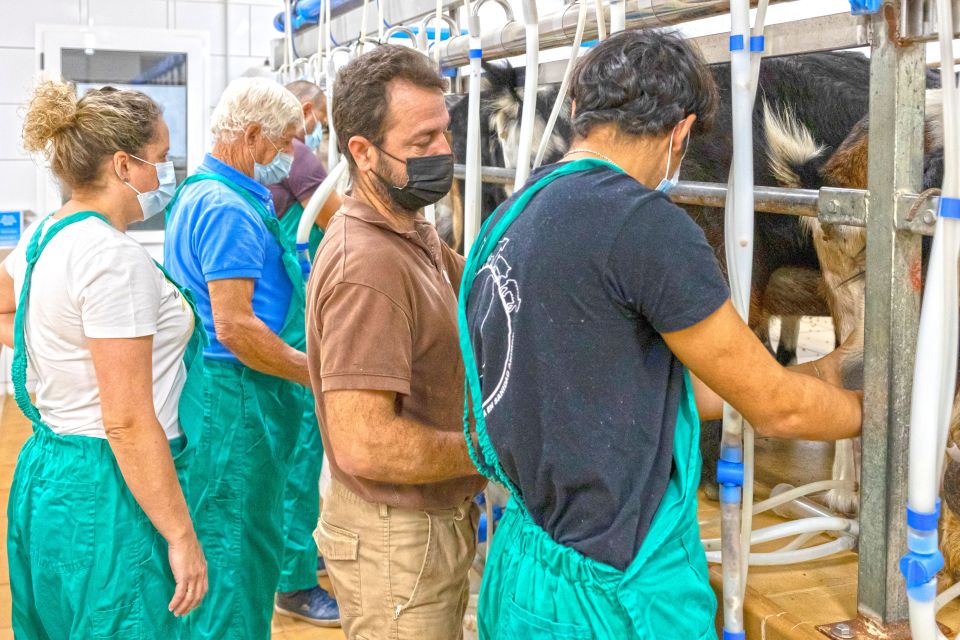
- Milking Majorero goats: manual technique and machine practice
- Making your own fresh cheese: the step-by-step that turns work into food
- The Canarian breakfast break: more than a snack
- Pressing, vacuum packing, and labeling: your edible souvenir
- Who this workshop is best for (and who should think twice)
- Price and value: is $85 per person worth it?
- Guides, farm culture, and the vibe you’re going to feel
- Should you book it?
- FAQ
- How long is the cheese-making experience?
- How much does it cost?
- What happens when I arrive at the farm?
- Will I make cheese myself or just watch?
- Do I get to take cheese home?
- What’s included in the breakfast?
- What drinks are available?
- Is the group small?
- What languages is the guide available in?
- Is the activity wheelchair accessible?
- Is free cancellation available?
Key highlights at a glance
- Manual and machine milking practice with clear guidance from the farm team
- Step-by-step cheese making where you shape and press your own fresh cheese
- Canarian breakfast with a fresh cheese sandwich, local cheese board, mojos, and homemade jams
- Small group size (up to 10) so you’re not stuck in the back row
- Vacuum-packed and labeled cheese you take home as your edible souvenir
- Time with baby goats (and lots of farm life), with bottle-feeding often depending on timing
Majorero goat cheese: why Fuerteventura takes it seriously
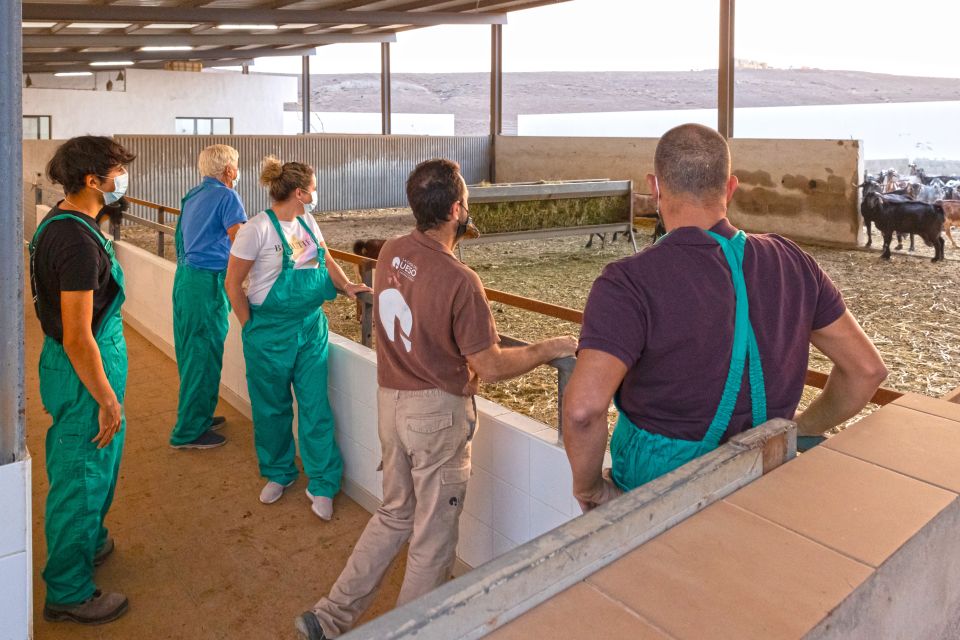
Fuerteventura has a reputation for cheese, and this workshop explains why in a way that feels real, not like a marketing story. The key detail is the Majorero goat itself. In dry, desert-like conditions, these goats are adapted to grazing where other animals struggle, and that shows up in the milk they produce.
What I like about starting here is that you learn the “why” before you do the “how.” When you see the animals, understand the milking routine, and then turn that milk into cheese, it all clicks. It’s also a nice reminder that some of the best food traditions are built on simple, repeatable work—done daily, not once a year for tourists.
If you’re a foodie, you’ll probably enjoy the flavors more after you’ve made something yourself. If you’re a first-timer, the process is structured so you’re not left guessing. You’ll get guidance for both manual and machine milking, then you’ll work through turning milk into cheese with hands-on help.
You can also read our reviews of more tours and experiences in Fuerteventura.
Arrival coffee and farm orientation (where the day really starts)
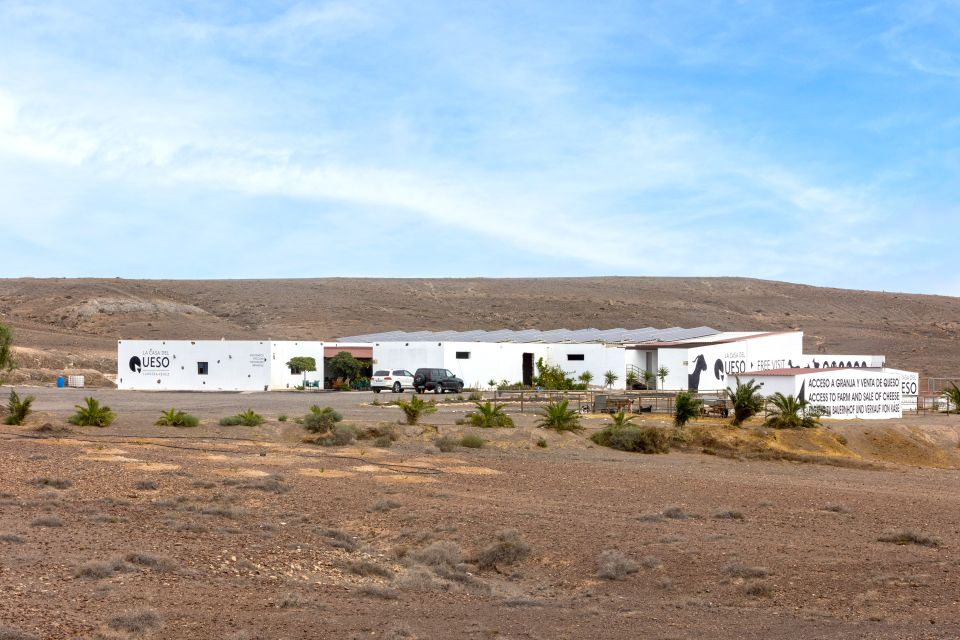
The session starts with a welcome coffee when you arrive. It sounds small, but it matters because it gives you a low-stress start before you’re put to work. After that, your host or guide introduces the farm and walks you through what you’ll do during the 2.5-hour experience.
This is also where the tone sets expectations. You’re on a working farm, not a demo kitchen. So you should be ready to roll up your sleeves, follow safety and hygiene rules, and get involved—even if you’ve never milked a goat before.
Most importantly, you’ll get orientation on the flow of the day: milking first, cheese making next, then the press/resting time, and finally vacuum-packing and labeling so you can take your cheese home. That structure helps you understand why every step exists.
Milking Majorero goats: manual technique and machine practice
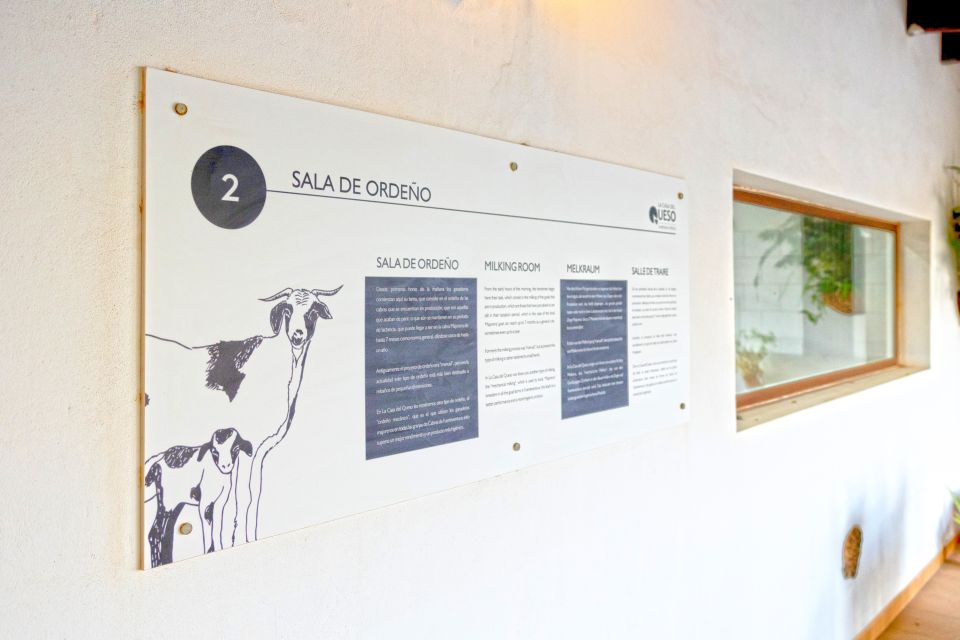
This part is the heart of the workshop. You’ll learn manual milking techniques, and you’ll also get exposure to machine milking. Even if you’re most excited about cheese, don’t skip paying attention here. The quality of the process starts with how the milk is collected and handled.
On many visits, the farm team makes this approachable for visitors. You won’t just be handed a task and left to figure it out. Guides and staff are often patient with newcomers, and you’ll find yourself learning practical habits: what to do first, how to keep things steady, and how to move through the routine calmly.
And yes, the animals are a big part of the experience. You may spend time feeding goats and getting close with baby kids. In at least some sessions, visitors have even seen babies born during the visit, and they’ve reported bottle-feeding the newborns and younger kids. Even when that timing doesn’t line up, you’ll still be surrounded by farm life and the kind of daily care that makes the whole experience feel personal.
Practical tip for comfort: wear shoes you don’t mind getting a bit farm-dusty. You’ll want stable footing around pens and work areas.
Making your own fresh cheese: the step-by-step that turns work into food
Once the milk part is underway (and you understand what’s happening), you move into the most fun stage: making cheese yourself. This is where the workshop earns its value.
You’ll follow the process from start to finish, working with the tools and equipment provided. The process includes shaping and pressing your cheese, and later you’ll return to finalize it. Even if the exact technical steps vary by cheesemaker and day, the big idea is consistent: you’re creating a Majorero-style fresh cheese in a real production rhythm.
Here’s why I think this is more than a cute activity:
- You learn how professional cheesemaking follows clear steps, not guesswork.
- You understand that pressing/resting time matters, because it changes how the cheese firms up.
- You get to compare what you think you’re doing with what the outcome looks like once it’s packed.
It also helps that the group is small. With a limit of 10 people, you’re more likely to get hands-on coaching and corrections rather than a quick once-over. That’s a big quality difference versus larger, more “sit and watch” experiences.
If you love food science, you’ll probably enjoy the moment when it becomes obvious that texture and structure aren’t magic—they’re the result of timing and technique. If you’re more of a casual eater, it’s still satisfying. You do the work, then you get to taste the proof later at breakfast and bring the rest home.
The Canarian breakfast break: more than a snack
Midway through the session, you get a real break with an authentic Fuerteventura breakfast. This is one of those parts that can feel like a throwaway on some tours, but here it’s designed to connect with the cheese you’re making and with local flavor habits.
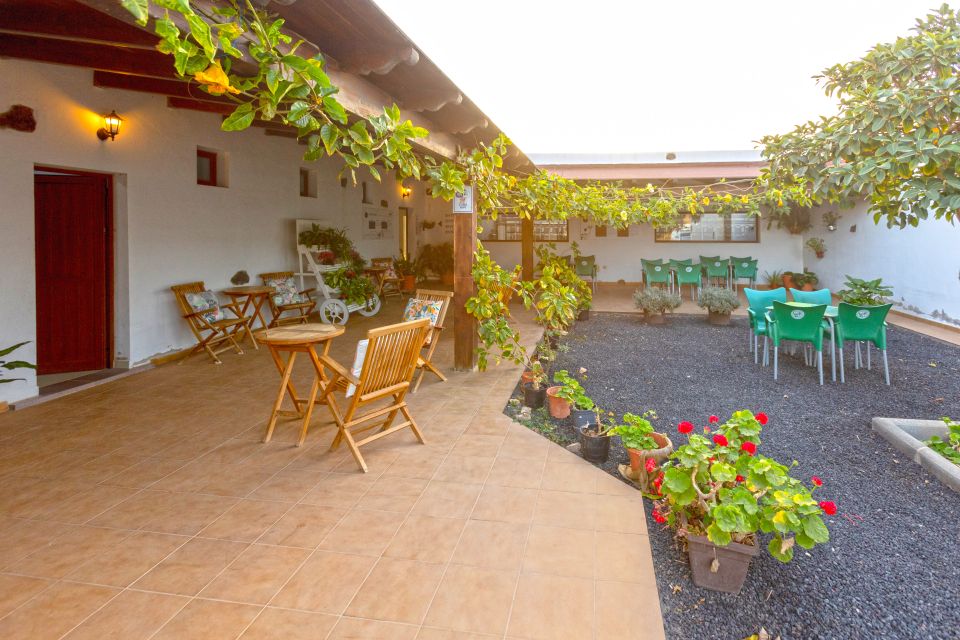
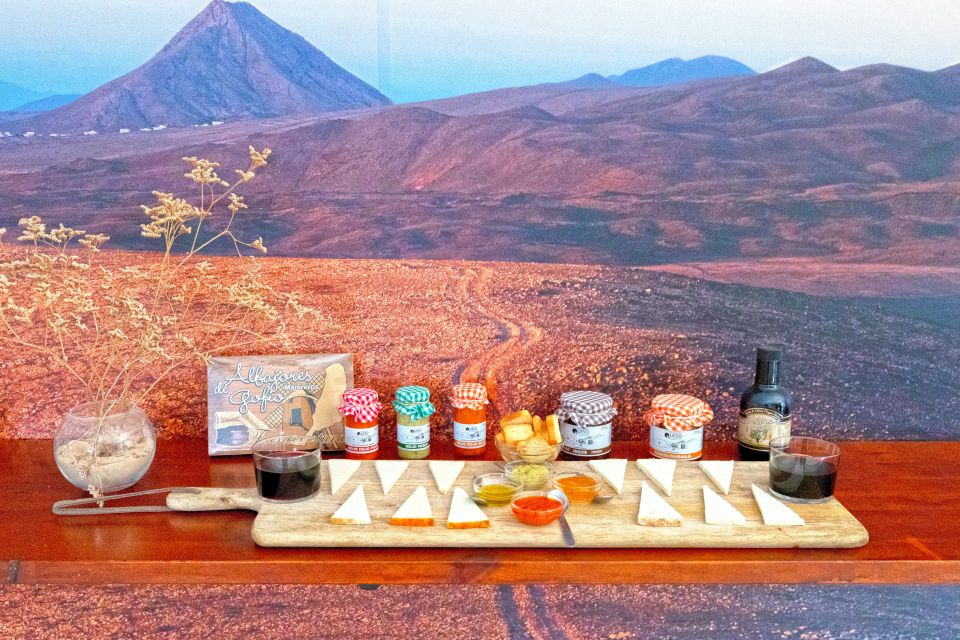
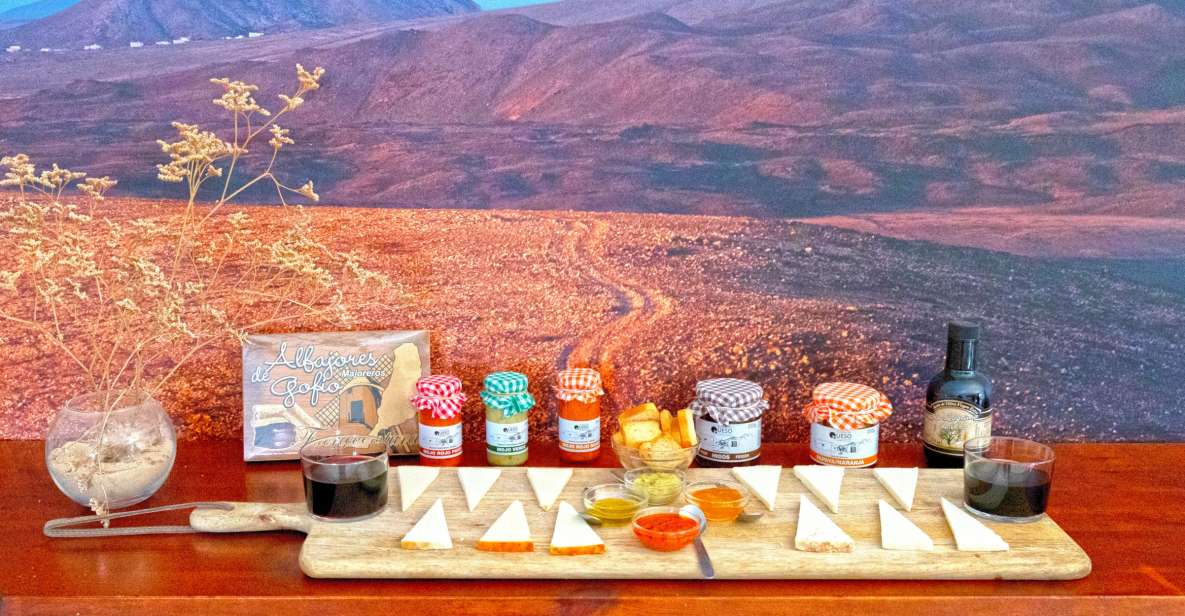
In the patio area (think relaxed, outdoor farm break), you’ll enjoy:
- A fresh cheese sandwich
- A local cheese board with Canarian mojos
- Homemade jams
- And your choice of drink: coffee, tea, Tenerife wine, beer, soft drinks, or water
I like that this isn’t just bread and cheese. MoJo sauces and jams bring the sweet-salty, tangy balance that makes Canarian eating feel like more than dairy-only. And because you’re eating something local while your cheese sets, you get a natural comparison: the farm’s cheeses versus what you’ve helped create.
One small drawback to know: because you’re working with dairy ingredients and then eating more dairy, this isn’t ideal if you avoid milk-based foods. But for most people, it’s exactly the point.


Pressing, vacuum packing, and labeling: your edible souvenir
After your cheese has rested in the press, you head back to the production room. This is where the workshop finishes strong: you vacuum-pack your cheese and label it yourselves.
That final step turns the day from an experience into an actual souvenir you can use. Instead of a piece of branded paper or a fridge magnet, you get a tangible thing: the cheese you worked on, ready for transport.
In reviews, many participants specifically mention taking home about 1 kilo of cheese, vacuum packed and labeled with the farm’s sticker. The exact weight can depend on how the batch is prepared, but the takeaway is consistent: you leave with enough cheese to share, not just taste.
Practical tip for after: keep the cheese cool once you’re back on the island. Vacuum packing helps, but food safety still matters.
Who this workshop is best for (and who should think twice)
This is a great fit if you want an authentic, farm-to-table style activity where your hands are part of the process. I think it’s especially good for:
- Food lovers who want to understand how a local product is made
- Families, since you’ll spend real time around the animals
- People who like learning through doing, not lectures
- Travelers who want a break from beaches and want something grounded in island life
Because you’re not just observing, this is also best if you’re comfortable working close to animals and following directions during milking and cheese making. If you’re hoping for a low-effort tour where you stay mostly clean and dry and just take photos, you might feel a little too involved.
Also, consider the language factor. The live guide is in English and Spanish, so plan to use simple phrases and let the visuals do some of the work if you’re between languages.
Price and value: is $85 per person worth it?
At $85 per person for a 2.5-hour experience, you’re paying for three things at once: animal time, labor-intensive food instruction, and a take-home product.
Here’s how the value stacks up in real terms:
- You’re not paying for a quick tasting. You’re learning milking and hands-on cheese making.
- You get a full traditional breakfast with multiple components and a choice of drink.
- You leave with your own vacuum-packed, labeled cheese that’s designed for sharing at home.
When I look at experiences like this, the price makes sense when it delivers a finished product you can actually eat afterward. That’s exactly what happens here.
The best part is the small group limit (up to 10). More personalization tends to mean better hands-on time, and that’s one of the main reasons food workshops feel worth it rather than rushed.
Guides, farm culture, and the vibe you’re going to feel
One thing that shows up repeatedly in how people describe the day: the farm team runs it with care, and the guides tend to explain clearly. Names that have come up include guides like Elaine and Helen, and farm owner David has been mentioned as friendly and patient.
Even when you’re working, you’ll likely notice a calm rhythm. People doing the daily routines with goats don’t treat it like a performance. They treat it like care. That changes the mood from pressured to curious.
And the best sessions often include plenty of animal interaction—feeding goats, meeting baby kids, and getting time to slow down and observe the herd. Depending on the day, you might even notice extra farm animals beyond goats, like donkeys, but that can vary.
Should you book it?
Book it if you want the real Fuerteventura story behind the cheese: goats, milking, making, and then eating and taking home what you helped create. You’ll get the local breakfast too, and the small group size makes the day feel like more than a checklist.
Skip it only if you’re looking for a mostly passive tour, or if you’re uncomfortable with farm animal closeness and hands-on work. If you’re happy to learn by doing, this is one of those activities that gives you a better souvenir than a photo: a cheese you can actually taste later.
FAQ
How long is the cheese-making experience?
It lasts 2.5 hours.
How much does it cost?
The price is $85 per person.
What happens when I arrive at the farm?
You’ll start with a welcome coffee, then your guide introduces the farm and the experience.
Will I make cheese myself or just watch?
You’ll make your own cheese, including taking part in the milking instruction and the cheese-making steps with the tools provided.
Do I get to take cheese home?
Yes. Your cheese is pressed, then you vacuum-pack and label it yourself, and you take it home.
What’s included in the breakfast?
You’ll have a traditional Canarian breakfast with a fresh cheese sandwich, a local cheese board, Canarian mojos, homemade jams, plus your choice of drink.
What drinks are available?
One drink per person is included: coffee, tea, Tenerife wine, beer, soft drinks, or water.
Is the group small?
Yes. The group is limited to 10 participants.
What languages is the guide available in?
The live guide offers English and Spanish.
Is the activity wheelchair accessible?
Yes, it is listed as wheelchair accessible.
Is free cancellation available?
Yes. You can cancel up to 24 hours in advance for a full refund.